Baby Registry Must-Haves: The Expert Guide to Building Your Perfect List
Creating a baby registry feels a bit like standing in front of an endless aisle at a megastore while someone hands you a scanner gun and whispers, “Choose wisely.” The pressure is real. Between well-meaning relatives asking what you need, influencers showcasing their aesthetically perfect nurseries, and your own uncertain instincts, it’s easy to end up with a cart full of items you’ll never use or—worse—miss something genuinely essential.
Here’s the truth: you don’t need everything. In fact, most parents will tell you they registered for things that collected dust while scrambling to find items they actually used daily. The key is understanding the difference between nice-to-have and truly indispensable, then building a registry that serves your real life, not some Pinterest fantasy.
This guide cuts through the noise and focuses on what actually matters. We’ve consulted pediatricians, interviewed seasoned parents, and reviewed research to identify the baby registry must haves that will genuinely make those early months smoother. Whether you’re a first-time parent or adding to your family, this breakdown will help you register for items that earn their place in your home.
Sleep Essentials: Where Baby Actually Rests
Sleep—or the lack thereof—will dominate your early parenting journey. Before you register for anything else, nail down where and how your baby will sleep. This isn’t just about comfort; it’s about safe sleep practices that align with American Academy of Pediatrics recommendations.
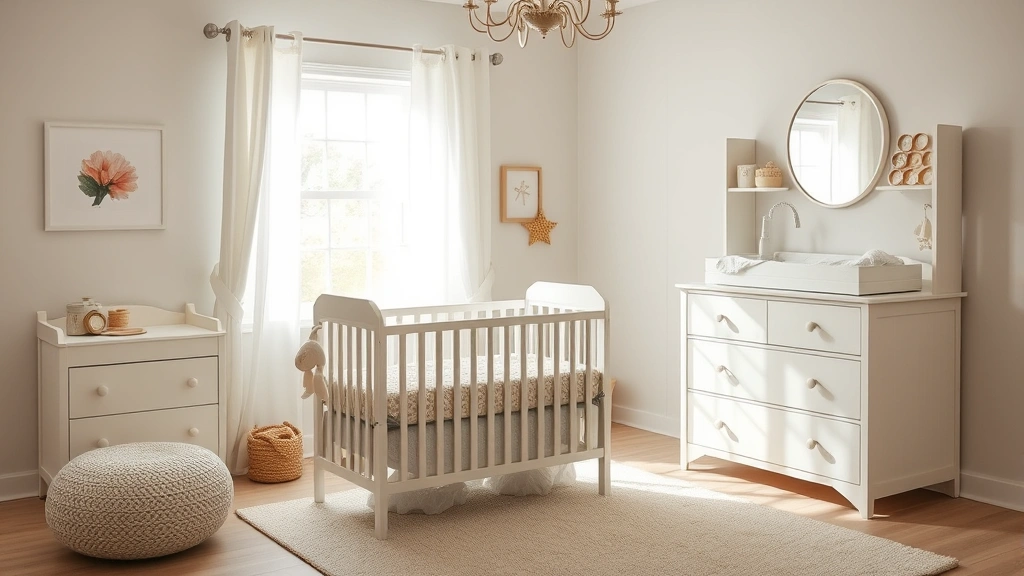
Crib or Bassinet: Most parents start with a bassinet in their room for the first few months, then transition to a crib in a nursery. A bassinet keeps your newborn close during those frequent night feedings, while a crib serves long-term (from infancy through toddlerhood). You don’t necessarily need both, but many find the combination practical. Look for models that meet current safety standards and have firm, well-fitting mattresses.
Quality Mattress and Waterproof Protector: This is where you don’t compromise. A firm, well-fitting mattress reduces the risk of suffocation and SIDS. Pair it with a waterproof protector—blowouts and spit-up are inevitable, and a protector saves your mattress from becoming a biohazard. Budget for at least two fitted sheets; you’ll cycle through them constantly.
Blackout Curtains: Underrated but genuinely useful. Blackout curtains help regulate your baby’s circadian rhythm and make daytime naps easier to establish. They’re especially valuable if you live somewhere with long daylight hours or have street lights streaming into the nursery.
White Noise Machine: Whether it’s a dedicated machine or a white noise app, consistent background sound helps babies sleep through household noises and can become a sleep cue they associate with rest time. It’s one of those items that pays for itself through better sleep.
Feeding Gear: Bottles, Pumps, and High Chairs
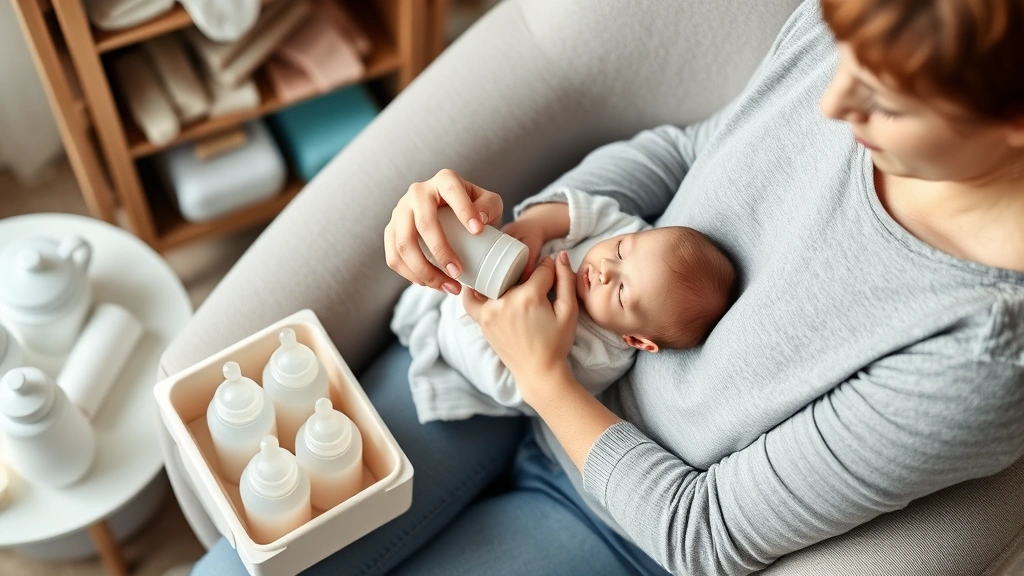
How you feed your baby—whether exclusively breastfeeding, bottle feeding, or combining both—shapes what you actually need. The feeding section of most registries gets overwhelming fast, but let’s break it down.
Bottles and Sterilizer: If you’re planning to bottle feed or pump, you’ll need bottles. Start with a small variety since babies can be picky about bottle nipples. Eight to ten bottles is a reasonable starting point. A sterilizer (electric or stovetop) simplifies keeping bottles sanitized, though many parents find a dishwasher adequate once bottles are established.
Breast Pump (if applicable): If you’re planning to pump, your insurance likely covers a breast pump under the Affordable Care Act. Check your coverage before registering. Popular options include both electric and manual pumps. Many parents appreciate having both—a powerful electric pump for regular use and a manual backup for travel or emergencies.
Nursing Pillow: A good nursing pillow provides support and reduces strain during feeding sessions. It’s particularly valuable if you’re breastfeeding, but bottle-feeding parents benefit too. Look for one with proper support and a removable, washable cover.
High Chair (later stage): You won’t need this immediately, but around six months when solids begin, a high chair becomes essential. Choose one that’s easy to clean—food debris gets everywhere—and stable enough that your baby can’t easily topple it. Some parents prefer smaller, portable options; others want full-featured models. Consider your kitchen space and lifestyle.
Bottle Warmer: Optional but convenient. If you’re bottle feeding, a warmer ensures milk reaches the right temperature without hot spots. Some parents skip this entirely and use warm water or serve room-temperature milk.
Diaper Changing and Bath Basics
You’ll change thousands of diapers in the coming years. Setting up an efficient changing station makes this inevitable task less miserable. When considering baby shower favors and registry items, friends often focus on fun things, but practical changing essentials deserve prime real estate on your list.
Changing Table or Dresser with Changing Pad: A dedicated changing surface at waist height saves your back during those countless diaper changes. You can go with a traditional changing table, a dresser with a changing pad on top, or even a wall-mounted changing station if space is limited. The key is having a safe, organized spot with everything within arm’s reach.
Changing Pad and Waterproof Covers: The pad itself should be firm and supportive. Waterproof covers are non-negotiable—they protect the pad from inevitable accidents and are easy to wipe clean. Having two or three covers means you always have a clean one available.
Diaper Pail: A specialized diaper pail (like a Diaper Genie) contains odors better than a regular trash can. While not absolutely essential, parents consistently report they’re worth the investment for maintaining a pleasant-smelling nursery.
Bath Essentials: You’ll need a baby bathtub or bath ring, gentle baby wash, soft washcloths, and hooded towels. A bath thermometer helps ensure water temperature stays safe. Start with lukewarm baths and keep them brief—newborns lose body heat quickly.
Nail Care Kit: Newborn nails are sharp and babies scratch themselves constantly. A small nail care kit with a file and tiny scissors specifically designed for baby nails prevents those tiny scratches from becoming infected.

On-the-Go Gear: Strollers and Carriers
Life doesn’t stop when you have a baby—you’ll be getting out regularly. Your transportation setup needs to work with your lifestyle, whether that’s frequent walks around the neighborhood or regular errands across town.
Stroller: This is one of the bigger purchases and definitely deserves careful consideration. Jogging strollers suit active parents; compact travel strollers work for frequent flyers; full-feature strollers offer maximum storage and recline options. Many parents appreciate having two strollers—a lightweight travel version and a more robust daily driver. Think about your climate, terrain, and how frequently you’ll be out.
Baby Carrier: An Ergo baby carrier or similar structured carrier lets you keep your hands free while keeping baby close. This is invaluable for parents managing older siblings, navigating public transportation, or simply wanting a break from stroller pushing. Carriers are especially useful during the newborn phase when babies want constant contact.
Car Seat: This is legally required and non-negotiable. Choose between rear-facing infant seats (which work with stroller frames) or convertible seats that grow with your child. Ensure the car seat fits your vehicle properly and that you’re comfortable installing it correctly. Many hospitals won’t discharge without proof of a proper car seat.
Diaper Bag: A well-organized diaper bag keeps essentials accessible during outings. Look for one with multiple compartments, waterproof lining, and insulated bottle pockets. Many parents appreciate bags that look less “baby-focused” and more like regular backpacks or messenger bags.
Clothing and Protective Gear
Babies grow rapidly—faster than you’d believe—and you don’t need as many clothes as you might think. Practical choices matter more than quantity.
Onesies and Bodysuits: These are your workhorses. Register for sizes 0-3 months and 3-6 months in various styles (short-sleeve, long-sleeve, snap-up). Aim for 7-10 in each size. Avoid registering for newborn size exclusively; many babies skip right past it.
Sleep Sacks and Swaddles: Sleep sacks eliminate the need for blankets in the crib, reducing SIDS risk while keeping baby warm. Swaddles help newborns feel secure and reduce startle reflexes. Register for several in different sizes and warmth levels.
Mittens and Scratch Mittens: Soft mittens prevent babies from scratching their faces. Keep several pairs on hand since they get lost or soiled constantly.
Seasonal Layers: Rather than registering for extensive wardrobes, focus on practical layers appropriate to your climate. Babies regulate temperature differently than adults and often need an extra layer. A baby blanket serves multiple purposes beyond warmth—tummy time, stroller shade, nursing cover.
Hats and Socks: Babies lose heat through their heads, so hats are genuinely useful. Socks disappear like magic, so register for multiple pairs.
Safety and Monitoring Essentials
Modern parents have technology to help monitor babies and maintain safe environments. Some items here are absolute essentials; others enhance peace of mind.
Baby Monitor: At minimum, a reliable audio monitor lets you hear your baby from other rooms. Video monitors add visual reassurance, though they’re not strictly necessary. Choose between WiFi-enabled monitors (accessible from anywhere) or closed-system monitors (more secure but limited range). Research current child safety recommendations when selecting monitoring equipment.
Outlet Covers and Safety Gates: Babies don’t need these immediately, but register for them anyway. You’ll want them before your crawler becomes mobile. Quality outlet covers are tamper-resistant and don’t leave gaps.
Thermometer: A reliable thermometer is essential for detecting fevers. Digital thermometers are faster and more accurate than old mercury versions. Many parents appreciate both an oral/underarm thermometer and a temporal thermometer for quick checks.
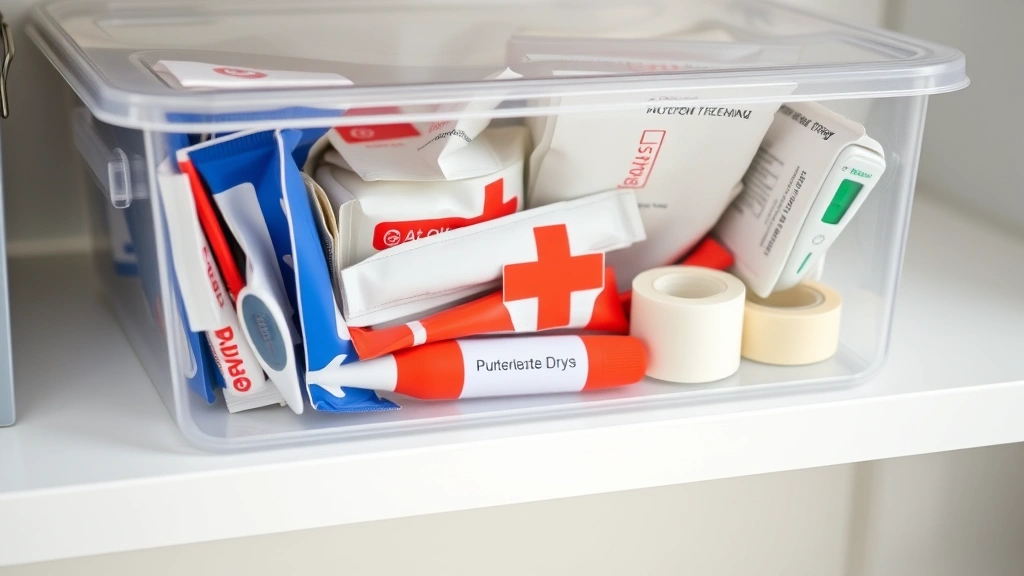
First Aid Kit: Assemble a baby-specific first aid kit with items like infant pain reliever, saline drops, bandages, and gauze. Consult your pediatrician about what to stock before you need it.
Humidifier: A cool-mist humidifier helps during cold season and can ease congestion. It’s particularly valuable if you live in a dry climate or use heating during winter.
Nursery Comfort and Soothing
Creating a calm, comfortable nursery supports better sleep and provides a soothing space for both baby and parents during late-night moments.
Nightlight: A soft, dim light helps during nighttime diaper changes and feedings without fully waking you or your baby. Look for red or amber lights rather than blue, which interferes with melatonin production.
Sound Machine: Beyond helping sleep, consistent background sound masks household noises and creates a soothing environment. White noise, nature sounds, or gentle lullabies all work depending on preference.
Room Temperature Control: Babies sleep best in cooler rooms (around 68-72°F). If your home runs warm, a fan or portable AC unit helps maintain optimal temperature. Monitor room temperature with a simple thermometer.
Blackout Shades: Earlier mentioned but worth emphasizing—these transform daytime naps and help establish healthy sleep patterns. They’re worth every penny.
Comfortable Seating: Parents spend enormous amounts of time sitting in the nursery during nighttime feedings and soothing. A comfortable chair or glider makes this time less physically taxing. You don’t need an expensive glider; a comfortable armchair works perfectly.
When thinking about what to include on your registry, remember that baby shower food ideas and party planning are your guests’ concern—your focus should be on practical items that serve your family. Similarly, if you’re expecting a girl, baby girl gifts might be included in your registry, but gender-specific items should reflect your actual preferences, not registry pressure.
One final thought on registry strategy: include a range of price points. Not everyone can afford expensive items, and many guests prefer contributing to mid-range options. Include some budget-friendly essentials alongside premium choices. This approach makes your registry accessible to various budgets while ensuring you get what you actually need.
For expectant parents curious about the experience itself, understanding what to write in a baby shower card might seem tangential, but it reflects the broader ecosystem of preparation surrounding your arrival. Your registry is just one piece of this puzzle.
Frequently Asked Questions
How many of each item do I actually need?
This varies by item and your lifestyle, but here’s a practical baseline: 7-10 onesies per size, 4-6 sleep sacks, 2-3 crib sheets with waterproof protector, 8-10 bottles, 2-3 swaddles, and multiple pairs of socks and mittens. For items you’ll use constantly (like burp cloths or receiving blankets), aim for 4-6. For specialized items like a stroller or car seat, one quality option beats multiple mediocre ones.
Should I register for a bassinet or just use a crib?
A bassinet keeps your newborn within arm’s reach during those frequent night feedings, which many parents find invaluable. However, if your crib fits in your bedroom, you can skip the bassinet. Consider your bedroom size, your partner’s sleep preferences, and whether you anticipate frequent night wakings. Many parents do fine with just a crib from day one.
What’s the most important thing on a baby registry?
If forced to choose one, it’s a safe sleep space—either a bassinet or crib with a firm mattress and proper bedding. Everything else supports this foundation. A safe place for your baby to sleep is non-negotiable.
Can I register for used items or should everything be new?
Certain items should always be new: mattresses, car seats, and items that touch your baby’s face or bottom (like crib sheets or changing pad covers). Other items—like furniture, carriers, or strollers—can be safely used if they’re in good condition and meet current safety standards. Check recall lists before accepting or purchasing used gear.
How do I handle registering when I don’t know my baby’s gender?
Skip gender-specific items entirely. Focus on practical, neutral options that work regardless of your baby’s gender. Neutral colors work beautifully, and you’ll appreciate the flexibility. If you do know your baby’s gender and want gender-specific items, include them alongside neutral options so guests have choices.
Should I register for items I think I “should” want versus what I actually need?
Register for what serves your real life. If you hate the idea of co-sleeping, don’t register for a bedside sleeper just because it’s trendy. If you live in an apartment and rarely drive, prioritize a compact stroller over a full-feature model. Your registry should reflect your values, lifestyle, and genuine needs—not Pinterest aesthetics or what you think you’re supposed to want.