How to Get Rid of Baby Roaches: Expert Guide for a Pest-Free Home
Finding baby roaches in your home is every parent’s nightmare. Unlike their adult counterparts, these tiny nymphs are harder to spot, faster to reproduce, and capable of slipping into the smallest crevices where your family spends time. If you’ve discovered what looks like miniature cockroaches scurrying across your kitchen counter or bathroom floor, you’re not alone—and more importantly, you’re not helpless. This comprehensive guide walks you through identification, elimination, and prevention strategies that actually work.
The challenge with baby roaches isn’t just their size or speed. It’s that they reproduce at an alarming rate, and a small infestation can balloon into a full-blown crisis within weeks. Parents juggling work, school schedules, and household responsibilities often feel overwhelmed when pest control enters the equation. The good news? With the right approach and knowledge, you can reclaim your home without resorting to harsh chemicals that might concern you around children and pets.
This guide is built on practical, evidence-based strategies that prioritize both effectiveness and safety. We’ll cover everything from recognizing the signs of an infestation to implementing long-term prevention measures that keep these unwanted visitors from ever settling in your home.
Identifying Baby Roaches: What You’re Actually Seeing
Before you can effectively eliminate baby roaches, you need to confirm you’re actually dealing with them. Many parents mistake other household pests or debris for cockroach nymphs, which can lead to misdirected efforts and unnecessary panic. Baby roaches, technically called nymphs, are fundamentally different from adults in appearance but unmistakably roach-like once you know what to look for.
Baby roaches are typically 1/4 to 1/2 inch long, making them significantly smaller than adult roaches that can reach up to 1.5 inches. They’re usually brown or tan in color, though some species appear darker. The most distinctive feature is their oval, flattened body shape—they look like tiny versions of adult roaches, just without fully developed wings. Unlike nymphs of other insects, baby roaches don’t have a pupal stage; they simply grow larger and develop wings as they mature.
The speed at which baby roaches move is genuinely unsettling. They dart with surprising agility, often disappearing into cracks before you can process what you saw. This rapid movement is one of the most reliable identifying characteristics. If you see something small, brown, and moving with that distinctive cockroach scurry, you’ve likely found the culprit.
One critical distinction: if you’re seeing what looks like a baby cockroach but it’s moving slowly or seems lethargic, you might be dealing with something else entirely. Similarly, if you find what appears to be tiny insects in your bedding that cause itching, you might actually be contending with baby bed bugs, which require entirely different treatment approaches.
Look for these telltale signs of baby roach presence:
- Droppings: Tiny black specks that resemble ground pepper, usually found along baseboards or in cabinets
- Egg casings: Small, dark brown capsules (about 1/8 inch) that contain multiple nymphs
- Musty odor: A distinctive, unpleasant smell in areas with heavy infestation
- Shed skin: Translucent brown casings left behind as nymphs molt and grow
According to the CDC, cockroach infestations are linked to increased asthma and allergy symptoms, making identification and elimination especially important in homes with children who have respiratory sensitivities.
Why Baby Roaches Appear in Homes
Understanding why baby roaches invade your home is crucial for preventing future infestations. These pests don’t discriminate between clean and dirty homes—they’re equal-opportunity invaders looking for three basic things: food, water, and shelter. When your home provides all three, you’ve essentially created a five-star resort for cockroaches.
Baby roaches typically arrive through one of several pathways. They might hitch a ride in grocery bags, used furniture, or cardboard boxes from secondhand stores. They can enter through small cracks in walls, gaps around pipes, or poorly sealed entry points. In apartment buildings or attached homes, they might migrate from neighboring units. Once inside, if conditions are favorable, they establish colonies and reproduce rapidly.
The reproduction cycle is what makes this urgent. A single female cockroach can produce dozens of offspring in her lifetime. Baby roaches reach sexual maturity within weeks, meaning your small problem can become enormous very quickly. This is why immediate action matters—you’re racing against biological clocks.
Common attractants in homes include:
- Accessible food sources (crumbs, grease, pet food left out overnight)
- Moisture and humidity, especially in bathrooms and kitchens
- Clutter that provides hiding spots
- Warm environments, particularly near appliances
- Unsealed garbage and compost containers
Parents often don’t realize that seemingly minor oversights create ideal conditions. Leaving dishes in the sink overnight, not wiping down counters after meals, or allowing pet food bowls to sit out are small habits that roaches find irresistible. Combine these with the humidity from a bathroom vent fan or a leaky pipe under the sink, and you’ve given baby roaches everything they need to thrive.
Immediate Action Steps
The moment you confirm baby roaches in your home, take action. Delay only allows the population to expand. Your immediate priorities are containment, elimination of current pests, and removal of conditions that support them.
Step One: Document and Isolate
Start by identifying where you’ve seen the roaches. Are they concentrated in the kitchen? Bathroom? Multiple areas? This information helps you prioritize treatment and determine whether you’re dealing with a localized problem or a more widespread infestation. Keep a simple log with dates and locations—this helps you track whether your interventions are working.
Step Two: Remove Immediate Food Sources
This isn’t about deep cleaning yet (we’ll get there). This is triage. Immediately remove accessible food: take out garbage, wash dishes, wipe down counters, and store pet food in sealed containers. Don’t leave anything edible exposed. This creates an immediate food shortage that forces roaches to either leave or become more visible when seeking sustenance.
Step Three: Eliminate Water Sources
Fix any leaky pipes or dripping faucets immediately. Dry out areas where water accumulates. Roaches can survive weeks without food but only days without water. By removing water sources, you’re creating a hostile environment. This is particularly important in bathrooms and under sinks.
Step Four: Reduce Hiding Spots
Remove clutter from affected areas. Stack items neatly rather than leaving them scattered. Move furniture slightly away from walls to eliminate dark crevices where roaches hide. This makes the environment less appealing and forces roaches into more exposed areas where treatments can be more effective.

Deep Cleaning Strategy That Works
Deep cleaning isn’t punishment—it’s a strategic elimination method. Thorough cleaning removes roach food sources, disrupts their habitats, and allows you to apply treatments more effectively. This is where many parents make the mistake of using only surface-level cleaning when they need to go deeper.
Kitchen Focus Areas
The kitchen is ground zero for baby roach activity. Start by removing everything from cabinets, wiping down shelves with hot soapy water, and inspecting for roaches or droppings. Pay special attention to:
- Under and behind the refrigerator and stove
- Inside the dishwasher filter and seals
- Cracks and crevices around baseboards
- Behind and under the sink, including checking for leaks
- Inside cabinet corners where roaches love to hide
- Around the microwave and toaster
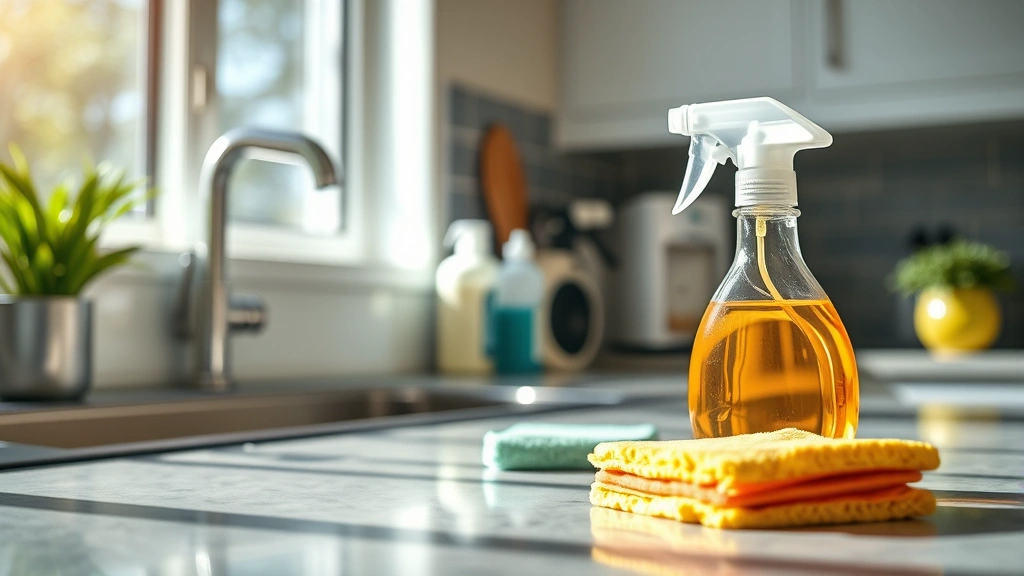
Use a degreaser for cooking areas, as roaches are attracted to grease buildup. Don’t just wipe surfaces—use a small brush or old toothbrush to scrub into corners and along grout lines.
Bathroom Deep Clean
Bathrooms provide the moisture that roaches crave. Clean thoroughly:
- Behind the toilet and around the base where moisture accumulates
- Inside and under sink cabinets
- Around pipes and drains
- Tile grout lines where roaches hide
- Inside the exhaust fan vent if accessible
After cleaning, ensure the bathroom dries completely. Run the exhaust fan longer than usual to reduce humidity.
Bedroom and Living Areas
Don’t neglect non-food areas. Roaches hide in bedrooms too, particularly under beds and in closets. Vacuum thoroughly, including under furniture. Wash bedding in hot water. Remove cardboard boxes where roaches love to nest, replacing them with plastic storage containers.
The Vacuum Strategy
Vacuum all areas thoroughly, especially corners, baseboards, and under furniture. This removes roaches, nymphs, and egg casings. After vacuuming, immediately seal and dispose of the vacuum bag outside your home. If using a bagless vacuum, empty it into a sealed trash bag and take it outside. This prevents roaches from escaping back into your home.
Treatment Options: From Natural to Professional
Once you’ve cleaned and reduced attractants, you need to eliminate existing roaches. You have several options, each with different effectiveness levels and safety considerations for homes with children and pets.
Natural and Low-Toxicity Options
Many parents prefer starting with less toxic approaches. Diatomaceous earth (food-grade only) is a powder that damages roach exoskeletons. Sprinkle it in thin layers along baseboards, under cabinets, and in corners. It’s safe for children and pets when used correctly, though you should avoid inhaling the powder. The challenge? It works slowly and requires reapplication, and roaches can avoid treated areas.
Boric acid is more effective but requires caution around children and pets. It’s toxic if ingested, so it must be applied in areas where kids and animals can’t access it—typically behind appliances or in wall voids. If you have curious toddlers or pets that explore everywhere, skip this option.
Gel Baits and Traps
Gel baits are highly effective and relatively safe when used correctly. They contain slow-acting poison that roaches carry back to their nests, eliminating multiple insects per bait station. Place baits in corners, under sinks, and along baseboards where you’ve seen activity. Keep baits away from children and pets. The advantage? Roaches actively seek them out, making them more effective than barrier treatments. Check baits weekly and replace as needed.
Sticky traps help you monitor roach activity without pesticides. Place them in suspected problem areas and check them daily. This tells you whether your treatment is working and where roaches are concentrating.
Spray Treatments
Residual sprays applied to baseboards and entry points kill roaches on contact and provide ongoing protection. However, they require careful application around children and pets. Always follow label directions precisely and keep people and animals out of treated areas until dry. Many modern formulations are less toxic than older options, but they still warrant caution.
IGR (Insect Growth Regulator) Products
These prevent roach nymphs from developing into adults, effectively breaking the reproduction cycle. IGRs are often combined with other treatments for maximum effectiveness. They’re generally considered safe around children and pets when used as directed, though you should still follow label precautions.
The American Academy of Pediatrics recommends that parents minimize pesticide exposure in homes with children, particularly infants and young kids. This doesn’t mean you can’t treat an infestation—it means being strategic about product selection and application.
Prevention: Long-Term Solutions
Eliminating baby roaches is one battle; preventing their return is the war you need to win. Long-term prevention requires consistent habits and home maintenance that makes your space inhospitable to roaches.
Food Storage and Management
Store all food in sealed, airtight containers. This includes breakfast cereals, crackers, flour, and pet food. Don’t leave food out on counters or tables, even briefly. Clean up spills immediately. Take garbage out daily, especially in the kitchen. Use trash cans with tight-fitting lids, and consider keeping them in a sealed container if you have a serious infestation history.
Moisture Control
Fix all leaks promptly. Check under sinks monthly for signs of moisture. Run bathroom exhaust fans during and for 20-30 minutes after showers. Consider using a dehumidifier in damp areas like basements. Roaches need water to survive, so controlling moisture is one of your most powerful prevention tools.
Clutter Reduction
Maintain organized spaces with minimal clutter. Roaches hide in piles of papers, boxes, and other items. Store items in sealed plastic containers rather than cardboard boxes. Keep closets organized. This reduces hiding spots and makes any new roach activity immediately obvious.
Seal Entry Points
Inspect your home’s exterior for cracks and gaps. Seal around pipes, utility lines, and foundation cracks with caulk. Ensure door sweeps fit properly and weather stripping is intact. While you can’t seal every possible entry point, reducing major gaps helps prevent roaches from entering.
Regular Inspection Routine
Establish a monthly inspection habit. Check under sinks, behind appliances, and along baseboards for signs of roach activity. Early detection allows you to address problems before they escalate. If you travel or receive used furniture, inspect items carefully before bringing them inside.
If you’re wondering about other household pests that might appear alongside roaches, you should know that homes with roach problems sometimes also attract baby rats or other unwanted visitors. Similarly, if you’ve dealt with other pest issues, understanding the differences between infestations helps you respond appropriately. For context, while baby possums and even baby beavers are wildlife concerns, they operate under entirely different prevention and removal strategies.
When to Call Professional Pest Control
Sometimes, despite your best efforts, baby roaches persist. Knowing when to call professionals prevents wasted time and money on ineffective DIY approaches.
Signs You Need Professional Help
Call a pest control professional if:
- You’ve implemented all the strategies above for two weeks without improvement
- You discover roaches in multiple rooms or areas of your home
- You find egg casings, indicating established colonies
- You live in an apartment building and suspect neighboring units have infestations
- You have immunocompromised family members, as roach allergens pose serious health risks
- You feel overwhelmed or unsure about treatment approaches
Choosing a Pest Control Company
Not all pest control services are equal. Look for companies that:
- Offer integrated pest management (IPM) approaches, which prioritize prevention and targeted treatment over blanket pesticide application
- Provide clear communication about what they’ll treat and why
- Offer guarantees on their work
- Use products approved for use around children and pets
- Have positive reviews and proper licensing and insurance
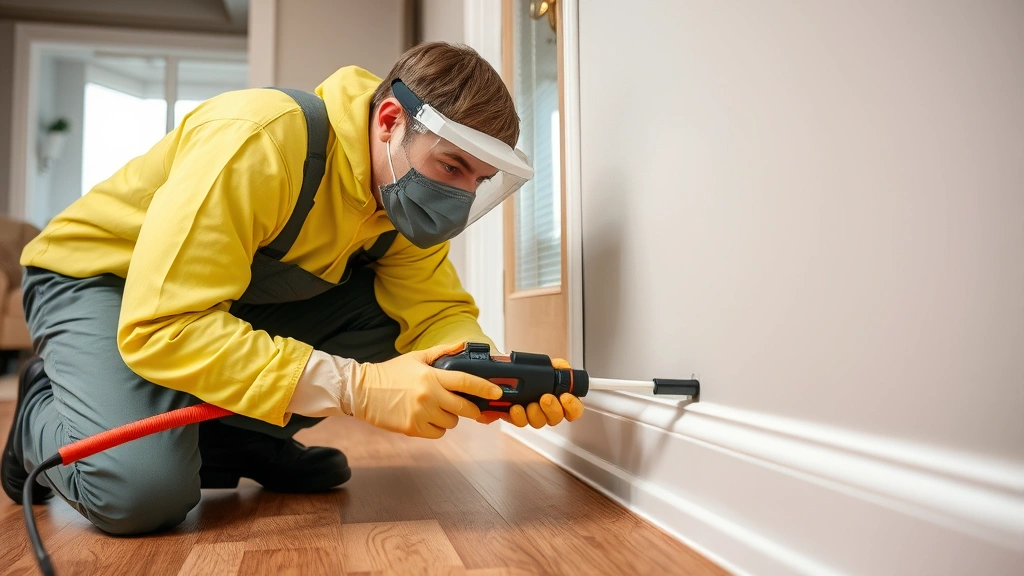
Professional exterminators have access to stronger treatments and deeper expertise. They can identify entry points and risk factors you might miss. They typically provide follow-up treatments to ensure complete elimination. For apartment dwellers, professional treatment coordinated with management can address building-wide infestations that DIY approaches can’t solve.
The investment in professional help often pays for itself through prevention of future infestations and peace of mind. According to the National Pest Management Association, professional treatment is significantly more effective than DIY approaches for established cockroach infestations.
Frequently Asked Questions
How long does it take to get rid of baby roaches?
The timeline depends on infestation severity and treatment approach. With aggressive DIY treatment and excellent sanitation, you might see improvement within one to two weeks. However, complete elimination typically takes three to four weeks because you need to eliminate multiple generations. Professional treatment often works faster, with noticeable improvement in one to two weeks and complete elimination within three weeks. Remember, you’re not just killing current roaches—you’re preventing new ones from developing.
Are baby roaches harder to kill than adults?
Baby roaches are actually more vulnerable to some treatments because their exoskeletons are softer. However, they’re harder to see and target, and they reproduce faster. Their small size allows them to hide in tinier spaces where treatments can’t reach them. The real challenge isn’t killing them individually—it’s finding them all and preventing reproduction.
Can baby roaches survive in clean homes?
Roaches strongly prefer dirty homes, but they can survive in clean ones if they have access to food, water, and shelter. A single crumb under an appliance, a leaky pipe, and a dark corner might be enough. This is why even meticulous housekeepers sometimes get roaches—often from external sources like new furniture or apartment transfers. Prevention is about minimizing opportunities, not achieving perfection.
Should I use pest control if I have babies or young children?
Yes, but with precautions. Roach infestations actually pose health risks to children through allergen exposure. Modern pest control products, when applied by professionals following safety guidelines, are generally considered safe around children. Always inform the pest control company about children and pets in your home. Ask about their safety protocols and keep children away from treated areas until dry. The health risks of an untreated infestation often outweigh the risks of properly applied professional treatment.
Why do baby roaches keep appearing if I’ve cleaned everything?
New roaches might be coming from outside sources or from eggs you haven’t eliminated. Egg casings are resilient and can hatch even after treatment. Continue treatment for at least three to four weeks to catch multiple generations. If roaches keep appearing despite thorough treatment, you might have entry points you haven’t identified, or roaches might be migrating from neighboring units (particularly in apartments). This is when professional assessment becomes valuable.
Do I need to throw away food if I find roaches?
Not necessarily, but use judgment. If roaches have visibly contaminated food, discard it. If you find roaches in sealed containers, the food inside is safe—just wash the container. Open packages or food stored improperly should be discarded. Once you’ve eliminated the infestation and implemented prevention strategies, you can confidently use your pantry again.
Can baby roaches transmit diseases?
While roaches can carry bacteria, they’re not primary disease vectors like mosquitoes or ticks. The greater health concern is allergen exposure. Roach feces and shed skin contain allergens that trigger asthma and allergies, particularly in children. This is especially concerning for kids with existing respiratory conditions. Eliminating roaches reduces allergen exposure and improves indoor air quality.