Baby Shower Cake Ideas: A Creative Guide to Sweet Celebrations
Let’s be honest—the cake is often the star of the show at any baby shower. It’s that delicious centerpiece that gets everyone talking, photographing, and coming back for seconds. Whether you’re the mom-to-be, a devoted friend, or someone tasked with planning the perfect celebration, choosing the right baby shower cake can feel surprisingly significant. After all, this isn’t just about sugar and frosting; it’s about creating a memorable moment that reflects the joy of welcoming a new little one.
The beauty of modern baby shower cakes is that they’ve evolved far beyond the traditional pastel-colored sheet cake. Today’s options range from whimsical and playful to elegant and sophisticated. You can go with trendy designs, incorporate personal touches, or stick with timeless classics that never disappoint. The key is finding something that aligns with your vision, fits your budget, and tastes absolutely divine.
This guide will walk you through everything you need to know about selecting, designing, and even creating your own baby shower cake. We’ll explore themes, flavors, decorating techniques, and practical considerations that’ll help you make a choice you’ll feel genuinely proud of.
Classic Baby Shower Cake Designs
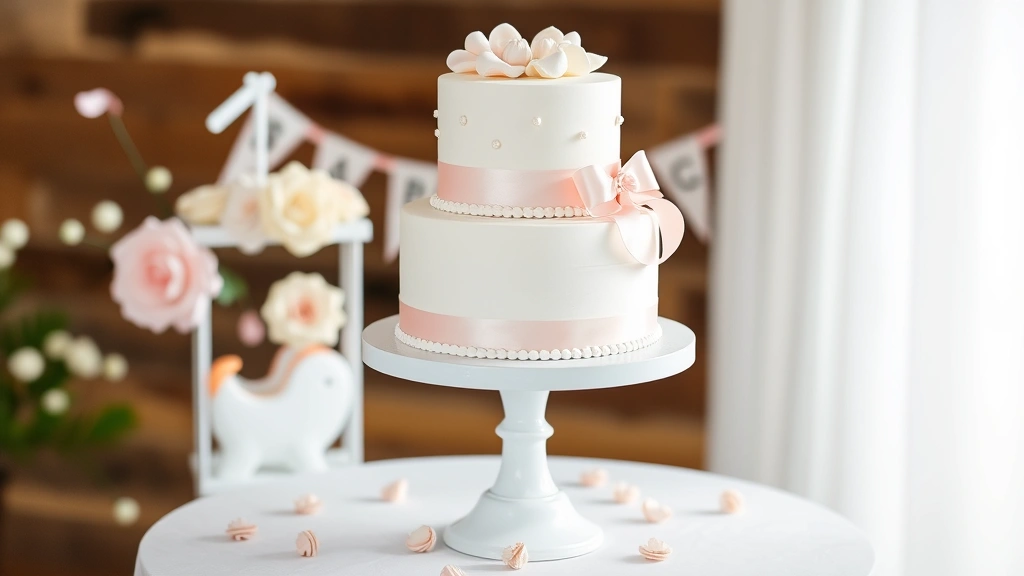
There’s something timeless about classic baby shower cake designs that keeps them popular year after year. These designs work because they’re universally appealing, easy to execute, and photograph beautifully. The traditional tiered cake—typically two or three layers—remains a dependable choice that works for virtually any shower aesthetic.
The vanilla or chocolate foundation with buttercream frosting is a crowd-pleaser for good reason. Soft pastels like pale pink, mint green, pale yellow, and soft blue continue to dominate the baby shower scene, and for good reason: they’re soothing, elegant, and complement almost any venue. You might consider a simple white cake with delicate pastel ribbons, subtle polka dots, or minimalist line details.
One enduring classic is the stacked cake with fondant covering and simple piped details. This style allows for clean lines and a polished appearance without requiring advanced decorating skills. Adding a simple topper—perhaps a little carriage, baby booties, or a sweet animal figure—elevates the look with minimal effort.
Another beloved option is the sheet cake, which offers practicality alongside charm. Sheet cakes are easier to serve, more budget-friendly, and can be just as visually stunning as their tiered counterparts. You can divide the surface into sections with different decorative elements, creating visual interest across the entire cake.
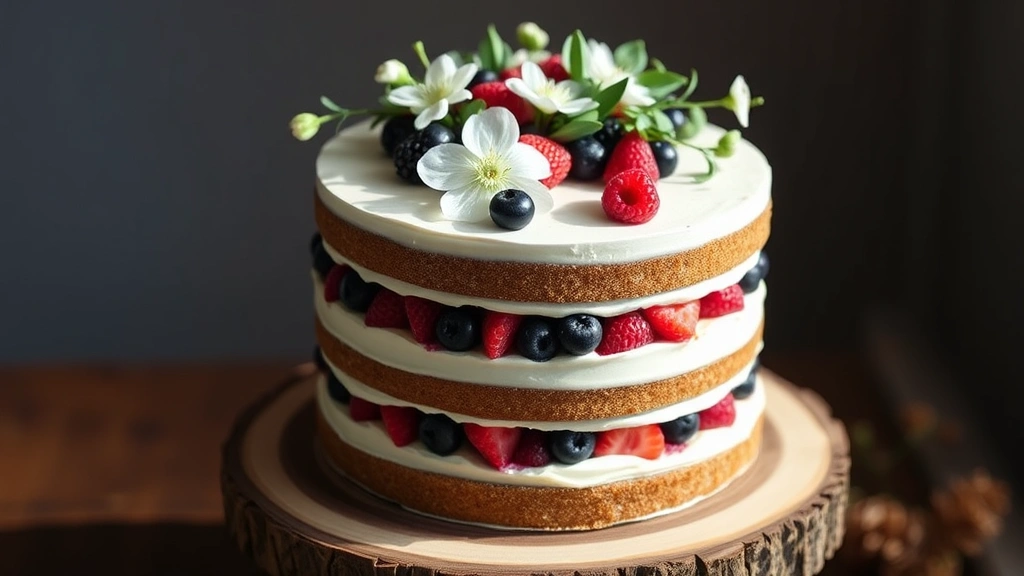
Don’t overlook the power of simplicity. A naked cake—where the layers and frosting are exposed—has become incredibly popular. The rustic aesthetic appeals to many parents-to-be and pairs beautifully with fresh flowers, greenery, or simple fruit garnishes. This style also tends to feel less formal, which can be perfect for more casual celebrations.
Themed Cake Ideas
Themed cakes transform your dessert into a storytelling element that ties your entire celebration together. When you’re planning other elements like baby shower decorations, choosing a cohesive theme makes everything feel intentional and polished.
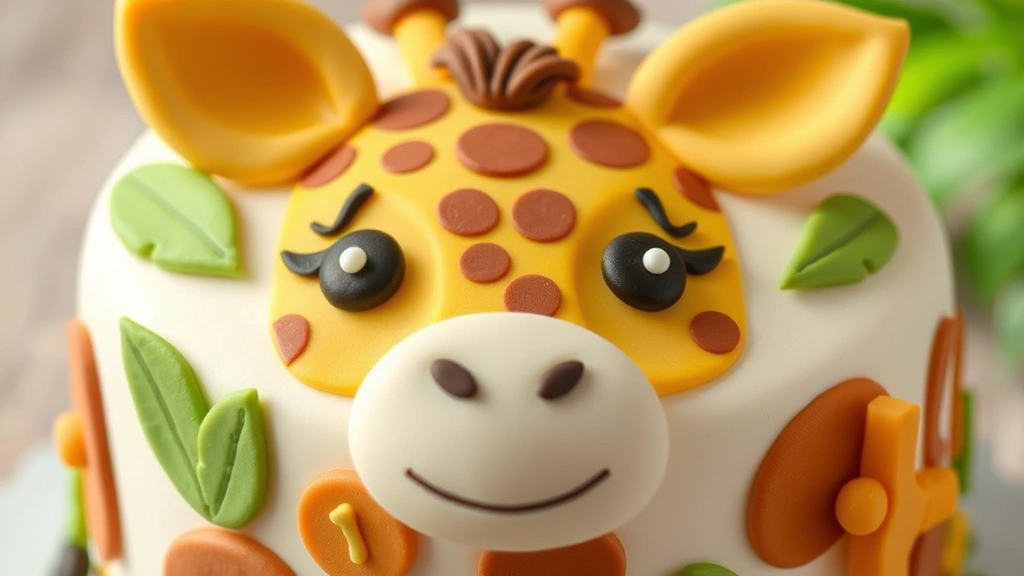
Animal-themed cakes remain incredibly popular and work for any gender. Elephant cakes with long trunks, adorable lion faces, or sleepy koalas create instant charm. You can create a jungle scene with multiple animals, or focus on a single creature as your main design element. Giraffe cakes with their distinctive spotted patterns are particularly striking and surprisingly forgiving to decorate.
Celestial themes have gained tremendous momentum in recent years. Moon and stars designs, complete with clouds and twinkling details, create a dreamy, magical atmosphere. These cakes work wonderfully with soft blues, silvers, and whites. You might incorporate a sleeping moon with a peaceful expression or scatter stars across multiple tiers.
For those planning a Winnie the Pooh baby shower, character cakes offer charming possibilities. Whether you’re featuring Pooh himself, Piglet, or Eeyore, these beloved characters translate beautifully into cake designs. You can create a scene with the whole gang or focus on a single character as your cake topper.
Rainbow cakes have become trendy and visually spectacular. Each layer features a different color, creating a surprise when you slice into it. This works particularly well for celebrations that embrace joy and playfulness. You can keep the frosting neutral to let the colorful layers shine, or coordinate the outside frosting with the theme.
Storybook themes work wonderfully if you’re incorporating children’s literature into your celebration. Designs featuring beloved books like “Where the Wild Things Are” or “The Very Hungry Caterpillar” appeal to literary-minded parents. These cakes often feature bright colors and whimsical illustrations.
For a more sophisticated approach, consider geometric designs with clean lines, triangles, and abstract shapes. These modern cakes appeal to design-conscious parents and photograph exceptionally well. Metallic accents like gold or copper add elegance without overwhelming the design.
Flavor Combinations That Impress
The flavor profile of your cake deserves as much consideration as its appearance. While vanilla remains a safe choice, there are numerous options that can elevate your baby shower cake from pleasant to memorable.
Lemon cake with raspberry filling and cream cheese frosting offers brightness and sophistication. This combination appeals to those who prefer lighter, fresher flavors and works beautifully during spring and summer celebrations. The tartness of lemon balanced with sweet raspberries creates complexity without being overly rich.
Chocolate cake with salted caramel filling has become increasingly popular and for good reason. The combination of rich chocolate with sweet-salty caramel appeals to a wide range of palates. This option works particularly well when you want to move beyond the traditional “baby shower cake” flavor profile.
Vanilla cake with fresh strawberry filling and whipped cream frosting is a timeless combination that never disappoints. Fresh fruit adds natural sweetness and pairs beautifully with light, airy frosting. This option feels elegant while remaining approachable.
Red velvet cake offers visual impact along with unique flavor. The subtle cocoa and tangy buttermilk create a distinctive taste that stands apart from standard vanilla or chocolate. Red velvet pairs beautifully with cream cheese frosting and works wonderfully for gender-neutral celebrations.
Almond cake with apricot filling provides subtle sophistication. This combination appeals to those seeking something slightly different from the mainstream options. Almond’s delicate flavor works well with light, buttercream frosting and pairs beautifully with floral decorations.
Don’t forget about dietary considerations. Many guests appreciate options for common allergies or preferences. Consider offering a small complementary cake that’s dairy-free, gluten-free, or vegan alongside your main cake. This inclusive approach ensures everyone feels welcomed.
When exploring baby shower food ideas, remember that your cake should complement the overall menu. If you’re serving rich appetizers, a lighter cake works better. If your menu is lighter, you have more flexibility with richer cake options.
DIY vs. Professional Bakery
The decision between creating your own cake and ordering from a professional bakery depends on several factors: your skill level, available time, budget, and the complexity of your vision.
Professional Bakery Benefits: Working with a skilled baker guarantees a polished result. Professional bakers have extensive experience with different designs, can execute intricate details, and understand cake stability and serving logistics. They’ll also handle delivery and setup, reducing your stress on shower day. For elaborate designs, custom toppers, or specialty flavors, professionals deliver consistency and reliability.
DIY Advantages: Creating your own cake offers personalization that’s difficult to achieve otherwise. You control every ingredient, ensuring quality and addressing dietary needs. There’s something deeply satisfying about serving something you’ve made yourself. DIY cakes also typically cost less, which matters if you’re working with a tight budget. Simple designs—like a naked cake with fresh flowers or a sheet cake with piped borders—are absolutely achievable for home bakers.
Hybrid Approach: Many people find success with a middle ground. You might purchase a plain cake from a bakery and add your own decorative touches. This approach combines professional quality with personal customization and often costs less than a fully custom design.
If you’re considering DIY, be realistic about complexity. Practice your design on a smaller cake first. Invest in quality tools: good offset spatulas, piping bags, tips, and a turntable make an enormous difference. Watch tutorial videos beforehand and give yourself adequate preparation time.
Consider the logistics of transport and setup. Professional bakers understand how to construct cakes so they travel safely. If you’re transporting your own creation, you’ll need appropriate boxes, careful driving, and time to reassemble and touch up the cake at the venue.
Decoration Techniques and Trends
Modern cake decoration offers numerous techniques that range from beginner-friendly to advanced. Understanding these options helps you choose something achievable or communicate your vision to a professional baker.
Buttercream Piping: Classic piped buttercream borders, flowers, and details remain popular because they’re beautiful and relatively forgiving. Buttercream is more affordable than fondant and tastes better to most people. Piping techniques range from simple dots and lines to elaborate roses and elaborate designs.
Fondant Covering: Fondant creates a smooth, polished appearance and allows for clean lines and intricate designs. It’s particularly useful for geometric patterns, precise lettering, and sculpted elements. However, fondant has a different texture than cake and frosting, and many people find it less appealing taste-wise.
Watercolor Technique: This trendy method uses diluted food coloring painted directly onto fondant or a white frosting base. The result looks artistic and watercolor-like, perfect for soft, ethereal celebrations. This technique requires a steady hand but doesn’t demand advanced piping skills.
Fresh Flower and Greenery Accents: Incorporating edible flowers or food-safe greenery adds natural beauty and sophistication. Roses, peonies, eucalyptus, and ferns create a garden-party aesthetic. Ensure any flowers used are pesticide-free and specifically grown for culinary use.
Drip Cakes: Chocolate or ganache drips cascading down the sides of a cake create visual drama and modern appeal. This technique works beautifully with contrasting colors and photographs exceptionally well. Despite looking complicated, drips are relatively simple to execute.
Ombré Coloring: Gradually transitioning from one color to another creates sophisticated visual impact. This technique works on frosting, fondant, or individual layers. Ombré designs feel contemporary and elegant.
When considering decorations, remember that less is often more. A few well-executed details create more impact than an overly busy design. The best cakes often feature one or two standout design elements rather than competing patterns and decorations.
Practical Planning Tips
Beyond aesthetics and flavor, several practical considerations ensure your cake arrives at the shower in perfect condition and serves everyone properly.
Timing and Ordering: Professional bakeries typically require 2-4 weeks’ notice for custom cakes. Order early, especially if your shower falls during busy seasons like spring. Confirm delivery dates and any setup requirements well in advance. If you’re making your cake yourself, plan to bake and decorate 1-2 days before the event.
Serving Size Calculations: Standard cakes serve approximately one person per slice, though this varies based on slice size and your other food offerings. A two-tier cake typically serves 50-75 people, while a three-tier cake serves 75-150. When planning your baby shower food menu, ensure your cake quantity aligns with guest count.
Storage and Temperature: Cakes require cool storage before serving. If your venue lacks refrigeration, discuss this with your baker. Buttercream-frosted cakes handle room temperature better than fondant-covered cakes. Avoid placing cakes in direct sunlight or near heat sources.
Display and Setup: Arrive early enough to set up your cake display. Use cake stands or tables positioned where guests can easily view and access the cake. Ensure you have appropriate serving utensils, plates, forks, and napkins readily available. Consider the cake’s placement relative to lighting for optimal photography opportunities.
Dietary Accommodations: When finalizing your cake choice, inquire about common allergens. Offer alternatives for guests with dietary restrictions. A small sheet of gluten-free or dairy-free cake alongside your main cake shows thoughtfulness without requiring an entirely separate celebration cake.
Budget Considerations: Baby shower cakes range from $50 for simple sheet cakes to $300+ for elaborate custom designs. Determine your budget early and communicate it clearly to your baker. Simple designs with fewer tiers, minimal decoration, and standard flavors cost less than intricate custom work. DIY options are typically most budget-friendly.
Coordinating with Other Elements: Your cake should complement your overall shower aesthetic. If you’re coordinating with baby shower favors or have a specific color scheme, ensure your cake aligns with these choices. Bring color samples or Pinterest images to your baker for reference.
Backup Plans: Have a contingency plan in case something goes wrong with your cake. Know your bakery’s policy on replacements. If making your own cake, practice your design beforehand and have a backup simple design ready if your primary vision doesn’t work out.
Frequently Asked Questions
How far in advance should I order a custom baby shower cake?
Most professional bakers require 2-4 weeks’ notice for custom cakes. During peak seasons (spring and early summer), booking 4-6 weeks ahead is wise. Place your order as soon as you’ve confirmed your shower date and finalized your design. This ensures availability and gives the baker adequate time to prepare your vision.
What’s the best way to transport a homemade cake to the venue?
Use a sturdy cake box specifically designed for transport. Place the cake on a non-slip mat inside the box to prevent sliding. Keep the box level while driving and avoid sudden movements. If possible, transport the cake after decorating all but final touches, then complete decoration at the venue. Bring a small frosting kit for touch-ups.
Can I have a cake made without dairy or gluten?
Absolutely. Many bakeries offer dairy-free and gluten-free options. Discuss your needs clearly with your baker and ask about their experience with these modifications. Some bakers specialize in dietary accommodations, while others may require additional notice. Taste samples before committing to ensure the quality meets your standards.
What’s the difference between fondant and buttercream frosting?
Fondant creates a smooth, polished appearance and allows for intricate designs and clean lines. It’s less forgiving with imperfections but offers professional polish. Buttercream is softer, more traditional, and most people prefer its taste. It’s more forgiving for home bakers and allows for beautiful piped details. Your choice depends on your desired aesthetic and taste preferences.
How many servings does a typical baby shower cake provide?
A standard two-tier cake serves approximately 50-75 people, while a three-tier cake serves 75-150 people. Serving size depends on how large you cut each slice. If your shower includes substantial food, smaller slices work fine. If cake is your main dessert, plan for larger slices and potentially more cake.
Should I match my cake to my baby shower theme?
It’s not mandatory, but coordinating your cake with your overall theme creates a cohesive celebration. However, a beautifully executed neutral cake works with virtually any theme. If you’re committed to a specific theme, ensure your cake complements it without feeling forced. Sometimes a classic cake with coordinated colors is more elegant than a heavily themed design.
What’s the best way to display my cake for photos?
Position your cake on an appropriate cake stand or table at eye level for optimal photography. Ensure good lighting—natural light is ideal, but avoid direct sunlight which can create harsh shadows. Consider a simple backdrop or positioning the cake where your venue’s best features are visible behind it. Clear the area immediately around the cake so it’s the focal point.
Can I make a baby shower cake the day before the event?
Yes, most cakes actually improve when made a day ahead. Unfrosted cakes can be baked 2-3 days ahead and frozen. Frosted cakes are best completed 1-2 days before serving. Store cakes in cool conditions away from direct sunlight. Buttercream-frosted cakes handle room temperature better than fondant-covered cakes, which should remain cooler.