How to Choose a Baby Snowsuit: A Parent’s Guide
Winter baby shopping can feel overwhelming—there are seemingly endless options, conflicting advice, and genuine safety concerns to consider. But here’s the truth: choosing the right baby snowsuit doesn’t require a degree in textile engineering or a trust fund. It requires knowing what actually matters and what’s just marketing fluff.
Whether you’re preparing for your first winter with a newborn or upgrading your toddler’s gear, this guide walks you through the practical decisions that’ll keep your little one warm, comfortable, and actually willing to go outside. We’ll skip the unnecessary jargon and focus on what real parents need to know.
The stakes feel high because, well, they kind of are—but not in the way you might think. It’s less about finding the “perfect” suit and more about understanding your climate, your baby’s needs, and how different materials actually perform when temperatures drop.
One-Piece vs. Two-Piece Snowsuits
The first decision you’ll face is fundamental: do you want a one-piece suit or a two-piece system? This isn’t just aesthetic preference—it genuinely affects how you’ll use the gear and what works best for your lifestyle.
One-piece snowsuits offer simplicity and complete coverage. You zip up your baby, and you’re done. There’s no gap at the waist where winter air sneaks in, and they look adorably bundled. The downside? Diaper changes become a production. You’re essentially undressing your baby in the cold or attempting gymnastics-level maneuvering. For quick outdoor sessions—a walk around the block, waiting outside for school pickup—one-piece works beautifully. For longer outings where you might need bathroom breaks or diaper changes, it’s frustrating.
Two-piece systems (jacket and snowpants) offer flexibility that one-piece simply can’t match. You can adjust layers independently, manage diaper changes without stripping everything off, and use pieces separately as your baby grows or as the season transitions. The trade-off is that gaps between pieces are inevitable, and you’re managing more items. For families juggling multiple kids or longer winter activities, two-piece usually wins.
Consider your typical winter routine. Are you bundling baby into the car seat for short trips, or are you spending extended time outdoors? If you’re in a climate where you’re outside frequently and for longer stretches, two-piece flexibility saves your sanity.
Material Matters: What to Look For
The material of your baby snowsuit determines how warm, breathable, and durable it’ll be. This isn’t where you want to compromise.
Synthetic insulation (polyester, nylon blends) dominates the market for good reason. It’s affordable, performs well when wet, and dries quickly. Brands often use proprietary names—Thermolite®, PrimaLoft®, or similar—but they’re essentially engineered to trap warm air while remaining lightweight. For most families, synthetic insulation is your best value.
Down insulation offers superior warmth-to-weight ratio, but comes with caveats. It’s more expensive, loses insulating properties when wet, and requires careful maintenance. If you live in a dry climate and can afford the premium, down is luxurious. If you’re in a region with wet snow or unpredictable weather, synthetic performs better.
Outer shell material matters as much as insulation. Look for water-resistant or waterproof fabrics—typically nylon or polyester blends treated with water-repellent coatings. Your baby will inevitably sit in snow, fall, and get wet. A quality shell keeps moisture from seeping into the insulation layer where it destroys warmth.
Check the stitching quality. Are seams sealed? Are they double-stitched? Cheap construction fails exactly when you need it most—mid-January when replacement options are limited and your baby’s cold.
The lining matters too. Soft, breathable linings (often fleece or brushed polyester) prevent moisture buildup from sweat. Avoid slick nylon linings that trap moisture against baby’s skin.

Fit and Safety Considerations
Proper fit is where many parents make costly mistakes, and the error usually goes in one direction: buying too big.
The logic is understandable—you want your child to wear the suit for multiple seasons, and kids grow quickly. But oversized snowsuits compromise safety and warmth. When a suit is too large, insulation compresses unevenly, reducing effectiveness. Your baby can’t move properly, which matters for balance and coordination as they’re learning to walk. Most critically, oversized snowsuits can interfere with car seat safety—a major concern that deserves serious attention.
The American Academy of Pediatrics and car seat safety experts specifically warn against bulky winter coats worn inside car seats. The thick material compresses in a crash, creating dangerous gaps between the harness and your child’s body. The recommended solution: use a snug-fitting snowsuit or layer appropriately, then place a blanket over the harness after securing.
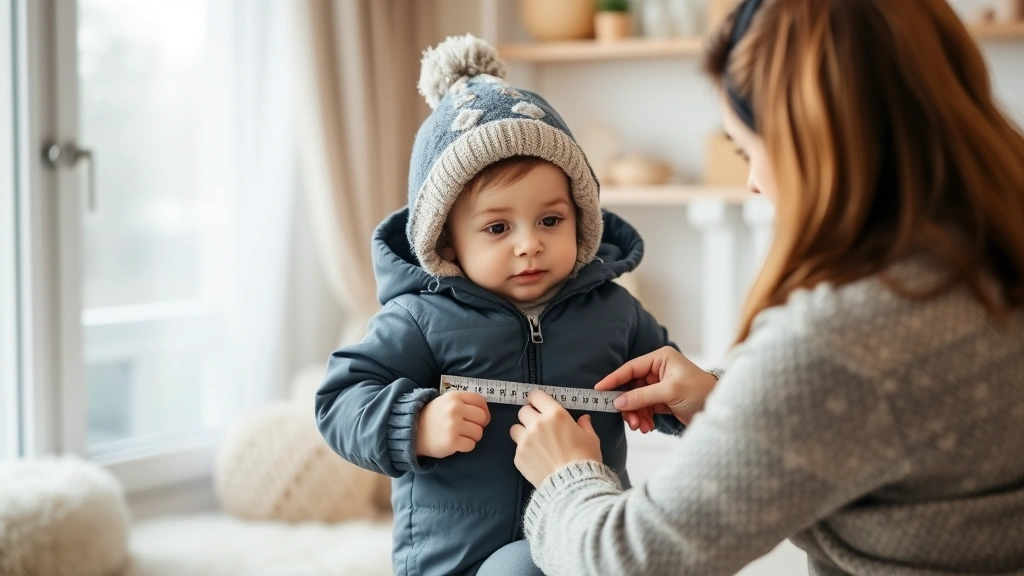
Measure your baby wearing typical base layers (long-sleeved shirt and leggings). The suit should fit snugly enough that you can fit one finger between the collar and neck, and sleeves should end just above the wrist bone when arms are extended. Room for growth is acceptable—maybe half an inch in sleeve and pant length—but not the 2-3 inches many parents assume necessary.
Wrist and ankle cuffs should seal reasonably well to prevent snow from entering. Elastic or velcro closures work; drawstrings are convenient but can be a safety hazard if they’re not properly secured.
Check for reflective elements, especially if your baby will be outside during limited daylight hours. Reflective strips on snowsuits aren’t just nice—they’re practical safety features that improve visibility to vehicles and other hazards.
Climate Considerations and Temperature Ratings
Not all snowsuits are created equal, and manufacturers don’t always use consistent temperature ratings. Understanding what you actually need prevents both over-buying and under-preparing.
For moderate winters (15-30°F / -9 to -1°C): A standard insulated snowsuit with 100-200g insulation handles most situations. This covers most regions that get snow but don’t experience extended extreme cold. This is your “average” snowsuit, and it’s what most families need.
For cold winters (0-15°F / -18 to -9°C): You want 200-300g insulation or equivalent synthetic fill. At these temperatures, layering becomes important—a thermal base layer under the suit makes a real difference. Your baby will also need quality baby hats and baby booties to protect extremities.
For extreme cold (below 0°F / below -18°C): You’re looking at premium suits with 300g+ insulation or down alternatives, plus comprehensive layering. At these temperatures, limit outdoor exposure time, especially for infants. This is where you’re combining snowsuit with other protective gear and making smart choices about when to stay inside.
Consider your typical outdoor exposure. If you’re mostly dashing between car and indoors, you can go lighter than someone who enjoys winter hiking or extended park time. Your climate zone, not just temperature, matters—wet snow at 25°F is more challenging than dry snow at 0°F.
Features That Actually Work
Beyond basic insulation and fit, certain features genuinely improve functionality. Others are marketing.
Removable liners: These are genuinely useful. When your baby comes inside sweaty and wet, you can remove the liner to dry separately. This extends the life of the suit and prevents mildew. If you’re investing in a quality suit, removable liners add real value.
Waterproof/breathable membranes: Look for these in the outer shell. They keep moisture out while allowing sweat vapor to escape. This prevents the clammy feeling that happens when insulation traps body moisture. Brands like Gore-Tex exist in baby gear too, though generic waterproof-breathable treatments work fine for most situations.
Reinforced seat and knees: If your baby crawls or is learning to walk in the suit, reinforced high-wear areas prevent premature wear. It’s a practical feature that extends durability.
Mittens and booties: Built-in mittens and booties are convenient but often less effective than separate pieces. Babies outgrow gloves quickly, and integrated ones mean replacing the entire suit. Separate booties and mittens offer flexibility. That said, if the suit includes quality integrated pieces and you’re only keeping it one season, it’s fine.
Two-way zippers: These allow you to unzip from the bottom for diaper changes without undressing your baby completely. If you’re choosing a one-piece suit, two-way zippers are genuinely valuable.
Avoid marketing fluff: Magnetic closures on mittens, trendy color patterns, branded logos—these don’t affect performance. They affect price. Choose based on function first, aesthetics second.
Budget Breakdown and Value
Baby snowsuit prices range from $40 to $400+, and the difference isn’t always proportional to quality.
Budget tier ($40-80): Walmart, Target, and similar retailers offer basic snowsuits that work perfectly fine for occasional use. Insulation is adequate, materials are serviceable, and they’ll keep your baby warm for moderate winters. The trade-off is durability and long-term value. These suits may not hold up to multiple kids or seasons of heavy use.
Mid-range ($80-150): This is where you find genuine quality. Brands like Columbia, Land’s End, and similar offer better insulation, improved water resistance, and construction that lasts. For most families, this range offers the best value. A suit here will likely handle 2-3 kids or 3-4 seasons of use.
Premium tier ($150-300+): High-end brands offer superior materials, often with down insulation, enhanced waterproofing, and design details that make life easier. These suits are investments that hold up beautifully but require proper care. They make sense if you have multiple young children or plan to use them for many seasons.
Consider your actual usage. If you live in a region where winters are short or you spend most winter days indoors, a budget-tier suit works fine. If you have multiple children or plan to save the suit for future kids, investing in mid-range or premium makes financial sense.
Also consider that snowsuits make excellent baby shower gift ideas or baby registry must haves. If you’re expecting, asking for a quality suit is completely reasonable. Friends and family appreciate specific, practical suggestions.
Care and Maintenance Tips
Proper care extends your snowsuit’s life and maintains its performance.
After each use: Brush off excess snow and allow the suit to dry completely before storing. If it’s very wet, hang it in a warm room (not direct heat) to air dry. Never put a wet snowsuit directly into a closet or storage bin—mildew will develop.
Washing: Check the manufacturer’s instructions, but most snowsuits can be machine washed on gentle cycle with mild detergent. Use cold water and avoid fabric softeners, which compromise water-repellency. Some suits require hand washing or dry cleaning; the investment-level suits often do.
Drying: Air drying is safest. Tumble dryers can damage insulation and water-repellent coatings. If you must use a dryer, use the lowest heat setting and remove promptly.
Storage: Clean and completely dry before storing. Use a breathable garment bag or container (not plastic, which traps moisture). Store in a cool, dry place. Many parents store off-season gear in under-bed storage containers—this works fine as long as the area stays dry.
Waterproofing refresh: Over time, water-repellent coatings wear off. You can refresh them with commercial treatments designed for technical fabrics. This is particularly worth doing for mid-range and premium suits you plan to use multiple seasons.
If your baby spends significant time in the suit, consider having two suits so one can be drying while the other is in use. This prevents the rushed drying that damages materials.
Frequently Asked Questions
At what age can babies wear snowsuits?
Newborns and young infants can wear snowsuits, but the American Academy of Pediatrics recommends limiting outdoor exposure for very young babies, especially in extreme weather. For babies under 3 months, brief outdoor time in a quality suit is fine, but extended winter outings are better suited to older infants. Once babies are crawling and walking, snowsuits become more practical and comfortable for them.
Can I use a regular winter coat instead of a snowsuit?
Not ideally. Snowsuits are designed specifically for snow play and extended cold exposure. Regular winter coats leave gaps at the waist and don’t provide the same coverage. For quick trips in and out of the car, a coat works. For actual snow time, a snowsuit provides better insulation and coverage. If you’re choosing between buying a snowsuit or using a coat, snowsuit is the better investment.
How do I know if my baby is warm enough?
Check the back of the neck and between the shoulder blades—these areas should feel warm but not hot or sweaty. Cold extremities are normal; focus on core temperature. If your baby is shivering, moving stiffly, or resistant to going outside, they’re probably cold. If they’re sweating or trying to remove layers, they’re too warm. You’ll develop intuition quickly.
Should I buy a snowsuit that’s too big for growth?
No, not for car seat safety and functional reasons. Buy for current size with maybe half an inch of growth room. Oversized suits compromise warmth and car seat safety. Plan to purchase new suits as your baby grows, or buy used suits in different sizes and rotate as needed. This is actually more economical than buying one oversized suit.
What should my baby wear under a snowsuit?
Thermal base layers (long-sleeved shirt and leggings) work well under snowsuits. Avoid cotton, which retains moisture. Merino wool or synthetic thermal layers wick moisture and provide additional warmth. For moderate winters, a regular long-sleeved shirt and pants under the suit is sufficient. In extreme cold, add thermal layers. Socks matter too—wool or synthetic, not cotton.
Can I use the same snowsuit for a boy and girl?
Absolutely. While baby girl clothes and baby boy clothes have stylistic differences, snowsuits are functionally identical. Color and design are aesthetic choices. If you’re planning to use a suit for multiple children, choose neutral colors and durable construction that transcends gender expectations.
What’s the difference between insulation ratings like 100g and 200g?
The “g” refers to grams of insulation material per square meter. Higher numbers mean more insulation and warmth for colder temperatures. 100g suits work for mild winters; 200g handles moderate cold; 300g+ is for extreme cold. You don’t necessarily need the highest rating—match it to your climate. More insulation also means bulkier suits and less mobility.
Are expensive snowsuits worth it?
For most families, mid-range snowsuits ($80-150) offer the best value. Premium suits ($150+) are worth it if you have multiple young children, plan to use the suit many seasons, or live in extreme climates. For single-child families with mild winters, budget and mid-range options are perfectly adequate.