Bernat Baby Blanket Yarn: Everything You Need to Know
If you’ve ever scrolled through a craft store or browsed online yarn suppliers, you’ve probably encountered Bernat Baby Blanket yarn. It’s become something of a phenomenon in the crafting world, particularly among parents and gift-givers looking to create something special for the littlest members of the family. But what exactly makes this yarn so popular, and is it really worth the hype?
The answer is more nuanced than a simple yes or no. Bernat Baby Blanket yarn has legitimate strengths that appeal to both seasoned crocheters and complete beginners, but it also comes with quirks and considerations that every potential buyer should understand before investing their time and money.
Whether you’re planning to whip up a cozy baby blanket for a nursery, searching for thoughtful baby shower gift ideas, or simply curious about what makes this yarn tick, we’ve compiled everything you need to know to make an informed decision.
What Is Bernat Baby Blanket Yarn?
Bernat Baby Blanket yarn is a super bulky acrylic yarn specifically designed for creating soft, cuddly blankets and similar projects. It’s manufactured by Bernat, a well-established yarn brand owned by Spinrite (the same company behind Caron and Red Heart yarns). The product line launched to fill a specific niche: creating blankets quickly without requiring extensive crafting experience.
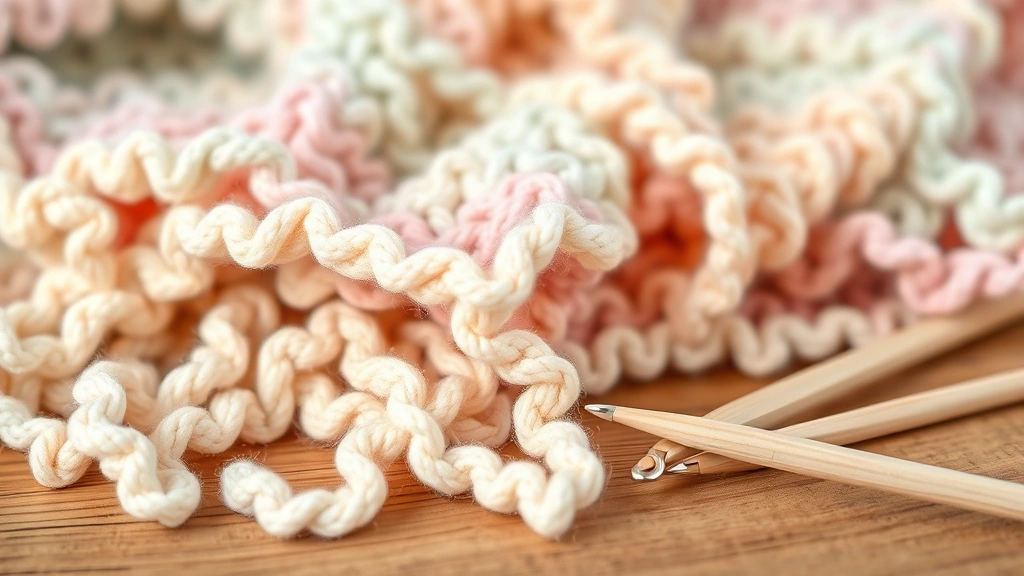
What sets this yarn apart from standard yarn is its unique texture and construction. It’s not your grandmother’s yarn—it feels more like working with a cloud of fluff than traditional yarn fibers. The texture is intentionally soft and bulky, designed to mimic the feel of a plush blanket even while you’re still working on it.
The yarn comes in generous skeins (typically 10.5 ounces), and because of its super bulky weight, a single skein goes surprisingly far. This means projects come together quickly, which appeals to crafters of all skill levels.
Fiber Composition and Material Quality
Bernat Baby Blanket yarn is 100% acrylic, which immediately tells you several important things about its characteristics and suitability for different needs.
Acrylic Benefits: Acrylic fiber is hypoallergenic, making it safer for babies with sensitive skin or allergies. It’s also machine-washable and durable, which matters tremendously when dealing with items that will face frequent laundering. The fiber doesn’t pill easily, and it holds its shape well over time. For parents concerned about allergens or those with babies prone to reactions, acrylic can be a legitimate advantage.
Acrylic Considerations: Some fiber purists argue that acrylic lacks the natural breathability of wool or cotton. However, for personalized baby blankets meant for decoration rather than active sleeping use, this matters less. Additionally, acrylic doesn’t regulate temperature as effectively as natural fibers, though modern acrylic blends have improved significantly.
The quality of Bernat’s acrylic is respectable for the price point. It’s soft enough for sensitive baby skin, and the fiber has been treated to minimize shedding and pilling, two common complaints with cheaper acrylic options.
Weight, Yardage, and Project Specifications
Understanding the technical specifications helps you plan projects accurately and manage expectations about how much yarn you’ll need.
Each skein of Bernat Baby Blanket yarn contains approximately 220 yards (201 meters) and weighs 10.5 ounces (300 grams). This super bulky weight means the yarn is thick and chunky—typically requiring size US 10-11 needles or size J-K crochet hooks, though many crafters find they prefer slightly larger hooks for easier working.
The gauge (stitches per inch) typically measures around 6-8 stitches per 4 inches with recommended hook sizes. However, because this yarn is so forgiving and chunky, gauge becomes less critical than with finer yarns. Most patterns will work even if your gauge isn’t perfectly matched.
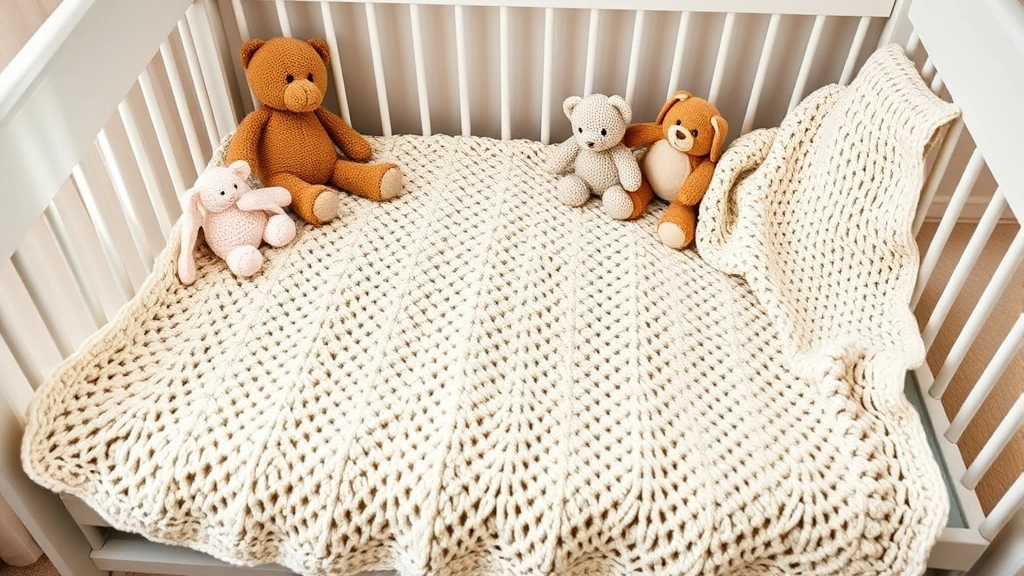
For project planning, here’s a practical breakdown: A standard baby blanket size (approximately 30×40 inches) typically requires 3-5 skeins, depending on the stitch pattern and desired density. A larger blanket (40×50 inches) might need 5-7 skeins. This quick yardage consumption is why Bernat Baby Blanket yarn is so appealing for gift-makers working on tight timelines.
Color Options and Availability
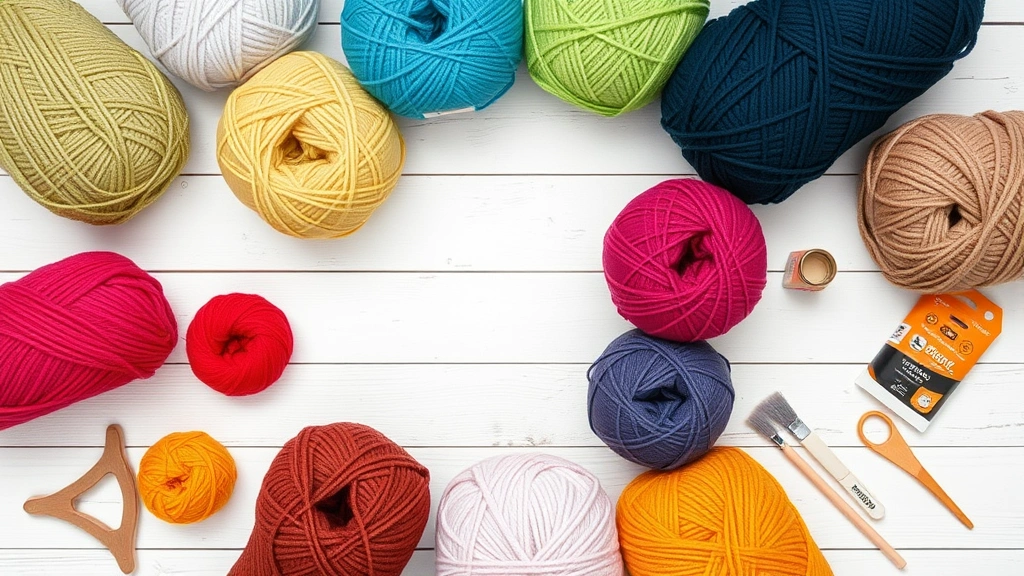
Bernat offers an extensive color palette that changes seasonally, though certain classics remain consistently available. Standard year-round colors include white, gray, yellow, pink, blue, and green in various shades. Limited edition colors rotate throughout the year, often tying to seasonal themes or trending home décor palettes.
The color selection is one of the yarn’s genuine strengths. Whether you’re creating a monochromatic blanket or planning a color-blocked design, you’ll likely find suitable options. The colors are vibrant and consistent within skeins, though slight variations between dye lots can occur (as with any yarn).
One practical tip: if you’re planning a project requiring multiple skeins, purchase all your yarn at once to ensure matching dye lots. If you need to buy additional yarn later, check the dye lot numbers on the labels and try to match them exactly.
Advantages of Using Bernat Baby Blanket Yarn
Speed and Gratification: The super bulky weight means projects finish remarkably quickly. A blanket that might take weeks with standard yarn can be completed in days or even hours. This instant gratification appeals to beginners who might otherwise lose motivation partway through a project.
Beginner-Friendly: Large stitches are easier to see and correct, making this yarn forgiving for people learning to crochet or knit. Mistakes are visible but also easier to fix without completely unraveling your work.
Soft and Tactile: The yarn genuinely feels luxurious. It’s soft to the touch both while working and in the finished product, which creates a sensory experience that appeals to both crafters and blanket recipients.
Hypoallergenic: The acrylic composition makes it suitable for babies with sensitive skin or allergies, addressing a real concern for many parents.
Low Maintenance: Unlike wool or natural fibers, Bernat Baby Blanket yarn is machine-washable on gentle cycles and dries quickly. This practicality matters when creating items for babies who will inevitably spill, spit up, or have diaper accidents.
Affordable: Compared to high-quality natural fiber yarns, Bernat Baby Blanket is reasonably priced, making it accessible for budget-conscious crafters or those creating multiple gifts.
Limitations and Drawbacks
Acrylic Texture Concerns: Some parents prefer natural fibers for items in direct contact with baby skin. While acrylic is hypoallergenic, it doesn’t breathe like cotton or wool, which can matter for active-use blankets rather than decorative ones.
Limited Stitch Definition: The yarn’s bulk and soft texture can obscure stitch details. Intricate stitch patterns won’t show as clearly as they would with finer yarn, limiting design possibilities if you prefer complex textures.
Splitability: Crafters occasionally report that the yarn can be difficult to work with due to splitting on the hook or needle. This typically improves with practice and hook size adjustments, but it frustrates some users initially.
Not Ideal for Shaping: Because the yarn is so chunky and stiff, creating fitted garments or items requiring precise shaping is challenging. The yarn wants to hold its shape in thick, bulky ways.
Storage and Transport: While each skein isn’t enormous, the super bulky nature means finished projects take up significant space. Storing multiple projects or transporting a finished blanket requires more room than equivalent yardage in finer yarn.
Environmental Considerations: As 100% acrylic, the yarn isn’t biodegradable or sustainably sourced (though Bernat has made efforts toward more responsible manufacturing practices). Environmentally conscious crafters might prefer natural fiber alternatives.
Choosing the Right Baby Blanket Size with This Yarn
Selecting appropriate dimensions depends on your intended use and available time. Understanding how yarn consumption scales with blanket dimensions helps you plan realistically.
Mini Blankets (20×20 inches): Perfect for stroller blankets or tummy time mats. These require just 1-2 skeins, making them ideal for quick projects or when you’re testing a new pattern.
Standard Crib Blankets (30×40 inches): This is the classic baby blanket size, suitable for crib use or general nursery décor. Most standard patterns are designed for this dimension, requiring 3-5 skeins depending on stitch density.
Large Blankets (40×50 inches or larger): These work well for floor play, as a couch throw, or for growing toddlers. Expect to use 5-8 skeins. These larger blankets make impressive baby shower gift ideas that feel substantial and special.
When calculating yardage for custom-sized blankets, multiply the approximate stitch count per row by the number of rows you plan to make, then divide by your stitch gauge. Bernat’s website provides helpful calculators for this, or you can work with the general rule that each skein covers approximately 40-50 square inches with standard single crochet.
Project Ideas and Patterns
While Bernat Baby Blanket yarn excels at blankets, its versatility extends to numerous projects. Understanding which projects showcase the yarn’s strengths helps you choose suitable patterns.
Ideal Projects: Simple blankets with basic stitches (single crochet, double crochet, half double crochet), chunky scarves, baby cocoons, receiving blankets, play mats, and quick pillows all work beautifully with this yarn. The simplicity of stitch patterns actually enhances the final product because the yarn’s texture becomes the visual focus.
Less Ideal Projects: Complicated lacework, garments requiring fitted shaping, amigurumi, or projects where stitch definition matters significantly will be less successful. The yarn’s bulk makes these projects frustratingly difficult.
Pattern Resources: Ravelry, a free online database of knitting and crochet patterns, hosts thousands of designs specifically tested with Bernat Baby Blanket yarn. Searching “Bernat Baby Blanket” there yields patterns ranging from simple stripes to color-blocking designs. Many patterns are free, while others cost a small amount (typically $1-3).
Bernat’s official website also provides free patterns specifically designed for their yarn, with difficulty levels ranging from beginner to advanced.
Care and Maintenance Instructions
Proper care extends the life of Bernat Baby Blanket projects and maintains their softness and appearance. Fortunately, acrylic yarn is notably low-maintenance.
Washing: Machine wash on gentle cycle using cool or warm water (not hot). Use mild detergent—avoid bleach and fabric softeners, which can damage acrylic fibers and reduce softness. Many crafters prefer baby-safe detergents for items that will contact baby skin directly.
Drying: Machine dry on low heat or air dry completely. Acrylic can melt or warp on high heat, so low temperatures are essential. Many crafters prefer laying blankets flat to dry to prevent stretching, though tumble drying on low is generally safe.
Storage: Store in a cool, dry place away from direct sunlight, which can fade colors over time. Sealed plastic containers work well for long-term storage, though breathable cotton bags are preferable if storing for extended periods.
Pilling: While Bernat’s acrylic resists pilling better than cheaper alternatives, some light pilling may occur, especially with frequent washing. A fabric shaver or gentle brushing with a soft-bristled brush removes pills without damaging the underlying fabric.
Stain Treatment: For fresh stains, rinse immediately with cool water. For set-in stains, pre-treat with a gentle stain remover before washing. Acrylic’s synthetic nature means it resists some stains better than natural fibers but can be prone to grease stains.
How It Compares to Other Baby Yarns
Understanding how Bernat Baby Blanket yarn stacks up against alternatives helps you make informed choices based on your priorities.
vs. Red Heart Yarn: Red Heart offers similar super bulky options, but many crafters find Bernat Baby Blanket softer and more specifically designed for blanket projects. Red Heart tends toward thinner bulky weights requiring smaller projects or more yarn per blanket.
vs. Caron Cakes: Caron Cakes offers beautiful color variations but is finer than Bernat Baby Blanket (typically bulky rather than super bulky weight). Caron projects take longer but offer more stitch definition and are better for fitted garments. Caron is more expensive per skein but offers longer yardage.
vs. Natural Fiber Yarns (Cotton/Wool): Merino wool and cotton alternatives are breathable and hypoallergenic but significantly more expensive. They require more careful care (often hand-washing) and don’t work as quickly. For budget-conscious crafters or beginners, Bernat offers better value. For luxury items or temperature-sensitive applications, natural fibers might justify the extra cost.
vs. Bernat Blanket Yarn (Original): Bernat also makes a standard “Blanket” yarn (not “Baby Blanket”). The original is thinner and requires more yarn per project but offers better stitch definition. The Baby Blanket version is bulkier and faster but less detailed. Choose based on whether speed or detail matters more for your project.
For those researching baby registry must haves or considering handmade gifts, Bernat Baby Blanket yarn offers excellent value and achieves results that look professionally made despite beginner-friendly construction.
Frequently Asked Questions
Is Bernat Baby Blanket yarn safe for newborns?
Yes, Bernat Baby Blanket yarn is safe for newborns. The 100% acrylic composition is hypoallergenic and has been tested for safety standards. However, handmade blankets shouldn’t be used in cribs during sleep (per American Academy of Pediatrics guidelines for safe sleep), but they’re perfect for tummy time, play, stroller use, or nursery decoration. Always supervise infants with blankets and follow safe sleep recommendations.
How many skeins do I need for a standard baby blanket?
A standard 30×40 inch baby blanket typically requires 3-5 skeins, depending on your stitch pattern and personal tension. Simple single crochet uses less yarn than textured stitches. Most patterns specify exact yardage requirements, so check before purchasing. It’s always smart to buy one extra skein to ensure you don’t run short.
Can I use Bernat Baby Blanket yarn for knitting?
Yes, you can knit with Bernat Baby Blanket yarn, though it’s technically designed for crochet. The yarn works but can be challenging with knitting needles because of its bulk and texture. Crochet is generally more forgiving with this particular yarn, but knitters successfully use it with larger needles (US 10 and up). Start with simple stockinette stitch patterns if you’re new to knitting with this yarn.
Does this yarn shed or pill?
Bernat Baby Blanket yarn resists shedding and pilling better than budget acrylic options, though some light pilling may occur with frequent washing. Pilling is normal with acrylic and doesn’t indicate poor quality. A fabric shaver removes pills easily without damaging the blanket. Proper washing on gentle cycles minimizes pilling.
What’s the difference between Bernat Baby Blanket and regular Bernat Blanket yarn?
Bernat Baby Blanket is super bulky (220 yards per 10.5 oz skein), while regular Bernat Blanket is bulky weight (300 yards per 10.5 oz skein). Baby Blanket is thicker, bulkier, and faster to work with. Regular Blanket offers more stitch definition and slightly longer yardage per skein. Choose Baby Blanket for quick projects, regular Blanket for more detailed work.
Is Bernat Baby Blanket yarn environmentally friendly?
Bernat Baby Blanket is 100% acrylic, which isn’t biodegradable or sourced from renewable resources. However, Bernat has made efforts toward more sustainable manufacturing practices. If environmental impact is a priority, consider natural fiber alternatives like cotton or bamboo yarn, though these come at higher cost and require more careful care.
Can I machine wash blankets made from this yarn?
Yes, absolutely. Machine wash on gentle cycle with cool or warm water using mild detergent. Machine dry on low heat or air dry. This ease of care makes Bernat Baby Blanket yarn practical for items that will face frequent washing, unlike many premium natural fiber yarns requiring hand-washing.
Where can I buy Bernat Baby Blanket yarn?
Bernat Baby Blanket yarn is widely available at craft stores (Michaels, Joann, Hobby Lobby), online retailers (Amazon, Etsy, yarn specialty shops), and big-box stores (Walmart, Target). Prices typically range from $4-6 per skein, though sales and coupons frequently bring costs lower. Buying online offers the best color selection, though in-store purchases let you feel the yarn before committing.
What’s the best crochet hook size for this yarn?
Bernat recommends size J-K (6-6.5mm) crochet hooks. However, many crafters prefer slightly larger hooks (L-M) for easier working and a looser drape. Experiment to find your preference—the yarn is forgiving enough that slight gauge variations won’t ruin projects. Larger hooks create faster projects with a more open texture, while smaller hooks create denser, more structured blankets.
Can I mix different colors for color-blocking projects?
Yes, color-blocking with different Bernat Baby Blanket colors looks stunning. Purchase skeins from the same dye lot when possible to ensure color consistency. Color-blocked blankets make especially impressive baby shower gift ideas. Plan your color scheme in advance and arrange yarn colors before starting to visualize the final effect.