Best Baby Swing: Top Picks for 2023
If you’re expecting or have a newborn, you’ve probably heard the phrase “a baby swing is a lifesaver” more times than you can count. And honestly? It’s not an exaggeration. A quality baby swing can be the difference between a peaceful afternoon and complete chaos—for both baby and parents.
But here’s the thing: not all swings are created equal. The market is flooded with options ranging from simple plug-in models to elaborate contraptions with more features than your car. So how do you know which one actually deserves a spot in your nursery? We’ve done the research, tested the claims, and compiled a guide to help you find the best baby swing for your family’s specific needs.
Whether you’re a first-time parent overwhelmed by choices or a seasoned caregiver looking for an upgrade, this comprehensive guide breaks down everything you need to know about selecting the perfect swing for your little one.
Why Baby Swings Matter More Than You Think
Let’s be real: parenting is exhausting. Between feeding, diaper changes, and the constant need to be vigilant, your arms—and your sanity—need a break. A baby swing provides exactly that, but it’s so much more than just a convenience tool.
Research shows that gentle, rhythmic motion can help soothe infants and promote better sleep. The American Academy of Pediatrics acknowledges that age-appropriate motion devices can support infant comfort when used safely and appropriately. The repetitive swinging motion mimics the sensation babies experienced in the womb, triggering their natural calming response.
Beyond soothing, a swing serves practical purposes too. It gives you hands-free time to shower, prepare meals, or simply sit down with a cup of coffee—which, let’s face it, is therapeutic in itself. When you’re part of the essential baby registry must-haves, a quality swing becomes a non-negotiable investment in both your baby’s comfort and your own well-being.
Understanding Different Types of Baby Swings
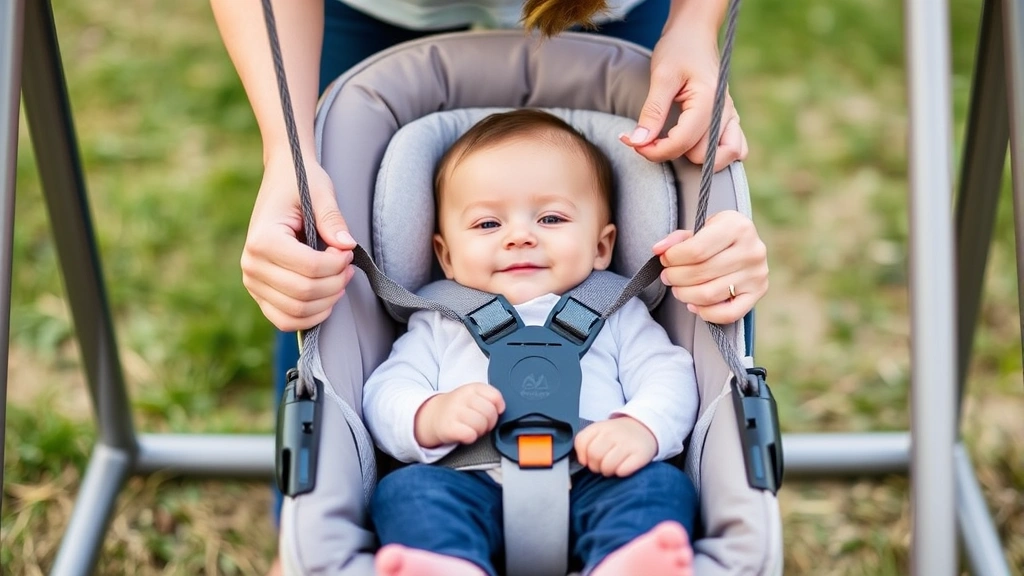
Not all swings are the same, and understanding the differences helps you make an informed choice.
Full-Size Swings
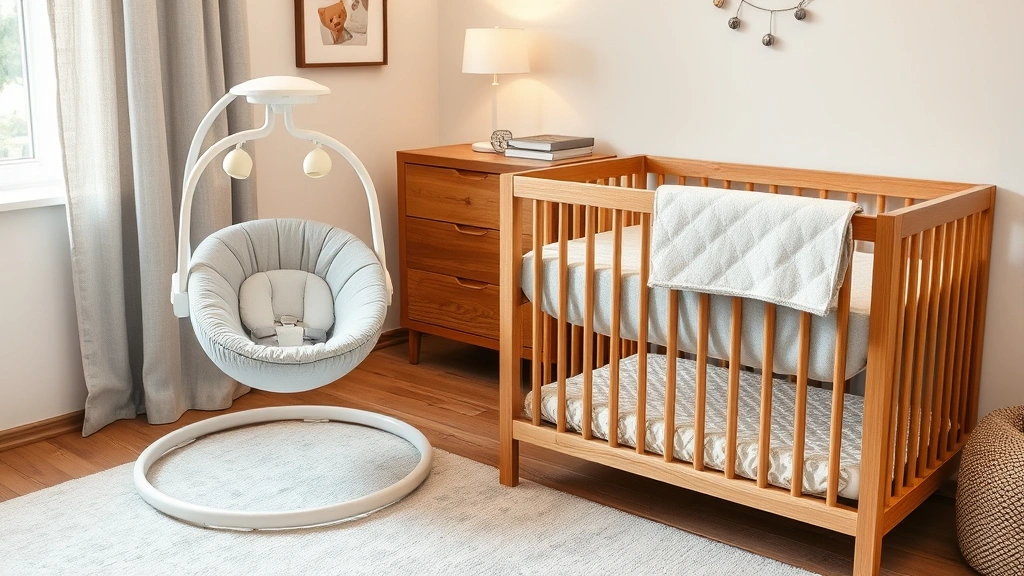
Full-size swings are the traditional option you’ve probably seen in most nurseries. They’re sturdy, stationary units that stay in one room. The benefits? They’re typically more durable, offer multiple swing speeds, and often include additional features like music or vibration. The trade-off is space—these aren’t exactly compact. If you have a dedicated nursery with room to spare, a full-size swing is often the most reliable choice.
Portable/Travel Swings
Perfect for apartment dwellers or families who move between homes frequently, portable swings are lightweight and compact. They won’t give you all the bells and whistles of full-size models, but they get the job done. Think of these as the practical choice when space is at a premium.
Plug-In vs. Battery-Operated
Plug-in swings offer consistent power without battery replacement worries, but they’re limited by cord length. Battery-operated models provide flexibility in placement but require regular battery changes. Some of the best options offer both capabilities, giving you maximum versatility.
Smart Swings
Welcome to the future. Smart swings connect to your phone, allowing remote control of speed and music. While these represent a premium investment, they’re game-changers for parents who want monitoring and control from anywhere in the house.
Our Top Picks for the Best Baby Swing in 2023
After extensive research and considering parent feedback, here are the standout options worth your consideration.
Best Overall: Ingenuity SmartSwing with WiFi Remote
The Ingenuity Baby Swing continues to dominate the market for good reason. This model combines reliability with modern convenience. The WiFi-enabled remote lets you control the swing from your phone, adjusting speed without disturbing your baby. With eight swing speeds, multiple music options, and a spacious seat, it accommodates babies from newborn through toddler years. The build quality feels premium without breaking the bank.
Best Budget-Friendly: Graco Simple Sway
Not every family has unlimited funds, and that’s perfectly okay. The Graco Simple Sway proves you don’t need to spend a fortune for a functional, reliable swing. It offers six swing speeds, gentle sway motion, and a compact design. While it lacks fancy features, it delivers on the fundamentals: consistent motion that soothes babies effectively. Parents consistently praise its durability and straightforward operation.
Best for Small Spaces: Fisher-Price Deluxe Take-Along Swing and Seat
If you’re working with limited square footage, this portable option is a game-changer. It’s genuinely portable—you can move it from room to room or even take it to grandma’s house. Despite its compact size, it includes music, multiple swing speeds, and a comfortable seat. The trade-off is that it won’t last quite as long as full-size models once your child becomes a toddler, but for the newborn and infant stages, it’s excellent value.
Best for Multiple Features: Ingenuity ConvertMe Swing-2-Seat
This hybrid model transitions from a swing to a stationary seat, extending its usefulness as your baby grows. It’s an investment piece that adapts to different life stages. The dual functionality means you’re not buying a swing that becomes obsolete in a year or two. For parents planning multiple children or wanting maximum longevity, this model justifies its higher price point.
Best Budget Travel Option: Summer Infant SwaddleMe Swaddler
If you’re looking for something truly portable and affordable, this lightweight option folds compactly and operates on batteries. It won’t have all the features of premium models, but it provides reliable motion in a package you can actually carry. Perfect for visiting relatives or taking to daycare.
Key Features to Consider When Choosing Your Swing
Beyond the specific models, understanding what features matter helps you evaluate any swing you’re considering.
Swing Speed and Motion Options
Babies have different preferences. Some prefer slow, gentle swinging while others like a more vigorous motion. Multiple speed settings (ideally six or more) give you flexibility to find what works for your individual baby. Some swings offer different motion patterns—side-to-side versus front-to-back—which can make a difference in soothing effectiveness.
Power Source Reliability
Consider your lifestyle. If you’re always on the go, battery operation with good battery life matters. If you have a dedicated nursery, plug-in reliability might be preferable. The best swings offer hybrid options, letting you choose based on your current situation.
Comfort and Safety Features
Look for swings with proper harness systems, sturdy frames, and seats that provide adequate support for your baby’s developing spine. The seat should be machine-washable or easily cleanable—because spit-up happens. Safety certifications matter; ensure any swing you consider meets current safety standards.
Music and Entertainment Options
Some babies are soothed by music while others find it overstimulating. Swings with adjustable volume or the ability to turn music off completely offer more flexibility. Nature sounds or white noise options tend to be more soothing than upbeat music for most infants.
Size and Space Requirements
Measure your space honestly. A swing that doesn’t fit your nursery is useless, no matter how excellent it is. Consider not just the footprint but also the height—you want to be able to easily place and remove your baby.
Durability and Longevity
Some swings are designed for newborns only, while others accommodate babies up to 30 pounds. If you plan to use the swing for extended periods, choose a model with higher weight capacity and sturdy construction. Reading long-term parent reviews helps identify which models hold up over years of use.
Safety Tips and Best Practices for Baby Swing Use
A swing is a tool, and like any tool, proper use matters tremendously. The Centers for Disease Control provides guidance on safe infant sleep environments, and swings fit into that context.
Never Leave Baby Unattended
This is non-negotiable. While a swing is safe when used properly, it’s not a substitute for active supervision. Babies can wiggle out of harnesses, and unexpected situations arise. Always keep your baby in sight while they’re in the swing.
Follow Weight and Age Guidelines
Manufacturers specify weight and age limits for a reason. These aren’t suggestions—they’re based on safety engineering. Using a swing outside these parameters increases injury risk.
Use the Harness Every Time
Even if your baby seems perfectly content and settled, use the harness. Babies are unpredictable, and what seems secure one moment might not be the next.
Limit Swing Duration
While swings are wonderful, babies also need tummy time, floor play, and varied positioning to develop properly. The American Academy of Pediatrics recommends limiting swing use to appropriate periods rather than extended all-day sessions. Think of it as a tool for specific needs, not a 24/7 solution.
Proper Placement
Position your swing on a flat, stable surface away from hazards. Keep it away from stairs, cords, or anything a baby might grab. Ensure the area around the swing is clear so it can swing freely without obstruction.
Regular Maintenance
Check the frame regularly for cracks or damage. Ensure all fasteners are tight and the seat is secure. Clean the swing according to manufacturer instructions to prevent mold or bacteria growth.
For parents building out their nursery and looking for complementary gear, exploring thoughtful baby shower gift ideas might help you think about what else works alongside your swing. Similarly, understanding alternatives like baby carriers gives you a complete picture of soothing and mobility options. And if budget is tight, checking out available free baby stuff programs might help offset costs.
Frequently Asked Questions
At what age can babies start using a swing?
Most swings are appropriate from birth, but always check the manufacturer’s specifications. Some models have minimum weight requirements (typically 6-8 pounds), so premature or very small babies might need to wait a few weeks. Your pediatrician can confirm readiness if you’re unsure.
Is it safe for baby to sleep in a swing all night?
The American Academy of Pediatrics recommends that babies sleep in a firm, flat surface like a crib or bassinet for safety. While occasional naps in a swing are generally fine, regular overnight sleeping in a swing isn’t ideal. Extended swing use can affect neck and spine development if it becomes the primary sleep location.
How long will my baby use a swing?
This varies significantly. Some babies lose interest by 4-6 months, while others enjoy swinging into toddlerhood. The swing’s weight limit (typically 25-30 pounds) will eventually make the decision for you. Most families find their swing is most valuable during the first year.
Can I use a swing if I have limited space?
Absolutely. Portable swings and compact models take up minimal space. You might need to be strategic about placement, but space limitations shouldn’t prevent you from having a swing if you want one.
What’s the difference between a swing and a bouncer?
Swings provide rhythmic swinging motion, while bouncers use bouncing or vibrating motion. Some babies prefer one over the other. Many families find having both offers flexibility, though a quality swing is typically the more versatile choice for soothing.
How do I clean and maintain my swing?
Check your specific model’s instructions, but most swings have removable, machine-washable seat covers. Wipe down the frame with a damp cloth and mild soap. Avoid harsh chemicals that might damage plastic or electronic components. Keep the swing in a dry location and check regularly for signs of wear or damage.
Are expensive swings significantly better than budget options?
Not always. Budget swings often deliver on core functionality—consistent motion that soothes babies effectively. Premium models typically add features like WiFi control, more music options, or hybrid functionality. The “best” swing for your family depends on what features matter most to you and your budget constraints.
Can I use an old swing from a previous child?
If the swing is from a trusted brand, in good condition, and meets current safety standards, yes. However, check for recalls, ensure all components work properly, and verify that the harness and seat are in good condition. When in doubt, consult current safety guidelines or your pediatrician.