What Is a Baby Bib? Complete Guide to This Essential Parenting Tool
If you’re expecting or already navigating the early months of parenthood, you’ve probably heard the term “baby bib” thrown around more times than you can count. But here’s the thing—not all bibs are created equal, and understanding what they actually do (and why you need more than one) can genuinely make your life easier. A baby bib is far more than just a cute accessory; it’s a practical piece of gear that protects your little one’s clothing from the inevitable spills, drool, and food mishaps that come with feeding time.
Whether your baby is exclusively nursing, bottle-feeding, or transitioning to solids, bibs serve as a protective barrier that saves you from doing laundry multiple times a day. The right bib can mean the difference between a quick cleanup and a complete outfit change for both you and your baby. But before you start stocking up, it’s worth knowing exactly what makes a good bib, the different types available, and how to choose one that actually works for your family’s needs.
What Exactly Is a Baby Bib?
A baby bib is a protective garment fastened around a baby’s neck and chest area, designed to catch food, saliva, and liquids during feeding and teething. Think of it as your first line of defense against the constant moisture that comes with having a baby. From newborn drool to spit-up to pureed sweet potatoes, bibs absorb it all so your baby’s clothes stay relatively clean and dry.
The basic structure is simple: a piece of absorbent fabric with a fastening mechanism at the back of the neck. However, the execution varies wildly depending on the type and quality of the bib. Some are barely more than decorative cloth, while others are engineered marvels with waterproof backing, adjustable closures, and crumb-catching features that would make a parent weep with joy.
Bibs have been used for centuries, but modern versions have evolved significantly from their simple cloth predecessors. Today’s bibs are designed with both functionality and style in mind, making them practical tools that also happen to look adorable in photos. This is particularly important when you’re selecting baby shower gift ideas or considering what to include on your baby registry must haves list.
Types of Baby Bibs
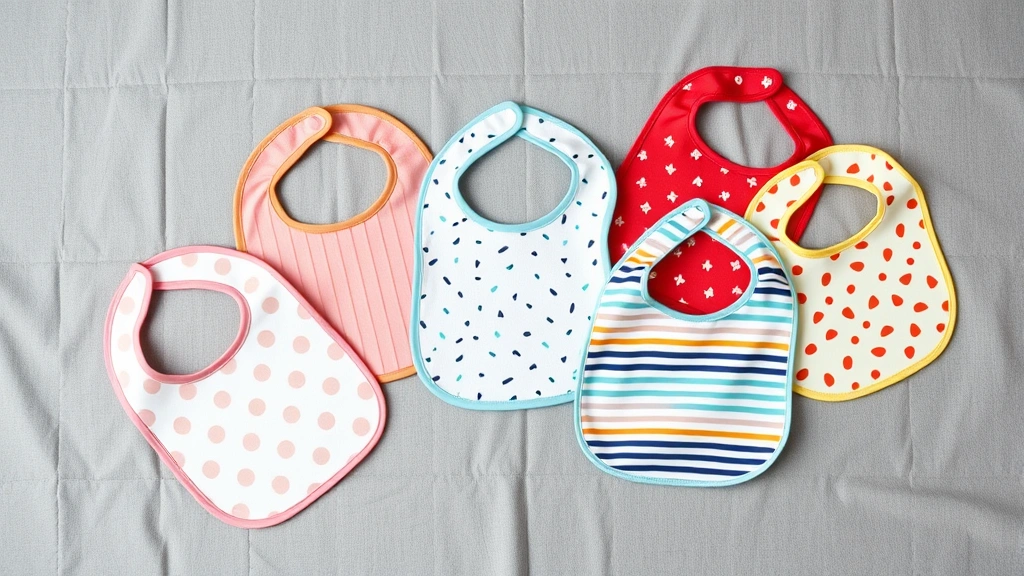
Understanding the different bib varieties helps you choose the right tool for the right job. Not every situation calls for the same type of bib, and having a variety on hand means you’re prepared for anything.
Traditional Cloth Bibs
These are the classics—simple rectangular or contoured pieces of fabric with velcro, snap, or tie closures. They’re lightweight, affordable, and perfect for catching drool and minor spit-up. Traditional cloth bibs are ideal for newborns and young babies who are mostly nursing or bottle-feeding. They’re easy to throw in the diaper bag and don’t take up much space. The downside? They’re not waterproof, so significant spit-up or food spills will soak through to your baby’s clothes.
Waterproof Bibs
These game-changers feature a plastic or rubberized backing that prevents moisture from soaking through. Waterproof bibs are essential once your baby starts eating solid foods or if you have a particularly drooly teether. They’re bulkier than cloth bibs and can sometimes feel less comfortable against your baby’s skin, but their protective capabilities are unmatched. Many parents consider these non-negotiable once they start the weaning process.
Bandana Bibs
Shaped like tiny bandanas and fastened with snaps, these bibs are stylish and practical for older babies and toddlers. They’re less absorbent than traditional bibs but perfect for light drool management and looking adorable. Bandana bibs are often chosen more for aesthetics, though they certainly serve a purpose. They’re particularly popular in modern parenting circles and make great additions to any wardrobe.
Feeding Bibs with Pockets
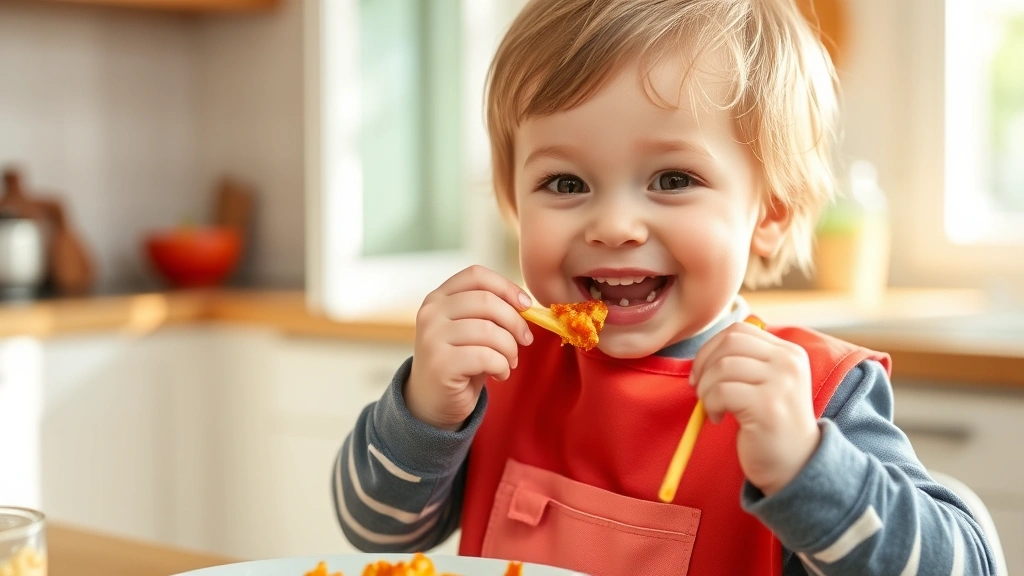
These innovative bibs feature a built-in pocket or tray at the bottom to catch crumbs and food bits. Once your baby starts self-feeding, these become incredibly valuable. They catch everything from crushed crackers to pasta pieces, making cleanup significantly easier. Some parents swear by these once their babies enter the messy eating phase.
Silicone Bibs
Made from food-grade silicone, these bibs are waterproof, easy to clean, and incredibly durable. Simply rinse them off and they’re ready for the next meal. Silicone bibs are particularly popular for babies starting solids because they can be wiped clean in seconds. However, some babies find them uncomfortable against their skin, and they’re typically pricier than fabric alternatives.
Materials and Fabric Considerations
The material of your bib directly impacts its performance and comfort. Here’s what you need to know about common bib materials:
- Cotton: Soft, breathable, and comfortable against baby’s skin. Standard cotton bibs are absorbent but not waterproof, making them ideal for drool management rather than meal protection.
- Organic Cotton: Similar to regular cotton but free from pesticides and chemicals. A great choice if you’re concerned about what touches your baby’s sensitive skin.
- Bamboo Fabric: Incredibly soft and naturally hypoallergenic, bamboo bibs are gentle on delicate skin. They’re also surprisingly absorbent and have natural antibacterial properties.
- Polyester Blends: Often combined with cotton, polyester adds durability and helps the bib maintain its shape through multiple washings.
- Waterproof Backing Materials: Look for PUL (polyurethane laminate) or minky fabric backing. These materials are waterproof yet breathable, preventing moisture from reaching your baby’s clothes while allowing air circulation.
When selecting materials, consider your baby’s skin sensitivity, your climate (breathable fabrics matter in hot weather), and how frequently you’re willing to do laundry. Some families prioritize comfort and go with multiple cloth bibs, while others prioritize function and invest in waterproof options.
Key Features to Look For
Beyond material, certain features can make bibs significantly more practical:
Closure Mechanisms
Bibs fasten with velcro, snaps, or ties. Velcro is quick and adjustable but can wear out over time. Snaps are durable and adjust in increments, which some parents prefer. Ties are traditional but require two hands to fasten and are less adjustable. Consider what works best with your baby’s movement and your own patience level during feeding time.
Size and Coverage
Larger bibs provide more protection, particularly once your baby starts eating solids. However, oversized bibs can be uncomfortable and restrict movement. Look for bibs that cover from the base of the neck to the bottom of the ribcage without extending too far down the legs.
Neck Size Adjustment
As your baby grows, you’ll want a bib that adjusts to accommodate their changing size. Velcro and snaps both allow for adjustment, while tie closures can be knotted at different lengths.
Durability
Consider how many times you’ll wash the bib and whether it will hold up. Quality stitching, reinforced seams, and durable materials matter if you’re planning to use the same bibs for multiple children or want them to last through months of daily use.
How Many Bibs Do You Actually Need?
This is the question every new parent asks, and the answer depends on several factors: your baby’s age, how much they drool or spit up, how often you do laundry, and your personal preferences.
For newborns (0-3 months): Plan for 8-10 bibs. Newborns go through bibs quickly with spit-up and drool, and you’ll want enough to go several days without laundry. Lighter cloth bibs work fine at this stage.
For 3-6 month olds: 10-12 bibs is a good target. Your baby is likely teething by now, which increases drool production. Having a mix of cloth and waterproof options gives you flexibility.
For 6+ months (solids introduction): 12-15 bibs, with a strong emphasis on waterproof varieties. Once your baby starts eating solid foods, bibs become essential meal-time gear, and waterproof options are non-negotiable.
These numbers assume you’re doing laundry every 2-3 days. If you’re washing more frequently, you can get by with fewer. If you prefer not to do laundry constantly, stock up on more. Also consider that bibs make excellent baby girl gifts and baby boy clothes additions, so you might receive several as gifts.
Care and Maintenance Tips
Proper care extends the life of your bibs and keeps them hygienic:
- Rinse Immediately: Rinse bibs under cool water as soon as possible after use, especially if they have food or spit-up on them. This prevents stains from setting in.
- Pre-treat Stains: For stubborn stains, apply a small amount of stain remover before washing. Let it sit for a few minutes but don’t let it dry completely.
- Wash in Warm Water: Use warm (not hot) water to preserve the fabric and any elastic components. Hot water can degrade waterproof backing over time.
- Use Gentle Detergent: Baby-specific or gentle detergents are kinder to delicate fabrics and reduce the risk of skin irritation.
- Avoid Fabric Softener: Fabric softener can reduce absorbency and damage waterproof backings. Skip it entirely for baby bibs.
- Air Dry When Possible: High heat from the dryer can damage waterproof materials and elastic closures. Air drying is gentler and extends bib longevity.
- Inspect Regularly: Check bibs for wear, damaged closures, or deteriorating waterproof backing before each use. Replace bibs that no longer function properly.
Safety Considerations
While bibs are generally safe, a few precautions are worth taking:
Choking Risk: Always supervise your baby while wearing a bib. Never leave a baby unattended in a bib, as the closure could pose a choking hazard if it becomes loose or caught on something.
Proper Fit: Ensure the bib isn’t so tight that it restricts your baby’s breathing or movement. You should be able to fit a finger between the closure and your baby’s neck. Conversely, a bib that’s too loose can slip off or become a hazard.
Material Safety: Choose bibs made from baby-safe materials free from harmful chemicals. Look for bibs that have been tested for safety standards. According to the American Academy of Pediatrics, materials in direct contact with baby’s skin should meet safety standards.
Regular Inspection: Check bibs regularly for loose threads, damaged snaps, or deteriorating velcro that could become choking hazards. Replace any bibs that show significant wear.
Hygiene: Wash bibs frequently to prevent bacterial growth and reduce the risk of skin infections. This is particularly important during teething when bibs are constantly wet with drool.
For more comprehensive safety information, consult resources like CDC parenting guidelines and talk with your pediatrician about any specific concerns.
Frequently Asked Questions
At what age should I start using bibs?
You can start using bibs from birth. Newborns spit up frequently, and bibs protect their clothing. However, the type of bib you use will evolve as your baby grows. Cloth bibs are perfect for newborns, while waterproof options become more important once your baby starts solids around 6 months.
Are expensive bibs worth it?
Higher-priced bibs often feature better materials, more durable construction, and innovative features like adjustable sizing or better waterproofing. Whether they’re “worth it” depends on your budget and priorities. A mix of mid-range and budget options often provides the best value for most families.
Can I use the same bibs for multiple children?
Absolutely. Quality bibs are designed to withstand years of use and multiple children. With proper care, bibs can easily last through 2-3 kids. This makes them a smart investment and a great hand-me-down item.
What’s the difference between a bib and a drool pad?
While similar, drool pads (or bandana bibs) are typically smaller and designed specifically for light drool management in older babies and toddlers. Traditional bibs cover more area and are designed for active feeding situations. Drool pads are more fashion-forward, while bibs prioritize function.
How do I prevent bibs from smelling?
Rinse bibs immediately after use and don’t let them sit in the hamper for extended periods. Wash them regularly with regular detergent and ensure they dry completely before storing. If bibs develop odors, try soaking them in a mixture of water and white vinegar before washing.
Should I buy matching bibs or mix and match?
This is entirely personal preference. Some parents love coordinating bibs with outfits, while others prefer practical variety. Consider what makes you happy—if you enjoy the aesthetic of matching sets, go for it. If you prioritize function over appearance, mix and match based on what works best.
Are bandana bibs adequate for eating solids?
Bandana bibs work for light eating situations but aren’t ideal for messy eaters or when introducing new foods. They lack the absorbency and coverage of traditional or waterproof bibs. For primary solid food feeding, opt for larger bibs with better protection.
When planning your baby gear purchases, consider bibs a non-negotiable essential rather than an optional nice-to-have. Whether you’re selecting items for baby shower food ideas planning or stocking your nursery, having quality bibs on hand makes daily parenting significantly more manageable. The right bibs protect your sanity just as much as they protect your baby’s clothes, and that’s worth the investment.
Looking for more parenting essentials? Check out expert resources like Parents Magazine’s baby basics section and What to Expect’s first year guide for comprehensive information on navigating early parenthood with confidence and clarity.