What Is a Baby Crocodile Called? Expert Guide to Reptile Terminology and Family Dynamics
If you’ve ever wondered what to call a baby crocodile, you’re not alone. Whether you’re a curious parent looking to expand your wildlife vocabulary with your kids, an educator seeking accurate terminology, or simply someone fascinated by reptiles, understanding the proper names for young crocodiles opens up a fascinating world of animal biology and family structures in the reptile kingdom.
The term hatchling is the most commonly used name for a baby crocodile from the moment it breaks free from its egg until it reaches juvenile status. However, the terminology doesn’t stop there. The crocodile family has a rich vocabulary that reflects different stages of development, and learning these terms can deepen your appreciation for how these ancient creatures grow and thrive in their natural habitats.
This comprehensive guide explores everything you need to know about baby crocodiles, from their scientific names to their behavior patterns, development stages, and why these remarkable reptiles continue to captivate our imagination. Whether you’re preparing educational content for children or simply satisfying your curiosity, we’ve covered all the essential information you need.
What Is a Baby Crocodile Called?
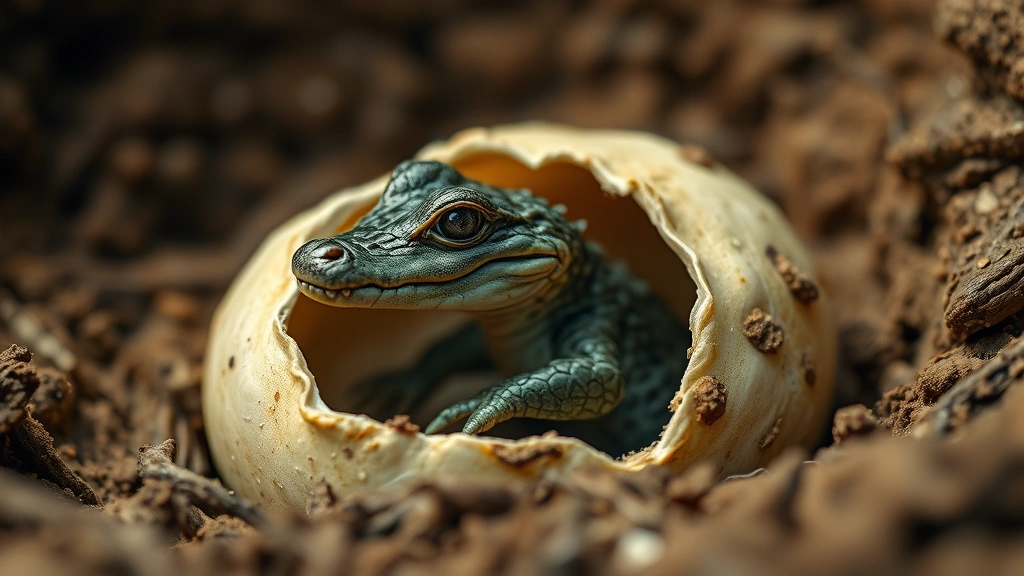
A baby crocodile is primarily called a hatchling during its first phase of life, immediately after emerging from its egg. This term applies universally across the crocodile species and represents the earliest stage of independent life for these reptiles. The hatchling stage typically lasts from birth until the young crocodile reaches approximately one to two years of age, depending on environmental conditions and species variation.
Beyond the hatchling stage, baby crocodiles may be referred to as juveniles once they’ve grown larger and developed more independence. Some wildlife experts and researchers use the term yearling to describe crocodiles in their first year of life, particularly when discussing age-specific behaviors or developmental milestones.
The scientific community also employs specific terminology based on developmental stages. Young crocodiles that have recently hatched are sometimes called neonates in scientific literature, a term borrowed from medical and biological contexts to denote newborns. This terminology becomes particularly important when discussing conservation efforts, breeding programs, or academic research about crocodile populations.
Understanding these terms matters more than you might think, especially if you’re exploring wildlife education with your family. Just as you might research baby book recommendations to understand human infant development, learning about crocodile terminology helps create a more comprehensive understanding of the animal kingdom’s diversity.
Understanding Crocodile Development Stages
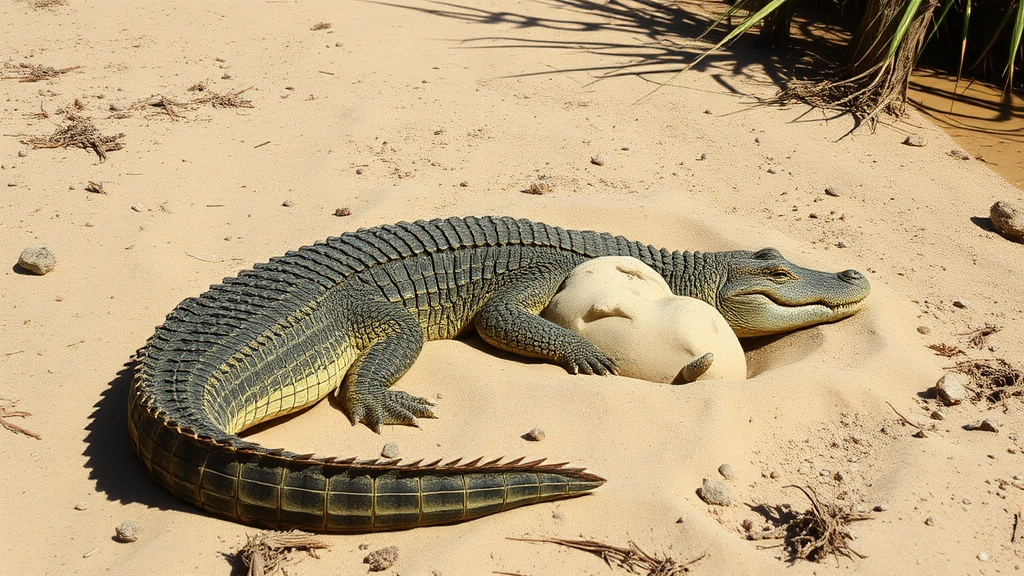
Crocodile development follows a fascinating progression from egg to adult, with distinct characteristics marking each phase. The journey begins before hatching, as female crocodiles lay eggs in carefully constructed nests, typically in sandy or muddy areas near water sources. These eggs incubate for approximately 60 to 90 days, depending on temperature and species.
Once a hatchling breaks through its leathery egg shell using a specialized egg tooth, it enters a vulnerable but critical period. Hatchlings measure only about 7 to 10 inches long, making them prey for numerous predators including birds, snakes, and larger reptiles. During this phase, their survival depends heavily on instinct and, in some species, maternal protection.
The juvenile stage represents a period of rapid growth and development. Young crocodiles begin hunting larger prey, developing the predatory skills they’ll need throughout their lives. This stage can last several years, during which the crocodile’s size increases substantially. Environmental factors like temperature, food availability, and water conditions significantly influence growth rates during this critical period.
Reaching sexual maturity typically occurs between 4 to 15 years of age, depending on the species and environmental conditions. Once mature, crocodiles can reproduce and continue the cycle. Understanding these developmental stages provides valuable context for appreciating how these ancient creatures have survived for millions of years, adapting to various environmental challenges and changes.
If you’re interested in learning more about animal development stages, exploring resources about baby alligator fan bus educational content can provide additional wildlife insights.
The Difference Between Crocodiles and Alligators
Many people use the terms crocodile and alligator interchangeably, but these reptiles have distinct differences that go beyond simple terminology. Understanding these differences enriches your knowledge of reptile diversity and helps explain why specific naming conventions exist for each species.
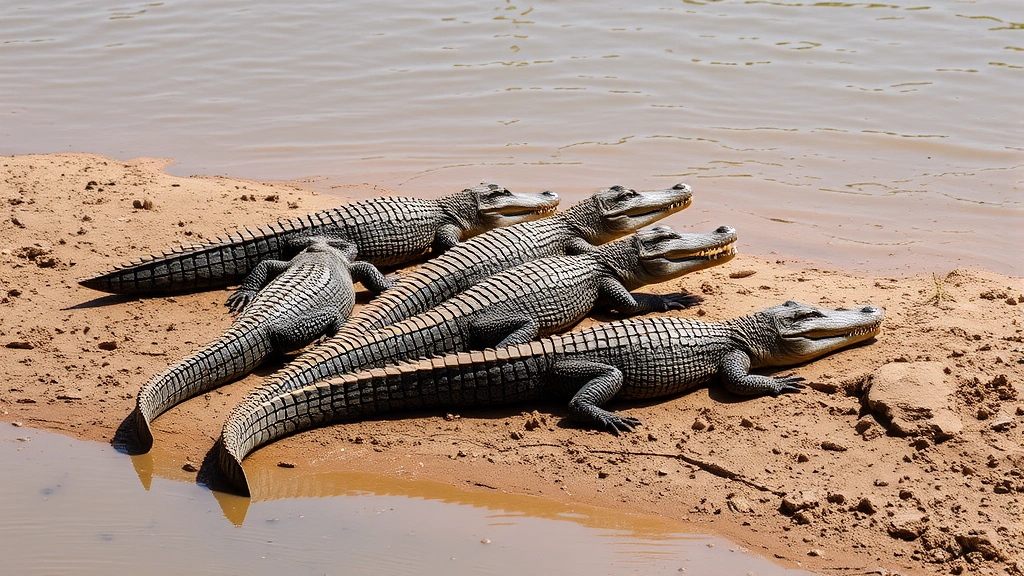
The most obvious difference lies in their snout shape. Crocodiles possess V-shaped snouts that are more pointed and narrow, while alligators have U-shaped snouts that are broader and more rounded. This structural difference reflects their hunting strategies and dietary preferences. Crocodile teeth are also more visible when their mouths are closed, particularly the large fourth tooth on the lower jaw, which fits into a notch in the upper jaw. Alligator teeth remain mostly hidden when their mouths are closed.
Behavioral differences also distinguish these reptiles. Crocodiles tend to be more aggressive and territorial, while alligators are generally less aggressive toward humans. Crocodiles also demonstrate more complex social behaviors in some species, including vocalizations and cooperative hunting strategies.
Geographic distribution further separates these species. Crocodiles inhabit tropical regions across Africa, Asia, Australia, and the Americas, while alligators are primarily found in the southeastern United States and China. This geographic separation reflects evolutionary adaptations to specific environmental conditions and climate patterns.
For parents seeking to educate their children about wildlife diversity, recognizing these distinctions provides excellent teaching opportunities. Whether you’re planning baby shower gift ideas with an animal education theme or developing curriculum materials, understanding crocodile versus alligator characteristics enhances educational value.
Baby Crocodile Behavior and Characteristics
Baby crocodiles display remarkable instinctive behaviors immediately after hatching, despite receiving no parental training or guidance in most species. These hatchlings possess innate hunting abilities and survival mechanisms that have evolved over millions of years of natural selection.
Hatchlings are primarily aquatic, spending most of their time in water where they hunt small prey like insects, tadpoles, and small fish. Their hunting technique relies on stealth and patience, characteristics that define crocodile predatory behavior throughout their lives. Young crocodiles remain relatively motionless for extended periods, waiting for prey to come within striking distance.
Thermoregulation plays a crucial role in hatchling behavior. These young reptiles cannot maintain consistent body temperature internally, so they rely on basking in sunlight to warm up and retreating to water to cool down. This behavioral pattern continues throughout their lives, influencing where they spend their time and when they hunt.
Social behavior in hatchlings varies by species. Some crocodile species demonstrate surprising social tolerance, with multiple hatchlings coexisting peacefully in shared water systems. Others are more solitary and territorial from birth. This variation reflects different evolutionary strategies and ecological niches occupied by various crocodile species.
Communication begins early in crocodilian development. Young crocodiles produce vocalizations that serve multiple purposes, including distress calls that sometimes attract maternal protection in species where mothers guard nests. These sounds range from grunts and hisses to more complex vocalizations that researchers continue to study and interpret.
Parenting in the Reptile World: Crocodile Mothers
Contrary to popular belief, some crocodile species demonstrate surprisingly sophisticated parenting behaviors. While parenting looks dramatically different in the reptile world compared to mammalian family structures, the commitment crocodile mothers show toward their offspring reveals complex maternal instincts.
Female crocodiles construct elaborate nests, carefully selecting locations that provide optimal temperature and humidity for egg development. Some species dig holes in sand, while others build mound nests using vegetation and mud. This nest construction requires significant effort and demonstrates purposeful planning and environmental awareness.
During the incubation period, which typically lasts 60 to 90 days, some crocodile mothers remain near their nests, protecting eggs from predators and environmental threats. This vigilance continues even after hatching. When hatchlings emerge, mothers in certain species actively assist their young, helping them reach water and protecting them from predators during this vulnerable phase.
The protection period varies significantly among species. Some mothers guard their hatchlings for several months, while others provide minimal post-hatching care. This variation likely reflects ecological pressures, predator densities, and evolutionary strategies that maximize reproductive success for each particular species.
For parents interested in understanding different parenting approaches across species, examining crocodile maternal behavior provides fascinating comparative insights. Just as humans consider various baby boy gifts that support development and learning, crocodile mothers instinctively provide protection and resources that maximize their offspring’s survival chances.
Nurturing Young Reptiles in Captivity
Zoos, wildlife sanctuaries, and research facilities worldwide care for baby crocodiles, providing valuable insights into optimal conditions for hatchling development. These controlled environments offer opportunities to study growth rates, behavior patterns, and social interactions that might be difficult to observe in wild populations.
Captive hatchling care requires precise temperature management, as ambient temperature directly influences growth rates and metabolic processes. Facilities maintain water temperatures between 78 and 82 degrees Fahrenheit for most species, with basking areas maintained at slightly higher temperatures. This environmental control allows hatchlings to thermoregulate effectively and grow at healthy rates.
Nutrition presents another critical aspect of captive hatchling care. Young crocodiles require appropriate-sized prey items that match their feeding capacity. Most facilities provide insects, small fish, and specially formulated diets that ensure hatchlings receive necessary nutrients for proper development. Feeding frequency decreases as hatchlings grow, reflecting natural dietary patterns.
Social housing decisions significantly impact hatchling welfare in captivity. Some facilities house hatchlings individually to prevent aggressive interactions and cannibalism, while others maintain small groups under carefully monitored conditions. The choice depends on species-specific behavioral characteristics and facility resources.
Research conducted in captive settings has advanced our understanding of crocodile biology, behavior, and conservation needs. This knowledge directly supports wild population management and breeding programs designed to maintain genetic diversity and prevent species extinction.
According to the U.S. Department of Agriculture’s wildlife resources, proper habitat management and species-specific care protocols are essential for reptile welfare. Similarly, the International Union for Conservation of Nature provides comprehensive guidelines for crocodile species management and conservation strategies.
Frequently Asked Questions
What is the scientific name for a baby crocodile?
Baby crocodiles are typically called hatchlings in scientific contexts, with the term neonate also used in biological literature. The specific scientific name depends on the crocodile species, as there are 23 recognized species worldwide, each with distinct scientific nomenclature. For example, the Nile crocodile’s scientific name is Crocodylus niloticus, and its babies would be referred to as hatchlings or neonates of that species.
How long do baby crocodiles stay with their mothers?
The duration of maternal care varies significantly among crocodile species. Some mothers protect their hatchlings for several months, while others provide minimal post-hatching care. In species with extended maternal care, hatchlings may remain with their mothers for up to two years. However, this varies based on environmental conditions, food availability, and species-specific behavioral patterns. Unlike mammals, crocodile mothers do not nurse their young, and protection is limited to defense against predators and environmental threats.
How big is a baby crocodile when it hatches?
Hatchling size varies by species but typically ranges from 7 to 10 inches in length. The smallest crocodile species produce hatchlings around 6 inches long, while larger species may have hatchlings approaching 12 inches. Growth rates accelerate significantly during the first few years of life, with environmental factors like temperature and food availability influencing individual growth trajectories.
What do baby crocodiles eat?
Baby crocodiles are carnivorous from birth, feeding on small prey items including insects, tadpoles, small fish, and crustaceans. As they grow, they progress to larger prey like frogs, small birds, and larger fish. Their diet continues expanding throughout their lives as they increase in size and hunting capability. The specific prey available in their habitat directly influences their dietary composition and growth rates.
Are baby crocodiles dangerous?
While baby crocodiles are significantly smaller and less powerful than adults, they possess sharp teeth and strong bite forces relative to their size. They can inflict serious injuries if handled improperly or provoked. However, they are generally more vulnerable to predation than dangerous to humans. Most baby crocodile injuries occur when people attempt to handle or feed wild hatchlings, which is why wildlife experts recommend maintaining safe distances from all crocodilian species, regardless of age.
How can I teach my children about crocodile terminology?
Educational resources abound for teaching children about wildlife terminology and animal development. Consider using documentaries, interactive wildlife websites, and age-appropriate books about reptiles. Many zoos and wildlife centers offer educational programs specifically designed for families. You might also explore incorporating wildlife education resources from Parents Magazine into your family learning activities, which provide expert guidance on nature-based education approaches.
What conservation efforts protect baby crocodiles?
Multiple organizations work to protect crocodile populations through habitat preservation, breeding programs, and anti-poaching initiatives. The World Wildlife Fund supports crocodile conservation across multiple continents, while the IUCN Crocodile Specialist Group coordinates international conservation strategies and research. These efforts include protecting nesting sites, monitoring population health, and educating local communities about the ecological importance of crocodile species.