How to Choose a Baby Hat: Expert Tips for Every Season and Occasion
Picking out a baby hat might seem like one of those decisions that shouldn’t require much thought—after all, it’s just a hat, right? Wrong. When you’re shopping for your little one, a baby hat becomes so much more than a cute accessory. It’s protection from the elements, a temperature regulator, and yes, an adorable finishing touch to those Instagram-worthy moments. But with so many styles, fabrics, and sizing options available, new parents often find themselves standing in the baby section, overwhelmed and unsure where to start.
The truth is, choosing the right baby hat involves understanding your child’s needs across different seasons, knowing what materials work best for delicate skin, and figuring out which styles actually stay put on a wiggly little head. We’re here to break down everything you need to know so you can make confident choices that keep your baby comfortable, protected, and stylish.
Whether you’re preparing for a newborn’s arrival, shopping for gifts, or simply restocking your baby’s wardrobe, this guide will walk you through the essential considerations that separate a great baby hat purchase from one you’ll regret.
Understanding Baby Hat Purposes and Functions
Before diving into the specifics of hat selection, it’s worth understanding exactly why babies need hats in the first place. Unlike older children and adults, newborns lose a significant amount of body heat through their heads. In fact, according to pediatric guidelines, babies can lose up to 40% of their body heat this way, which is why hospitals place hats on newborns immediately after birth.
Beyond temperature regulation, hats serve protective functions that evolve as your baby grows. During the newborn phase, a hat helps maintain warmth in hospital settings and during those early weeks at home. As your baby ventures outdoors more frequently, sun protection becomes paramount. The American Academy of Dermatology emphasizes that sun protection for babies is critical, and a wide-brimmed hat is one of the most effective tools in your UV protection arsenal.
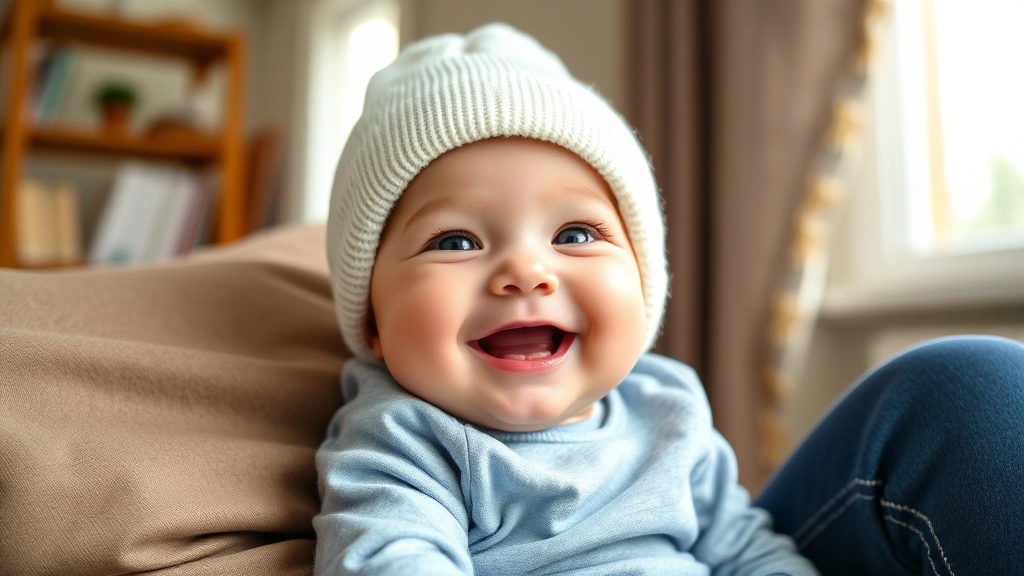
Hats also serve practical purposes that parents often overlook. They can help prevent your baby from scratching their own face with tiny, sharp fingernails. They provide comfort and security—many babies find the gentle pressure of a well-fitted hat soothing. And let’s be honest, they make for precious photo opportunities. When exploring options for your little one, you’ll want to consider versatile baby hats that serve multiple purposes throughout different seasons and stages.
Material Matters: Choosing the Right Fabric
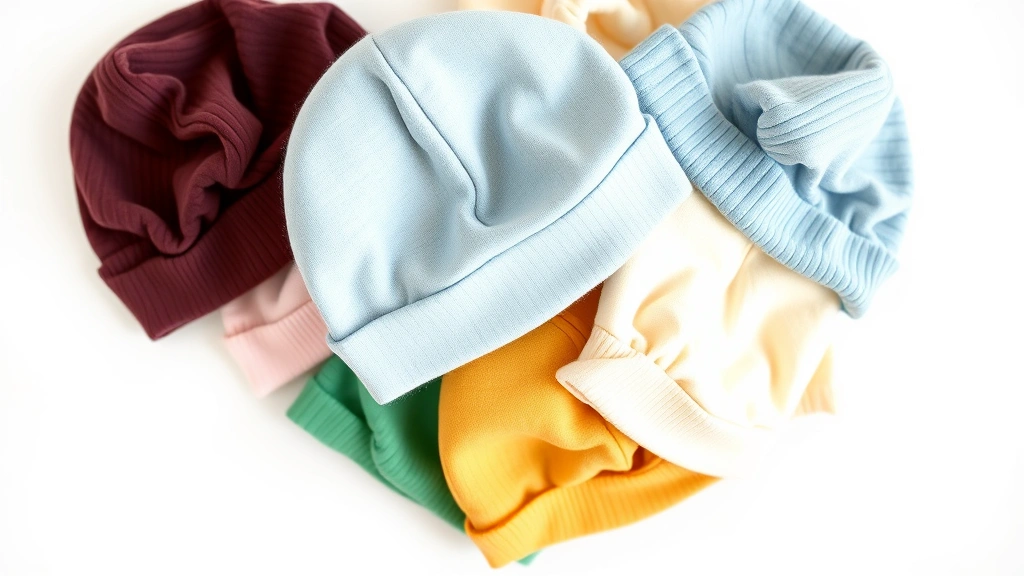
The fabric of your baby’s hat directly impacts comfort, breathability, and how well it regulates temperature. Babies have incredibly sensitive skin, and the wrong material can lead to irritation, overheating, or inadequate warmth. Let’s break down the most common options:
Cotton remains the gold standard for most baby clothing, including hats. Organic cotton is even better, as it’s grown without synthetic pesticides or fertilizers. Cotton is breathable, soft, hypoallergenic, and gentle on delicate skin. It works reasonably well across seasons, though it’s not ideal for extreme cold or intense sun exposure alone.
Merino wool might surprise you, but it’s actually excellent for babies despite the common misconception that all wool is itchy. Merino wool is naturally temperature-regulating, moisture-wicking, and antibacterial. It’s softer than traditional wool and rarely causes irritation. It’s particularly valuable for winter hats and layering.
Linen is perfect for hot weather. It’s lightweight, breathable, and has a natural ability to keep babies cool. However, linen wrinkles easily and isn’t as durable as cotton, so it’s best reserved for summer occasions.
Blended fabrics combining cotton with small percentages of elastane or spandex offer improved fit and durability. These blends stretch slightly to accommodate your growing baby’s head and stay in place better than 100% cotton.
Synthetic materials like polyester should generally be avoided for direct skin contact on baby hats, though they’re fine for outer layers or decorative elements. They don’t breathe well and can trap heat and moisture.
When shopping for a special gift, consider pairing a quality hat with other thoughtful items. Baby boy gifts and baby girl gifts that include matching hat sets are particularly popular and practical.
Sizing and Fit: Getting the Perfect Dimensions
Getting the size right is absolutely crucial because a hat that’s too loose will slip off constantly, while one that’s too tight can be uncomfortable and potentially restrict blood flow. Baby heads grow rapidly during the first year, so understanding sizing is essential.
Newborn hats typically fit head circumferences of 12-14 inches. Most newborn hats are one-size-fits-most, though premature babies may need smaller sizes. By three to six months, babies usually wear 16-18 inch circumference hats. By one year, many babies have graduated to 18-20 inch sizes.
The best way to measure your baby’s head is with a soft measuring tape placed around the fullest part of the head, just above the ears and eyebrows. If you don’t have a soft measuring tape, a piece of string works perfectly—just mark where it overlaps and measure against a ruler.
When trying on hats, ensure you can fit one finger comfortably between the hat and your baby’s head. If you can fit two fingers, it’s too loose. If you can’t fit even one finger, it’s too tight. The hat should sit securely without slipping but shouldn’t create any red marks or indentations on your baby’s skin.

Keep in mind that babies grow quickly, sometimes gaining a quarter-inch or more of head circumference each month during the first year. Don’t buy hats too far in advance unless they’re adjustable styles. When selecting items like baby bonnets with adjustable drawstrings, you gain flexibility as your baby grows, making them excellent long-term investments.
Seasonal Considerations for Year-Round Wear
The season of birth and your climate zone dramatically influence what types of hats your baby needs. Let’s explore how to choose appropriately for different times of year.
Winter Hats and Cold Weather Protection
Winter babies need maximum insulation. Look for hats made from merino wool, fleece-lined cotton, or thermal blends. The hat should cover the ears completely—this is non-negotiable in cold climates. Many winter hats feature ear flaps that tie under the chin, keeping them secure while providing extra warmth.
Consider beanies or knit caps with soft linings. Avoid anything with loose decorations that could become choking hazards. Pom-poms are adorable but should be securely sewn and kept away from your baby’s face and mouth.
Spring and Fall Transition Hats
These seasons require versatility. Lightweight cotton hats work well, as do beanies in thinner materials. During these transitional periods, you might use hats primarily for sun protection rather than warmth, so a wide-brimmed style becomes valuable even as temperatures are moderate.
Summer Sun Protection
The CDC recommends that babies under six months avoid direct sun exposure entirely, but as babies grow, sun protection becomes essential. Wide-brimmed hats (at least 2-3 inches all around) made from lightweight, breathable fabrics like linen or cotton are ideal. The brim should shade the face, ears, and neck—the areas most vulnerable to sun damage.
Look for hats labeled with UPF (Ultraviolet Protection Factor) ratings. UPF 50+ is optimal for babies, blocking 98% of UV rays. Pair sun-protective hats with other sun safety measures like lightweight long sleeves and sunscreen (though sunscreen shouldn’t be your primary defense for babies under six months).
Style Guide: Finding Hats That Actually Stay On
Let’s address the elephant in the room: babies don’t want to wear hats, and they’re remarkably skilled at removing them. Choosing styles that naturally stay in place is half the battle.
Beanies and Knit Caps
These are the workhorses of baby hat selection. They’re snug without being tight, they cover the ears, and they’re difficult for babies to pull off. They work across seasons with appropriate fabric choices. The downside? They can look a bit plain, though plenty of cute patterns and colors exist.
Bonnets and Sunhats
Traditional bonnets tie under the chin, which is excellent for staying in place but requires adjustment to keep comfortable. Modern bonnets have evolved significantly from their vintage counterparts. A quality baby bonnet offers both style and function, with soft chin straps that don’t dig in or restrict movement.
Caps and Baseball-Style Hats
These work better for older babies (six months and up) who have better head control. They’re great for sun protection but can slide backward on younger babies’ heads. They’re also easier for babies to grab and remove.
Hats with Chin Straps
Any hat with a secure but comfortable chin strap will stay on better than one without. Ensure the strap is soft and adjustable so it doesn’t dig into your baby’s neck or jaw.
Safety Features Every Parent Should Know
Beyond comfort and fit, several safety considerations should influence your baby hat selection.
Choking Hazards
Avoid hats with small detachable decorations, loose buttons, or tiny beads. Any embellishment should be securely sewn and large enough that it cannot fit through a toilet paper tube (the standard choking hazard test). Ties and drawstrings should be short enough that they can’t wrap around your baby’s neck.
Overheating Prevention
Babies can overheat quickly, especially when wearing hats. Never leave a hat on a sleeping baby unless in a very cold environment. Monitor your baby’s temperature by feeling the back of their neck or checking their chest—if they’re sweaty, remove the hat immediately.
Hygiene and Maintenance
Babies drool, spit up, and generally make messes. Choose hats that are machine-washable in cold or warm water. Check care labels carefully. Avoid dry-clean-only options unless you’re willing to hand-wash them carefully.
Allergen Considerations
If your baby has sensitive skin or known allergies, opt for organic, dye-free options. Test new hats on your baby’s skin for a short period before extended wear to watch for reactions.
When selecting gifts for new parents, quality matters. Baby shower gift ideas that include thoughtfully chosen hats demonstrate genuine consideration for both baby comfort and parental practicality. And if you’re still building your collection, explore comprehensive baby hats selections that offer variety across seasons and styles.
Frequently Asked Questions
At what age can babies wear hats?
Newborns can wear hats immediately, and they should wear them in hospital settings to maintain body temperature. However, ensure hats fit properly and don’t cover the face. As soon as your baby comes home, appropriate hats for the season are beneficial.
How many baby hats do I actually need?
Most parents find that 3-5 hats in various styles and seasons is a good starting point. You’ll want at least one winter hat, one summer hat, and a few transitional options. Having backups is helpful since hats get wet, dirty, and occasionally lost.
Can newborns overheat from wearing hats?
Yes, overheating is possible, especially indoors or in warm weather. Remove hats when your baby is inside in heated spaces, and always monitor for signs of overheating like excessive sweating or flushed skin. Never use a hat as a substitute for proper room temperature control.
What’s the difference between a bonnet and a hat?
Bonnets typically have ties that secure under the chin and often feature a more fitted design around the head. Traditional bonnets have a deeper crown and often a gathered back. Modern bonnets vary widely in style but maintain the chin-tie feature. Hats is a broader category that includes beanies, caps, and other styles without chin ties.
Are expensive baby hats worth the investment?
Quality matters more than price. A well-made hat from a mid-range brand often outperforms an expensive designer option. Look for good construction, quality materials, and appropriate sizing. Premium organic options are worth considering if your baby has sensitive skin, but you don’t need luxury brands for a functional, comfortable hat.
How do I keep my baby’s hat from falling off?
Choose styles with chin straps or ties, ensure proper sizing, and select snug-fitting styles like beanies. Avoid oversized hats. If your baby is particularly determined to remove hats, beanies and bonnets with chin straps offer the best staying power. Some parents find that letting babies wear hats during calm activities helps them adjust to wearing them.
Can I use the same hat in multiple seasons?
Lightweight cotton hats work across mild seasons, but you’ll need specific winter and summer options for temperature extremes. A transitional hat in medium-weight cotton works well for spring and fall. Merino wool hats can work across seasons due to their temperature-regulating properties.