Baby Snapping Turtle: Care and Habitat Guide
So, your kids have decided they want a pet turtle. Or maybe you’re considering one as an educational experience for the family. Before you bring home a baby snapping turtle, let’s be real: these little prehistoric-looking creatures aren’t your typical cuddly companion. They’re surprisingly complex pets that demand specific care, proper housing, and a genuine commitment from parents willing to learn their quirks.
Snapping turtles have been around for millions of years, and for good reason—they’re adaptable survivors. But that doesn’t mean they’re low-maintenance. In fact, raising a baby snapping turtle successfully requires understanding their biology, habitat needs, and behavioral patterns. This guide walks you through everything you need to know before and after bringing one home.
Whether you’re a curious parent exploring pet options or a seasoned reptile enthusiast looking to expand your knowledge, understanding these fascinating creatures helps ensure they thrive in captivity. Let’s dive into what makes baby snapping turtles such unique (and occasionally temperamental) pets.
Understanding Baby Snapping Turtles
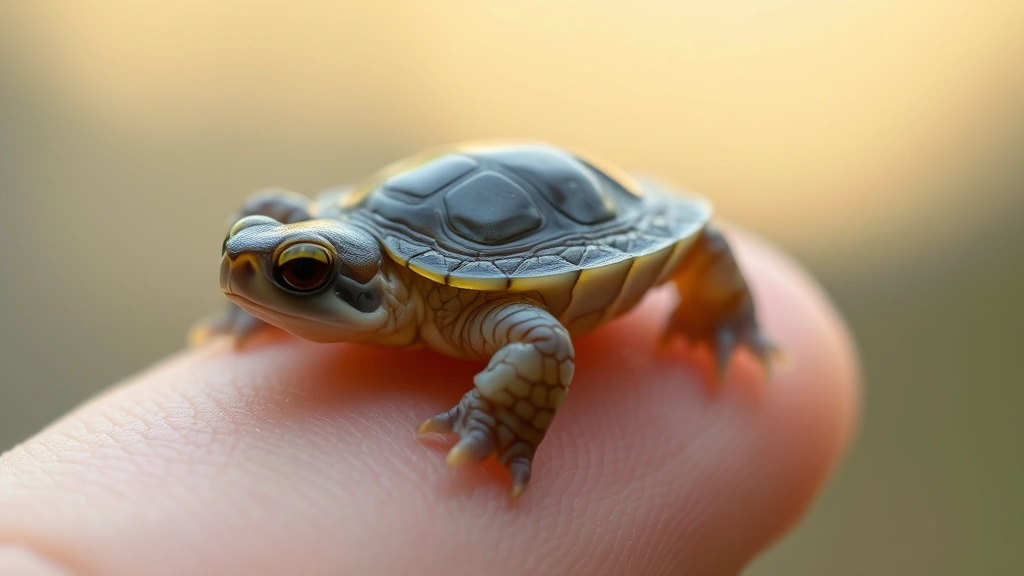
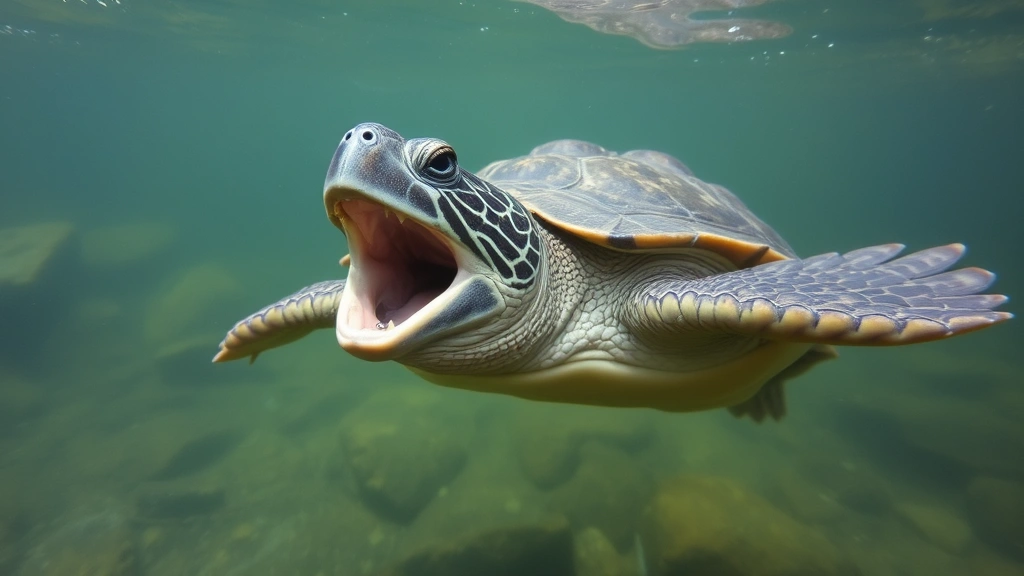
Baby snapping turtles are adorable in their own scaly way, but they’re not the same as adult snapping turtles. When hatchlings emerge, they’re typically only about the size of a coin—roughly half an inch to one inch in diameter. Their shells are softer than adults’, and their personalities are already distinctly snappy (hence the name).
These reptiles are native to North America and have adapted to freshwater environments for millions of years. They’re cold-blooded, meaning they rely on external temperatures to regulate their body functions. Understanding this fundamental aspect of their biology is crucial for proper care. Unlike mammals, snapping turtles don’t generate their own body heat, so the environment you create becomes their thermostat.
Baby snapping turtles grow relatively quickly during their first few years. You can expect them to reach about 3-5 inches by their second year. They’ll continue growing throughout their lives, eventually reaching 8-14 inches (sometimes larger). This growth trajectory matters because it affects housing requirements and feeding schedules. Many people underestimate how much space these turtles need, which often leads to stressed, unhealthy animals.
One important distinction: while baby turtle care varies by species, snapping turtles have specific requirements that differ from red-eared sliders or other common pet turtles. They’re more aggressive, more aquatic, and require warmer water temperatures than many people realize.
Essential Habitat Setup
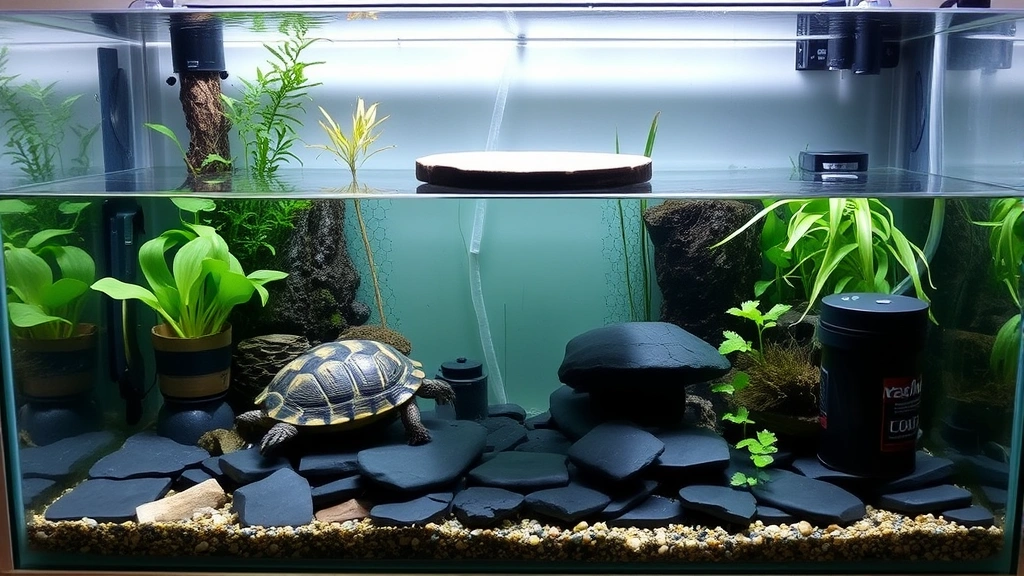
Creating the right habitat is non-negotiable if you want your baby snapping turtle to thrive. This isn’t a “fill a tank with water and call it done” situation. Proper setup requires planning, investment, and attention to detail.
Tank Size and Type
Start with at least a 40-gallon breeder tank for a baby snapping turtle, though 75 gallons is better. These turtles are active swimmers and need adequate space to explore, hide, and exercise. As they grow, you’ll need to upgrade—adult snapping turtles should ideally have 100+ gallons. The general rule is 10 gallons per inch of shell length, which adds up quickly.
Glass aquariums work well, but ensure the tank has a secure lid. Baby snapping turtles are surprisingly clever escape artists, and you don’t want your pet exploring your living room unsupervised. Rubbermaid stock tanks are popular among experienced keepers because they’re spacious, affordable, and durable.
Water Conditions
Snapping turtles are primarily aquatic, spending most of their time in water. However, they need a basking area—a dry platform where they can haul out completely. This spot should be easily accessible and positioned under a heat lamp. The basking area helps them dry their shells, which prevents shell rot and infection.
The water itself needs to be deep enough for your turtle to move around comfortably. For a baby snapping turtle, 8-10 inches of water works, but plan for deeper water as they grow. They’ll appreciate water depth that allows them to swim and dive naturally.
Temperature Control
This is where many turtle keepers stumble. Baby snapping turtles need water temperatures between 75-80°F (24-27°C). The basking area should reach 85-90°F (29-32°C). You’ll need both a submersible aquarium heater for the water and a basking lamp (heat lamp) overhead.
A thermostat-controlled heater prevents temperature fluctuations that stress your turtle. Cheap heaters without thermostats can overheat the water, causing serious problems. Invest in quality equipment—it’s one area where cutting corners causes real problems.
Filtration
Turtles are messy. They poop constantly and create waste that degrades water quality quickly. You need a strong filter—ideally one rated for a tank size larger than what you have. For a 40-gallon tank, a filter rated for 60+ gallons is appropriate. Canister filters work exceptionally well for turtle tanks, though they’re pricier than hang-on-back filters.
Even with excellent filtration, perform 25-30% water changes weekly. Test water parameters regularly using a reliable aquarium test kit. Ammonia and nitrite should always be zero; nitrate should stay below 20 ppm.
Substrate and Decorations
Avoid gravel or small substrates that baby snapping turtles might accidentally ingest. Large river rocks, slate, or bare tank bottom work better. Provide hiding spots using PVC pipes, caves, or commercial turtle hides. Baby snapping turtles feel more secure with places to retreat, which reduces stress.
Feeding and Nutrition
Baby snapping turtles are omnivores with a strong carnivorous lean, especially when young. Understanding their dietary needs prevents nutritional deficiencies that cause serious health problems.
Live and Frozen Prey
For young turtles (hatchlings to 2 years), offer small live or frozen-thawed foods several times weekly. Appropriate options include:
- Small earthworms and bloodworms
- Tiny feeder fish (though live fish can injure turtles)
- Small aquatic insects
- Daphnia and brine shrimp
- Crickets and small insects (occasionally)
Frozen-thawed foods are safer than live options because live prey can bite and injure your turtle. Thaw frozen foods in warm water before feeding, and remove uneaten food after 30 minutes to maintain water quality.
Commercial Turtle Pellets
High-quality commercial turtle pellets should comprise 25-30% of your baby snapping turtle’s diet. Look for brands with appropriate protein levels (around 40% for juveniles). Popular reputable brands include Mazuri, ReptoMin, and Zoo Med. Avoid cheap pellets with excessive fillers.
Vegetables and Greens
As your snapping turtle matures, gradually introduce vegetables. Young turtles eat primarily protein, but adults need about 40-50% vegetables. Appropriate choices include:
- Dark leafy greens (collard greens, dandelion greens)
- Squash and pumpkin
- Carrots (shredded)
- Water plants like water lettuce
Avoid iceberg lettuce—it’s mostly water with minimal nutrition. Offer vegetables 3-4 times weekly for adults, though babies don’t need them initially.
Feeding Schedule
Baby snapping turtles have fast metabolisms and need frequent meals. Feed hatchlings to juveniles (under 2 inches) daily or every other day. As they mature, transition to feeding 4-5 times weekly. Adult snapping turtles do well with feeding 3-4 times weekly or even less frequently.
Monitor your turtle’s body condition. They should have a slight roundness to their shell, not protruding or sunken. Adjust portions if your turtle appears overweight or underweight.
Water Quality and Maintenance
Maintaining pristine water conditions is fundamental to turtle health. Poor water quality causes shell disease, respiratory infections, and parasitic problems that become expensive and serious.
Regular Testing
Invest in an aquarium water test kit that measures ammonia, nitrite, nitrate, and pH. Test weekly during the first month, then bi-weekly once established. Ammonia and nitrite must always be zero. Nitrate should stay below 20 ppm—if it climbs higher, increase water change frequency.
pH should stay between 6.5-8.0. Most tap water falls within acceptable ranges, but regional variations exist. If your tap water is problematic, consider using filtered or dechlorinated water.
Water Changes
Perform 25-30% water changes every 7-10 days. Some keepers with excellent filtration extend this to biweekly, but weekly changes are safer for beginners. During water changes, siphon debris from the substrate and clean filter media in old tank water (never tap water, which kills beneficial bacteria).
Cleaning the Basking Area
Clean the basking platform weekly to prevent bacterial and fungal growth. Scrub it with a soft brush and remove any algae. A clean basking area reduces shell infections and respiratory issues.
Filter Maintenance
Clean mechanical filter media weekly in old tank water. Replace biological media only when absolutely necessary—you want to preserve beneficial bacteria. Most canister filter media lasts 6-12 months before replacement. Follow manufacturer guidelines for your specific filter.
Health and Common Issues
Even with excellent care, health problems occasionally arise. Knowing the warning signs helps you catch issues early.
Shell Rot and Infections
Shell rot appears as soft spots, discoloration, or pitting on the shell. It’s caused by bacterial or fungal infections, usually resulting from poor water quality or inadequate basking. Treat it by improving husbandry immediately and consulting a reptile veterinarian. Severe cases require antibiotic treatment.
Respiratory Infections
If your baby snapping turtle wheezes, has discharge from nostrils, or appears lethargic, respiratory infection is possible. This usually results from inadequate temperature or poor water quality. Improve conditions immediately and seek veterinary care. Antibiotics are often necessary.
Parasites
Internal parasites are common in wild-caught turtles and occasionally appear in captive-bred animals. Signs include lethargy, weight loss, and abnormal feces. A veterinarian can identify parasites through fecal examination and prescribe appropriate treatment.
Metabolic Bone Disease (MBD)
MBD results from calcium and vitamin D3 deficiencies. It causes soft shells, deformities, and lethargy. Prevent it through proper UVB lighting, calcium supplementation, and varied diet. Unlike basking heat lamps, UVB lighting is essential—baby snapping turtles need 10-12 hours of UVB exposure daily.
Finding a veterinarian experienced with reptiles is crucial. Not all vets treat turtles competently. Ask local herp communities for recommendations and establish a relationship before problems arise. Veterinary costs for turtles can be significant, so budget accordingly.
Handling and Behavior
Baby snapping turtles have personality. Unfortunately, much of it involves aggression and territorial behavior. Understanding their temperament prevents injuries and stress.
Natural Aggression
Snapping turtles earned their name honestly. They bite when threatened, startled, or protective of territory. Baby snapping turtles are tiny, so their bites don’t cause serious damage, but they hurt and can leave marks. Avoid unnecessary handling—turtles don’t enjoy being held and find it stressful.
If your baby snapping turtle hisses or strikes, it’s warning you to back off. Respect that boundary. Handling should be minimal and only when necessary for health checks or tank maintenance.
Socialization Myths
Unlike mammals, turtles don’t bond with owners or become “tame” through handling. They don’t recognize individual humans or enjoy interaction. Frequent handling causes chronic stress, which suppresses immune function and causes health problems. Handle your turtle only when necessary.
Environmental Enrichment
Provide enrichment through varied terrain, hiding spots, plants, and occasional rearrangement of tank decorations. Live aquatic plants (like water sprite) offer hiding spots and food supplementation. Turtles investigate their environment and benefit from complexity rather than bare tanks.
Compatibility with Other Pets
Snapping turtles are solitary and territorial. They shouldn’t be housed with other turtles, fish, or aquatic animals. They’ll eat smaller creatures and fight with similar-sized competitors. Keep your baby snapping turtle alone in its own tank.
Long-Term Commitment
Before bringing home a baby snapping turtle, understand the long-term commitment. These aren’t temporary pets you outgrow. Snapping turtles live 20-40 years in captivity, with some reaching 50+ years.
Space and Housing Upgrades
Your 40-gallon starter tank won’t work forever. As your turtle grows, you’ll need to upgrade to larger systems. Many experienced keepers eventually move to outdoor ponds or large indoor enclosures (200+ gallons). These upgrades require significant investment in time and money.
Financial Considerations
Initial setup costs range from $300-800 depending on equipment quality. Annual maintenance costs for food, filters, and supplies run $100-300. Veterinary care, when needed, can exceed $500-1000. Over a turtle’s 30-year lifespan, the total investment is substantial.
Educational Opportunities for Families
If you’re considering a baby boy gifts or educational pet for your child, a baby snapping turtle offers legitimate learning opportunities. Kids learn about biology, ecosystem dynamics, and responsibility. However, parental involvement is essential—children shouldn’t be solely responsible for turtle care.
Watching a baby snapping turtle grow and thrive teaches patience and attention to detail. It demonstrates that living creatures have specific needs that can’t be ignored. These lessons transfer to other areas of life and learning.
Seasonal Considerations
In nature, snapping turtles undergo brumation (hibernation) during winter. In captivity, maintaining consistent temperatures year-round prevents brumation, which is generally safer for captive turtles. However, some experienced keepers intentionally induce brumation for breeding or naturalistic purposes. This requires specific knowledge and shouldn’t be attempted by beginners.
Legal Considerations
Before acquiring a baby snapping turtle, check local regulations. Some areas prohibit wild-caught snapping turtles or limit collection. Others require permits for ownership. Captive-bred turtles are always preferable to wild-caught animals anyway—they’re healthier, better adjusted to captivity, and don’t deplete wild populations. Always source from reputable breeders or rescue organizations rather than capturing wild animals.
When considering pet options for your family, compare a baby snapping turtle to alternatives like baby crocodile care requirements or other reptiles. Snapping turtles are actually more beginner-friendly than many exotic reptiles, though they require more commitment than typical fish or mammals.
If you’re planning a baby-related gift or looking for unique present ideas, explore baby shower gift ideas or baby registry checklist options. A baby snapping turtle setup could be an unconventional but meaningful gift for the right family interested in reptiles and education.
Frequently Asked Questions
How long do baby snapping turtles live?
Baby snapping turtles typically live 20-40 years in captivity, with exceptional individuals reaching 50+ years. Some wild snapping turtles have documented lifespans exceeding 60 years. Proper care significantly influences longevity—well-maintained captive turtles often outlive those in suboptimal conditions.
Can baby snapping turtles be kept with fish?
Not reliably. While very small baby snapping turtles might initially coexist with large fish, as the turtle grows, it will hunt and consume any fish in the tank. Feeder fish are appropriate food items, but permanent tank mates should be avoided. Snapping turtles are solitary predators.
Do baby snapping turtles need UVB lighting?
Yes, absolutely. UVB lighting is essential for calcium metabolism and preventing metabolic bone disease. Provide 10-12 hours of UVB exposure daily. Replace UVB bulbs every 6-12 months, as their effectiveness diminishes over time even though they continue emitting visible light.
How often should I feed my baby snapping turtle?
Feed hatchlings and very young turtles daily or every other day. As they approach 2 years old, transition to feeding 4-5 times weekly. Adult snapping turtles thrive on 3-4 feedings weekly or even less frequently. Adjust based on individual appetite and body condition.
What size tank does a baby snapping turtle need?
Start with at least 40 gallons for a hatchling, though 75 gallons is better. Plan for upgrades as your turtle grows—adults ideally have 100+ gallons. The general rule is 10 gallons per inch of shell length. Larger tanks reduce stress and provide space for natural behaviors.
Are baby snapping turtles good pets for children?
Baby snapping turtles can be educational pets, but parental involvement is essential. They’re not interactive like mammals and don’t tolerate frequent handling. They’re better suited for observation and learning rather than hands-on play. Children should understand they’re caring for a living creature with specific needs, not a toy.
Can I keep a baby snapping turtle outdoors?
Yes, outdoor ponds work well for snapping turtles during warm months. However, outdoor turtles face predation, parasites, and disease risks. Most keepers maintain indoor systems where conditions are completely controlled. Outdoor keeping is typically an advanced option after gaining indoor experience.
What water temperature do baby snapping turtles need?
Maintain water temperatures between 75-80°F (24-27°C). The basking area should reach 85-90°F (29-32°C). Temperature consistency is crucial—fluctuations stress turtles and suppress immune function. Use a thermostat-controlled heater to maintain stable conditions.
Where can I buy a baby snapping turtle?
Purchase captive-bred baby snapping turtles from reputable breeders, established reptile dealers, or rescue organizations. Avoid wild-caught animals, which carry parasites and stress easily. Research breeders thoroughly, ask for references, and ensure the turtle appears healthy before purchase.
How do I know if my baby snapping turtle is healthy?
Healthy baby snapping turtles have smooth shells without soft spots or discoloration, clear eyes, and normal feeding behavior. They should be active swimmers with good muscle tone. A healthy turtle has a slightly rounded shell, not sunken or protruding. Any discharge, wheezing, or lethargy warrants veterinary evaluation.