What Is Lip Tie in Babies? An Expert Guide
If you’ve recently heard the term “lip tie” and wondered what it means for your baby, you’re not alone. This increasingly discussed condition affects feeding, development, and overall comfort for many infants, yet it remains misunderstood by plenty of parents. The good news? Understanding what a lip tie actually is can help you recognize potential issues early and make informed decisions about your child’s care.
A lip tie occurs when the tissue connecting your baby’s upper lip to the gum (called the frenulum) is unusually thick, tight, or positioned too low. Think of it as a restriction that limits how much your baby’s lip can move and lift. While some babies experience no problems whatsoever, others face real challenges with breastfeeding, bottle feeding, and even future oral development. The key is knowing what to look for and when to seek professional guidance.
This guide walks you through everything parents need to know about lip ties—from identifying the signs to exploring treatment options and understanding long-term implications. By the end, you’ll have the clarity to advocate effectively for your baby’s health and make decisions that work best for your family.
What Exactly Is a Lip Tie?
Let’s start with the anatomy. Your baby’s upper lip is connected to the gum by a small piece of tissue called the frenulum (similar tissue exists under the tongue, which creates what’s known as a tongue tie). This tissue normally has some elasticity and sits at a reasonable distance from the gum line, allowing the lip to move freely and lift properly during feeding.
A lip tie develops when this frenulum is either thicker than typical, shorter than normal, or positioned too close to the teeth. Instead of being a thin, delicate membrane, it becomes a restrictive band that limits the lip’s mobility. Imagine trying to lift your upper lip while someone holds it down—that’s essentially what a lip tie does to your baby.
The severity varies considerably. Some babies have mild lip ties that cause virtually no problems, while others have severe restrictions that significantly interfere with feeding and oral function. Healthcare providers typically classify lip ties into categories based on how much they restrict movement, though there’s no universal standardized classification system used across all pediatric practices.
It’s worth noting that lip ties and tongue ties often occur together, though they’re separate conditions. A baby can have one, both, or neither. Understanding this distinction matters because treatment approaches differ depending on which tissues are affected.
How Common Are Lip Ties?
Prevalence estimates vary widely, ranging from about 2% to 10% of infants, depending on which study you reference and how strictly researchers define a “clinically significant” lip tie. Some research suggests the condition might be even more common if you include mild cases that don’t cause feeding problems.
What’s interesting is that lip ties don’t discriminate—they occur across all demographics, ethnicities, and family backgrounds. They’re not something you “caused” through pregnancy choices or feeding decisions. They’re simply a variation in how a baby’s tissues developed in utero.
The increased awareness of lip ties in recent years has led to more diagnoses, which is generally positive. However, it’s also created some confusion, with some practitioners identifying lip ties in babies who aren’t actually experiencing any functional problems. This is why getting an accurate assessment from a qualified healthcare provider matters tremendously.

Signs and Symptoms to Watch For
Recognizing potential lip tie symptoms early helps you seek appropriate care quickly. However, remember that not every baby with a lip tie shows obvious signs, and not every feeding difficulty indicates a lip tie. Your pediatrician or lactation consultant can help distinguish between various causes.
Breastfeeding challenges: If you’re nursing, watch for difficulty achieving a deep latch, frequent detachment during feeds, or your baby struggling to maintain suction. Some babies with lip ties seem to work harder than they should to extract milk, leading to longer feeding sessions or frequent feeding attempts.
Bottle feeding difficulties: Even if you’re using a baby bottle, a lip tie can cause problems. Your baby might struggle to create proper suction, leak milk around the sides of their mouth, or seem frustrated during feeds.
Weight gain concerns: If feeding is inefficient due to a lip tie, your baby might not transfer enough milk, leading to slower weight gain. This is one reason pediatricians take feeding difficulties seriously.
Maternal discomfort: If you’re breastfeeding, you might experience nipple pain, cracking, or damage because your baby can’t position their mouth properly to latch deeply. This isn’t your fault, and it’s a legitimate reason to seek evaluation.
Visible appearance: Some babies with lip ties have a noticeable indentation or appearance to their upper lip when they try to smile or lift their lip. The lip might appear flat or unable to flange outward normally.
Feeding duration: Babies with lip ties sometimes nurse or bottle feed for extended periods without seeming satisfied, or they feed very frequently as they attempt to get enough milk.
Tongue thrust: You might notice your baby thrusting their tongue forward excessively during feeds, which is a compensatory mechanism when the lip can’t function properly.
Impact on Feeding
Understanding how a lip tie affects feeding mechanics helps explain why it matters. During normal feeding—whether breast or bottle—a baby needs to create a seal with their mouth, position their tongue correctly, and coordinate sucking, swallowing, and breathing. A lip tie disrupts this choreography.
When a baby’s lip can’t lift and flange outward properly, they can’t create an effective seal. They compensate by using their tongue or other mouth muscles differently, which often means working harder for less milk transfer. Some babies become frustrated by this inefficiency and refuse to feed. Others persist but don’t get adequate nutrition.
For breastfeeding mothers, this creates a painful situation. Without proper lip positioning, your baby’s latch is shallow, putting pressure on your nipple rather than drawing breast tissue into their mouth. Many mothers describe this as pinching, burning, or severe soreness. Repeated shallow latching can lead to cracked or bleeding nipples, making feeding painful and increasing infection risk.
Bottle feeding with a lip tie presents different but related challenges. Your baby might struggle to maintain suction on the bottle nipple, leading to milk leaking from the corners of their mouth. Some babies become so frustrated they refuse bottles altogether, which creates logistical challenges if you need to supplement or return to work.
The feeding impact varies dramatically based on lip tie severity and your baby’s individual compensation abilities. Some babies adapt remarkably well, while others struggle significantly. This is why professional assessment matters—it helps you understand your specific situation rather than assuming all lip ties create equal problems.

Getting a Diagnosis
If you suspect your baby has a lip tie, the first step is scheduling an appointment with your pediatrician. They can perform an initial assessment and refer you to appropriate specialists if needed. When choosing a pediatrician, it’s helpful to select someone who takes feeding concerns seriously and has experience with tongue and lip ties.
A healthcare provider diagnoses a lip tie through visual inspection and functional assessment. They’ll look at the tissue connecting your baby’s upper lip to the gum, check how much the lip can move, and observe your baby’s feeding if possible. They might ask about your feeding experiences, your baby’s weight gain, and any other symptoms.
Some providers use a classification system to describe lip tie severity, though standardization remains limited across the medical field. Generally, assessment considers both the appearance of the frenulum and the functional impact on feeding.
You might also consult a lactation consultant, especially if you’re breastfeeding. International Lactation Consultant Association members often have extensive experience with lip ties and can provide detailed feeding assessments. Many lactation consultants work alongside pediatricians and other specialists to ensure comprehensive care.
If your baby has feeding difficulties, your pediatrician might also want to rule out other causes, such as oral thrush, reflux, or other anatomical variations. This thorough approach ensures you’re addressing the actual problem rather than treating symptoms.
Treatment Options Explained
Treatment approaches for lip ties range from conservative management to surgical intervention, depending on severity and functional impact. The key principle is this: if a lip tie isn’t causing problems, treatment isn’t necessary. However, if it’s interfering with feeding, comfort, or development, intervention becomes worth considering.
Watchful waiting: For mild lip ties causing no feeding problems, many pediatricians recommend simply monitoring your baby’s development and feeding. Many babies with mild lip ties feed perfectly well and experience no issues. Regular check-ups ensure everything progresses normally.
Feeding support and technique adjustments: Sometimes, working with a lactation consultant or feeding specialist helps optimize feeding despite a lip tie. Positioning changes, latch adjustments, or specific feeding techniques can sometimes compensate for limited lip mobility. This approach is always worth trying first before considering more invasive options.
Supplementation strategies: If your baby isn’t transferring enough milk through breastfeeding or bottle feeding alone, supplementation with formula might be necessary. Using a baby brezza formula settings guide can help you prepare supplemental feeds consistently. This ensures your baby gets adequate nutrition while you explore other options.
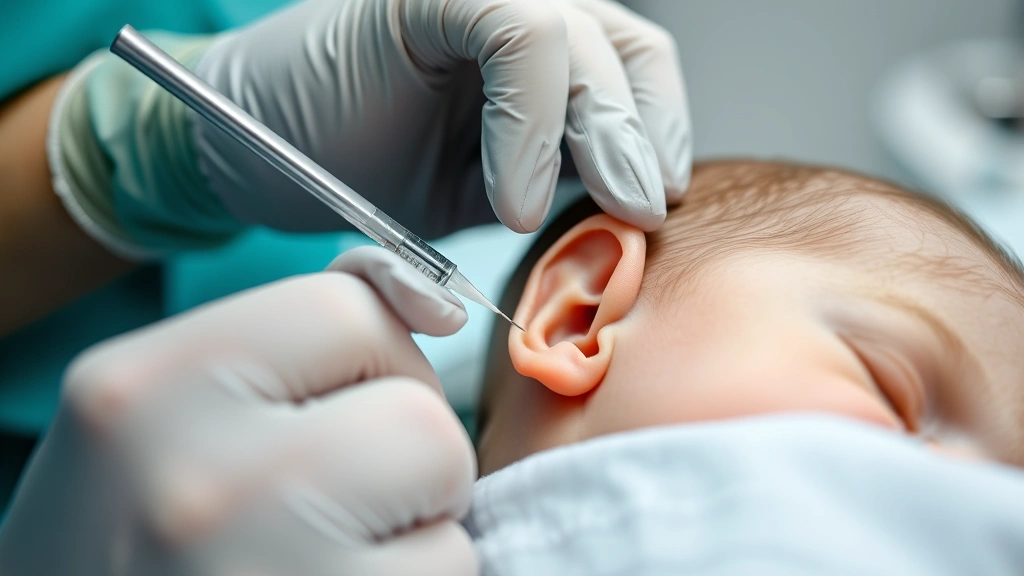
Frenotomy: This is the most common surgical intervention for lip ties. A healthcare provider makes a small cut in the frenulum to release the tissue restriction. The procedure is quick, typically takes only a few minutes, and can be performed in an office setting. It’s often done with minimal or no anesthesia in very young infants, though approaches vary among providers.
Some providers use a laser for the frenotomy, while others use traditional surgical scissors or a scalpel. Laser procedures sometimes claim advantages like reduced bleeding and faster healing, though research on this remains limited. The important factor is choosing a provider experienced with the technique they’re using.
Aftercare following frenotomy: After the procedure, you’ll receive specific care instructions. Most babies can resume feeding immediately. Some providers recommend specific stretching exercises to prevent reattachment of the tissue. You’ll typically have follow-up appointments to ensure proper healing and assess feeding improvement.
The decision to pursue frenotomy should involve careful discussion with your healthcare provider. Consider the severity of your baby’s symptoms, how much they’re affecting feeding and growth, your family’s preferences, and the expertise of available providers. The American Academy of Pediatrics provides evidence-based guidance on evaluating these decisions.
Recovery and Aftercare
Recovery from a frenotomy is typically straightforward, but understanding what to expect helps you care for your baby properly and recognize any concerning developments.
Immediate post-procedure: Most babies can feed immediately after the procedure. Some minor bleeding might occur, but it’s usually minimal and stops quickly. Your baby might be fussy, which is normal after any medical procedure.
Pain management: Babies experience minimal pain after frenotomy, partly because the frenulum has few nerve endings. Some providers recommend acetaminophen or ibuprofen for comfort, though many babies seem fine without medication. Follow your provider’s specific recommendations.
Feeding: Resume feeding as soon as your baby is ready. Many providers recommend starting within 30 minutes to an hour post-procedure. You might notice immediate feeding improvements, though some babies take a few days to adapt to the new mobility.
Stretching exercises: Some providers prescribe specific stretching exercises to prevent the frenulum from reattaching. These typically involve gently lifting your baby’s upper lip and moving it in specific patterns for several seconds, repeated multiple times daily. Ask your provider for detailed instructions if they recommend this.
Wound care: The cut site typically heals within a few days to a week. Keep the area clean and watch for signs of infection, though infection is rare. You’ll notice a small white or yellowish area as the wound heals—this is normal and part of the healing process.
Follow-up appointments: Schedule a follow-up visit to ensure proper healing and assess feeding improvement. Your provider will want to confirm that the tissue is healing appropriately and that your baby’s feeding has improved.
Feeding reassessment: If feeding doesn’t improve after frenotomy, your provider might recommend additional evaluation. Sometimes a lip tie coexists with a tongue tie, and addressing both might be necessary. Occasionally, other factors are contributing to feeding difficulties.
Long-Term Considerations
Understanding the longer-term implications of lip ties helps you make informed decisions and know what to monitor as your baby grows.
Speech development: Severe untreated lip ties might theoretically affect speech development, though research on this remains limited. The lip’s role in producing certain sounds means restricted mobility could potentially impact pronunciation. However, most children develop normal speech even with mild to moderate lip ties. If you have concerns about speech development, discuss them with your pediatrician during regular check-ups.
Dental development: Your baby’s primary teeth (baby teeth) will eventually erupt, and understanding dental development helps you anticipate potential issues. Referring to a baby teeth chart helps you track normal eruption timing. A lip tie might theoretically affect how teeth position themselves, though significant problems are uncommon. Regular dental check-ups starting around age one help monitor dental development.
Oral hygiene: As your baby grows and teeth erupt, maintaining good oral hygiene becomes important. A lip tie shouldn’t prevent normal brushing or dental care, though it might make certain areas slightly harder to access. Your pediatric dentist can provide specific guidance if needed.
Self-esteem and appearance: In rare cases where a lip tie creates an unusual appearance, it might affect a child’s self-esteem as they grow. However, most lip ties don’t create noticeable appearance changes. If appearance concerns develop, cosmetic frenotomy is an option older children and adults can pursue if desired.
Recurrence: After frenotomy, the tissue can theoretically reattach, especially if stretching exercises aren’t performed consistently. However, true reattachment causing functional problems is relatively uncommon when appropriate aftercare is followed. Some babies might need a second procedure, but this is the exception rather than the rule.
For general parenting guidance on navigating medical decisions like these, comprehensive parenting advice resources can help you think through your family’s values and preferences when making healthcare choices.
Future feeding: Most babies with treated lip ties go on to feed normally and develop typical eating patterns as they transition to solids and regular foods. The condition rarely creates long-term feeding problems once addressed.
Frequently Asked Questions
Is a lip tie the same as a tongue tie?
No, they’re separate conditions involving different tissues. A lip tie affects the tissue connecting the upper lip to the gum, while a tongue tie affects the tissue under the tongue. Some babies have one, both, or neither. Both can affect feeding, but they require separate assessment and might need different treatment approaches.
Can a lip tie cause permanent damage if left untreated?
In most cases, an untreated lip tie won’t cause permanent damage, especially if it’s mild and not significantly affecting feeding or growth. However, if a severe lip tie prevents adequate feeding and nutrition, that can create short-term problems. Additionally, prolonged feeding difficulties might lead to maternal complications like nipple damage or infection. This is why professional assessment helps determine if treatment is necessary.
At what age can a frenotomy be performed?
Frenotomy can be performed at any age, even in newborns. Many providers perform the procedure in the first few weeks of life if significant feeding problems exist. However, there’s no strict age requirement—even older babies and children can have the procedure if it’s indicated.
Will my baby need anesthesia for frenotomy?
Most frenotomies in infants are performed without general anesthesia, though the approach varies among providers. The procedure is quick and causes minimal pain, partly because the frenulum has few nerve endings. Your provider will discuss their specific approach and any pain management strategies they recommend.
How quickly will feeding improve after frenotomy?
Some babies show immediate feeding improvement, while others take a few days to adjust to their new lip mobility. Most parents notice noticeable improvement within the first week. If feeding doesn’t improve after a week or two, follow up with your provider to ensure proper healing and assess for other contributing factors.
Can a lip tie reattach after frenotomy?
True reattachment causing functional problems is relatively uncommon when appropriate aftercare is followed. However, the tissue can theoretically reattach, which is why some providers recommend stretching exercises. If reattachment occurs and causes feeding problems, a second procedure might be necessary.
Is frenotomy covered by insurance?
Coverage varies by insurance plan and whether the procedure is deemed medically necessary versus cosmetic. Frenotomy performed for feeding problems is typically covered, while cosmetic procedures might not be. Contact your insurance provider for specific information about your coverage.
Can I prevent my baby from developing a lip tie?
No, lip ties develop in utero and aren’t preventable through pregnancy choices or parenting decisions. They’re simply a variation in how tissues develop. If you have a family history of lip or tongue ties, your baby might be more likely to have one, but there’s nothing you can do to prevent it.
Should I have my baby evaluated for a lip tie even if feeding seems fine?
If feeding is going well and your baby is gaining weight appropriately, evaluation isn’t necessary. However, if you’re experiencing feeding difficulties, maternal pain, or concerns about your baby’s milk transfer, getting an evaluation helps determine if a lip tie is contributing.
What should I look for in a provider performing frenotomy?
Look for providers with specific experience performing frenotomies, whether pediatricians, dentists, ear-nose-throat specialists, or other healthcare professionals. Ask about their training, how many procedures they’ve performed, and their approach to aftercare. Getting recommendations from your pediatrician or lactation consultant helps identify experienced providers in your area.