How to Choose a Baby Beanie: A Parent’s Guide
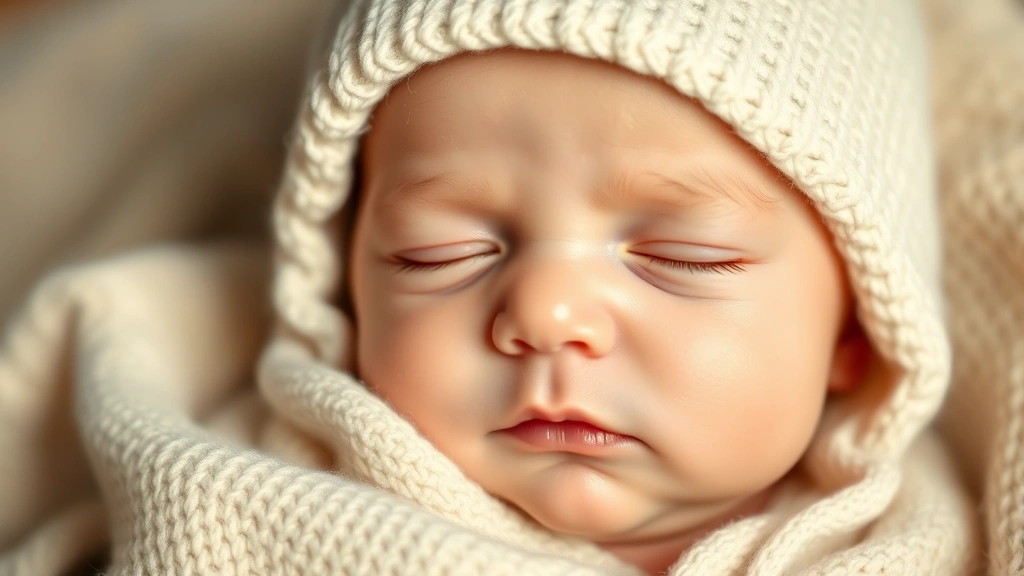
There’s something undeniably adorable about a newborn in a tiny beanie. But beyond the cuteness factor, choosing the right baby beanie involves more than just picking the one with the cutest pattern. Whether you’re a first-time parent or adding to your growing brood, understanding fabric types, sizing, safety considerations, and seasonal needs can transform this small decision into a confident choice that keeps your little one comfortable and protected.
The truth is, beanies serve a genuine purpose beyond Instagram-worthy photos. Babies lose heat rapidly through their heads, making proper headwear essential for temperature regulation—especially in those first few months. A well-chosen beanie can mean the difference between a cozy, content baby and one who’s uncomfortable and fussy.
This guide walks you through everything you need to know about selecting the perfect baby beanie for your child, from material considerations to fit and style options that actually work for real-life parenting.
Why Beanies Matter for Babies
Newborns and young infants have a limited ability to regulate their body temperature. According to the American Academy of Pediatrics, babies lose heat much faster than adults, particularly through their heads. This isn’t just old wives’ tale wisdom—it’s backed by solid physiology. A baby’s head represents a larger proportion of their total body surface area compared to adults, making it a significant avenue for heat loss.
This is why hospitals routinely place beanies on newborns immediately after birth. A properly fitted beanie helps maintain core body temperature, which is crucial for a baby’s metabolism, immune function, and overall wellbeing. Beyond the medical necessity, a baby hat offers practical benefits: it protects delicate skin from sun exposure, wind, and environmental irritants.
For parents, having quality beanies on hand means fewer temperature-related fussiness episodes and better sleep for everyone involved. It’s one of those small investments that pays dividends in comfort and peace of mind.
Understanding Fabric Types and Materials
Not all baby beanies are created equal, and the fabric choice matters significantly. Here’s what you need to know about common materials:
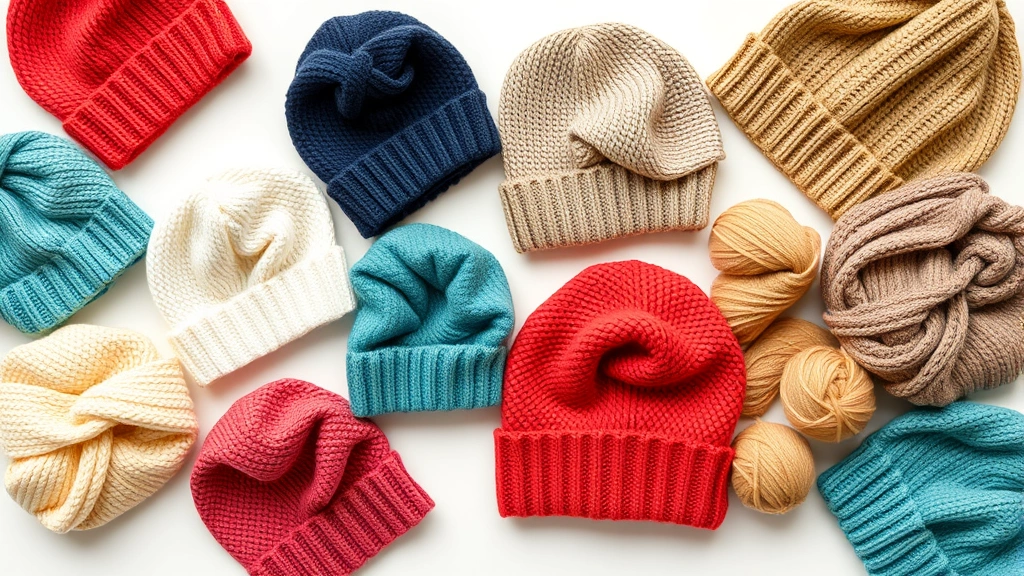
Organic Cotton: This is the gold standard for most parents. Organic cotton breathes well, regulates temperature effectively, and is gentle on sensitive baby skin. It’s hypoallergenic and free from harsh chemicals and pesticides. Look for beanies made from 100% organic cotton for the best results. This material works beautifully across seasons—warm enough in winter, breathable in summer.
Merino Wool: Don’t dismiss wool just because it sounds scratchy. Merino wool is exceptionally soft and naturally temperature-regulating. It wicks moisture away from skin and maintains warmth even when damp. For babies living in cooler climates, merino wool beanies are exceptional. Just ensure it’s labeled as “next-to-skin soft” and test the feel before purchasing.
Bamboo Fabric: Sustainably sourced and incredibly soft, bamboo fabric offers excellent breathability. It’s hypoallergenic, temperature-regulating, and gentle on sensitive skin. Bamboo beanies are particularly good for spring and fall transitions when temperatures fluctuate.
Cotton Blends: Combinations like cotton-polyester or cotton-spandex offer durability and stretch. While not as premium as 100% organic options, quality cotton blends can be practical for everyday wear, especially if your beanie needs to withstand frequent washing.
Acrylic and Synthetic Materials: These are budget-friendly but less breathable. They can trap heat and moisture, making them less ideal for babies who spend extended periods wearing them. Reserve synthetics for occasional outdoor wear in cold weather rather than all-day use.
Getting the Sizing and Fit Right
An ill-fitting beanie defeats its purpose. Too tight and it restricts circulation and causes discomfort; too loose and it slides over the baby’s eyes or falls off entirely. Here’s how to nail the fit:
Measure Your Baby’s Head: Use a soft measuring tape around the widest part of your baby’s head, just above the ears and eyebrows. Most newborns have a head circumference of 13-14 inches, but this varies. Premature babies run smaller, while some full-term babies are larger.
Check Size Charts Carefully: Different brands size differently. A “newborn” beanie from one manufacturer might fit a 0-3 month old from another. Always reference the specific brand’s measurements rather than assuming standard sizing.
Plan for Growth: Babies’ heads grow rapidly in the first year. Beanies with slight stretch are ideal because they accommodate growth without becoming too loose. Look for materials with some elasticity—organic cotton blends work well for this reason.
The Fit Test: A properly fitting beanie should sit snugly without gaps but shouldn’t leave red marks on your baby’s skin. You should be able to fit one finger comfortably between the beanie and your baby’s head. If your baby can wiggle out of it or you can pull it down over their eyes, it’s too large.
When shopping for baby hats, remember that newborns spend considerable time in beanies. An uncomfortable fit means an unhappy baby and constant readjustment on your part.
Safety Considerations Every Parent Should Know
Safety should always be your primary concern when choosing any item for your baby. Here are critical safety factors:
Avoid Loose Decorations: Buttons, pom-poms, ribbons, and other embellishments pose choking hazards. If a decoration isn’t securely stitched and could survive vigorous tugging, skip it. Your baby will inevitably grab at their beanie, so assume anything loose will end up in their mouth.
No Drawstrings for Infants: Drawstrings present a strangulation risk. The Consumer Product Safety Commission recommends avoiding drawstrings entirely for children under 8 years old. Opt for beanies with elastic bands or those that simply pull on.
Ensure Proper Ventilation: While beanies are important for temperature regulation, overheating is also a concern. Never use a beanie to wrap around your baby’s face or neck. The beanie should sit on the head only, allowing the face to remain clear and cool air to circulate.
Sleep Safety: Beanies should not be worn during unsupervised sleep. According to the CDC, loose items in the crib increase SIDS risk. Remove the beanie before placing your baby in the crib for naps or nighttime sleep.
Check for Allergens: Review fabric content carefully. If your baby has known allergies or sensitivities, avoid materials that trigger reactions. Organic, unbleached, and undyed options are safest for sensitive skin.
Seasonal Selection Guide
Different seasons demand different beanie strategies. Here’s how to approach year-round selection:
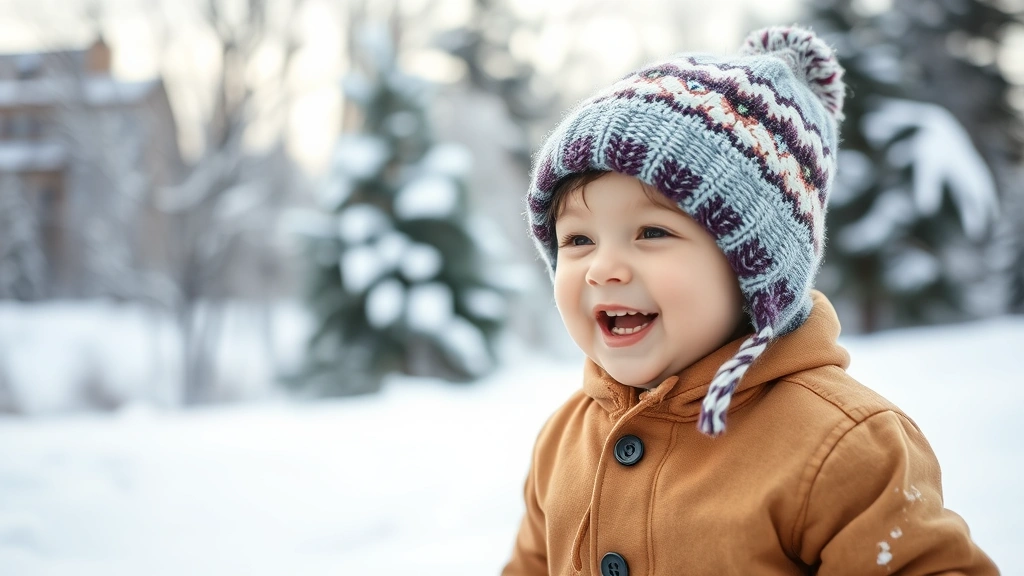
Winter Beanies: Opt for thicker materials like merino wool, fleece-lined cotton, or quality wool blends. These provide genuine insulation. Look for beanies that cover the ears fully. Consider a baby bonnet style that ties under the chin for extra security in wind.
Spring and Fall Transition Beanies: Medium-weight organic cotton or bamboo fabric works perfectly. You want something that provides light warmth without overheating. These seasons are ideal for experimenting with different styles since temperature needs are moderate.
Summer Beanies: Lightweight cotton or linen beanies protect from sun while allowing maximum breathability. Many parents skip beanies entirely in summer, opting instead for wide-brimmed hats. If using a beanie in warm weather, ensure it’s breathable enough that your baby doesn’t overheat.
Sun Protection Considerations: If your beanie serves double duty as sun protection, look for UPF ratings. Some beanies specifically designed for sun protection offer UPF 50+ coverage. The American Academy of Dermatology recommends protecting babies under 6 months from direct sun exposure.
Balancing Style with Comfort
Let’s be honest—part of the appeal of baby beanies is how adorable they look. But style should never compromise comfort or safety. Here’s how to find options that work on both fronts:
Neutral Colors for Versatility: White, cream, gray, and soft pastels work with most outfits and photos. They’re also practical because they show less dirt and staining compared to darker colors.
Gender-Neutral Options: If you’re buying beanies as baby shower gift ideas, neutral styles work for any baby. Avoid overly gendered designs unless you know the baby’s sex or the parents’ preferences.
Texture and Visual Interest: Cable knit patterns, subtle stripes, or textured weaves add visual interest without adding bulk or discomfort. These details don’t interfere with the beanie’s function.
Practical Patterns: Subtle patterns hide stains better than solid colors. If your baby is prone to spit-up or drool (and which baby isn’t?), a gentle pattern is more forgiving than pure white.
Matching Sets: Many parents appreciate beanie and mitten sets or beanie and booties combinations. These coordinate easily and simplify getting your baby dressed. Consider these as baby boy gifts or baby girl gifts when you want something cohesive.
Care and Maintenance Tips
Proper care extends your beanie’s life and maintains its quality:
Read Care Labels Religiously: Different materials have different requirements. Merino wool might need gentle hand washing, while organic cotton can typically handle machine washing on delicate cycles.
Use Gentle Detergents: Baby-specific or hypoallergenic detergents are ideal. Avoid fabric softeners and bleach, which can irritate sensitive skin and damage fibers.
Air Dry When Possible: Machine drying can shrink beanies and damage elastic. Lay flat or hang to dry naturally. This preserves the beanie’s shape and elasticity.
Store Properly: Keep beanies in a clean, dry drawer separate from other items. Avoid plastic storage bins that trap moisture. Cedar blocks can deter moths if storing wool beanies long-term.
Inspect Regularly: Check for loose threads, pilling, or damage before each use. Loose decorations should be immediately secured or removed. Replace beanies that show signs of wear and tear.
Frequently Asked Questions
At what age can babies start wearing beanies?
Newborns can wear beanies immediately after birth. In fact, hospitals place beanies on babies right in the delivery room. However, ensure the fit is appropriate for your baby’s size. Premature babies might need smaller sizes, while larger newborns might fit into 0-3 month sizes immediately.
How often should I wash my baby’s beanie?
Wash beanies as needed based on use and soiling. If your baby wears it daily, washing once or twice weekly is reasonable. If it’s only worn occasionally, washing monthly or as needed works fine. Always follow the manufacturer’s care instructions to prevent damage.
Can beanies cause flat head syndrome?
No. Flat head syndrome (positional plagiocephaly) results from prolonged pressure on one spot, typically from lying in the same position for extended periods. Beanies don’t cause this condition. In fact, varying your baby’s head position throughout the day is what matters. Remove beanies during supervised tummy time and vary sleep positions when safe to do so.
Are expensive beanies worth the investment?
Higher-priced beanies often feature better materials (organic cotton, merino wool) and superior construction. They typically last longer and feel softer. However, mid-range quality beanies serve perfectly well. Consider investing in a few quality pieces rather than many cheap options. Your baby grows quickly anyway, so you won’t use any single beanie for extended periods.
What’s the difference between a beanie and a bonnet?
A baby bonnet typically has a brim and ties under the chin, offering more coverage and security. A beanie is a simple knit hat without a brim. Bonnets are excellent for outdoor activities and provide better sun protection. Beanies are simpler and often more comfortable for everyday wear.
How many beanies should I have?
Most parents find 3-5 quality beanies sufficient. This allows for rotation while some are in the wash. Having variety in weights (thin for summer, thick for winter) means you’re prepared for different seasons and situations. As your baby grows, you’ll need different sizes, so don’t overstock in any single size.
Can my baby overheat while wearing a beanie?
Yes, if the beanie is too heavy for the ambient temperature or if your baby wears it in a warm environment. Monitor your baby’s temperature by feeling the back of their neck or checking for excessive sweating. Remove the beanie if your baby seems too warm. Opt for breathable materials in warmer months.
Are there beanies specifically designed for babies with hair?
Most beanies work for babies regardless of hair. However, if your baby has lots of hair, look for slightly larger sizes or styles with more stretch to accommodate the extra volume without being uncomfortably tight. Some parents find that smaller, stretchier beanies work better than oversized options.