How to Choose Baby Bows: A Parent’s Guide
Let’s be honest—baby bows are one of those delightful parenting accessories that sit at the intersection of practicality and pure aesthetic joy. Whether you’re dressing up your little one for a special occasion or simply adding a touch of charm to everyday outfits, choosing the right baby bows can feel surprisingly nuanced. It’s not just about picking the prettiest option; it’s about finding bows that are safe, comfortable, and actually stay put on a wiggly baby’s head.
The world of baby bows is bigger than you might expect. From delicate clips to stretchy headbands, oversized statement pieces to minimalist designs, there’s genuinely something for every parent’s style and every baby’s comfort level. The trick is knowing what to look for beyond the Instagram-worthy appeal.
If you’re building your baby’s wardrobe or searching for the perfect baby girl gifts, understanding bow options will help you make choices that work for your family’s lifestyle and your baby’s needs.
Safety Considerations That Matter
Before you get swept up in adorable bow designs, let’s talk safety—because this is genuinely the most important factor when choosing anything for your baby. The American Academy of Pediatrics emphasizes that any accessory placed on a baby should never pose a choking hazard, restrict movement, or cause discomfort.
Here’s what you need to check:
- Secure attachment: The bow should be firmly attached to a clip, headband, or hair tie. Loose bows or those with detachable embellishments are absolute no-gos for babies who love to grab everything (which is, well, all babies).
- No small parts: Avoid bows with sequins, beads, buttons, or rhinestones that could potentially come loose. Your baby’s curiosity is legendary, and their mouth is their primary exploratory tool.
- Breathability: If you’re using a headband-style bow, ensure it’s not too tight. You should be able to slip a finger underneath comfortably. A headband that’s too snug can cause discomfort and may leave marks on your baby’s delicate skin.
- Material safety: Choose bows made from non-toxic, baby-safe materials. Look for products that have been tested for harmful substances like lead or phthalates.
- Age appropriateness: Some bow styles are better suited for older babies who have better head control and are less likely to grab at accessories.
According to the Consumer Product Safety Commission, always inspect accessories regularly for wear and tear, and remove any bow immediately if you notice damage or loosening.
Types of Baby Bows Explained
Understanding the different bow styles available helps you match the right option to your needs and your baby’s age and temperament.
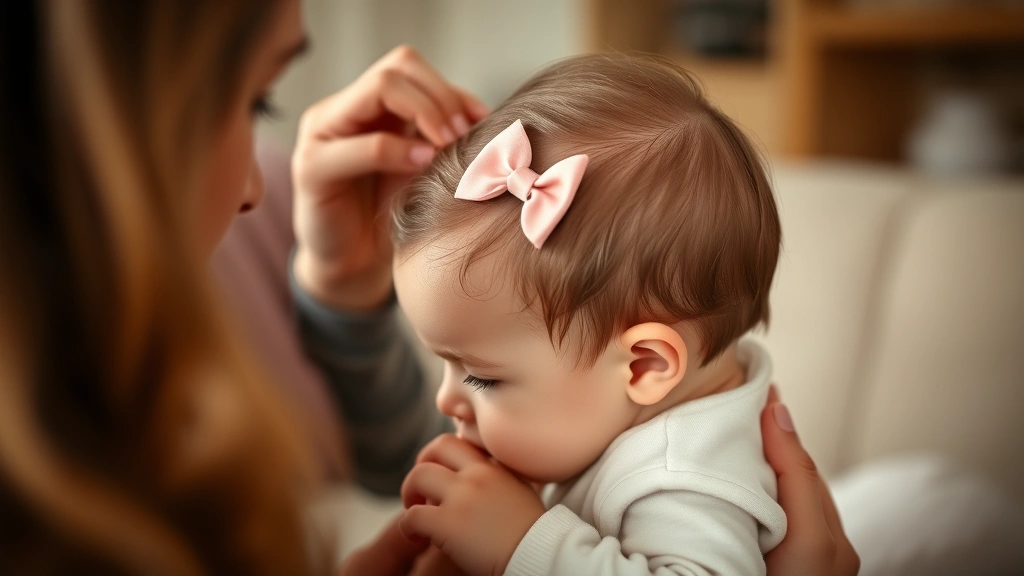
Clip-on bows: These are attached to small plastic or metal clips that grip hair. They’re fantastic if your baby has enough hair to hold them securely. The advantage? You can easily remove them without any fuss. The disadvantage? They work best on babies with thicker hair, and they might slip off if your little one is particularly active. These are ideal for photo sessions or special occasions.
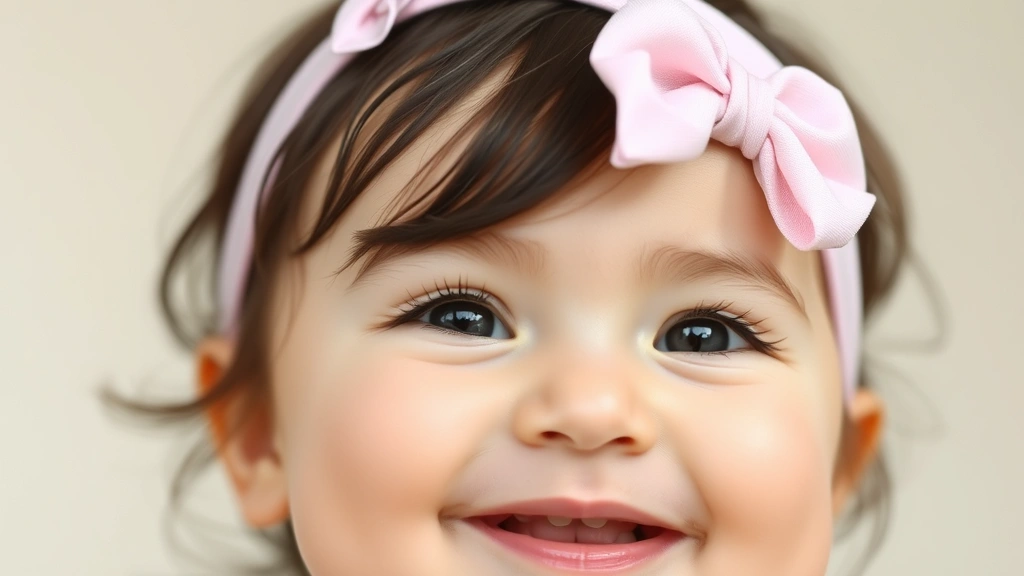
Headband bows: Stretchy headbands with attached bows are incredibly popular for newborns and younger babies who may not have much hair yet. They’re gentle, adjustable, and stay in place even during the most vigorous baby movements. The key is finding one with the right amount of stretch—too tight and it’s uncomfortable, too loose and it slides around.
Hair tie bows: For babies transitioning into toddlerhood with more developed hair, bows attached to elastic hair ties offer a secure option. These work wonderfully for everyday wear and can handle active play.
Bow-adorned accessories: Some parents love bows integrated into baby girl clothes themselves—think bow-detailed cardigans, dresses with bow embellishments, or bloomers with bow accents. This eliminates the need for separate accessories while adding that special touch to outfits.
Oversized statement bows: These are the showstoppers, perfect for special occasions and photos. They make a bold statement but might be overkill for everyday wear. Consider whether your baby will be comfortable wearing something quite that substantial.

Getting the Sizing and Fit Right
Sizing is where many parents stumble. A bow that looks perfect on the hanger might be completely impractical on your actual baby’s head.
For headbands: Measure your baby’s head circumference and compare it to the product specifications. Most baby headbands are adjustable, but you want to ensure the range covers your baby’s size. Remember that babies grow quickly, so you might want something with room to grow.
For clips: Consider your baby’s hair volume and texture. Fine, wispy hair might not hold a clip securely, while thicker hair can support larger, heavier bows. Test the grip strength—it should hold firmly without tugging painfully at hair.
For proportions: A bow’s size should be proportional to your baby’s head and face. An oversized bow on a newborn can look overwhelming, while a tiny bow might get lost on a six-month-old. Think about the visual balance you’re aiming for.
Comfort testing: When you first use a new bow, watch your baby carefully. Signs of discomfort include pulling at the bow, excessive fussiness, or red marks on the skin. If you notice any of these, it’s time to adjust or try a different style.
Materials: What Works Best
The material of your baby bow affects both durability and safety. Here’s what to prioritize:
Fabric choices: Soft, natural fabrics like cotton and linen are breathable and gentle on baby skin. Satin and silk offer a luxe look and work beautifully for special occasions. Avoid stiff synthetics that might irritate delicate skin. If you’re selecting bows for baby girl dresses, coordinate the bow material with the dress fabric for a cohesive look.
Attachment hardware: Look for high-quality clips made from sturdy plastic or smooth metal. Avoid anything with sharp edges or rough spots. Elastic should be soft and flexible, not brittle or prone to snapping.
Embellishments: If the bow includes any decoration, ensure everything is securely attached and won’t come loose. Some parents prefer completely plain bows to eliminate any risk, while others enjoy subtle details like embroidery or subtle patterns.
Hypoallergenic options: If your baby has sensitive skin or you have a family history of allergies, seek out bows labeled hypoallergenic or made from organic materials. This can prevent rashes or irritation.
Durability: Quality matters more than quantity. A well-made bow that lasts through multiple babies or siblings is better than a cheap option that falls apart after a few wears. Check reviews for longevity and construction quality.
Styling Tips for Different Occasions
Once you’ve selected safe, comfortable bows, it’s time to have fun with styling.
Everyday casual: Soft, neutral-colored headbands or small clips work perfectly for daily wear. They add a touch of sweetness without being fussy. Pastels, whites, and soft grays coordinate with almost any outfit.
Special occasions: This is where you can go bigger and bolder. Oversized bows in jewel tones, metallics, or patterns make a statement for holiday photos, family celebrations, or milestone events. Consider the venue and dress code—a formal event calls for more refined bow choices.
Seasonal styling: Adapt your bow choices to the season. Bright, cheerful bows for spring and summer; richer colors and textures for fall and winter. Holiday-themed bows are fun for seasonal celebrations, though avoid anything with small detachable parts.
Photo sessions: Professional photographers often appreciate when parents bring coordinating accessories. A bow that complements your baby’s outfit and your family’s aesthetic can elevate photos beautifully.
Coordinating with outfits: Match your bow to either your baby’s clothing or your own outfit for family photos. Complementary colors often work better than exact matches—think soft pink bow with a blush dress, or navy bow with a white outfit.
Care and Maintenance
Keeping your baby bows in good condition extends their life and ensures they remain safe.
- Regular inspection: Before each use, check that all parts are secure and there’s no damage. Look for loose threads, cracks in clips, or worn elastic.
- Gentle cleaning: Most bows can be spot-cleaned with a damp cloth. For fabric bows, hand wash in lukewarm water with mild baby soap if needed. Avoid harsh chemicals or bleach.
- Proper storage: Keep bows in a clean, dry place away from direct sunlight, which can fade colors. A small box or drawer works well. Don’t store them in damp environments where mildew could develop.
- Rotation: If you have multiple bows, rotate them to prevent overuse of any single piece. This extends the life of your collection.
- Elastic care: Avoid stretching elastic excessively, and don’t store bows while they’re stretched. Store them in their relaxed state to maintain elasticity.
Budget-Friendly Options
You don’t need to spend a fortune on baby bows. There are excellent options at every price point.
Fast fashion retailers: Stores like Target, H&M, and Old Navy offer affordable bow options in a wide variety of styles. Quality is generally decent, and you can experiment without guilt.
Online marketplaces: Amazon, Etsy, and similar platforms have countless bow options from various sellers. Read reviews carefully to assess quality and safety. Many small makers offer handmade bows at reasonable prices.
Secondhand shopping: Check Facebook Marketplace, Goodwill, or local consignment shops for gently used bows. This is especially smart for bows your baby might outgrow quickly.
DIY approach: If you’re crafty, making your own bows from fabric scraps can be fun and economical. There are countless tutorials available online, and you have complete control over materials and safety.
Quality investment pieces: While budget options are great, consider investing in one or two high-quality bows for special occasions. These hold their value, look beautiful in photos, and can be passed down to siblings or friends.
When building your collection, think about including bows as part of your baby registry checklist if you’re expecting. Bows make excellent gifts and are often appreciated by shower guests looking for something practical yet special.
Frequently Asked Questions
At what age can I start using bows on my baby?
You can use soft headband bows from birth if you choose. However, wait until your baby has enough hair (usually around three to six months) before using clip-on bows. Always ensure any accessory is secure and doesn’t pose a choking hazard.
How do I get a bow to stay in my baby’s fine hair?
Fine hair is tricky. Try using a headband bow instead of a clip, as it distributes pressure more evenly. If you want to use a clip, look for one with a stronger grip specifically designed for thin hair. Some parents use tiny rubber bands under the clip for extra grip.
Are oversized bows safe for babies?
Oversized bows can be safe if they’re securely attached and not so heavy that they cause neck strain. Reserve them for special occasions when you can supervise closely, rather than everyday wear. For very young babies, stick with proportionally smaller bows.
Can I wash bows in the washing machine?
Most fabric bows shouldn’t go in the washing machine, as the agitation can damage them and loosen attachments. Hand wash gently in cool water with mild soap, or spot-clean with a damp cloth. Always check care instructions if provided.
What’s the difference between baby bows and toddler bows?
Baby bows are typically smaller, softer, and designed for heads without much hair or with fine hair. Toddler bows can be larger and more elaborate since toddlers have thicker hair and better head control. The transition usually happens around nine to twelve months, but every child is different.
How many bows do I actually need?
There’s no magic number. A practical starter collection might include three to five bows in neutral colors you can mix and match with various outfits. If you love bows, you can expand from there. Quality matters more than quantity.
Are there hypoallergenic bow options?
Yes. Look for bows made from organic cotton, bamboo, or other hypoallergenic materials. Some brands specifically label their products as hypoallergenic. If your baby has sensitive skin, patch-test a new bow for a short period before extended wear.
Can I use bows as baby shower gift ideas?
Absolutely! Bows make thoughtful, practical gifts. Consider creating a small collection in coordinating colors, or pairing a special bow with a matching outfit. Just ensure any bows you gift meet safety standards and come with care instructions.