Is Baby Cough Syrup Safe? Expert Insights on Choosing the Right Solution
That sound. You know the one. Your baby starts coughing at 2 AM, and suddenly you’re standing in your kitchen at midnight, squinting at bottles of mysterious liquids, wondering if any of them are actually safe for your little one. The pediatrician’s office is closed. Google is giving you conflicting information. And your sleep-deprived brain is definitely not in the best state to make medical decisions.
The truth about baby cough syrup is more nuanced than the simple “yes” or “no” you might find on parenting forums. While many over-the-counter cough syrups are absolutely off-limits for babies, there are safe options available—and more importantly, there are evidence-based alternatives that often work better than medication anyway. Understanding what’s safe, what’s not, and when to actually reach for a bottle versus when to try other approaches can transform those midnight panic sessions into confident, informed decisions.
Let’s cut through the noise and get you the real information you need to keep your baby comfortable and safe when that cough strikes.
Age Guidelines and FDA Restrictions
Here’s where most parents get confused: the FDA doesn’t recommend over-the-counter cough and cold medicines for children under 4 years old. Period. Not “use with caution.” Not “consult your pediatrician first.” Just don’t use them. This guidance came after decades of research showed that these medications don’t actually work for young children and carry real risks.
For children ages 4 and up, some products are technically available, but pediatricians often still recommend avoiding them. The American Academy of Pediatrics takes an even more conservative stance, suggesting that cough and cold medicines don’t provide meaningful benefit for children under 6 years old and can cause adverse effects.
What does this mean in practical terms? If your baby is under 4, you’re not going to find a safe, FDA-approved cough syrup at your local pharmacy. And honestly, that’s probably a good thing. The research backing this restriction is solid, and there are genuinely better ways to help your baby feel better.

Why Many Cough Syrups Aren’t Safe for Babies
The ingredients in most over-the-counter cough syrups are the real issue here. Let’s talk about what’s actually in these bottles and why they’re problematic for infants.
Dextromethorphan (DXM) is the most common active ingredient in cough suppressants. It’s a central nervous system depressant that can cause drowsiness, dizziness, and in rare cases, more serious complications in young children. Babies’ bodies metabolize medications differently than adults, and their developing nervous systems are particularly sensitive to these effects.
Phenylephrine and pseudoephedrine are decongestants found in many combination products. These can increase heart rate and blood pressure, which is not something you want happening in a baby’s developing cardiovascular system. There’s also limited evidence that they actually help babies breathe better anyway.
Acetaminophen and ibuprofen are pain relievers and fever reducers that appear in many combination cough products. While these medications can be appropriate for babies at correct doses, the combination products often contain inappropriate amounts for young children, creating overdose risks if you’re also giving other medications.
Alcohol content is another sneaky concern. Some traditional cough syrups contain 5-10% alcohol—that’s higher than beer in many cases. Giving your baby alcohol in any amount is obviously problematic.
Beyond the active ingredients, many cough syrups contain artificial dyes and sweeteners that some research suggests may affect behavior and sleep in sensitive children. When you’re already dealing with a coughing baby, the last thing you need is medication making them more hyperactive or agitated.
Safe Alternatives to Traditional Cough Syrup
This is where things get genuinely encouraging. There are several approaches that are not only safe but actually more effective than medication for most baby coughs.
Hydration is your secret weapon. Keeping your baby well-hydrated helps thin mucus and makes coughing more productive. For babies under 6 months, this means breast milk or formula. For older babies, you can add small amounts of water to their diet. The goal isn’t to suppress the cough—it’s to make it easier for your baby’s body to clear the mucus naturally.
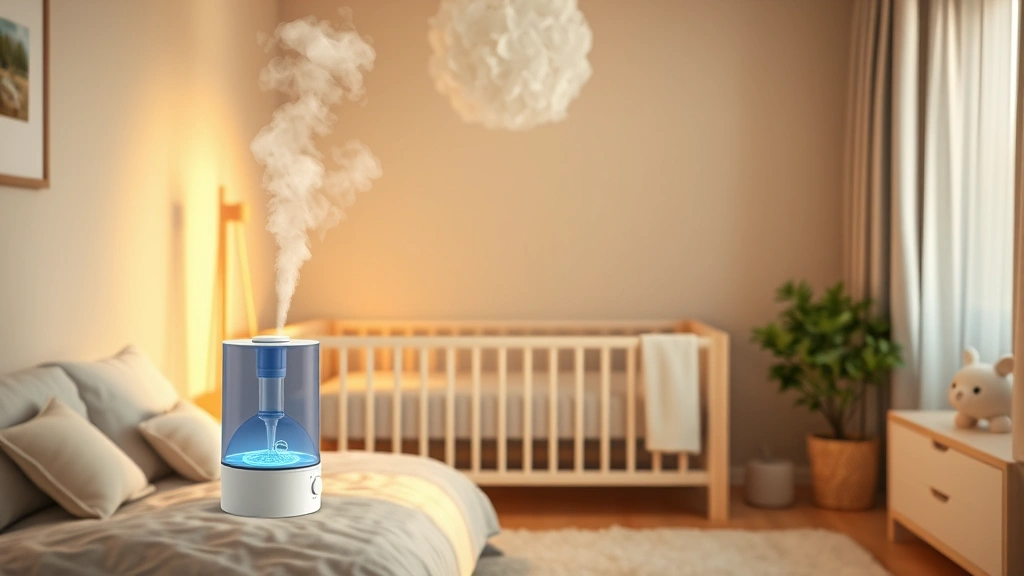
A baby humidifier can work wonders for nighttime coughs. Adding moisture to the air helps ease congestion and reduces the irritation that triggers coughing fits. Cool mist humidifiers are generally safer than warm mist (which can cause burns), and running one in your baby’s room can make a noticeable difference within a night or two. Many parents are surprised by how much better their baby sleeps with a humidifier running.
Saline nasal drops or spray can help clear nasal passages, which often reduces coughing triggered by post-nasal drip. These are completely safe for any age and can be used as often as needed. They’re also remarkably effective—sometimes clearing the nose reduces the cough dramatically.
Honey deserves special mention here because the research is actually pretty compelling. For children over 1 year old, a small amount of honey can help suppress coughs and promote sleep. The mechanism isn’t entirely clear, but multiple studies show it works. Never give honey to babies under 1 year due to botulism risk, but for older babies and toddlers, a spoonful of honey before bed can be remarkably effective. This is one of those rare cases where a traditional home remedy has solid scientific backing.
Products like Baby Vicks offer a safer topical alternative to oral medications. These rubs don’t contain harmful systemic ingredients and can provide comfort through aromatherapy and gentle warming. They’re applied to the chest and feet rather than ingested, which eliminates many of the safety concerns associated with oral medications.
When to Actually Treat a Cough
Here’s something pediatricians wish more parents understood: not all coughs need treatment. In fact, coughing is actually your baby’s body doing exactly what it’s supposed to do.
A cough is a protective reflex designed to clear airways and prevent fluid from reaching the lungs. When your baby coughs, their body is actively fighting infection and protecting their respiratory system. Suppressing a productive cough—one where your baby is bringing up mucus—can actually be harmful because it prevents them from clearing their airways effectively.
The coughs that truly warrant treatment are the ones that are interfering with sleep, eating, or causing visible distress. A baby who’s sleeping fine and eating well despite a cough? That cough is doing its job. A baby who’s up all night hacking, unable to rest or feed? That’s when you want to intervene.
Most coughs in babies are viral, which means antibiotics won’t help anyway. Your job as a parent is to provide comfort and support while your baby’s immune system does the actual fighting. This might feel passive compared to giving medication, but it’s actually the most evidence-based approach.
Natural and Home Remedies That Work
The beauty of non-medication approaches is that many of them have been used successfully for generations and now have scientific support behind them.
Steam inhalation can help loosen congestion. You don’t need to buy anything fancy—just run a hot shower and sit with your baby in the bathroom for 10-15 minutes. The warm, moist air naturally helps ease congestion and can reduce coughing. This is especially helpful before bedtime.
Elevation makes a real difference for coughing babies. When your baby is lying flat, secretions pool and trigger more coughing. Elevating the head of the crib slightly (using a wedge designed for this purpose, not pillows) can help gravity work in your favor. For younger babies, holding them upright against your chest often provides immediate relief.
Chest rubs using gentle pressure and warm hands can provide comfort and sometimes help loosen congestion. This isn’t about expensive products—simple warmth and touch often do the trick. Many babies find this soothing and it can help them settle for sleep.
Garlic and ginger have antimicrobial properties, and while you’re not going to give your baby a shot of ginger ale, adding these to your family’s diet during illness can support immune function. If you’re breastfeeding, what you eat influences your milk, so it’s not a direct benefit but it’s worth knowing.
Regarding over-the-counter teething products, if your baby is also dealing with teething pain alongside their cough, products like Baby Orajel can address that separate concern, though it won’t help with the cough itself.
Red Flags: When to Call Your Doctor
While most baby coughs are viral and resolve on their own, some situations require professional medical attention. Knowing the difference can prevent unnecessary worry and ensure your baby gets help when truly needed.
Call your pediatrician if:
- Your baby is under 3 months old and has a cough (any cough warrants evaluation in very young babies)
- The cough is accompanied by fever lasting more than three days
- Your baby is having difficulty breathing or you notice retractions (skin pulling in around ribs or neck when breathing)
- There’s wheezing or a high-pitched breathing sound
- Your baby is refusing to eat or drink
- The cough is producing blood or blood-tinged mucus
- Your baby seems unusually lethargic or unresponsive
- The cough has lasted more than two weeks
Seek emergency care if:
- Your baby is struggling to breathe or seems to be gasping for air
- There’s severe stridor (a high-pitched breathing sound)
- Your baby’s lips or tongue appear blue or purple
- Your baby is drooling excessively and unable to swallow
- There’s severe chest pain or your baby is holding their chest while coughing
Trust your instincts here. If something feels wrong, it’s always better to check with your pediatrician. They’d rather see a baby with a normal cough than miss something serious.
Frequently Asked Questions
Can I give my baby over-the-counter cough syrup if they’re really uncomfortable?
The short answer is no, and here’s why: those medications don’t actually work better than safer alternatives for babies under 4, and they carry real risks. Your baby will feel better faster with a humidifier, hydration, and comfort measures than with medication that may not help at all and could cause side effects. If your baby is truly miserable, that’s when to call your pediatrician—they might recommend specific treatments appropriate for your baby’s age and situation.
What about honey-based cough syrups marketed for babies?
These can be okay for babies over 1 year old, but read the labels carefully. Some products marketed as “honey cough syrup” still contain other ingredients that aren’t appropriate for young children. Pure honey is fine for babies over 1 year, but products with added dextromethorphan or other active ingredients should be avoided. When in doubt, ask your pediatrician about a specific product.
Is it normal for a baby’s cough to sound really bad?
Yes, absolutely. Baby coughs often sound worse than they are because babies are less efficient at coughing than adults. That barky, seal-like cough sound? Usually just sounds scary but doesn’t indicate a serious problem. That said, if the cough sounds like they’re struggling to breathe or if you’re seeing signs of respiratory distress, that’s different and warrants medical attention.
How long should I wait before treating a cough?
Most viral coughs improve on their own within 7-10 days. The first few days are usually the worst. If your baby is sleeping and eating okay, waiting a few days before intervening makes sense. If the cough is clearly disrupting their sleep and feeding, that’s when comfort measures like a humidifier become worthwhile. Medication is rarely the answer for babies under 4.
Can cough syrup cause my baby to be drowsy?
Yes, many cough syrups can cause drowsiness, which is actually why some parents are tempted to give them at night. But this drowsiness comes from the medication affecting your baby’s central nervous system, not from them being naturally tired. This is a sign that the medication is having systemic effects on your baby’s body—exactly what you want to avoid.
What if my baby has a chronic cough?
A cough lasting more than two weeks warrants a pediatrician visit to rule out underlying conditions like asthma, reflux, or persistent infection. These situations need professional evaluation and targeted treatment, not over-the-counter cough syrup. Your doctor can identify the actual cause and recommend appropriate management.
Are there any cough syrups specifically formulated for babies that are safe?
There are some products marketed specifically for babies, but most pediatricians still recommend avoiding them. The safest approach for babies under 4 is to skip medication entirely and use hydration, humidifiers, and comfort measures. For babies 4 and older, talk to your pediatrician about specific products rather than self-medicating.