Best Baby Dresses: Style and Comfort Guide
Choosing the right baby dress isn’t just about aesthetics—it’s a delicate balance between keeping your little one comfortable, looking adorable, and ensuring practicality for busy parents. Whether you’re shopping for everyday wear, special occasions, or building a versatile wardrobe, understanding what makes a quality baby dress can transform your shopping experience from overwhelming to enjoyable.
Baby dresses have evolved significantly from the days of stiff, uncomfortable fabrics and impractical designs. Modern options prioritize both style and function, featuring breathable materials, easy access for diaper changes, and thoughtful design elements that actually work for real parenting situations. This guide will walk you through everything you need to know about selecting, styling, and caring for baby dresses that your little girl will actually want to wear.
The investment in quality baby dresses pays dividends in comfort, durability, and those Instagram-worthy moments that make parenting feel a bit more magical. Let’s explore how to navigate this delightful world of tiny fashion.
Why Fabric Matters More Than You Think
The fabric you choose for your baby’s dress directly impacts her comfort, health, and how often you’ll actually use it. Babies have incredibly sensitive skin, and the wrong material can lead to irritation, overheating, or unnecessary fussiness. Understanding fabric options empowers you to make choices that work for your climate, your baby’s skin sensitivity, and your lifestyle.
Cotton is the gold standard for baby clothing, and for good reason. Organic cotton, in particular, eliminates pesticide exposure and offers superior breathability. Look for 100% cotton or high-percentage blends (at least 80%) that allow air circulation and moisture absorption. Cotton naturally regulates temperature, keeping babies warm in winter and cool in summer—a crucial feature since infants can’t regulate their body temperature as effectively as older children.
Bamboo fabric has gained popularity recently and deserves serious consideration. It’s incredibly soft, hypoallergenic, and more sustainable than conventional cotton. Bamboo naturally resists odors and bacteria, making it an excellent choice for sensitive skin. Many parents report fewer diaper rashes and skin irritation when using bamboo-based baby girl clothes.
Jersey knit and soft blends offer comfort and durability, particularly for everyday wear. These materials are forgiving when it comes to movement and play, though they may show wear slightly faster than woven cottons. The trade-off is often worth it for the comfort factor.
Avoid synthetic materials like polyester for extended wear directly against skin. While they’re often cheaper and easier to care for, they don’t breathe well and can trap heat and moisture. If you choose synthetic blends, ensure they’re no more than 20-30% of the total fabric composition.
Essential Comfort Features to Look For
Beyond fabric choice, specific design features make the difference between a dress your baby tolerates and one she actually enjoys wearing. These practical elements reflect how well designers understand the realities of parenting.
Diaper access is non-negotiable. The best baby girl dresses feature snaps or buttons at the crotch area, allowing you to change diapers without undressing your baby completely. This feature saves time, maintains body warmth, and reduces the disruption to your baby’s day. Look for sturdy snaps (preferably plastic rather than metal, which can be cold) that are securely attached.
Necklines matter tremendously. Crew necks are safest and most practical, preventing anything from getting caught. Avoid anything too tight that could restrict neck movement or breathing. Wide necklines that stretch easily make dressing and undressing simpler for both you and your baby.
Sleeve length should allow for arm movement without excess fabric. Avoid long sleeves that bunch up or restrict motion. Short sleeves or sleeveless options with a lightweight cardigan provide flexibility across seasons. Roll-cuff sleeves that can be adjusted offer practical versatility.
Waistbands should be soft and gentle without elastic that digs in. Adjustable waists with drawstrings (safely secured) or soft elastic allow for growth and comfort as your baby develops. Some premium baby girl dresses feature expandable panels that grow with your child.
Hem construction impacts both comfort and longevity. Flat-locked seams prevent irritation and are more durable than traditional seams. Soft, finished hems that won’t scratch or unravel maintain their appearance through multiple washes.
Closures should be secure but easy to manage. Snaps are generally preferable to buttons for safety and ease of use, especially when you’re changing clothes quickly. Avoid anything with small parts that could pose choking hazards.
Dresses for Every Occasion
A well-rounded baby dress wardrobe includes options for different situations. This variety ensures your baby looks appropriate while remaining comfortable regardless of the setting.
Everyday dresses form the foundation of any baby girl’s wardrobe. These should be durable, easy to clean, and comfortable enough for extended wear. Soft cotton or bamboo blends work best, in neutral colors and simple patterns that hide stains. Practical features like reinforced seams and colorfast dyes matter here since these dresses will be washed frequently and worn hard. Pair them with comfortable baby boy clothes alternatives if you’re dressing multiple children, or focus on pieces that work for your family’s lifestyle.
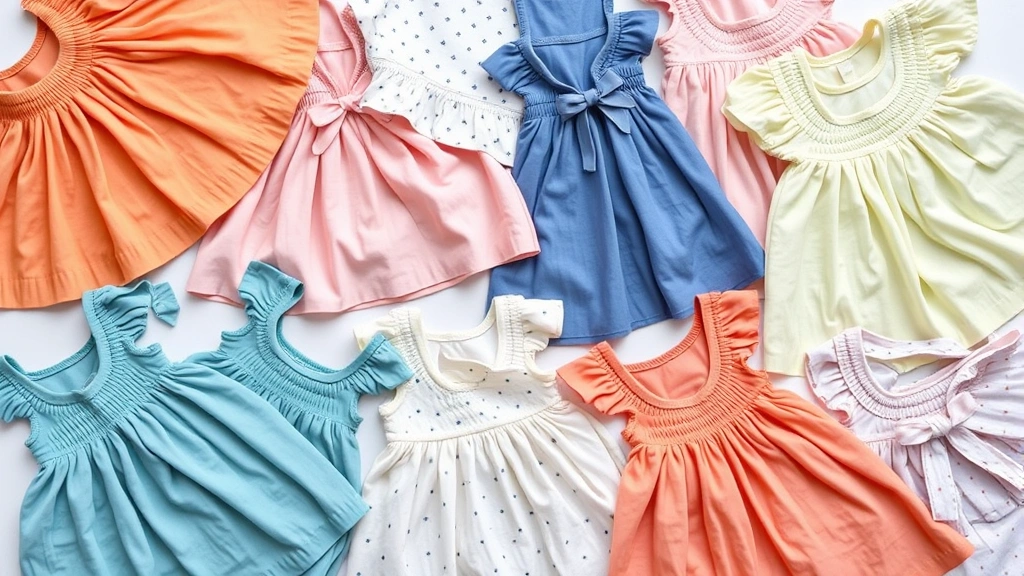
Special occasion dresses deserve investment in quality fabrics and construction. These are the dresses for holiday photos, family gatherings, and milestone celebrations. Look for elegant details like embroidery, smocking, or delicate lace, but ensure they don’t compromise comfort. Your baby should still be able to move freely and sit comfortably during events. Many special occasion dresses feature baby shower dresses styling that works for multiple celebrations.
Seasonal dresses require different considerations. Summer dresses should be lightweight and breathable, often sleeveless or with short sleeves. Winter dresses can be layered with cardigans or long-sleeved shirts underneath. Transitional dresses in medium weights work during spring and fall, offering flexibility without bulk.
Practical dresses for active play need reinforced construction and materials that withstand frequent washing. These should have secure closures, comfortable fits that allow movement, and durable fabrics that maintain their appearance.
Sizing and Fit Guide
Getting the right size is crucial for both comfort and longevity of your baby dresses. Babies grow rapidly, and sizing can vary significantly between brands, making this process more complex than it might seem.
Understand sizing standards. Most baby dresses use age ranges (0-3 months, 3-6 months, etc.) or weight ranges rather than traditional sizes. However, these are guidelines rather than absolutes. Your 6-month-old might wear 6-month, 9-month, or even 12-month sizes depending on their individual growth pattern and the specific brand’s sizing philosophy.
The fit should allow for a finger’s width of space at the waist and shoulders. Your baby should be able to move arms freely without the dress bunching excessively. The hem should hit around mid-shin to allow for crawling and movement without tripping hazards.
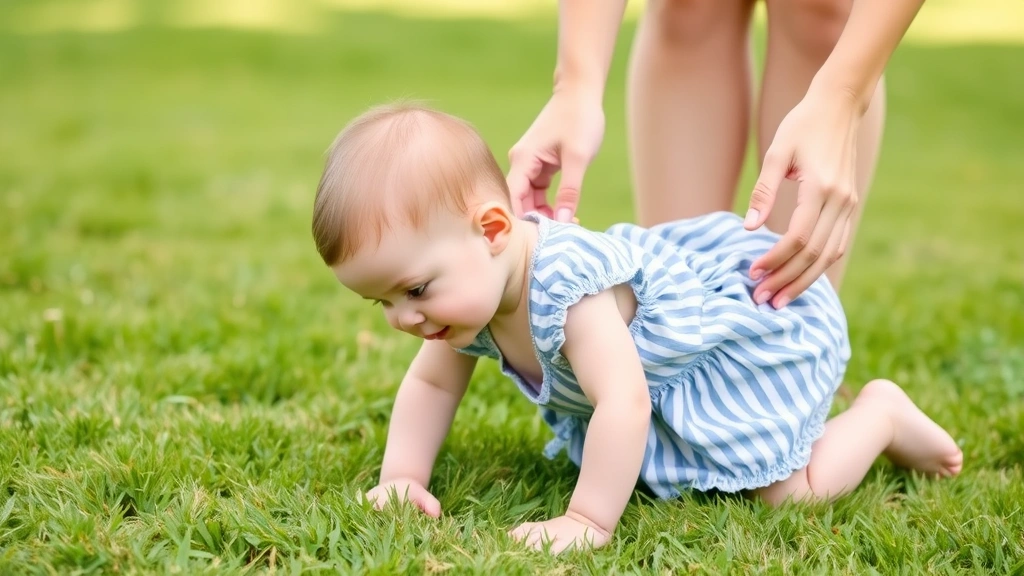
Length matters more than many parents realize. Dresses that are too long create safety hazards when babies are learning to crawl or walk. They can catch on furniture or become a tripping hazard. Conversely, dresses that are too short will quickly become too short as your baby grows taller.
Consider growth room strategically. While you want to maximize wear time, clothes that are too large create movement restrictions and can be frustrating for your baby. A moderate amount of growth room (approximately one size up) is ideal, allowing for several months of wear without excessive bagginess.
Layering impacts sizing decisions. If you plan to wear cardigans or long-sleeved shirts under your baby dresses, you might need a slightly larger size to accommodate the bulk comfortably.
Styling Tips for Baby Dresses
Creating cohesive, practical outfits with baby dresses doesn’t require extensive fashion knowledge. A few styling principles help you maximize your wardrobe and create looks that work for different situations.
Master the layering approach. A lightweight cardigan transforms a summer dress into a spring or fall outfit. Long-sleeved bodysuits worn under sleeveless dresses extend seasonal versatility. This strategy maximizes your dress wardrobe by allowing pieces to work across multiple seasons without purchasing extensive seasonal options.
Accessories add personality without requiring significant investment. Soft headbands, hair clips, or bows let you personalize looks. Choose accessories that won’t create safety hazards or cause discomfort. Avoid anything with small parts that could become choking hazards.
Footwear coordination completes outfits thoughtfully. Soft-soled shoes or booties work best for pre-walking babies, while more structured shoes suit older babies and toddlers. Color coordination between dress and shoes creates polished looks, though mismatched approaches can look intentionally stylish too.
Consider your baby registry checklist when building your dress collection to ensure pieces coordinate with items you already own. This strategic approach creates versatility from a smaller number of pieces.
Neutral base dresses in white, cream, soft gray, or pale yellow coordinate with virtually everything. They’re incredibly versatile for building multiple outfits from fewer pieces. Pattern dresses add visual interest but require more thoughtful coordination.
Quality and Durability Considerations
Investing in quality baby dresses pays dividends through durability, appearance retention, and longevity. Understanding what indicates quality helps you make informed purchasing decisions.
Seam construction reveals quality. Well-made dresses feature straight, even stitching with appropriate stitch length. Seams should lie flat without puckering. Double-stitched seams in high-stress areas (armholes, necklines) indicate durability. Run your finger along seams—they should feel smooth and secure, not rough or loose.
Fabric weight and consistency matter significantly. Quality fabrics maintain their softness through multiple washes. Press your hand against the fabric—it should feel substantial without being stiff. Cheap fabrics often feel thin or papery and deteriorate quickly with washing.
Button and snap quality directly impacts longevity. Buttons should be securely attached with multiple threads, not single-thread attachments that fail easily. Snaps should have solid plastic construction (not hollow) and be firmly set into the fabric. Metal snaps should be coated to prevent rust.
Hem quality indicates overall construction standards. Finished hems with reinforced stitching maintain their appearance through repeated wearing and washing. Unfinished hems or loose stitching suggest lower quality construction that won’t hold up to frequent use.
Dye quality affects both appearance and safety. Quality dyes remain colorfast through multiple washes, maintaining vibrant appearance. Poor-quality dyes fade significantly or bleed onto other garments. Always wash new dresses separately to check for color bleeding.
Care and Maintenance Essentials
Proper care extends your baby dresses’ lifespan and maintains their appearance and safety. Establishing good care habits from the beginning prevents costly damage and keeps garments in excellent condition.
Washing practices matter tremendously. Wash new dresses before first wear to remove any residual dyes or manufacturing chemicals. Use gentle detergents specifically formulated for baby clothes, which are typically free from harsh chemicals and perfumes. Avoid fabric softeners, which can reduce absorbency and irritate sensitive skin.
Water temperature should be warm rather than hot, which can damage delicate fabrics and set stains. Cold water works for most baby clothes and helps preserve colors. Wash baby dresses separately from adult clothing, particularly new items that may still shed dye.
Stain treatment should happen promptly. Rinse stains in cool water immediately, then treat with a gentle stain remover appropriate for delicate fabrics. Allow treatment to sit for 15-30 minutes before washing. Avoid rubbing vigorously, which can damage fibers.
Drying requires care. Air-drying preserves fabric integrity and prevents shrinkage better than machine drying. If you use a dryer, use low heat settings. Remove dresses promptly to minimize wrinkles. Avoid direct sunlight for extended periods, which can fade colors.
Storage should be in a cool, dry location away from direct sunlight and moisture. Use acid-free tissue paper to prevent creasing if storing special occasion dresses. Ensure garments are completely clean and dry before storing to prevent mildew or odors.
Regular inspection catches issues before they become major problems. Check seams, snaps, and buttons periodically for loosening. Address minor damage immediately with simple repairs that extend garment life significantly.
Budget-Friendly Shopping Strategies
Building a quality baby dress wardrobe doesn’t require unlimited spending. Strategic shopping approaches maximize your budget while ensuring your baby has beautiful, comfortable options.
Prioritize key pieces. Invest more heavily in everyday dresses that will be worn frequently and washed repeatedly. These pieces justify higher quality because they’ll be used intensively. Special occasion dresses can sometimes be more budget-friendly since they’re worn less frequently and endure fewer washing cycles.
Shop off-season strategically. Purchasing summer dresses in late August or winter dresses in January often yields significant savings. You’ll need to predict future sizes, but the savings often justify the storage space required.
Mix price points intelligently. Combine a few investment pieces with budget-friendly options. A quality everyday dress worn multiple times weekly justifies higher spending, while occasional-wear pieces can be more economical.
Consider hand-me-downs and resale markets. Quality baby dresses often look essentially new after one baby outgrows them. Online resale platforms offer significant savings on gently used items. If you have younger siblings or friends, hand-me-downs provide both environmental and financial benefits.
Sign up for brand newsletters and follow retailers on social media for exclusive discounts and early sale notifications. Many brands offer first-time buyer discounts that can provide immediate savings.
Quality basics in neutral colors provide excellent value because they coordinate with multiple accessories and remain timeless. Trendy patterns offer less long-term value since they quickly feel dated.
Frequently Asked Questions
What’s the ideal number of baby dresses to have in rotation?
Most families function well with 5-7 everyday dresses and 2-3 special occasion options. This quantity allows for regular washing without running out of clean clothes while avoiding excessive storage needs. The exact number depends on your washing schedule and whether you prefer washing daily or less frequently.
How do I know if a dress is too small or too large?
A properly fitting dress allows one finger’s width of space at the waist and shoulders without excess bunching. Your baby should move arms and legs freely. The hem should hit mid-shin without dragging on the ground or being excessively short. If you can’t fit a finger in the waistband comfortably, the dress is too small.
Are expensive baby dresses worth the investment?
Higher-priced dresses often feature better construction, superior fabrics, and more thoughtful design features. For everyday dresses worn frequently, quality investment pieces often provide better value through durability. Special occasion dresses can sometimes be found at reasonable prices without compromising quality if you shop strategically.
Can I use regular laundry detergent on baby dresses?
While regular detergent won’t necessarily damage dresses, baby-specific formulas are gentler and less likely to irritate sensitive skin. Residual detergent on clothing can cause irritation, so baby-specific options minimize this risk. The investment in specialized detergent is relatively small and provides peace of mind.
How should I handle growth spurts in sizing?
Allow approximately one size of growth room when purchasing, but not excessive amounts that create movement restrictions. When dresses become noticeably snug, it’s time to transition to the next size. Some families purchase two sizes and alternate as babies grow, maximizing wear time across sizes.
What features are most important for a baby’s first dresses?
Comfort and practicality should be your primary focus initially. Soft fabrics, diaper access closures, and appropriate sizing matter far more than style. Once you have comfortable basics, you can explore more fashionable options. Most babies don’t care about aesthetics—they care about comfort.
Are organic baby dresses necessary?
While not strictly necessary, organic options eliminate pesticide exposure and often feature superior construction. If budget allows, investing in organic for pieces worn closest to skin makes sense. Mixing organic and conventional pieces allows you to prioritize spending based on your values and budget.
How can I prevent baby dresses from shrinking?
Wash in warm (not hot) water and air-dry whenever possible. If using a dryer, select low heat settings. Most shrinkage occurs with hot water and high-heat drying. Following care label instructions carefully prevents unnecessary damage and shrinkage.