Best Baby Girl Shoes: Expert Shopping Guide
Finding the right shoes for your baby girl involves more than just picking the cutest pair. Between navigating sizing, understanding developmental stages, and balancing style with comfort, new parents often feel overwhelmed by seemingly simple decisions. The truth is, baby feet grow at lightning speed—sometimes outgrowing shoes within weeks—so knowing how to shop smartly can save you money and ensure your little one’s feet stay happy and healthy.
Whether you’re shopping for your first baby girl or adding to your growing crew, this guide breaks down everything you need to know about selecting the best baby girl shoes. We’ll cover the developmental considerations that matter, help you understand sizing accurately, and share honest recommendations across different categories and price points. By the end, you’ll feel confident making choices that work for your family’s lifestyle and budget.
When to Start Buying Baby Shoes
Here’s something that might surprise you: your newborn doesn’t actually need shoes. In fact, pediatricians often recommend keeping babies barefoot indoors during their first months. Bare feet allow babies to feel the ground beneath them, which helps with balance development and sensory awareness. Soft socks or footies work perfectly fine for warmth and protection at this stage.
Once your baby reaches around 6 months and starts showing interest in reaching for her feet, that’s when soft, flexible first shoes become relevant. Baby booties are an excellent starting point—they’re barely shoes at all, really, but rather soft coverings that keep tiny feet warm while allowing complete freedom of movement. Most babies don’t need actual structured shoes until they’re cruising furniture or taking their first tentative steps, typically between 9-15 months.
The American Academy of Pediatrics emphasizes that early walkers benefit most from going barefoot indoors whenever safely possible. If you do choose shoes for younger babies, prioritize flexibility and breathability over anything else. Your goal isn’t fashion at this stage—it’s comfort and foot health.
Understanding Baby Shoe Sizing
Getting the size right makes an enormous difference in how comfortable your baby feels. Poorly fitting shoes can cause blisters, inhibit proper walking development, and create negative associations with footwear. The challenge? Baby feet grow incredibly fast—sometimes a full size every two to three months during the first year.
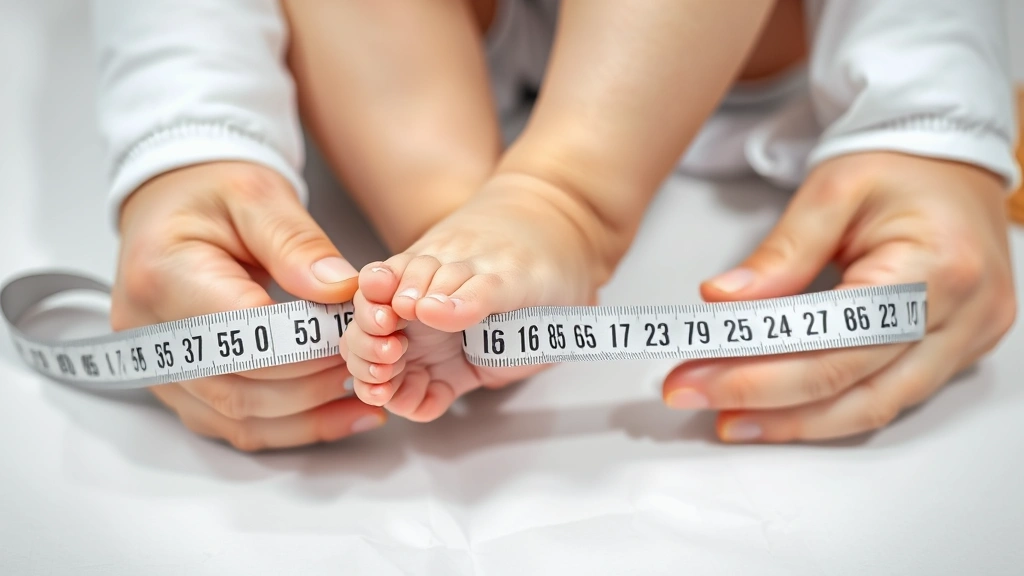
Professional shoe fitting is genuinely worth the investment, at least for your baby’s first pair. Visit a store where staff can measure both feet properly, as babies often have slightly different sized feet. Many children’s shoe retailers offer this service free of charge. You’ll learn your baby’s exact length and width, which matters far more than age-based sizing.
When you’re ready to measure at home, here’s the correct approach: have your baby stand barefoot on a piece of paper (or use a baby shoe size chart as reference). Trace around her foot and measure from heel to longest toe. Add about half an inch to an inch of growing room—this is crucial. You should be able to fit your pinky finger between her heel and the back of the shoe when she’s wearing it. Too much room causes tripping; too little causes discomfort and restricts growth.
Sizing varies significantly between brands, so never assume your baby wears the same size across all manufacturers. Always check individual brand sizing guides and read reviews from other parents about fit. Width matters just as much as length—many babies have wider feet than average, and cramming them into narrow shoes causes real problems.
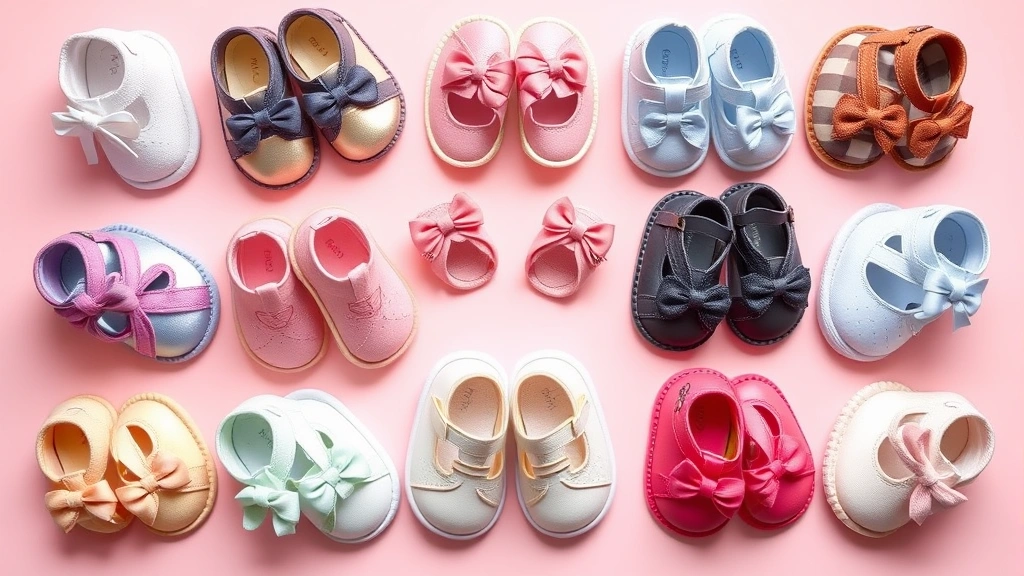
Types of Baby Girl Shoes to Consider
Different occasions and developmental stages call for different shoe types. Rather than buying one pair and expecting it to work everywhere, consider building a small rotation that covers your actual needs.
Soft-Soled Shoes: These are ideal for beginning walkers because they allow feet to flex naturally. The sole is flexible enough to bend with your baby’s foot, promoting proper muscle development. Brands specializing in soft-soled shoes often use leather or high-quality flexible materials that breathe well. These work beautifully for indoor play and casual outings.
Hard-Soled Shoes: Once your baby is walking confidently, harder soles offer more protection and support on rough surfaces. These shoes are necessary for outdoor play, parks, and varied terrain. They should still be flexible at the ball of the foot, but the heel and arch provide more structure.
Sandals and Summer Shoes: Breathable sandals are perfect for warm weather. Look for styles with secure straps that won’t slip off during active play. Velcro closures are typically more reliable than buckles for babies.
Seasonal Options: Winter requires insulated, waterproof options that keep tiny feet warm and dry. Snow boots with good traction prevent slipping on icy surfaces. Spring and fall call for moderate protection with breathable materials.
When shopping for baby girl clothes and coordinating outfits, you’ll want shoes that work with your style preferences. However, remember that function always trumps fashion when it comes to footwear. A beautifully designed shoe that doesn’t fit properly does more harm than good.
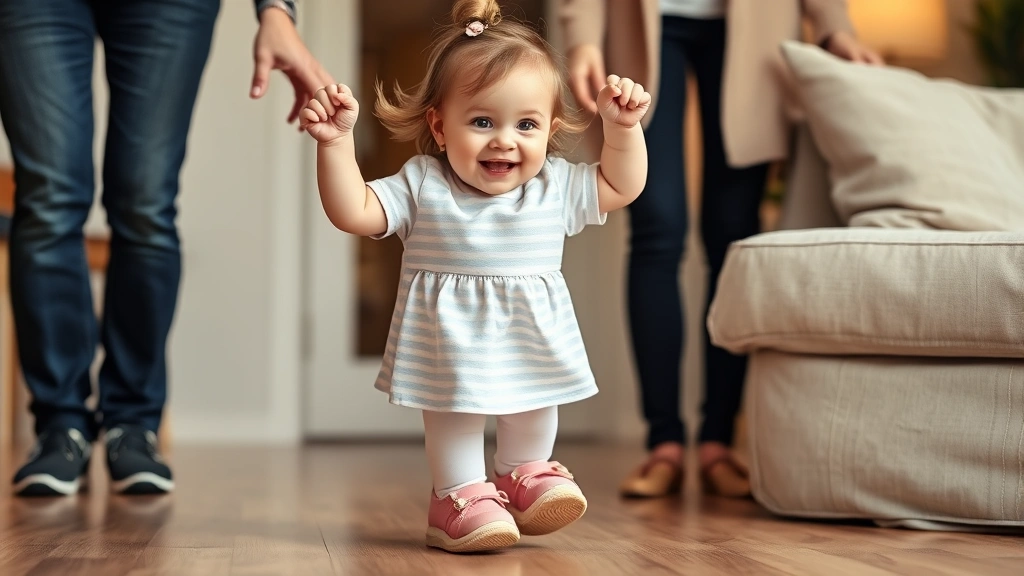
Material and Construction Quality
The materials used in baby shoes directly impact foot health and longevity. Quality construction means the shoes will last through multiple children and maintain their shape.
Leather: Genuine leather is breathable, molds to your baby’s foot shape, and lasts through multiple wearers. It’s more expensive upfront but often proves more economical long-term. Leather also naturally resists odor and moisture better than synthetic materials. Look for soft, supple leather without stiff areas that could cause blisters.
Canvas and Cotton Blends: These natural materials breathe well and are easy to clean. They’re typically more affordable than leather and work great for casual wear. Canvas does wear faster than leather, so expect a shorter lifespan.
Synthetic Materials: Many affordable brands use synthetic uppers. While these can be fine, ensure they still allow adequate airflow. Avoid plastic-feeling materials that don’t breathe, as they trap moisture and create uncomfortable conditions for developing feet.
Insoles and Padding: Look for cushioned insoles that support the arch without being overly rigid. Removable insoles are helpful because you can wash them or replace them as needed. The heel should have adequate cushioning to absorb impact during walking.
Closures: Velcro is typically more practical for babies than laces, which can come undone and pose safety risks. Elastic or adjustable closures that grow with your baby’s foot are ideal. Avoid closures that are too tight or too loose—they should hold the shoe securely without restricting circulation.
Top Baby Girl Shoe Brands
Several brands have earned reputations for combining quality, comfort, and style in baby footwear.
Stride Rite: A classic choice trusted by pediatricians, Stride Rite emphasizes proper fit and foot development. Their shoes are on the pricier side but last through multiple children. They offer professional fitting services in many locations and provide detailed sizing guidance.
Robeez: These soft-soled shoes are perfect for pre-walkers and early walkers. They’re designed to mimic barefoot walking while providing protection. Parents love their durability and adorable designs. They’re particularly great for baby girl gifts because they combine practicality with cute aesthetics.
See Kai Run: This brand focuses on sustainable, high-quality materials and thoughtful design. Their shoes are flexible, breathable, and available in stylish colors. They’re moderately priced and work well for both casual and dressy occasions.
Clarks: Known for quality construction, Clarks offers both soft and hard-soled options. Their shoes are durable and available in classic styles that pair well with various outfits. They’re mid-range in pricing and offer good value.
Freshly Picked: If you’re looking for premium leather moccasins, Freshly Picked is worth considering. Their soft-soled shoes are handcrafted and beautiful, making them popular gift choices. They’re an investment but last beautifully.
Budget-Friendly Options: Brands like Carter’s, Old Navy, and Target’s Cat & Jack offer affordable shoes that work fine for casual wear. While they may not last through multiple children, they’re great for growing feet that outgrow shoes quickly.
Shopping Tips and Budget Strategies
Smart shopping strategies help you get quality shoes without breaking the budget.
Shop Off-Season: Buy winter boots in spring and summer sandals in fall. Retail stores deeply discount seasonal inventory, sometimes offering 40-60% off. Online retailers often have even deeper discounts.
Consider Hand-Me-Downs Carefully: While clothing hand-me-downs make sense, shoes are trickier. Your baby’s foot shape is unique, and wearing shoes molded to another child’s foot can cause problems. Shoes from family members are okay if they’re minimally worn and fit your baby well, but avoid heavily worn pairs.
Buy Slightly Ahead: Because growth is unpredictable, buying a half-size larger occasionally makes sense. Just ensure the fit isn’t so loose that your baby trips. The half-inch to inch of growing room guideline still applies.
Rotate Multiple Pairs: Having 2-3 pairs in rotation extends the life of each pair and allows them to dry properly between wears. This also means you always have backup shoes available.
Check Return Policies: Buy from retailers with generous return windows so you can send shoes back if they don’t fit right after your baby wears them. Many stores offer 30-60 day returns, which is crucial when buying shoes you haven’t physically tried on.
Join Resale Communities: Facebook groups and apps like Poshmark and Mercari have thriving baby shoe resale markets. You can find barely worn designer shoes for 50-70% off retail. This is especially smart for expensive brands you might not otherwise afford.
When coordinating shoes with baby girl dresses for special occasions, consider renting or buying secondhand rather than purchasing new. Your baby will likely wear the shoes once or twice before outgrowing them, making full-price purchases wasteful.
According to the American Academy of Pediatrics, proper shoe fit is essential for healthy foot development in young children. Taking time to measure correctly and fit shoes properly pays dividends in your child’s comfort and development.
Frequently Asked Questions
At what age should I buy shoes for my baby girl?
Most babies don’t need shoes until they’re walking, typically between 9-15 months. Before that, soft socks or booties provide adequate warmth and protection. When your baby starts pulling to stand and cruising furniture, that’s when actual shoes become relevant.
How often should I replace baby shoes?
Baby feet grow rapidly, so plan to replace shoes every 2-3 months during the first year. After age one, growth slows somewhat, but you’ll still likely need new shoes every 3-6 months. Always check fit before each season or whenever you notice your baby’s feet have grown.
Should I prioritize style or comfort?
Comfort always comes first with baby shoes. Proper fit, breathability, and flexibility matter far more than aesthetics. That said, modern baby shoes offer both—you don’t have to choose between cute and comfortable. Just ensure comfort isn’t sacrificed for looks.
Are expensive shoes worth the investment?
Expensive doesn’t always mean better, but quality brands do tend to last longer and offer better foot support. Mid-range options from reputable brands often provide the best value. If you plan to have more children, investing in durable shoes makes sense. For single-child families with fast-growing feet, budget options work fine.
Can I use the same shoes indoors and outdoors?
Yes, one pair can work for both if you choose carefully. Look for shoes with flexible soles and good breathability. However, having separate shoes—soft-soled for indoors and sturdier for outdoors—gives your baby more appropriate support for each environment.
What should I do if my baby refuses to wear shoes?
Many babies resist shoes initially. Try introducing them gradually, starting with soft booties for short periods. Make it fun—let her watch you put them on, praise her for wearing them, and keep sessions brief. Some babies adapt within days; others take weeks. Patience and consistency help.
How do I know if shoes are too tight?
Check for red marks on the skin after removing shoes, or watch for your baby limping or refusing to walk. You should always fit your pinky finger between her heel and the shoe back. If you can’t fit your finger, the shoes are too tight.
Are secondhand baby shoes safe?
Gently used shoes from family or trusted resale sources are fine if they fit well and show minimal wear. Avoid heavily worn shoes that have molded to another child’s foot shape. Always inspect for damage, odor, or signs of foot problems in the previous wearer.