Are Baby Headphones Safe? Expert Insights on Sound, Development, and Smart Choices
The moment your baby discovers music, you might wonder: can they safely enjoy it through headphones? It’s a question that sits at the intersection of parenting practicality and genuine concern. Whether you’re considering baby girl gifts that include audio devices or simply want to protect your child’s hearing during screen time, understanding the safety landscape around baby headphones matters.
Here’s what we know: babies’ ears are developing, their auditory systems are sensitive, and the stakes feel real. Yet the answer isn’t a simple yes or no. Instead, it’s nuanced, evidence-based, and deeply connected to how, when, and at what volume your child uses headphones.
Let’s dig into what experts actually recommend, what the research shows, and how you can make informed decisions that keep your baby’s hearing healthy while still allowing them to enjoy audio content.
Why Parents Should Care About Baby Headphones
Your instinct to question baby headphones safety is sound. Hearing loss in children can affect speech development, learning, and social interaction. Unlike adults who can articulate ear discomfort, babies can’t tell you if something hurts or feels wrong. This vulnerability is why the American Academy of Pediatrics (AAP) and other organizations take this topic seriously.
The concern isn’t theoretical. Noise-induced hearing loss is permanent and preventable. According to CDC data on hearing loss, approximately 1 in 500 newborns has significant hearing loss, and additional hearing damage from environmental noise is entirely avoidable with proper precautions.
What makes this particularly relevant today is the proliferation of audio content for babies. From educational apps to music streaming services to video content, babies are exposed to more audio than previous generations. Headphones seemed like a logical solution—keeping sound contained and preventing disruption. But that convenience comes with considerations parents need to understand.
How Baby Hearing Develops
Understanding how babies’ ears work is fundamental to making safe choices. A baby’s auditory system is fully formed at birth, but the brain’s ability to process sound continues developing through early childhood. This developmental window is critical—what happens during these years shapes how your child processes language, learns, and develops.
Newborns can hear sounds from birth, but their hearing sensitivity differs from adults. Their ears have smaller ear canals and different acoustic properties. This means sound reaches the eardrum differently, and volume perception isn’t the same as it is for older children or adults.
The inner ear—where sound vibrations become neural signals—is particularly vulnerable during development. Exposure to loud noise during critical developmental periods can damage hair cells in the cochlea that don’t regenerate. This is why protecting young ears isn’t just about preventing immediate discomfort; it’s about safeguarding lifelong hearing health.
Between birth and age three, babies develop the foundational auditory processing skills that support language acquisition. Protecting hearing during this window is an investment in speech development, literacy, and academic success down the road.
Volume Levels and Hearing Damage
The decibel scale can feel abstract, but it’s crucial for understanding headphone safety. The World Health Organization recommends safe listening levels of 85 decibels or lower for extended periods, with 100 decibels being a threshold beyond which hearing damage accelerates dramatically.
To put this in perspective: normal conversation is around 60 decibels, a busy restaurant is 70-80 decibels, and typical music through headphones for adults often reaches 90-100 decibels. For babies, safe limits should be even lower—generally considered 75-80 decibels for extended listening.
Here’s where headphones create particular risk: they deliver sound directly into the ear canal, concentrating volume in a small space. A volume level that seems moderate on a speaker might be dangerously loud through headphones. Additionally, babies can’t adjust volume themselves or remove headphones if sound becomes uncomfortable.
Research shows that even brief exposure to sounds above 100 decibels can cause hearing damage, particularly in young children whose auditory systems are still developing. Cumulative exposure to sounds in the 85-90 decibel range over extended periods also poses risk, even without a single loud incident.
The duration of exposure matters as much as volume. Thirty minutes of music at safe levels is different from six hours at the same volume. Your baby’s developing ears need regular quiet time to recover and develop properly.
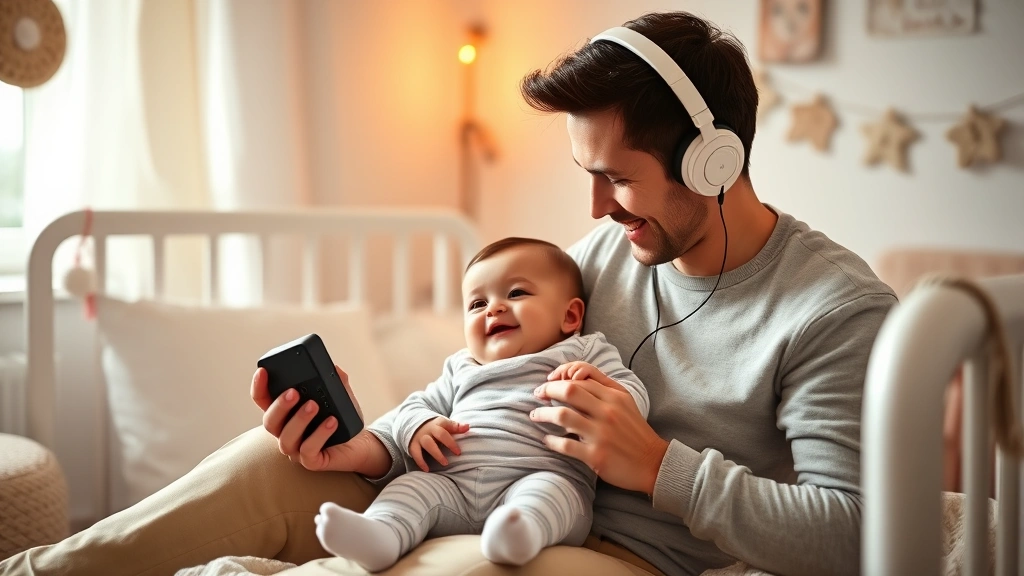
What Experts Actually Recommend
The American Academy of Pediatrics doesn’t explicitly recommend against headphones for babies, but they do emphasize protective practices. Their broader guidance on screen time and media consumption includes considerations for audio exposure.
AAP recommendations for healthy media use suggest limiting screen time and ensuring audio exposure is age-appropriate and at safe volumes. For children under two, they recommend high-quality programming that supports development, consumed with parent involvement.
The consensus among pediatric audiologists is straightforward: if you use headphones with babies, volume should never exceed 85 decibels, and duration should be limited. Most experts suggest keeping headphone use to 60 minutes or less per day for young children, with regular breaks.
Some audiologists recommend avoiding headphones entirely for children under three, arguing that their developing ears don’t need this exposure and that alternatives exist. Others take a more moderate stance: headphones are acceptable if parents follow strict safety protocols.
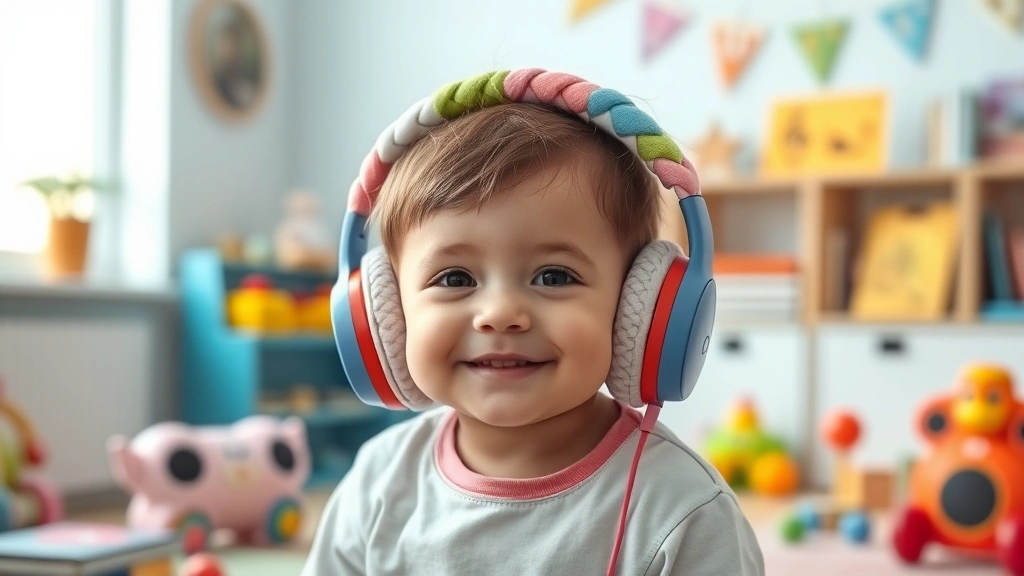
What virtually all experts agree on: babies should never use adult headphones, which typically deliver higher volumes and are designed for larger ears. If headphones are used, they must be specifically designed for children, with volume-limiting features.
Safe Practices for Baby Audio
If you decide to use headphones with your baby, implementing these practices minimizes risk:
- Use volume-limiting headphones designed for children. These are engineered to cap maximum output at safe levels (typically 85-91 decibels). Brands specifically designed for kids include Puro Sound Labs, JBL Jr, and LilGadgets.
- Set volume at the lowest comfortable level. If you can’t hear the audio clearly when holding the headphones, it’s probably too quiet for your baby to enjoy—which is the point. Discomfort shouldn’t drive volume up.
- Limit daily duration to 60 minutes or less. Even at safe volumes, extended exposure should be avoided. Your baby’s developing brain needs variety in auditory input.
- Never use adult headphones or earbuds. These lack volume protection and deliver sound at unsafe levels. They’re also physically inappropriate for small ears.
- Take regular breaks. Alternate between headphone listening and other activities. Silence and varied sound environments support healthy auditory development.
- Monitor for signs of discomfort. If your baby pulls at their ears, seems irritated, or avoids headphones, stop use. Some babies simply don’t tolerate them well, and that’s okay.
- Avoid headphones during sleep. Sleeping babies can’t adjust or remove headphones, making this particularly risky. Audio content should only be used during waking hours when you’re actively supervising.
- Test volume yourself first. Put the headphones on your own ears, set them to the intended volume, and verify it sounds reasonable. Your comfort level is a baseline.
Alternatives to Headphones
Before committing to headphones, consider whether alternatives better serve your needs. Many parents discover they don’t actually need headphones for their babies—they just need to think creatively about audio delivery.
Speakers and sound systems: Quality speakers deliver audio to the entire room rather than directly into ears. This distributes sound more naturally and allows you to monitor volume easily. Bluetooth speakers designed for nurseries are affordable and effective.
Live music and singing: Your own voice is the most developmentally beneficial audio for babies. Singing, talking, and making sounds together builds language skills and emotional connection simultaneously. No equipment needed.
Music classes and group activities: Many communities offer music classes for babies and toddlers. These provide structured audio exposure in safe environments with professional guidance on appropriate volumes and pacing.
Screen-based content with external audio: If your baby watches age-appropriate videos, let audio play through the device’s speaker or a connected speaker rather than headphones. This keeps volume in your control and audible to you.
Audiobooks and podcasts through speakers: Educational content designed for young children can play through room speakers during play or quiet time, providing language exposure without the ear-specific risks of headphones.
For many families, these alternatives prove more practical anyway. Babies can move freely, you maintain better audio control, and development-supporting interaction happens naturally.
Choosing Safe Headphones if You Use Them
If you decide headphones are right for your family, specific features matter enormously. Not all children’s headphones are created equal, and price doesn’t always correlate with safety.
Volume-limiting technology: Look for headphones that physically limit maximum output to 85-91 decibels. This is non-negotiable. Check product specifications—legitimate children’s headphones list maximum decibel output clearly.
Proper fit and comfort: Headphones should fit snugly but not tightly. Ill-fitting headphones either fall off frequently or press uncomfortably on developing ears. Adjustable headbands that grow with your child extend usability and maintain proper fit.
Durability and safety design: Look for padded ear cups, flexible headbands, and materials free of small parts that could become choking hazards. Reinforced cords prevent damage that might expose internal components.
Wired versus wireless: Wired headphones eliminate radiation concerns and typically offer simpler volume control. Wireless options provide freedom of movement but require battery management. Both can be safe if designed appropriately.
Parental controls: Some models include apps or controls allowing parents to set volume limits remotely. These add an extra layer of safety, particularly as children age and gain more independence.
Reputable brands: Established manufacturers who specialize in children’s audio typically invest more in safety features. Research reviews from parents and audiologists before purchasing.
Consider these options among baby boy gifts or baby girl gifts only if they meet these specifications. Otherwise, they’re accessories without genuine safety value.
Audio-Adjacent Gift Ideas Worth Considering
If you’re shopping for babies and want to support auditory development or entertainment, options exist beyond headphones. High-quality baby shower gift ideas include musical instruments designed for little hands, which provide hands-on audio exploration. Baby books with sound buttons or music features deliver audio safely through built-in speakers at controlled volumes.
A best baby swing that includes soft musical features provides soothing audio during play without requiring any wearable technology. Similarly, baby doll stroller accessories sometimes include music features that engage imaginative play while keeping audio external to the ears.
These alternatives often prove more developmentally beneficial than headphones anyway, encouraging active engagement rather than passive listening.
Frequently Asked Questions
At what age can babies safely use headphones?
There’s no universally agreed-upon minimum age, but most pediatric audiologists suggest waiting until at least age three before introducing headphones, and only then with strict safety protocols. Before age three, alternatives like speakers and live music are preferable. If headphones are used earlier, they should be volume-limited, used very briefly (under 30 minutes), and only during active supervision.
Can headphones damage a baby’s hearing permanently?
Yes, exposure to loud sounds through headphones can cause permanent hearing damage. Unlike some injuries that heal, damage to the hair cells in the inner ear is irreversible. This is why prevention is so critical—once hearing is damaged, it cannot be restored. Even brief exposure to very loud sounds can cause permanent damage; cumulative exposure to moderately loud sounds over time also causes harm.
What’s the safest volume level for baby headphones?
The safest maximum volume is 85 decibels for extended listening or 91 decibels for brief periods. To put this in perspective, normal conversation is about 60 decibels. If you hold the headphones to your ear and the volume seems loud, it’s too loud for your baby. Volume-limiting headphones designed for children typically cap output at these safe levels automatically.
Are wireless headphones safer than wired ones for babies?
Safety depends on design features rather than whether headphones are wired or wireless. Both types can be safe if they include volume limiting, proper fit, and durable construction. Wireless headphones offer freedom of movement, but wired options may be simpler to manage volume-wise. Choose based on which design features best support safe use in your situation.
Should I use headphones during screen time?
If your baby watches screen content, audio through the device’s speaker or a room speaker is preferable to headphones. This keeps volume in your control and audible to you for monitoring. If you do use headphones during screen time, apply all safety practices: volume limiting, short duration, and regular breaks. Consider whether the screen time is necessary first—that’s a separate parenting decision.
Can babies develop hearing problems from normal sound exposure?
Normal environmental sounds—conversation, music playing in a room, typical household noise—don’t cause hearing damage. Hearing damage results from sustained or repeated exposure to loud sounds, typically above 85 decibels. Babies need exposure to varied, normal sounds for healthy development. The concern is specifically about concentrated loud sound exposure, particularly through headphones.
What should I do if my baby has already used adult headphones?
Brief exposure to adult headphones isn’t necessarily damaging, particularly if volume was moderate. However, if you noticed your baby using them frequently or at high volume, consider having their hearing checked by a pediatric audiologist. Early detection of any hearing issues allows for prompt intervention. Going forward, switch to volume-limited headphones designed for children if you continue using headphones at all.
Are there headphones specifically made for newborns?
Most headphones designed for children start around age 3-4, though some brands offer smaller models for toddlers. For newborns and very young babies, headphones generally aren’t recommended at all. Their ears are still developing, and alternatives like speakers and live music better support auditory development. If you’re considering headphones for an infant, consult with your pediatrician first.
How do I know if my baby’s hearing is developing normally?
Newborns receive hearing screening before hospital discharge. After that, watch for developmental milestones: babies should startle at loud sounds (newborns), turn toward sound sources (3-6 months), respond to their name (6-9 months), and understand simple words (12+ months). If you notice your baby isn’t responding to sounds as expected, discuss it with your pediatrician. They can refer you to an audiologist for formal testing if needed.