Best Baby Headphones: Expert Guide for Safe Listening
Let’s be honest—keeping your little one entertained during long flights, car rides, or family gatherings can feel like solving a Rubik’s cube blindfolded. Enter baby headphones, those tiny audio devices that promise peace and quiet for both parent and child. But here’s the thing: not all headphones are created equal, especially when it comes to protecting your baby’s developing ears.
Finding the right pair isn’t just about picking something cute or affordable. It’s about understanding volume limits, comfort levels, and safety features that actually matter. Your child’s hearing is precious and permanent—damage done now can affect them for life. So before you click “buy,” let’s dive into what makes baby headphones worth the investment and which options genuinely deliver on their promises.
Whether you’re shopping for baby girl gifts or baby boy gifts, understanding the landscape of safe audio devices will help you make an informed decision that protects those precious ears.
Why Baby Headphones Matter
You might wonder if baby headphones are actually necessary. After all, kids have been growing up without them for centuries, right? True, but the world has changed. Today’s families are more mobile than ever, and screens are everywhere—from educational apps to streaming services designed specifically for young children.
The real issue isn’t whether your child needs headphones; it’s whether they need safe ones. Regular adult headphones can deliver sound levels that damage a child’s hearing. According to the CDC, prolonged exposure to sounds above 85 decibels can cause permanent hearing damage, and children’s ears are more vulnerable than adults’. Their ear canals are smaller and more sensitive, meaning the same volume sounds louder to them.
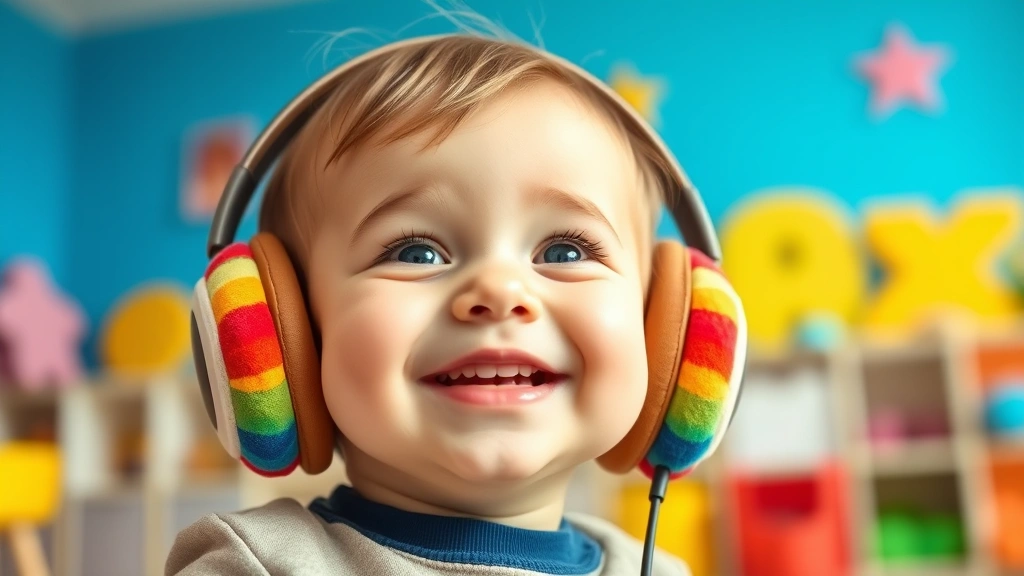
Baby headphones serve several important functions: they limit maximum volume output, fit smaller heads comfortably, and often include built-in parental controls. They’re not just a luxury—they’re a safeguard for your child’s long-term hearing health.
When considering audio devices for your little one, think of them as part of a broader tech strategy. Many parents include quality headphones on their baby registry must haves list, alongside other essentials that support healthy child development.
Essential Safety Features to Look For
Not all baby headphones are created equal, and some features matter far more than others. Here’s what actually deserves your attention:
- Volume Limiting Technology: The best baby headphones cap maximum output at 85-90 decibels. This is the gold standard for hearing safety. Some premium models allow you to set custom limits, giving you control over exactly what your child experiences.
- Padded Ear Cups: Look for soft, cushioned materials that won’t irritate delicate skin. Silicone and foam padding are ideal. Avoid anything rigid or uncomfortable—your child won’t wear them if they hurt.
- Adjustable Headband: Kids grow quickly, so headphones should grow with them. An adjustable band means the headphones will fit properly from toddlerhood through early childhood, making them a better long-term investment.
- Durable Construction: Children are rough on equipment. Look for reinforced joints, flexible materials that won’t snap easily, and quality wiring that can handle regular use and occasional drops.
- Tangle-Free Cables (if wired): Wireless options eliminate this concern entirely, but if you choose wired headphones, look for flat, tangle-resistant cables. Nobody has time for knot management.
- Sweat and Moisture Resistance: Kids sweat, drool, and spill things. Headphones designed to handle moisture will last longer and remain hygienic.

Top Baby Headphone Models
Let’s look at some standout options that parents and experts consistently recommend:
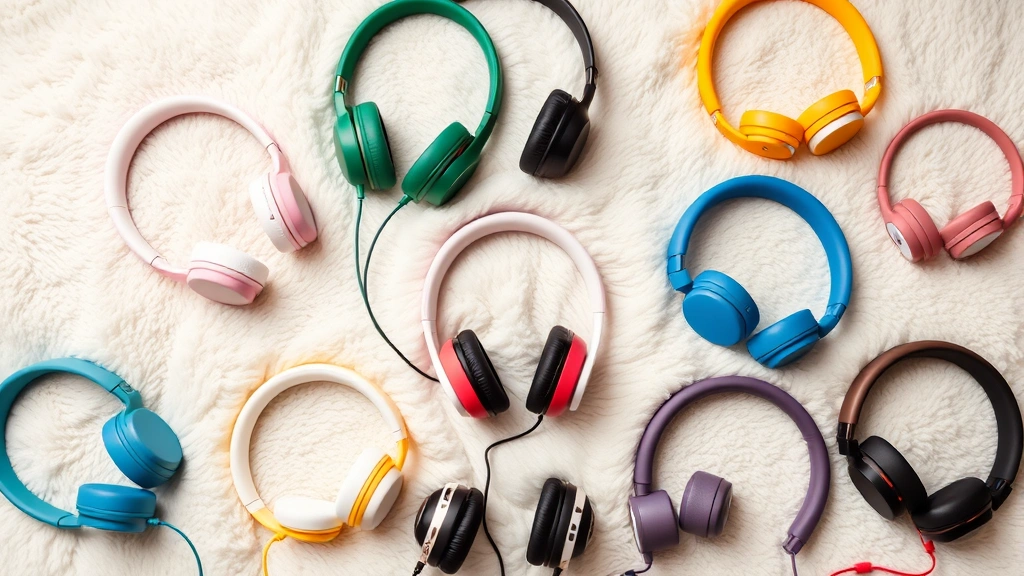
JBL Jr 310: These wireless headphones deliver impressive battery life and feature JBL’s SafeSound technology, which limits volume to 85 decibels. The lightweight design won’t strain little necks, and the colorful options appeal to kids. They’re durable enough to handle regular use without falling apart.
Puro Sound Labs PuroQuiet: If noise-canceling appeals to you, these offer active noise cancellation specifically tuned for children’s hearing. The 85-decibel cap is non-negotiable, and the build quality justifies the premium price tag. Parents often praise how well they stay put during active play.
LilGadgets Untangled Pro: These wireless headphones are specifically engineered for kids’ comfort, with a smaller headband and appropriately-sized ear cups. The Bluetooth connection means no wires to worry about, and the 14-hour battery life is genuinely impressive.
Snug Kids Pro: For budget-conscious parents, these offer solid safety features without the premium price. They cap at 94 decibels (slightly higher than ideal, but still safe for reasonable listening times) and come in fun designs that kids actually want to wear.
3Buddy Kids Headphones: These combine affordability with reliability. The volume-limiting technology is straightforward, the construction feels sturdy, and they come in multiple color options. They’re a reliable choice if you want something practical without bells and whistles.
When shopping for audio devices for your child, remember that quality headphones are an investment in their health. Think of them alongside other thoughtful gifts—similar to how you’d approach baby shower gift ideas, where the best options balance practicality with genuine usefulness.
Understanding Volume Limits and Hearing Protection
Here’s where science meets parenting, and it gets genuinely important. The American Academy of Pediatrics and hearing health experts agree: 85 decibels is the safe maximum for children’s listening. To put this in perspective, normal conversation happens around 60 decibels, and a vacuum cleaner runs at about 80 decibels.
Many baby headphones advertise 85-decibel limits, but some go higher. The question becomes: what’s actually safe? The answer depends on duration and frequency. Occasional exposure to 90-94 decibels won’t cause permanent damage, but regular, prolonged listening at these levels creates risk. Think of it like sun exposure—occasional time in the sun is fine, but constant unprotected exposure causes problems.
The American Academy of Pediatrics recommends limiting screen time and associated audio exposure for young children, which includes headphone use. This doesn’t mean avoiding headphones entirely—it means using them mindfully.
Some parents worry that volume-limiting headphones prevent kids from enjoying music. Here’s the thing: your child’s ears are perfectly capable of enjoying music at safe volumes. They won’t miss anything by not hearing at ear-damaging levels. In fact, they’ll have better hearing as adults because of this protection.
Consider implementing a “headphone schedule” similar to how you’d manage screen time. Maybe headphones are for car rides and flights, but not for casual home listening. This approach balances access with protection.
Age-Appropriate Recommendations
Your child’s age significantly impacts which headphones make sense and how you should use them:
Ages 0-2: Honestly? Babies this young don’t need headphones. Their hearing is still developing, and they benefit more from natural sounds and parent interaction. If you absolutely must use audio, keep volumes extremely low and use them rarely.
Ages 2-4: This is when headphones become more reasonable. Toddlers can understand not to pull them off, and their attention spans support longer listening periods. Look for lightweight options that fit securely. Start with short listening sessions—15-20 minutes maximum—to establish healthy habits early.
Ages 4-6: Preschoolers can handle standard baby headphones comfortably. They’re old enough to appreciate music, audiobooks, and educational content. Still cap listening time at reasonable levels—maybe 30-45 minutes per day maximum.
Ages 6+: By school age, some kids can transition toward junior headphones or smaller adult models, though proper baby headphones still work well. This is when you might introduce concepts of responsible listening and hearing health.
Whatever age your child is, remember that headphones are a tool, not a babysitter. They work best when paired with intentional use and regular breaks for ear rest.
Comfort and Fit: Getting It Right
A headphone that doesn’t fit comfortably won’t get worn, no matter how safe or high-quality it is. Here’s how to ensure proper fit:
Headband Adjustment: The headband should sit snugly but not tight. You should be able to fit one finger between the band and your child’s head. If it’s too loose, they’ll fall off during play. If it’s too tight, it causes discomfort and resistance to wearing them.
Ear Cup Positioning: Ear cups should fully cover the ear without pressing hard against the head. Some slight pressure is normal, but if your child complains or shows signs of discomfort after short periods, the fit needs adjustment.
Weight Distribution: Lightweight is genuinely important. Heavy headphones cause neck strain and discomfort, especially for younger children. Look for models under 5 ounces—you should barely notice them when wearing them yourself.
Material Considerations: Soft, breathable materials prevent heat buildup and ear irritation. Silicone and foam padding are ideal. Avoid hard plastic directly against skin, and ensure all materials are hypoallergenic if your child has sensitive skin.
Testing Before Buying: If possible, let your child try headphones before purchasing. If buying online, check return policies so you can exchange them if the fit isn’t right. What works for one child might not work for another.
Getting the fit right transforms the experience from something your child tolerates to something they actually enjoy using. It’s worth taking time to get it perfect.
Care and Maintenance Tips
Quality baby headphones represent an investment, and proper maintenance extends their lifespan significantly:
- Regular Cleaning: Wipe down ear cups and headband weekly with a soft, slightly damp cloth. For deeper cleaning, use a mixture of equal parts white vinegar and water. Let them air dry completely before using.
- Ear Pad Replacement: Many quality headphones have replaceable ear pads. If they start degrading after months of use, replacing them is often cheaper than buying new headphones. Check manufacturer options for replacement parts.
- Storage Strategy: Store headphones in a cool, dry place away from direct sunlight. A small protective case prevents damage during travel and keeps them organized. Avoid leaving them in hot cars or damp bathrooms.
- Cable Care (for wired models): Never yank cables, and avoid wrapping them tightly around the headphone body. Coil them loosely or use a cable organizer. Damaged cables are the most common reason headphones stop working.
- Battery Maintenance (for wireless models): Charge regularly according to manufacturer guidelines. Don’t let batteries completely drain frequently, as this degrades battery health over time. Store wireless headphones with partial charge if they’ll sit unused for months.
- Moisture Management: While most baby headphones handle normal moisture exposure, avoid submerging them. After sweaty play sessions or accidental spills, wipe them down and let them air dry before using again.
Taking these steps means your investment continues protecting your child’s hearing for years, not just months. It’s also worth noting that when you’re ready to upgrade, well-maintained headphones have better resale value if you pass them along to younger siblings.
For parents building out their collection of quality children’s items, reliable audio devices pair well with other thoughtful selections. Whether you’re adding to baby registry must haves or looking for specific gift options, prioritizing durability and safety across all purchases creates a foundation for your child’s healthy development.
Speaking of thoughtful selections, many parents discover that quality products often make excellent gifts. If you’re searching for options beyond headphones, exploring baby book recommendations can provide complementary ways to engage and educate your child during audio listening sessions.
Frequently Asked Questions
At what age can babies safely use headphones?
Most experts recommend waiting until at least age 2, when children can understand not to pull at headphones and their ears have developed further. Even then, use should be limited and at safe volumes. Before age 2, babies benefit more from natural sounds and direct interaction.
How long can my child safely listen with headphones?
The American Academy of Pediatrics recommends limiting screen time and associated audio exposure. A reasonable guideline is 30-45 minutes per day maximum for preschoolers, with regular breaks. For older children, hour-long sessions with 15-minute breaks work well. These aren’t hard rules—less is always safer.
Are wireless or wired headphones better for kids?
Wireless headphones offer convenience and eliminate tangling risks, but wired models can be more reliable and don’t require charging. Choose based on your lifestyle. For travel, wireless is often better. For home use, either works fine. The most important factor is the safety features, not the connection type.
What’s the difference between baby headphones and regular kids’ headphones?
Baby headphones are specifically designed for younger children (typically ages 2-6) with smaller ear cups, lighter weight, and often lower volume limits (85 dB). Kids’ headphones serve slightly older children (ages 6+) with larger sizing. Baby headphones won’t fit older kids well, and kids’ headphones might be too large for toddlers.
Can I use adult headphones with a volume limiter?
Technically possible, but not ideal. Adult headphones are too large for small heads, causing poor fit and discomfort. The sizing matters because proper fit ensures the volume-limiting technology works correctly. Purpose-built baby headphones are designed with proportions that actually work for small children.
How do I know if headphones are truly limiting volume?
Look for certifications and independent testing results. Reputable manufacturers provide documentation about their volume-limiting technology. Check customer reviews—parents who’ve tested them with sound meters often share real data. When in doubt, contact the manufacturer directly and ask about testing and safety certifications.
What should I do if my child resists wearing headphones?
Start slow. Let them hold them, look at them, and wear them for just a few seconds without audio. Gradually increase wearing time before introducing sound. Make it positive—never force it. Some children take weeks to warm up, and that’s completely normal. Patience pays off.
Are there headphones specifically for kids with sensory sensitivities?
Yes, some brands create options for children with autism or sensory processing differences. These often feature adjustable padding, lighter pressure, and the ability to customize fit. If your child has sensory sensitivities, look for brands that specifically address this population.