Baby in Bloom: How to Host a Chic Baby Shower
Planning a baby shower that feels effortlessly elegant doesn’t require you to stress yourself into early labor—metaphorically speaking, of course. The beauty of hosting a chic baby shower lies in balancing thoughtful details with genuine warmth, creating an experience that celebrates the mama-to-be without veering into over-the-top territory. Whether you’re throwing a garden-inspired gathering or an intimate brunch, the key is infusing your personal style while keeping the focus where it belongs: on the joy of welcoming a new little one.
A truly memorable baby shower transcends the typical pink-and-blue aesthetic. It’s about crafting an atmosphere where guests feel genuinely welcomed, where conversations flow naturally, and where the expectant mother feels celebrated without feeling like she’s auditioning for a reality TV show. The most sophisticated showers often come from the simplest ideas executed with intention and creativity.
This guide walks you through everything you need to know about hosting a baby shower that’s both chic and authentic—from conceptualizing your theme to managing the logistics that make everything run smoothly.
Setting Your Vision: Theme and Aesthetic
The foundation of any chic baby shower begins with a clear vision. Rather than defaulting to overdone themes, consider what genuinely resonates with the expectant parents. Are they nature lovers? Minimalist enthusiasts? Classic romantics? Your theme should feel like a natural extension of their personalities, not a forced Pinterest recreation.
Exploring baby girl shower themes can spark inspiration, but remember that the most elegant showers often blend elements rather than committing to one singular direction. Consider soft, sophisticated color palettes like sage green with cream, dusty blue with gold accents, or warm terracotta with ivory. These combinations feel current and refined without screaming “baby shower” from across the room.
The beauty of a well-conceived theme is that it naturally guides your decisions about everything else—from invitations to florals to the overall mood you’re cultivating. Think about whether you want your shower to feel garden-inspired, modern and minimalist, literary and whimsical, or something entirely unique to the parents-to-be. When your theme has purpose beyond aesthetics, it becomes a story you’re telling rather than a checklist you’re completing.
Your venue should complement your chosen aesthetic. A botanical garden works beautifully for nature-themed showers, while a gallery space suits modern sensibilities. Even hosting at home can feel incredibly chic with thoughtful baby shower decorations that transform your space intentionally rather than haphazardly.
The Essentials: Timing and Guest List
Timing your shower correctly sets the stage for everything else. The sweet spot is typically between 2-4 weeks before the due date—early enough that the mom-to-be isn’t exhausted or anxious about imminent labor, but late enough that the event feels relevant rather than premature. Avoid scheduling during major holidays or events when guests might have competing commitments.
Your guest list should reflect the expectant mother’s preferences, not societal obligations. Some women adore large celebrations with extended networks; others prefer intimate gatherings with their closest circle. There’s no “right” number—what matters is that everyone invited genuinely wants to be there. A group of thirty people who are genuinely excited beats a room of fifty obligatory attendees every time.
Consider the dynamics when curating your guest list. Will you be mixing different friend groups? Inviting family members who have complicated relationships? These considerations matter because the energy of your gathering depends on thoughtful guest composition. A cohesive group naturally creates better conversation and a more relaxed atmosphere.
Send invitations 4-6 weeks in advance, giving guests adequate time to plan. Digital invitations work perfectly for casual showers, while printed invitations feel more formal and special. Either way, include clear details about timing, location, dress code (if any), and whether gifts are expected or appreciated.
Creating Stunning Ambiance
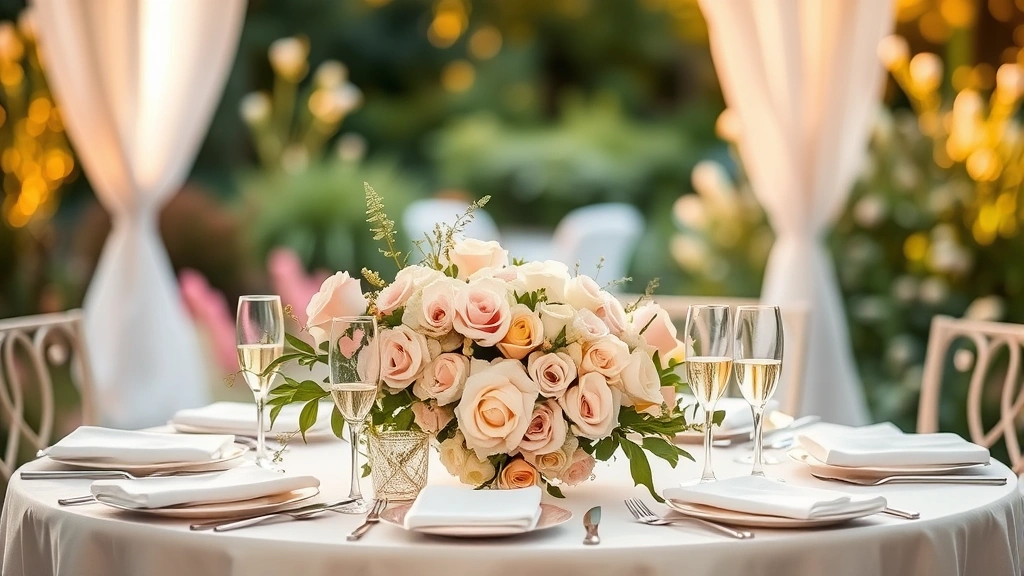
Ambiance is where good showers become memorable ones. This goes beyond decorations—it’s about engaging multiple senses to create an experience that feels cohesive and intentional. Lighting is perhaps the most underestimated element. Soft, warm lighting instantly elevates any space. String lights, candles, or dimmed overhead lights create intimacy and elegance far better than harsh fluorescent brightness.
Florals deserve thoughtful consideration. Rather than filling every surface with flowers, select a few statement arrangements that anchor your space. A lush centerpiece for the main table, a stunning entry arrangement, and perhaps one other focal point creates impact without feeling overdone. Choose blooms that align with your color palette and theme—think peonies and roses for romantic vibes, orchids and calla lilies for modern elegance, or wildflowers and eucalyptus for organic, garden-inspired aesthetics.
Music sets an invisible but powerful tone. Create a playlist that feels sophisticated without being distracting—think acoustic covers, light jazz, or indie folk depending on your vibe. The volume should allow for easy conversation; you’re not trying to drown people out or command their attention.
Thoughtful touches transform ordinary spaces into memorable ones. Fresh linens in your chosen color palette, elegant glassware for beverages, real plates and utensils rather than disposables (when feasible), and intentional table settings all communicate that you’ve considered the details. These aren’t expensive choices; they’re intentional ones.
For those exploring specific themes, Winnie the Pooh baby shower concepts offer whimsical inspiration, though the principles of elegant ambiance apply regardless of theme. Focus on quality execution of your chosen aesthetic rather than quantity of decorative elements.
Nourishing Your Guests
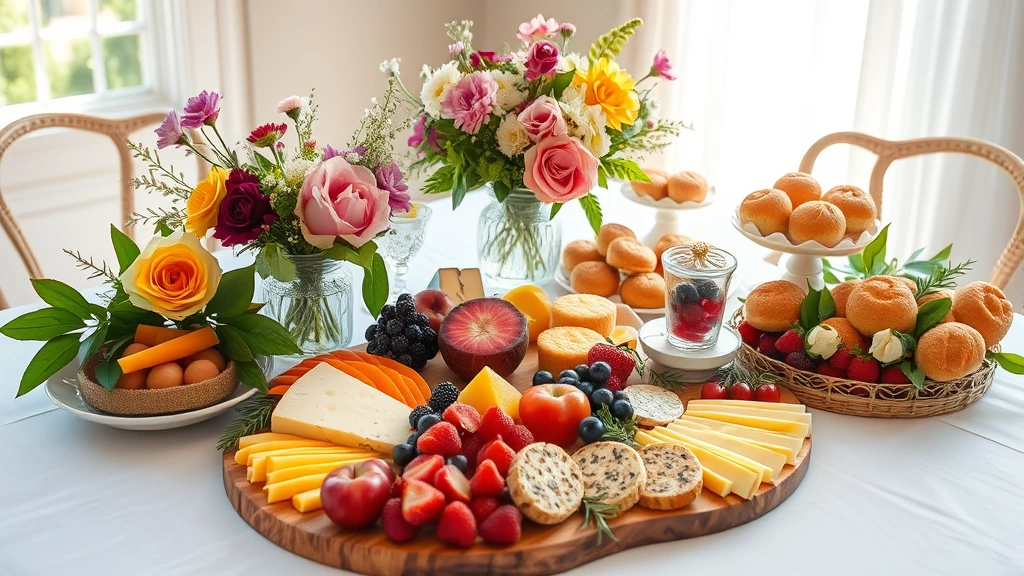
Food is where many hosts overthink unnecessarily. You don’t need an elaborate menu to impress—you need thoughtfully selected options that taste delicious and look beautiful. The best baby shower food ideas balance indulgence with sophistication, offering variety without overwhelming yourself in the kitchen.
Consider the timing of your shower when planning food. A mid-morning shower calls for lighter fare—pastries, fresh fruit, yogurt parfaits, and specialty coffee. An afternoon tea works beautifully with scones, finger sandwiches, and petit fours. An evening celebration might feature appetizers and champagne cocktails. Aligning food with timing feels intuitive and appropriate rather than random.
Include both vegetarian and protein options, accommodate common dietary restrictions without making it awkward, and present food in an aesthetically pleasing way. A charcuterie board arranged thoughtfully looks infinitely more elegant than items scattered randomly. Garnish appropriately. Label dishes that contain common allergens. These details matter.
Beverages deserve equal attention to food. Offer both alcoholic and non-alcoholic options—signature mocktails feel special and inclusive. A simple lavender lemonade paired with a sophisticated cocktail option gives guests choices that feel intentional. Coffee and tea service, especially with quality options, elevates the entire experience.
Don’t forget about hydration stations. A beautiful pitcher of infused water with fresh fruit or herbs, readily available throughout the event, is both practical and aesthetically pleasing. It’s a detail guests often remember because it demonstrates thoughtfulness.
Entertainment That Engages
This is where many showers go sideways. Games can feel forced, awkward, and like mandatory participation in something nobody genuinely wants to do. The key is selecting activities that feel natural and optional rather than compulsory entertainment. Not every guest wants to play games, and forcing participation diminishes the atmosphere you’ve worked to create.
Consider baby shower games ideas that encourage genuine interaction rather than competition. A guided conversation starter—perhaps a question card activity where guests share parenting wisdom or favorite memories—creates connection without feeling like a forced game show. A collaborative art project where guests contribute to something for the nursery can feel creative and meaningful rather than gimmicky.
If you do include games, keep them brief, voluntary, and genuinely fun. Charades-style activities, trivia about the parents-to-be, or creative challenges work better than games that rely on luck or knowledge that makes some guests feel inadequate. The goal is bringing people together, not creating winners and losers.
Alternative entertainment might include a professional photographer capturing candid moments, a playlist that encourages dancing if that fits your vibe, or simply creating space for genuine conversation. Sometimes the best entertainment is no structured entertainment at all—just a well-curated group of people who enjoy each other’s company.
Practical Planning Tips
Logistics matter, even in the most elegant celebrations. Create a detailed timeline starting weeks before the event, breaking tasks into manageable chunks rather than scrambling the day before. Delegate when possible—don’t attempt everything solo. Ask trusted friends or family members to help with specific areas: one person handles setup, another manages the beverage station, someone else coordinates games if you’re including them.
Prepare a backup plan for outdoor showers. Weather happens, and having a contingency—whether that’s a tent, moving indoors, or rescheduling—prevents last-minute panic. Communicate this plan to guests beforehand so everyone’s on the same page.
Consider gift management thoughtfully. Some hosts prefer having gifts wrapped and stored out of sight so the focus remains on connection rather than material goods. Others embrace gift opening as part of the celebration. Neither approach is wrong—it depends on the expectant mother’s comfort level. If you’re uncertain, ask her directly.
Photography deserves thought. Whether you hire a professional or designate a tech-savvy friend to capture moments, ensure someone’s documenting the day. These images become treasured memories. Set up a hashtag if guests are posting on social media, allowing you to easily gather photos afterward.
Create a welcome area that immediately sets your tone. Whether that’s a small gift station, a coat check, or simply a beautifully arranged entry with drinks and snacks, give guests a clear sense of where to go and what to expect. This eliminates awkwardness and helps people settle into the celebration.
For those handling the written elements of celebration, understanding what to write in a baby shower card helps you craft thoughtful messages. Similarly, encourage guests to share meaningful wishes rather than generic sentiments. These written words become keepsakes the parents-to-be treasure.
Post-shower, send timely thank-you notes. This isn’t just etiquette; it’s an extension of the celebration and gratitude you’ve cultivated. Personalize each note, referencing specific contributions or moments. Guests remember being genuinely thanked far more than they remember the specific games or decorations.
Frequently Asked Questions
How far in advance should I start planning a baby shower?
Begin planning 8-12 weeks before your target date. This timeline allows you to secure your venue, send invitations, arrange any vendors (caterers, florists, photographers), and handle logistics without feeling rushed. That said, you don’t need to complete everything immediately—break tasks into phases and tackle them gradually.
What’s an appropriate budget for a baby shower?
Budget varies dramatically based on guest count, location, and personal preferences. A meaningful shower can happen for $200-300 for an intimate gathering, while larger celebrations might run $1000+. Focus on your priorities: if flowers matter most, invest there. If food is your strength, allocate more to that. Every shower doesn’t need to be expensive to be memorable.
Should I include a registry or gift information on the invitation?
Include registry information only if the parents have created one and specifically requested it. Never assume gifts are expected. Many modern showers are moving toward experiential gifts, charitable donations in baby’s name, or simply celebrating without material gifts. Let the expectant parents guide this decision.
What if some guests can’t attend?
This is completely normal and expected. Don’t take it personally or try to guilt people into attending. Send a thoughtful follow-up to those who can’t make it, perhaps including photos from the event or a small token of appreciation. Some guests will send gifts even if they can’t attend; others won’t, and both are perfectly acceptable.
How do I handle dietary restrictions and allergies?
Ask guests about dietary needs when they RSVP. Prepare clearly labeled dishes indicating common allergens. Offer vegetarian, vegan, and gluten-free options as standard offerings rather than special requests. This inclusive approach makes everyone feel considered without making accommodations feel like burdens.
Is it necessary to have a theme?
Absolutely not. Some of the most elegant showers have no specific theme—they simply reflect the parents’ personalities and aesthetic preferences. A cohesive color palette and thoughtful details can create beauty without committing to a named theme. Do what feels authentic rather than what feels obligatory.
What’s the ideal length for a baby shower?
Two to three hours is typically ideal. This timeframe allows for arrival, socializing, eating, any activities you’ve planned, and gift opening (if included) without feeling rushed or overstaying your welcome. Longer showers often result in fatigue and dwindling energy; shorter ones might feel abrupt.
Should the father-to-be attend?
This is entirely up to the parents’ preference. Modern showers increasingly include partners, which can feel more inclusive and celebratory. Some couples prefer traditional separate celebrations. There’s no right answer—honor what the parents want rather than what tradition dictates.