Is Baby Jewelry Safe? Expert Insights on Keeping Your Little One Protected
The moment you hold your newborn, the urge to adorn them with tiny treasures becomes almost irresistible. That delicate bracelet, the precious nameplate necklace, the adorable anklet—they all seem harmless enough. But here’s the thing: baby jewelry exists in a gray zone that many parents don’t fully understand. While it can be a beautiful way to commemorate milestones or celebrate your baby’s arrival, it also carries real safety considerations that deserve your attention.
Whether you’re shopping for baby girl gifts or baby boy gifts, jewelry often tops the list. It’s sentimental, it photographs beautifully, and it feels like a meaningful gesture. But before you fasten that bracelet or clasp that necklace around your baby’s neck, let’s talk about what pediatricians, safety experts, and parents need you to know.
This comprehensive guide breaks down the real risks, separates myth from fact, and gives you practical strategies for making informed decisions about baby jewelry. Because keeping your little one safe doesn’t mean sacrificing style—it just means being smart about it.
The Real Risks: What Every Parent Should Know
Let’s be direct: baby jewelry poses genuine safety hazards. The Consumer Product Safety Commission tracks injuries related to jewelry worn by infants and young children, and the data reveals patterns that should concern every parent.
The primary risks fall into several categories. Strangulation is the most serious concern, particularly with necklaces and bracelets. Babies have limited neck control, and they’re naturally curious—they’ll grab, pull, and explore anything within reach. A necklace can become wrapped around their neck during sleep or play, potentially restricting airflow. This risk is highest for babies under 12 months who spend significant time on their backs or in cribs.
Choking represents another critical hazard. Babies explore the world orally, and any small component of jewelry—a bead, a charm, a clasp—can become a choking hazard. The American Academy of Pediatrics notes that choking is a leading cause of unintentional injury in children under three years old, and jewelry components absolutely fall into this category.
Entanglement occurs when jewelry catches on crib rails, clothing, or other objects. A baby’s thrashing during sleep or play can cause the jewelry to tighten around fingers, wrists, or necks with surprising force.
Infection and skin irritation arise from prolonged contact with certain materials. Babies have delicate skin, and metals or materials that aren’t properly cleaned or are allergenic can cause reactions ranging from mild rashes to more serious infections.
Finally, there’s the choking hazard from loose components. Even well-made jewelry can degrade. Clasps weaken, links break, and stones can become loose over time. What seemed perfectly safe on day one might become dangerous as the piece ages.
Types of Baby Jewelry and Their Safety Profiles
Not all baby jewelry carries equal risk. Understanding the specific dangers of different types helps you make more informed choices.
Necklaces and chains are generally considered the highest-risk category by pediatricians. The American Academy of Pediatrics recommends avoiding necklaces for babies under two years old entirely. Even decorative necklaces designed specifically for babies can pose strangulation risks, especially during sleep when supervision decreases.
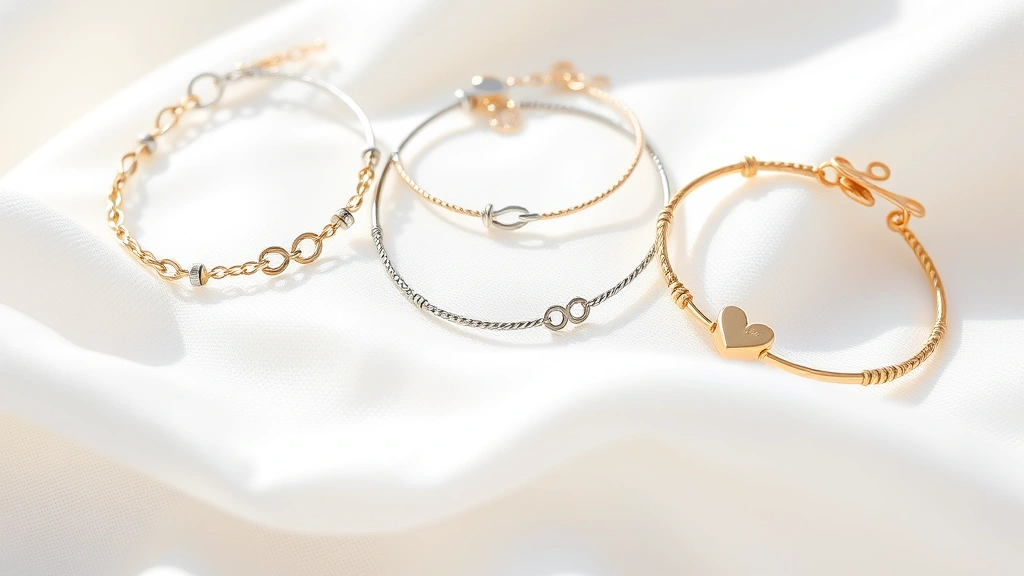
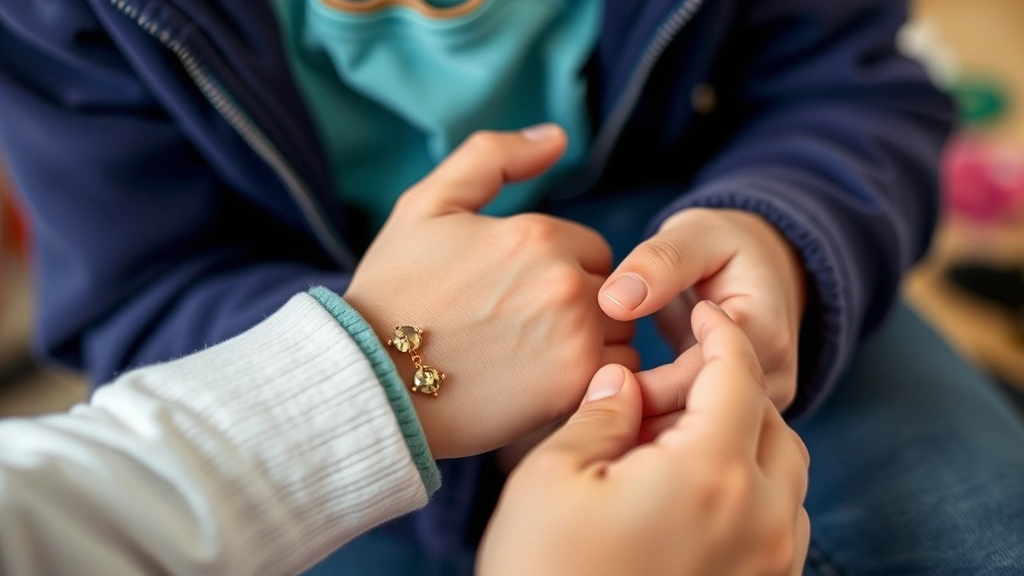
Bracelets and bangles are slightly lower risk but still problematic. Babies are natural grabbers, and they’ll pull at bracelets relentlessly. This can lead to circulation issues if too tight, and the constant tugging can cause skin irritation. Additionally, loose bracelets can catch on objects or become entanglement hazards.
Anklets fall into a similar risk category as bracelets. While they’re further from the mouth and face, they can still entangle or cause circulation problems. Babies who are beginning to roll or crawl are particularly vulnerable to anklets catching on fabric or other objects.
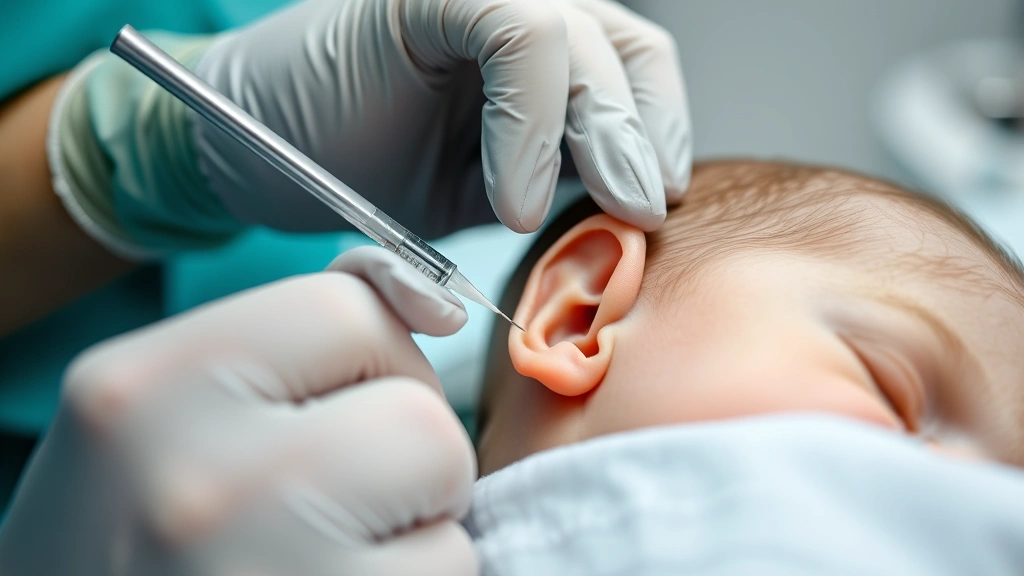
Earrings present their own unique challenges. Pierced earrings on babies are controversial for multiple reasons. Beyond the obvious concern about the piercing procedure itself, there’s the ongoing risk of infection, allergic reactions, and the baby pulling at the earring. Clip-on earrings eliminate the infection risk but create choking and entanglement hazards.
Body chains and belly chains designed for babies are trending on social media, but pediatricians universally discourage them. These pose multiple risks simultaneously: strangulation if they shift upward, choking if components detach, and circulation problems if they tighten.
Teething jewelry and amber necklaces deserve special mention. Despite marketing claims about amber’s supposed pain-relieving properties (which lack scientific evidence), amber necklaces carry all the strangulation risks of regular necklaces with no proven benefits. The American Academy of Pediatrics explicitly advises against them.
Age Matters: When Is Baby Jewelry Actually Appropriate?
The age of your child dramatically changes the risk calculus around jewelry. A piece that might be manageable at age three could be genuinely dangerous at age six months.
Newborns to six months: This age group should have zero jewelry. Period. Newborns lack the motor control to remove anything that becomes problematic, and they spend much of their time sleeping in positions where necklaces or bracelets can cause serious harm. Their skin is incredibly sensitive, and any metal irritation can escalate quickly.
Six to twelve months: Babies are more mobile now, but they’re also more likely to put everything in their mouths. This is the peak choking risk period. Jewelry should still be avoided. If grandparents are insisting on gifting jewelry, suggest they wait or consider baby shower gift ideas that don’t involve jewelry.
One to two years: Your toddler is more aware and can follow simple instructions, but they’re still impulsive and lack the judgment to remove jewelry if it becomes problematic. Most safety experts still recommend avoiding jewelry during this period, though some supervised, very simple pieces might be acceptable if they meet strict safety criteria.
Two to three years: This is where jewelry becomes potentially manageable, though supervision remains critical. Your child can follow instructions better and can communicate if something feels uncomfortable. Even so, any jewelry should be minimal, secure, and removed during sleep and unstructured play.
Three years and older: By this age, children have better self-awareness and can communicate discomfort. They’re also less likely to put jewelry in their mouths. This is a reasonable time to introduce simple, secure pieces, though you should still prioritize safety over aesthetics.
Material Safety and Allergic Reactions
Even if you decide jewelry is appropriate for your child’s age, the material matters enormously. Not all metals and materials are created equal when it comes to baby safety.
Sterling silver is generally considered safe for baby skin, though some babies can react to it. It’s relatively durable and doesn’t tarnish as quickly as other metals, reducing the likelihood of debris or corrosion.
Gold (14 karat or higher) is another relatively safe option. However, some gold alloys contain nickel, which is a common allergen. Always verify the alloy composition if your baby has sensitive skin.
Nickel is problematic for many people and should be avoided entirely. It’s a common allergen that causes contact dermatitis—itching, redness, and sometimes blistering. Avoid any jewelry with unknown metal composition, as nickel is often used in inexpensive alloys.
Stainless steel is generally safe, though some lower-quality stainless steel can contain nickel. Look for medical-grade stainless steel (316L) if you go this route.
Plastic and silicone seem safer from a metal-allergy perspective, but they present their own concerns. They can break down over time, creating small pieces that pose choking hazards. Additionally, some plastics can leach chemicals if they’re not food-grade or BPA-free.
Natural materials like wood or cloth might seem ideal, but they can harbor bacteria if not properly maintained and can break down, creating splinter or choking hazards.
Regardless of material, jewelry should be cleaned regularly with mild soap and water. Dirty jewelry can introduce bacteria, leading to skin infections. Never use harsh chemicals or alcohol on pieces designed for baby wear, as residue can irritate delicate skin.
Choosing Safe Alternatives
The good news? You don’t have to choose between safety and sentiment. There are genuinely safer alternatives that let you commemorate milestones and celebrate your baby without the risks.
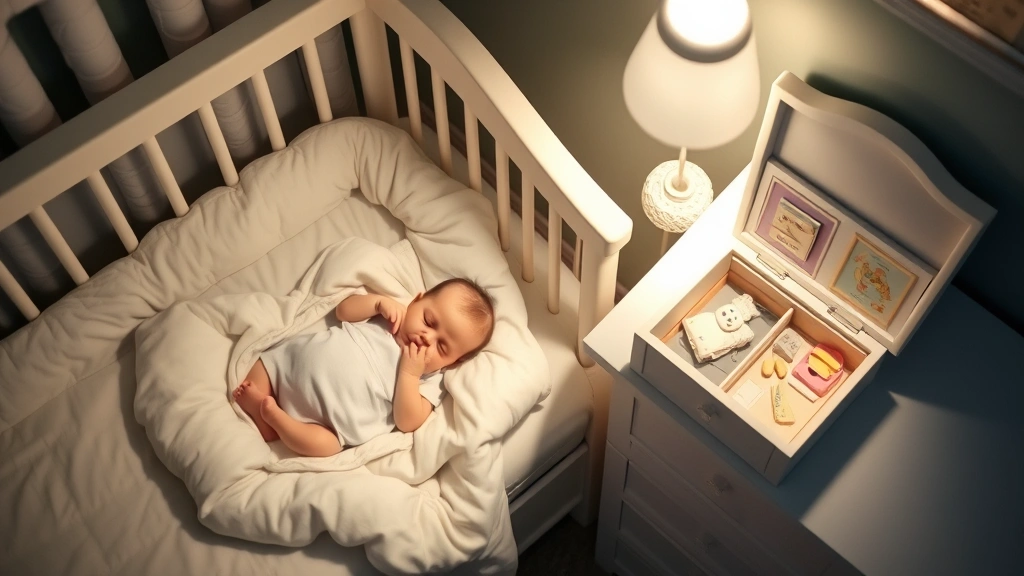
Keepsake boxes and memory items serve as beautiful alternatives. Instead of a necklace, store a piece of your baby’s first outfit, a lock of hair, or their hospital bracelet in a decorative keepsake box. These become treasured heirlooms without any safety concerns.
Personalized gifts that grow with your child offer longevity and safety. Consider engraved items they’ll use later, like a music box, a picture frame, or a jewelry box for when they’re old enough to safely wear jewelry. These are often more meaningful than something they can’t use yet.
Milestone photography captures the beauty of your baby without physical jewelry. Professional photos of your newborn with family heirlooms held nearby (not worn) create stunning memories. You get the sentiment without the risk.
Temporary tattoos or stickers designed for babies offer a playful alternative. They’re completely safe and can celebrate special occasions or milestones in a fun, age-appropriate way.
Clothing and accessories like personalized onesies, monogrammed blankets, or embroidered hats provide the customization and sentiment without jewelry risks. Check out baby registry checklist ideas for more thoughtful alternatives.
Digital keepsakes create lasting memories. Video messages from family members, digital photo albums, or recorded stories become treasures your child will appreciate far more than jewelry they can’t wear safely.
Experience gifts focused on time together—a parent-baby massage class, a family photo session, or a special outing—create memories that last longer than any physical item.
Expert Recommendations and Best Practices
If you’ve decided to introduce jewelry to your child (particularly for older toddlers and preschoolers), follow these expert-backed guidelines to minimize risks.
Never use necklaces or chains. This isn’t negotiable. The strangulation risk far outweighs any aesthetic benefit. If someone gifts a necklace, politely decline or store it for when your child is much older and can wear it safely.
Ensure all jewelry is secure and has no loose components. Before your child wears any piece, inspect it thoroughly. Check that all clasps work properly, stones are firmly set, and there are no sharp edges. Gently tug on all components—nothing should come loose.
Remove jewelry during sleep and unstructured play. This is non-negotiable for young children. During naps, nighttime sleep, and active play (running, climbing, rolling), jewelry should come off. The risks multiply when you can’t actively supervise what’s happening with the piece.
Choose pieces that fit properly. Jewelry should be snug enough that your child can’t pull it off easily but loose enough that it doesn’t restrict circulation. You should be able to fit one finger under a bracelet or anklet comfortably.
Supervise constantly. If your young child is wearing jewelry, you need to be watching them. Not in the same room—actively watching. This means you see immediately if something becomes entangled or if they’re putting it in their mouth.
Teach proper care early. Once your child is old enough, teach them not to put jewelry in their mouth and to tell you immediately if something feels uncomfortable or tight. Make it a game or routine rather than a prohibition.
Consider your child’s individual risk factors. Children who are particularly oral explorers, who have sensitive skin, or who are still putting everything in their mouths shouldn’t wear jewelry, regardless of age recommendations. Every child is different.
Stay informed about recalls. Check the CPSC website regularly for jewelry recalls. If you own a recalled piece, stop using it immediately and follow recall instructions.
Consult your pediatrician. Your child’s doctor knows their medical history, skin sensitivities, and developmental stage. They can provide personalized guidance about whether jewelry is appropriate for your specific child.
Frequently Asked Questions
Is it safe to put a bracelet on a newborn?
No. Newborns should not wear any jewelry. They lack the motor control to remove anything that becomes problematic, and the risks of strangulation, entanglement, and circulation issues are too high. Hospital ID bracelets are the only exception, and those are removed shortly after birth.
What about those amber teething necklaces?
The American Academy of Pediatrics advises against amber necklaces for babies. There’s no scientific evidence that amber relieves teething pain, and they carry all the strangulation and choking risks of regular necklaces. If you’re dealing with teething discomfort, there are proven safe alternatives like silicone teethers and cold (not frozen) washcloths.
Can I put a bracelet on my baby during the day if I remove it at night?
For infants under 12 months, the answer is still no. The risk during even supervised daytime wear is too high. For toddlers over two years, it might be acceptable if you’re actively supervising, the bracelet fits properly, has no loose components, and you remove it during sleep and active play. Even then, many experts recommend waiting until age three.
What’s the safest type of jewelry if my child must wear something?
If you’re determined to introduce jewelry to an older child (three years and up), simple bracelets or anklets made from medical-grade materials with secure clasps are your safest bet. Avoid anything with small detachable components, chains, or anything that could tighten unexpectedly. Remove it during sleep and active play.
My family wants to give my baby jewelry as a gift. What should I do?
This is a common situation, and it’s worth addressing directly but diplomatically. Explain your safety concerns and suggest alternatives like baby in bloom baby shower keepsakes, personalized items your child will use later, or experience gifts. If they’re set on jewelry, ask them to hold onto it until your child is older and can wear it safely. Frame it as protecting your child, not rejecting their gift.
What should I do if my child swallows a piece of jewelry?
Contact your pediatrician or poison control immediately. Don’t induce vomiting. Have the following information ready: what was swallowed, when it happened, your child’s age and weight, and any symptoms they’re experiencing. Most small, smooth jewelry passes through the digestive system without issue, but professional guidance is essential.
Are clip-on earrings safer than pierced earrings for babies?
Clip-on earrings eliminate the infection risk from piercings, but they create new hazards: choking risks if the clip detaches, entanglement possibilities, and the baby pulling at them constantly. For babies and young toddlers, avoiding earrings entirely is safest. Pierced earrings are generally not recommended for children under five.
Can my older child wear my jewelry temporarily?
Adult jewelry is generally not designed with children’s safety in mind. It may have loose components, sharp edges, or clasps that don’t meet safety standards for children. If your older child wants to wear something special, choose pieces specifically designed for children that meet safety standards, or wait until they’re teenagers and can manage adult jewelry responsibly.