Is Baby Jewelry Safe? Expert Guidelines for Parents
The moment you hold your newborn, you want to adorn them with everything beautiful—including jewelry. Whether it’s a delicate bracelet from grandma, a christening cross, or those tiny gold earrings you’ve been saving, baby jewelry feels like a natural way to celebrate your little one. But here’s where parental instinct meets practical concern: Is it actually safe?
This isn’t about being overprotective or dismissing the sentimental value of heirloom pieces. Rather, it’s about understanding the real risks, knowing what experts recommend, and making informed decisions that let you enjoy baby jewelry without compromising your child’s wellbeing. Let’s cut through the noise and get to what actually matters.
Understanding the Real Risks
Before you panic and lock away every piece of baby jewelry, let’s be honest: millions of babies wear jewelry without incident. But that doesn’t mean the risks don’t exist. The Consumer Product Safety Commission and pediatric organizations take baby jewelry seriously because when incidents do occur, they can be serious.
The primary concerns fall into three categories: choking, strangulation, and skin reactions. None of these are inevitable outcomes of giving your baby jewelry, but they’re worth understanding in detail. The key is knowing which risks apply to which types of jewelry and at what ages.
What makes baby jewelry different from adult jewelry is developmental stage. A six-month-old explores the world entirely through their mouth. A toddler pulls on everything within reach. A preschooler might remove jewelry and lose it. Understanding where your child falls developmentally helps you assess risk accurately rather than applying blanket rules that might not fit your situation.
The American Academy of Pediatrics and child safety experts don’t say “never give your baby jewelry.” Instead, they emphasize informed decision-making and proper precautions. There’s a meaningful difference, and that’s where this conversation gets practical.

Choking Hazards and Age Considerations
Choking represents the most commonly cited concern with baby jewelry. The logic seems straightforward: if a piece can fit through a toilet paper tube, it can fit down a baby’s airway. But the reality is more nuanced than that simple test.
Babies under 12 months are less likely to intentionally remove jewelry, but they’re also less coordinated with their hands, which actually reduces some choking risk. The real danger zone is roughly 6 to 36 months, when babies are increasingly mobile, grabbing everything, and putting objects in their mouths with purpose and determination.
Small beads, loose stones, or detachable components pose genuine risks. If you’re considering jewelry for your baby, inspect it carefully. Can any part be removed by small fingers or baby gums? Does it have small decorative elements that could separate? These questions matter more than whether the piece looks sturdy to adult eyes.
Bracelets and anklets create a different choking scenario than necklaces. A baby can grab their own bracelet and chew on it more easily than they can grab a necklace around their neck. This isn’t to say bracelets are unsafe—just that the mechanism of risk differs.
Age-appropriate jewelry choices look different at different stages. What’s reasonable for a 3-year-old who understands “don’t put that in your mouth” might be inappropriate for a 9-month-old who’s still exploring orally. Honest assessment of your child’s development matters more than following arbitrary age recommendations.
Strangulation and Entanglement Dangers
Strangulation risks from baby jewelry concern safety experts more than many parents realize. Unlike choking, which happens quickly and obviously, strangulation can occur gradually and silently, making it particularly dangerous.
Long chains and cords pose the highest risk. A baby pulling on a necklace, getting it caught on something during play, or rolling over it while sleeping could potentially create pressure around the neck. This risk increases significantly once babies become mobile and start rolling, crawling, and climbing.
Bracelets and anklets create entanglement risks in different ways. A bracelet could catch on furniture, a crib rail, or even a sibling’s toy. An anklet might get caught during diaper changes or when the baby is kicking in a car seat. These scenarios might sound far-fetched, but they’re exactly why safety organizations recommend caution.
The thickness and material of jewelry matter here. A delicate chain is riskier than a sturdy bracelet with a secure clasp. A piece that stretches easily poses different risks than one that’s rigid. These material differences aren’t just about aesthetics—they’re about how the jewelry behaves under stress.
Many parents successfully use baby girl gifts like bracelets with breakaway clasps, which are specifically designed to release under pressure. Similar options exist for baby boy gifts as well. These aren’t foolproof, but they represent a thoughtful compromise between sentimental value and safety.
Material Safety and Allergic Reactions
Beyond choking and strangulation, the material itself matters significantly. Not all metals are created equal, and some can cause skin irritation or allergic reactions in sensitive babies.
Sterling silver and solid gold are generally considered safest for baby skin. These materials are less likely to cause irritation and are durable enough to withstand the wear and tear of baby ownership. However, they’re also expensive, which is why many parents look for alternatives.
Nickel is a common culprit in allergic reactions. Many cheaper metal alloys contain nickel, and babies with sensitive skin or a family history of metal allergies can develop reactions relatively quickly. The reaction might appear as redness, swelling, or a rash where the jewelry contacts skin.
Plated jewelry presents an interesting problem. A piece might start as nickel-free, but the plating can wear away with regular use, exposing the base metal underneath. For jewelry your baby wears frequently, solid metals are more reliable than plated options.
Avoid jewelry with lead or cadmium, which shouldn’t be present in items marketed for babies but occasionally appear in vintage pieces or items from unregulated sources. If you’re using heirloom jewelry, consider having it tested if you’re uncertain about its composition.
Skin reactions aren’t always immediate. Sometimes a baby tolerates jewelry fine for weeks, then develops irritation as the skin barrier becomes compromised or as the jewelry accumulates dirt and bacteria. Regular cleaning of jewelry and monitoring your baby’s skin helps catch problems early.
Expert Recommendations by Type
Different types of baby jewelry carry different risk profiles. Understanding these distinctions helps you make choices aligned with your comfort level.
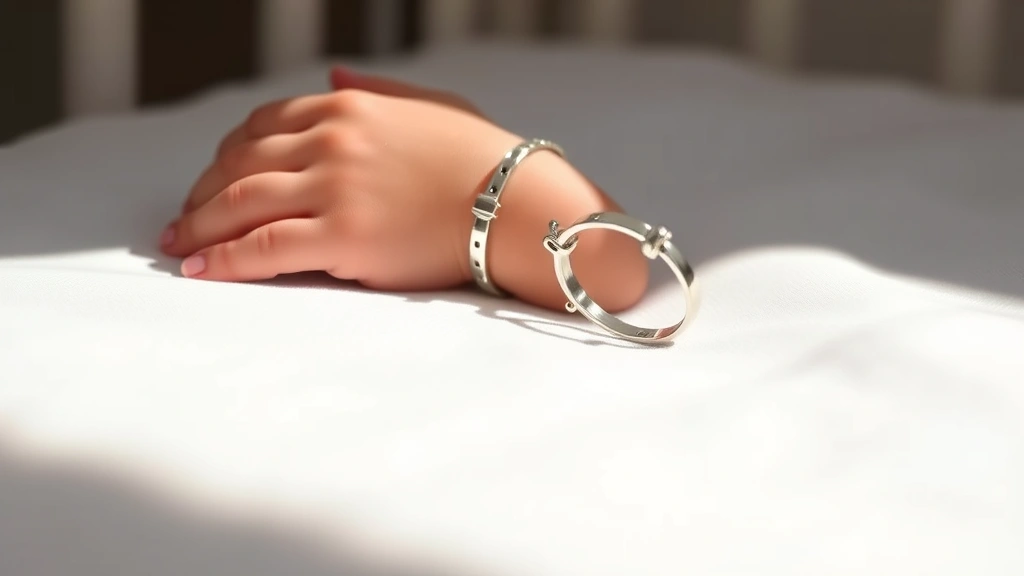
Bracelets and Anklets: These are generally considered lower-risk than necklaces because they’re less likely to cause strangulation. However, they should have secure clasps that won’t accidentally open. Breakaway clasps are ideal. Avoid anything with loose beads or small decorative elements. Soft, stretchy bracelets designed specifically for babies are safer than rigid pieces.
Necklaces: The American Academy of Pediatrics recommends avoiding necklaces for babies under 12 months due to strangulation risk. After 12 months, short necklaces with breakaway clasps are safer than long chains. Some parents skip necklaces entirely and save them for when their child is older and can understand safety instructions.
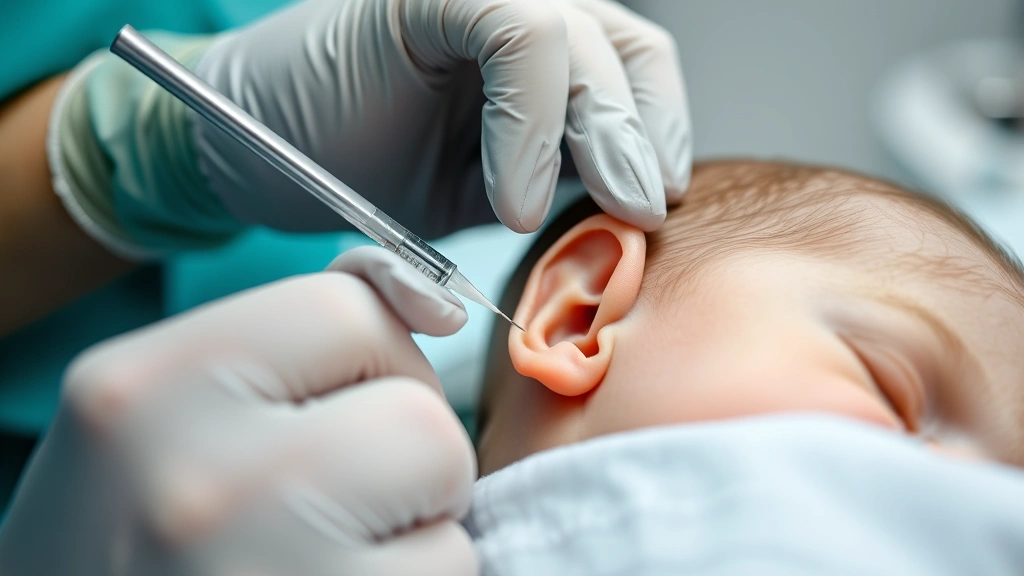
Earrings: If you’re considering ear piercing for your baby, wait until they’re old enough to care for the piercing themselves—typically around 5 or 6 years old. If your baby already has pierced ears, use small studs with secure backs rather than dangling earrings that could be pulled. Keep earrings clean to prevent infection.
Rings: Baby rings are generally low-risk from a safety perspective, but they can be uncomfortable as little fingers swell with growth. Adjustable rings work better than fixed sizes. Avoid rings with stones that could be chewed or removed.
The American Academy of Pediatrics emphasizes that supervision and jewelry selection are key—not absolute prohibition.
Safe Alternatives and Smart Choices
If you want to celebrate your baby with special pieces but feel uncertain about traditional jewelry, several alternatives exist.
Teething Jewelry: Specifically designed teething bracelets and necklaces are made with safety in mind. They’re designed to be chewed, made from non-toxic materials, and constructed so small parts can’t detach. These serve the dual purpose of being safe and actually useful for your teething baby.
Keepsake Jewelry: Rather than having your baby wear jewelry, consider pieces meant to be stored and given when they’re older. A bracelet in their baby book, a ring in a keepsake box, or a necklace saved for their 16th birthday carries sentimental value without safety concerns during infancy.
Temporary Tattoos and Markers: Some parents use temporary tattoos with initials or meaningful symbols as a way to celebrate their baby’s identity without physical jewelry. It’s a creative option for babies and young toddlers.
Clothing and Accessories: Instead of jewelry, consider special clothing items, blankets, or accessories that can be personalized. These can be equally meaningful without the safety considerations.
If you’re shopping for gifts, baby shower gift ideas that include special keepsakes rather than wearable jewelry might be perfect. Many thoughtful gift-givers include baby registry must haves alongside more sentimental pieces meant for later.
When Baby Jewelry Makes Sense
After all these cautions, let’s be clear: baby jewelry can be safe when chosen thoughtfully and supervised properly. The goal isn’t to eliminate all risk—that’s impossible in parenting—but to make informed decisions.
Baby jewelry makes sense when:
- The piece is age-appropriate for your child’s developmental stage
- It’s made from safe materials (solid sterling silver, solid gold, or materials specifically tested as non-toxic)
- It has secure, ideally breakaway, closures
- There are no small detachable parts
- It’s supervised during wear and removed during sleep
- Your baby’s skin tolerates the material without irritation
- The sentimental value justifies the ongoing supervision required
Many parents successfully use baby jewelry for special occasions, photography, or brief periods of wear with close supervision. The key is making that decision consciously rather than defaulting to “everyone does it” or “we never do it.”
If you’re planning a special event like a christening or blessing, temporary jewelry specifically designed for babies might be perfect. If you’re looking at items for a baby in bloom baby shower or similar celebration, keepsake pieces often resonate more than wearable items anyway.
The Healthy Children resource from the AAP offers specific guidance on baby safety products worth reviewing before making final decisions.
Frequently Asked Questions
At what age is baby jewelry safest?
Jewelry is generally safest after 12 months, when strangulation risk decreases and supervision becomes more practical. However, even at older ages, supervision and careful selection matter. Every baby develops differently, so assess your individual child’s behavior and maturity level rather than relying solely on age.
Can I use my grandmother’s jewelry for my baby?
Heirloom jewelry carries emotional weight, but vintage pieces need careful evaluation. Have older jewelry tested for lead or cadmium if you’re unsure about its composition. Ensure closures are secure and no small parts can detach. Consider saving it as a keepsake rather than having your baby wear it during infancy, then presenting it when they’re older and can appreciate its significance.
Is there jewelry specifically designed to be safe for babies?
Yes. Teething jewelry, breakaway bracelets, and pieces specifically marketed as baby-safe are designed with these concerns in mind. These items go through safety testing and are constructed to prevent choking and strangulation hazards. They’re more expensive than regular jewelry but offer genuine peace of mind.
What should I do if my baby has a skin reaction to jewelry?
Remove the jewelry immediately and let the skin air out. Wash the area gently with mild soap and water. If the reaction is mild (slight redness), it usually resolves within a few hours. If it persists, worsens, or includes swelling, contact your pediatrician. Your baby may have a metal sensitivity, which means switching to hypoallergenic materials or avoiding jewelry during infancy.
Is it safe to pierce a baby’s ears?
Most pediatricians recommend waiting until children are old enough to care for their own piercings—typically around 5 or 6 years old. At that age, they can understand hygiene instructions and communicate if something feels wrong. If your baby already has pierced ears, use small studs with secure backs, keep them clean, and monitor for signs of infection.
What’s the difference between a breakaway clasp and a regular clasp?
A breakaway clasp is designed to open under pressure, releasing the jewelry if it becomes caught on something. A regular clasp requires deliberate manipulation to open. For baby jewelry, breakaway clasps significantly reduce strangulation risk because the piece will release if caught on furniture, a crib rail, or other objects during play.
Can I leave jewelry on while my baby sleeps?
No. Jewelry should always be removed before sleep. During sleep, entanglement risks increase, and you’re not actively supervising. Babies move around, roll over, and can get jewelry caught on bedding, blankets, or crib rails. Make removing jewelry part of your bedtime routine.
Are there any jewelry materials I should absolutely avoid?
Yes. Avoid anything containing lead, cadmium, or other known toxins. Be cautious with nickel if your baby has sensitive skin or a family history of metal allergies. Avoid pieces with small parts that can detach, sharp edges, or anything that feels fragile. If you’re uncertain about a piece’s safety, it’s better to skip it than to worry constantly.