Baby Praying Mantis: A Beginner’s Guide to Raising These Fascinating Insects
If you’re looking for a unique way to introduce your children to the natural world, a baby praying mantis might be the perfect gateway into insect keeping. These remarkable creatures are captivating, relatively low-maintenance, and offer an incredible opportunity for hands-on learning about predator-prey relationships, metamorphosis, and the intricate balance of ecosystems. Unlike traditional pets, mantises teach patience, observation skills, and respect for nature in ways that few other animals can match.
The appeal of keeping a baby praying mantis goes beyond simple novelty. These insects possess an almost alien intelligence, with their distinctive triangular heads, lightning-fast reflexes, and those mesmerizing front legs poised in a perpetual stance of prayer. For families interested in baby insects as educational pets, mantises offer an engaging entry point that doesn’t require extensive resources or space.
Whether you’re a seasoned nature enthusiast or a curious parent seeking unconventional educational opportunities, this guide will walk you through everything you need to know about raising a baby praying mantis from nymph to adulthood. You’ll discover the essentials of habitat setup, feeding practices, breeding basics, and the lifecycle mysteries that make these insects so compelling to observe.
Understanding Baby Praying Mantis Nymphs
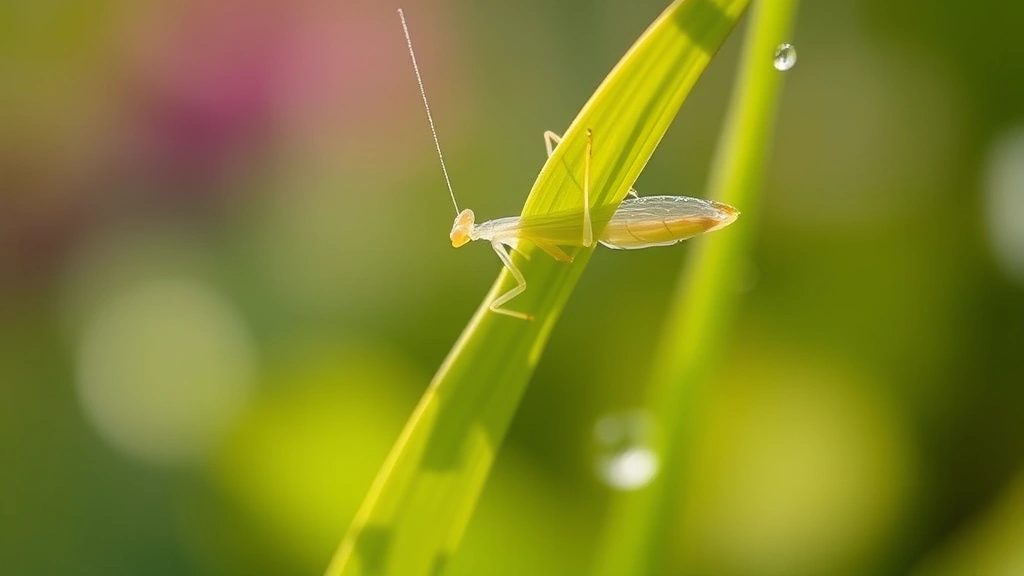
A baby praying mantis, technically called a nymph, emerges from its egg case in a miniature version of its adult form. Unlike insects that undergo complete metamorphosis (like butterflies), mantises experience incomplete metamorphosis, meaning they don’t have a caterpillar or larval stage. What you see at birth is essentially a tiny adult, typically measuring just a quarter-inch long.
Nymphs are born with all the hunting instincts of their adult counterparts, yet they’re remarkably vulnerable at this stage. Their exoskeletons are soft and delicate, making them susceptible to injury and dehydration. This vulnerability is precisely why proper care during the nymph stage is critical for survival rates. Many keepers report that the first few weeks determine whether a mantis will thrive or struggle throughout its life.
The coloration of baby praying mantis nymphs varies considerably depending on species and environmental conditions. Some emerge in shades of green or brown that provide natural camouflage, while others display striking patterns that seem almost decorative. This variation is nature’s way of ensuring survival across diverse habitats, and observing how nymphs adapt their behavior based on their surroundings is genuinely fascinating.
Understanding that your baby praying mantis is, despite its tiny size, a fully-formed predator changes how you approach its care. These aren’t creatures that need to “grow up” in a traditional sense—they need to grow larger and stronger through successive molts. Parents exploring baby nature exploration with children will find this biological reality both thrilling and educational.
Choosing the Right Species
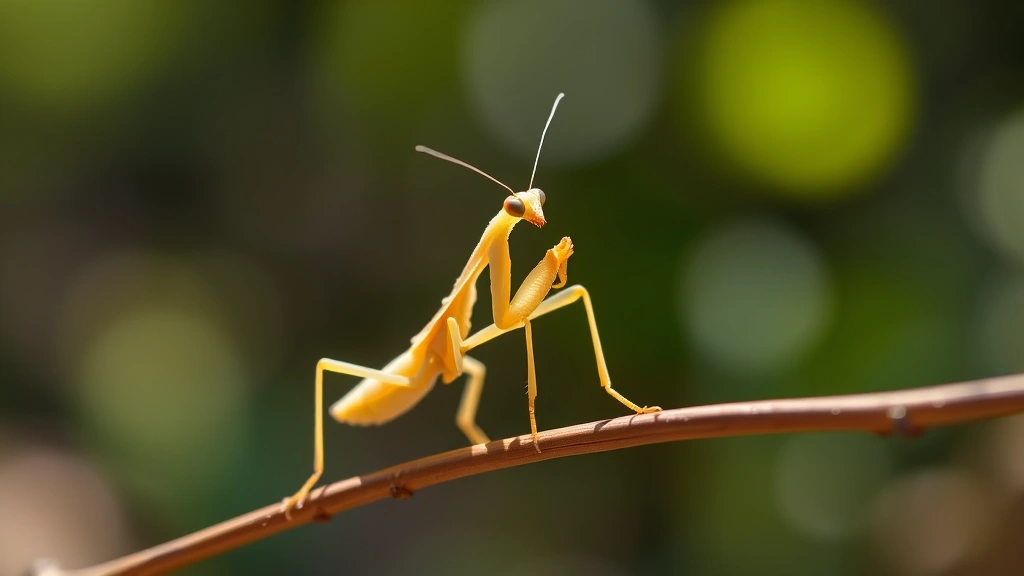
Not all mantis species are equally suitable for beginners. While there are over 2,400 species worldwide, only a handful make sense for novice keepers starting with baby praying mantis specimens. The most beginner-friendly options include the Chinese mantis, the European mantis, and the Carolina mantis—all relatively hardy and forgiving of minor care inconsistencies.
The Chinese mantis (Tenodera sinensis) is perhaps the most popular choice for first-time keepers. These insects grow to impressive sizes (up to four inches), making them easier to handle and observe. They’re also incredibly resilient, tolerating temperature fluctuations and occasional feeding mishaps better than more delicate species. Baby praying mantis specimens of this species are robust enough to survive the nymph stage with reasonable care.
European mantises (Mantis religiosa) offer a more compact alternative, reaching about three inches at maturity. They’re equally hardy and provide a slightly different aesthetic experience. Carolina mantises are native to North America, making them an excellent choice if you want to keep and study local species while supporting regional biodiversity awareness.
When selecting your baby praying mantis species, consider your climate, available space, and desired adult size. Each species has slightly different temperature preferences and feeding requirements. Research from the Smithsonian Institution provides excellent species-specific information that can guide your decision-making process.
Avoid rare or highly specialized species until you’ve gained experience. The temptation to start with exotic varieties is understandable, but these often require precise environmental conditions that make them unforgiving for beginners. Building confidence with hardy species first creates a foundation for more advanced keeping later.
Essential Habitat Setup
Creating the right environment is fundamental to your baby praying mantis’s survival and wellbeing. Unlike some pets that can adapt to various conditions, mantises are surprisingly particular about their living spaces. The good news? Setting up proper housing doesn’t require elaborate equipment or significant expense.
Container size is your first consideration. For nymphs, a small plastic container with ventilation holes works adequately—something roughly the size of a pint glass provides sufficient space. As your mantis grows through successive molts, you’ll need to upgrade to larger enclosures. Adult mantises typically require containers at least 12 inches tall and 8 inches wide to allow for proper positioning and molting.
Ventilation is absolutely critical. Your baby praying mantis needs adequate airflow to prevent mold growth and maintain healthy respiratory function. Drill small holes in container lids or use mesh screening. However, ensure holes are small enough that prey insects cannot escape and that the mantis cannot squeeze through.
Substrate—the material lining the container bottom—should absorb excess moisture without retaining dampness. Coconut fiber, sphagnum moss, or paper towel layers all work well. Avoid cedar and pine, which are toxic to many insects. The substrate should be replaced regularly to prevent bacterial and fungal growth.
Climbing branches are essential. Mantises need vertical space to position themselves for hunting and molting. Provide twigs, cork bark, or artificial plants that allow your baby praying mantis to climb and hang upside-down—a critical requirement for successful molting. Without proper climbing structures, molting complications can prove fatal.
Temperature management requires attention but not obsession. Most mantis species thrive between 70-80°F during the day, with slight cooling at night. Avoid exposing your baby praying mantis to direct sunlight or heat sources that could cause rapid temperature fluctuations. Room temperature in most homes is perfectly adequate, though you may need supplemental heating during winter months in cold climates.
Humidity should be moderate—not dry, not soggy. Lightly mist the enclosure once or twice weekly, depending on your local humidity levels. The goal is to maintain moisture that prevents dehydration without creating conditions for mold proliferation. Observing your mantis’s behavior will guide you; if it seems lethargic or its skin appears dull, humidity may be too low.
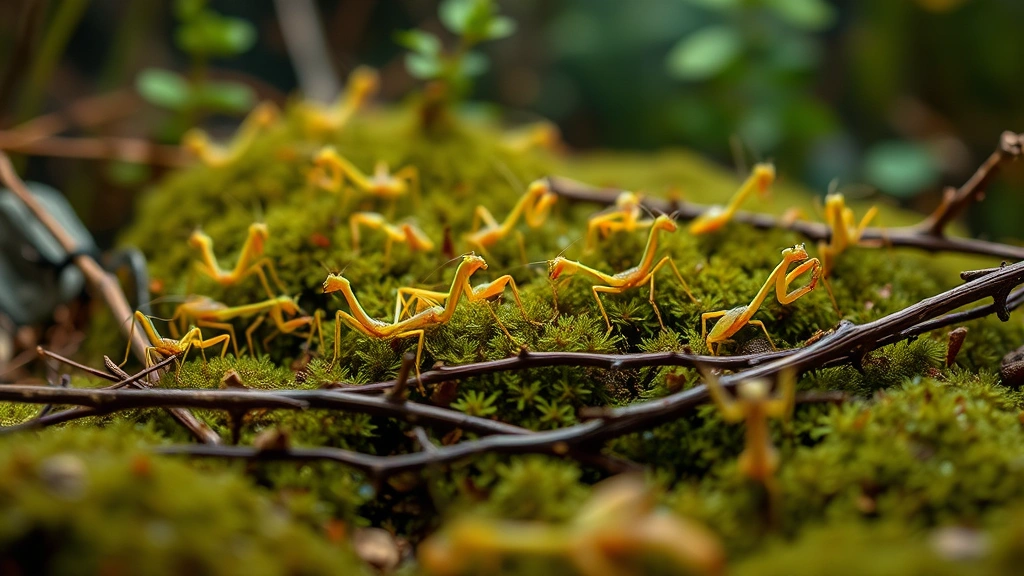
Feeding and Daily Care
Feeding your baby praying mantis is where the true magic happens. These are voracious hunters, and watching a nymph stalk and capture prey is an unforgettable experience. However, feeding practices must be carefully calibrated to ensure nutritional adequacy without overfeeding or creating injury risks.
Appropriate prey size is crucial. A general rule: feed your baby praying mantis prey items roughly one-third its own body size. Feeding prey that’s too large can result in injury or failed capture, while prey that’s too small provides insufficient nutrition. Fruit flies and small crickets are ideal for nymphs, with the feeding progression moving to larger crickets, roaches, and eventually grasshoppers as your mantis grows.
Feeding frequency depends on your mantis’s size and age. Nymphs typically eat every 2-3 days, while adults can go 5-7 days between meals. Interestingly, mantises are remarkably efficient hunters—they can survive extended periods without food if necessary, though regular feeding promotes faster growth and better health. Watch your mantis’s abdomen; a slightly rounded appearance indicates adequate nutrition, while a very thin abdomen suggests hunger.
Live prey is generally necessary, as mantises are stimulated by movement to strike. Some individuals may eventually accept dead prey, but this is unreliable. Ensure all prey is pesticide-free and appropriately sized. Gut-loading your prey—feeding it nutritious food before offering it to your mantis—enhances the nutritional value your baby praying mantis receives.
Water provision is often overlooked but essential. Mantises drink water droplets, so mist the enclosure walls or provide water droplets on leaves. Some keepers use water dishes, though nymphs may drown in standing water. A simple approach: lightly mist the enclosure 2-3 times weekly, allowing droplets to form on surfaces and climbing structures.
Daily observation is your most important maintenance task. Spend a few minutes each day watching your baby praying mantis, noting its behavior, appetite, and physical condition. Changes in behavior—decreased hunting interest, lethargy, or unusual positioning—often signal health issues that can be addressed early. This practice also deepens your connection with your pet and enhances the educational experience.
Cleaning requires balance. Remove uneaten prey promptly to prevent mold and bacterial growth, but avoid excessive handling or enclosure disturbance. Change substrate weekly or when visibly soiled. Thoroughly clean the enclosure monthly with mild soap and water, ensuring complete rinsing before reintroduction of your mantis.
Growth Stages and Molting
A baby praying mantis progresses through multiple growth stages called instars, each separated by a molt—a process where the mantis sheds its exoskeleton to accommodate growth. Understanding molting is crucial because it’s simultaneously the most remarkable and most vulnerable period in your mantis’s life.
Most mantis species undergo 6-10 molts before reaching adulthood, depending on species, temperature, and feeding frequency. Between molts, your baby praying mantis increases in size and develops more pronounced adult characteristics. The time between molts typically ranges from one to three weeks for nymphs, extending to several weeks for later instars.
Recognizing pre-molt behavior helps you prepare. Your mantis may refuse food for several days, hang motionless from its climbing structure, or display unusual positioning. The coloration might become slightly dull or faded. These signs indicate that a molt is imminent—typically occurring within 24-48 hours.
During the actual molt, your baby praying mantis will remain suspended, usually upside-down, while its new exoskeleton forms and the old one splits. This process takes 30 minutes to several hours and is absolutely critical—your mantis is completely vulnerable and defenseless. Do not disturb, handle, or feed your mantis during this period. Keep the enclosure quiet and maintain appropriate humidity.
Post-molt, your mantis’s new exoskeleton is soft and pale. It will gradually harden and darken over 24-48 hours. During this hardening period, avoid feeding and handling. Your mantis may appear disoriented or confused, which is completely normal. Once the exoskeleton has fully hardened and the mantis resumes normal behavior, feeding can resume.
Molting complications are the leading cause of death in captive mantises. If your baby praying mantis appears stuck during a molt or cannot fully escape its old skin, resist the urge to help. Premature intervention often causes injury. Instead, ensure humidity is adequate and allow the process to continue. Only intervene if the mantis is clearly in distress after several hours of unsuccessful molting.
Tracking molts helps you monitor your mantis’s development. Many keepers maintain simple records noting molt dates and observed changes. This practice transforms care into genuine scientific observation, an excellent educational component if children are involved in the project.
Breeding and Lifecycle
For keepers interested in the complete mantis lifecycle, breeding represents the ultimate frontier. Creating the next generation of baby praying mantis specimens from your own colony is an advanced but achievable goal that offers profound educational value.
Sexual maturity typically arrives after the final molt. Males and females can be distinguished by examining the abdomen—females have eight abdominal segments, while males have ten. Only adults can breed, so you’ll need to raise multiple mantises to adulthood and identify males and females.
Introducing a male and female for mating requires careful management. Males are attracted to females through pheromone signals and will approach cautiously. The mating process itself can last hours and is remarkably gentle—contrary to popular belief, the female doesn’t always eat the male, though cannibalism does occur. Provide adequate space and multiple escape routes for the male.
After successful mating, the female will produce an egg case called an ootheca within days or weeks. This papery, tan-colored structure contains hundreds of eggs and represents one of nature’s most fascinating creations. The female deposits the ootheca on a suitable surface—typically a branch or corner of the enclosure—and no further parental care occurs.
The ootheca must be preserved through winter dormancy (diapause) to produce viable nymphs. Most species require several months of cool temperatures (around 50-60°F) to break dormancy. Without this cold period, the eggs remain dormant indefinitely. In spring, as temperatures warm, the ootheca hatches, releasing dozens or even hundreds of baby praying mantis nymphs simultaneously.
Hatch day is chaotic and beautiful. Hundreds of tiny nymphs emerge over several hours, immediately beginning to hunt. Cannibalism is rampant at this stage, so rapid separation into individual containers is essential for survival. Providing abundant small prey—fruit flies are ideal—gives each nymph the best chance of establishing feeding success before being consumed by siblings.
The complete lifecycle, from egg to adult to reproduction, typically takes 12-18 months depending on species and conditions. Witnessing this entire cycle firsthand provides educational experiences that align beautifully with formal biology curricula, making mantis keeping valuable for families exploring structured baby education resources.
Common Challenges and Solutions
Even with careful attention, keeping a baby praying mantis presents occasional challenges. Awareness of common problems and their solutions significantly improves your success rate.
Molting difficulties: If your mantis appears stuck or injured during a molt, ensure humidity is adequate and resist intervention. Gentle misting may help, but forcing the process causes injury. Failed molts are often fatal, though some mantises recover if given time and appropriate conditions.
Feeding refusal: A healthy mantis rarely refuses food, so refusal often signals pre-molt behavior or stress. Stop offering food and observe. If refusal persists beyond a week outside of pre-molt periods, evaluate enclosure conditions—temperature, humidity, and stress levels may need adjustment.
Cannibalism among nymphs: This is natural behavior, not a care failure. If raising multiple nymphs from a single ootheca hatch, separate them immediately into individual containers. This prevents inevitable cannibalism and dramatically improves survival rates.
Mold and bacterial growth: Excessive moisture creates fungal and bacterial proliferation, particularly dangerous for nymphs. Improve ventilation, reduce misting frequency, and replace substrate more frequently. Ensure prey items are removed promptly.
Escape: Mantises are surprisingly determined escape artists. Ensure container lids fit securely and all ventilation holes are appropriately sized. A loose lid can result in your baby praying mantis exploring your home—an adventure that rarely ends well for the mantis.
Injury from prey: Large prey can injure your mantis if not properly sized. Crickets and roaches can bite and scratch, particularly if the mantis fails to capture them immediately. Use appropriately sized prey and remove uneaten items after a few hours.
Educational Value for Families
Beyond the novelty of keeping an unusual pet, a baby praying mantis offers remarkable educational opportunities for children and families. These insects naturally inspire curiosity and scientific thinking in ways that traditional classroom instruction often cannot match.
Observing predator-prey dynamics in real-time teaches ecology and evolutionary biology concepts. Your mantis demonstrates camouflage, hunting strategies, and adaptation—abstract concepts become visceral when witnessed firsthand. Children develop understanding of food chains, energy transfer, and natural selection through daily observation.
The molting process introduces metamorphosis and developmental biology. Tracking your baby praying mantis through successive instars, measuring growth, and documenting physical changes transforms abstract biological concepts into concrete, observable phenomena. Children learn patience and attention to detail through careful observation.
If you venture into breeding, the complete lifecycle becomes a multi-month science project that integrates ecology, reproduction, genetics, and environmental science. Recording observations, maintaining data, and tracking outcomes develops scientific method understanding and critical thinking skills.
Responsibility and empathy naturally develop through consistent care. Your baby praying mantis depends on you for food, appropriate habitat, and protection. This dependence creates a meaningful bond and teaches children about the responsibility inherent in keeping living creatures. It’s an excellent complement to other baby book resources that explore empathy and responsibility.
Mantis keeping also fosters appreciation for often-overlooked organisms. Many insects are dismissed as pests or insignificant, yet a baby praying mantis demonstrates remarkable intelligence, individual personality, and fascinating behaviors. This perspective shift—recognizing value and complexity in organisms typically ignored—is profoundly educational.
For families interested in exploring nature through unconventional means, mantis keeping complements traditional nature study beautifully. It’s an entry point into broader insect appreciation and can lead to interest in other arthropods and invertebrates. This natural progression aligns well with comprehensive approaches to baby insects education and discovery.
The intersection of entomology, ecology, responsibility, and wonder makes a baby praying mantis an unexpectedly perfect educational tool. It’s accessible, engaging, and genuinely transformative for families willing to invest attention and care.
Frequently Asked Questions
How long do baby praying mantis nymphs live?
Baby praying mantis nymphs typically live 4-8 weeks before their first molt, though this varies by species and environmental conditions. Warmer temperatures and regular feeding accelerate development. The entire lifecycle from nymph to adult typically spans 6-12 months depending on species and conditions.
Can you keep multiple baby praying mantis nymphs together?
While newly hatched nymphs from a single ootheca may coexist briefly, they rapidly become cannibalistic. Separate nymphs into individual containers within hours of hatching for optimal survival. Adult mantises are also solitary and should be housed separately except during brief mating encounters.
What temperature do baby praying mantis nymphs need?
Most species thrive at temperatures between 70-80°F during the day, with slight cooling at night. Avoid temperature fluctuations exceeding 10°F daily. If your home is consistently cooler, supplemental heating may be necessary. Research your specific species, as requirements vary slightly.
How often should you feed a baby praying mantis?
Nymphs typically eat every 2-3 days, while adults can go 5-7 days between meals. Frequency depends on size, age, and environmental temperature. Warmer conditions increase metabolism and feeding frequency. Monitor your mantis’s abdomen—a slightly rounded appearance indicates adequate nutrition.
Do baby praying mantis nymphs need light?
No, mantises don’t require special lighting. Natural room light is perfectly adequate. Avoid direct sunlight, which can cause temperature spikes and stress. A consistent light-dark cycle (12 hours each) is beneficial but not strictly necessary in most home environments.
Can you handle a baby praying mantis?
Nymphs are delicate and vulnerable to injury, so handling should be minimal. Their small size makes escape easy, and rough handling can cause injury. As they mature and reach adult size, careful handling becomes more feasible. Always support the mantis gently and avoid sudden movements.
What prey is best for baby praying mantis nymphs?
Fruit flies and small crickets are ideal for nymphs. As your mantis grows, progress to larger crickets, roaches, and eventually grasshoppers. Ensure all prey is pesticide-free and appropriately sized—roughly one-third of your mantis’s body length. Gut-loaded prey provides superior nutrition.
How do you know if a baby praying mantis is male or female?
Sexual dimorphism isn’t obvious in nymphs. Only after the final molt can you distinguish males from females by counting abdominal segments—females have eight, males have ten. Females also tend to be noticeably larger than males of the same species.
What should you do if your baby praying mantis won’t eat?
Feeding refusal often indicates pre-molt behavior or stress. Stop offering food and observe—molting typically occurs within 24-48 hours. If refusal persists beyond a week outside of molting periods, evaluate enclosure conditions including temperature, humidity, and stress levels. Ensure prey is appropriately sized.
Can baby praying mantis nymphs survive without feeding for extended periods?
Yes, mantises can survive several weeks without food, though this is not ideal. Regular feeding promotes faster growth and better health. Starvation stress increases susceptibility to disease and molting complications. Maintain consistent feeding schedules for optimal outcomes.