What Is a Baby Romper? A Parent’s Guide to This Versatile Wardrobe Essential
If you’re navigating the world of baby fashion for the first time, you’ve probably encountered the term “baby romper” more than once. Whether you’re scrolling through online retailers, attending a baby shower, or browsing clothing racks, rompers seem to be everywhere. But what exactly is a baby romper, and why do so many parents swear by them? The answer is simpler than you might think, yet there’s more to these adorable one-pieces than meets the eye.
A baby romper is essentially a one-piece garment that combines a shirt and shorts (or pants) into a single outfit. Think of it as the baby fashion equivalent of a jumpsuit—convenient, cute, and surprisingly practical. But beyond the basic definition lies a whole world of styles, fabrics, and designs that make rompers a staple in most nurseries and diaper bags. From casual weekend wear to dressier options perfect for special occasions, rompers have earned their place in the baby wardrobe rotation.
In this guide, we’ll explore everything you need to know about baby rompers: what makes them special, how to choose the right one for your little one, and why they’ve become such a beloved choice among modern parents. Whether you’re a first-time parent or adding to your growing family, understanding the ins and outs of rompers will help you make smarter clothing purchases and keep your baby comfortable and stylish.
What Is a Baby Romper?
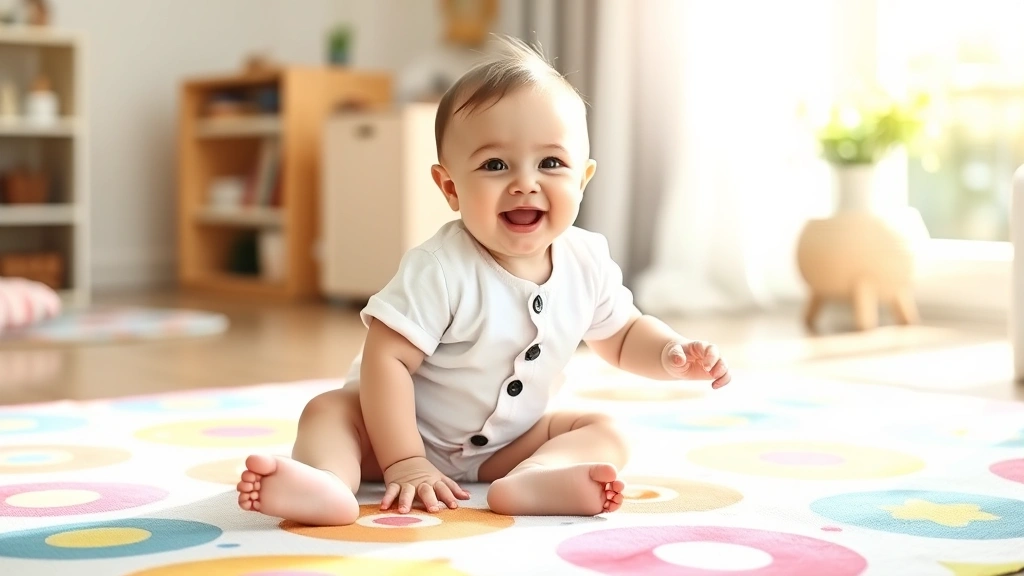
Let’s start with the fundamentals. A baby romper is a one-piece garment designed specifically for infants and toddlers, typically ranging from newborn sizes up to around 24 months, though some styles extend beyond that age range. The garment features a fitted bodice connected to either shorts or full-length pants, creating a seamless look that covers the torso and legs in a single outfit.
The beauty of a romper lies in its simplicity. Unlike separates that require you to coordinate tops and bottoms, a romper does the styling work for you. Most baby rompers feature snap buttons or zippers down the front or along the inseam, making diaper changes relatively straightforward—an important consideration when you’re changing diapers multiple times a day. Some designs include leg snaps that allow you to open up the pant legs for easier access during diaper changes, a feature that many parents find invaluable.
Rompers come in various lengths and styles. You’ll find everything from baby girl clothes featuring delicate patterns and ruffles to baby boy clothes with bolder prints and simpler designs. The versatility of rompers means there’s genuinely something for every baby’s personality and your family’s style preferences.
The term “romper” itself has an interesting history. It derives from the verb “romp,” reflecting the playful, active nature of childhood. The garment was designed with movement and comfort in mind, allowing babies and toddlers to play freely without the restriction of traditional clothing.
Why Parents Love Baby Rompers
Understanding why rompers have become such a parenting staple requires looking beyond aesthetics. While they’re undeniably adorable, the practical benefits are equally compelling.
Convenience and Ease: The primary reason parents gravitate toward rompers is pure practicality. A single garment eliminates the need to coordinate separate pieces, which saves time during morning routines and reduces the mental load of outfit planning. When you’re managing multiple clothing items, laundry becomes exponentially more complex. Rompers simplify this equation significantly.
Diaper Changes Made Simpler: Most quality baby rompers feature strategic snap placements that allow you to access the diaper area without completely undressing your baby. This design consideration is particularly valuable during those frequent diaper changes in the early months. Some rompers feature full-length leg snaps, while others have snap access at the inseam, each offering different levels of convenience depending on your preference.
Temperature Regulation: Rompers come in various weights and fabrics, making them suitable for different seasons. A lightweight cotton romper works beautifully for summer, while heavier knit or fleece options provide warmth during cooler months. This adaptability means you can use rompers year-round with appropriate fabric choices.
Aesthetic Appeal: Let’s be honest—rompers are objectively cute. They offer a polished, put-together look that photographs beautifully, which matters when you’re documenting your baby’s precious early months. The one-piece silhouette is flattering and creates a cohesive visual impression that separates often cannot achieve.
Value for Money: When you compare the cost of a romper to purchasing a matching outfit of separate pieces, rompers often provide better value. You’re getting a complete outfit in a single garment, which is economically sensible for parents managing tight budgets.
Types and Styles of Baby Rompers
The world of baby rompers is far more diverse than many parents initially realize. Understanding the different categories helps you make informed choices based on your specific needs and lifestyle.
Casual Play Rompers: These are your everyday workhorses. Typically made from soft cotton or cotton blends, casual rompers feature simple designs and practical snap closures. They’re perfect for playdates, running errands, and lounging at home. You can find them in solid colors or fun prints, and they’re usually priced affordably enough to own several in rotation.
Dressy Rompers: Perfect for special occasions, dressy rompers elevate the basic design with embellishments, fancier fabrics, or more intricate patterns. These might feature delicate lace, embroidery, or boutique-quality construction. If you’re looking for baby shower gift ideas, a beautiful dressy romper often makes an excellent choice that parents genuinely appreciate.
Seasonal Rompers: Designers create rompers specifically tailored to different seasons. Summer rompers are typically sleeveless or short-sleeved with lightweight fabrics and bright colors. Winter rompers might feature long sleeves, heavier knits, or fleece linings. Spring and fall options bridge the gap with versatile layering pieces.
Themed Rompers: From holiday-specific designs to character-themed options, themed rompers allow you to celebrate special occasions or express your baby’s personality. These range from subtle seasonal touches to bold, statement-making designs.
Swim Rompers: Specifically designed for water activities, swim rompers combine sun protection with the convenience of a one-piece. These are typically made from UV-protective materials and quick-dry fabrics, making them ideal for beach trips or pool days.
How to Choose the Right Baby Romper
With so many options available, selecting the right baby romper requires considering several factors beyond just appearance.
Size and Fit: Proper sizing is crucial for comfort and functionality. Baby rompers should fit snugly but not restrictively around the torso and arms. The length is equally important—you want the garment to reach your baby’s ankles without bunching or leaving gaps. Since babies grow rapidly, consider purchasing rompers in slightly larger sizes if you plan to use them for several months. Check the manufacturer’s size charts carefully, as sizing varies between brands.
Fabric Quality: The fabric you choose directly impacts your baby’s comfort and the garment’s durability. Organic cotton is an excellent choice for sensitive skin, offering breathability and softness without harsh chemicals. Bamboo fabric is another premium option known for its silky feel and temperature-regulating properties. Avoid fabrics that feel stiff or scratchy, and always check for soft seams and tag placements that won’t irritate your baby’s delicate skin.
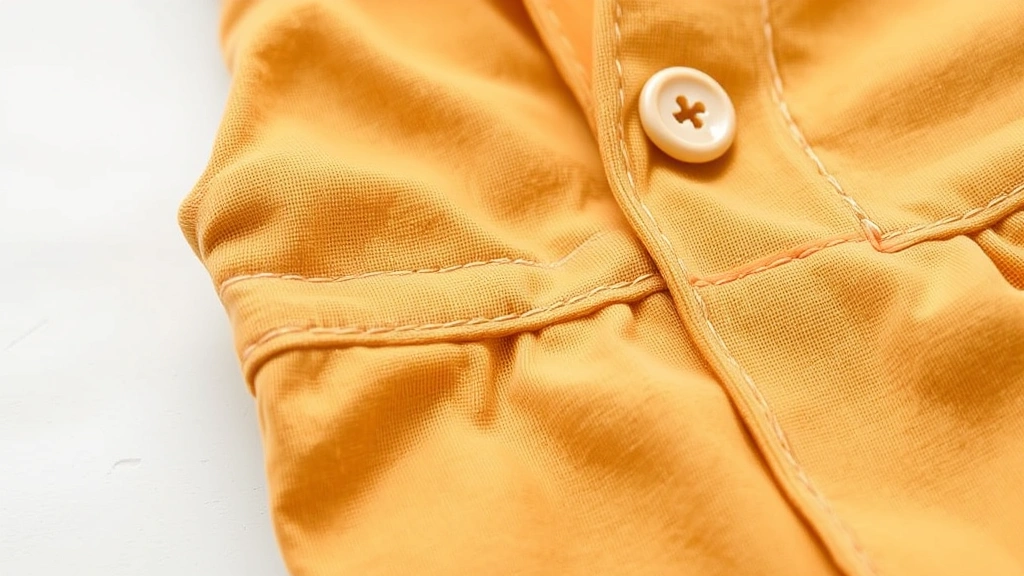
Closure Type: Baby rompers typically feature either snap buttons or zippers. Snaps are quieter and gentler during nighttime diaper changes, though they can take longer to fasten. Zippers offer speed and ease but can pinch skin if not handled carefully. Some parents prefer zippers for quick changes, while others favor snaps for peace of mind. Consider your personal preference and your baby’s sensitivity.
Functionality: Think about your lifestyle when choosing a romper. Do you need frequent diaper access? Are you planning to use this for active play? Will you need to layer it with other pieces? A romper with full-length leg snaps offers maximum diaper-changing convenience, while a simpler design might work if you prefer to fully undress your baby during changes.
Season and Climate: Choose fabrics and sleeve lengths appropriate for your climate. Lightweight, breathable fabrics are essential for warm weather, while heavier knits work better in cooler months. Consider your home’s temperature control and how much time your baby spends outdoors when making selections.
Design Versatility: Neutral colors and classic designs offer more versatility than trendy prints. While trendy rompers are fun, investing in some timeless pieces ensures you can use them across different occasions and potentially pass them down to younger siblings.
When building your baby’s wardrobe, think about incorporating rompers alongside other essentials. You might consider pairing them with options like baby dresses for variety, or consulting a baby registry checklist to ensure you’re covering all your clothing bases.
Care and Maintenance Tips
Proper care extends the life of your baby rompers and keeps them looking fresh and feeling soft through multiple washings.
Washing Guidelines: Always check the manufacturer’s care instructions, as different fabrics require different approaches. Most baby rompers can be machine washed in cool or warm water on a gentle cycle. Use mild, fragrance-free detergent specifically formulated for baby clothes to avoid irritating sensitive skin. Avoid fabric softeners, which can leave residue and reduce the fabric’s breathability.
Stain Treatment: Address stains promptly before washing. For food or spit-up stains, rinse with cool water immediately and treat with a baby-safe stain remover. For tougher stains, pre-soak the garment in cool water with mild detergent for 30 minutes before washing.
Drying: Air drying is ideal for preserving fabric integrity and preventing shrinkage. Lay rompers flat on a clean surface or hang them on a clothesline. If you prefer machine drying, use the lowest heat setting available. Remove rompers from the dryer immediately to prevent wrinkles and further heat damage.
Storage: Store clean rompers in a cool, dry place away from direct sunlight, which can fade colors. Fold them neatly or hang them on child-sized hangers to prevent creasing. If storing for extended periods, ensure the storage area is free from moisture and pests.
Snap and Zipper Maintenance: Regularly inspect snaps and zippers for damage. If snaps become loose, they can sometimes be reinforced with careful hand-stitching. Zippers that stick can often be remedied by rubbing a graphite pencil along the teeth or applying a small amount of silicone lubricant.
Styling Ideas and Occasions
The versatility of baby rompers extends beyond casual wear. With thoughtful styling, you can adapt rompers for various occasions and seasons.
Casual Everyday Look: Pair a simple cotton romper with soft socks or booties for an effortless, comfortable everyday outfit. Add a lightweight cardigan or denim jacket for layering on cooler days. This approach keeps your baby comfortable while maintaining a put-together appearance.
Dressy Occasion Styling: For special events, choose a romper in a premium fabric or with embellishments. Layer it with a delicate cardigan or shrug, and add dress shoes or fancy socks. A small bow or hair accessory completes the polished look. This is where investing in a higher-quality romper pays dividends.
Seasonal Transitions: Rompers are perfect for layering during shoulder seasons. In spring and fall, pair a short-sleeved romper with long-sleeved bodysuits underneath or add a lightweight jacket over top. This approach extends the wearability of your rompers across multiple seasons.
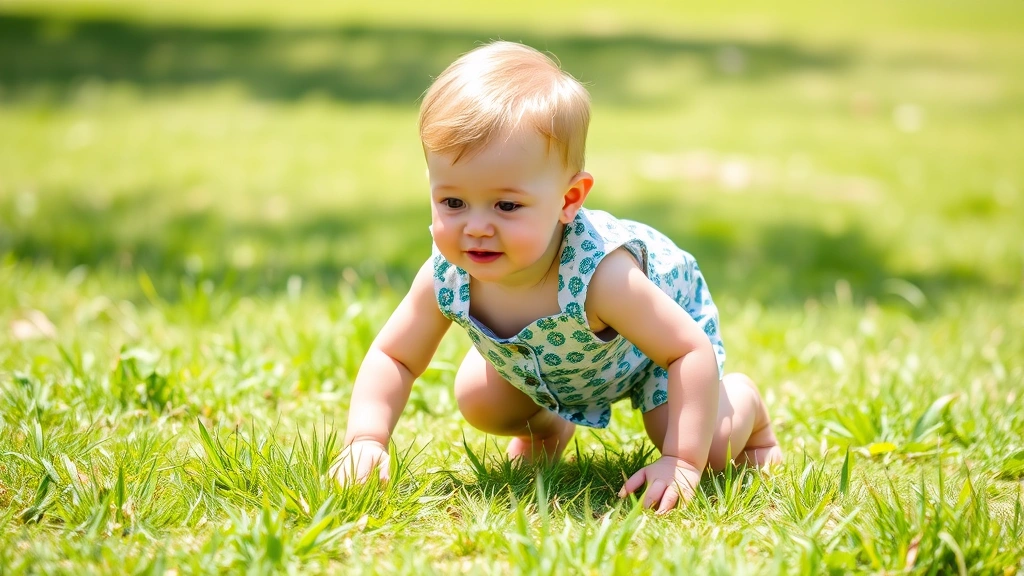
Outdoor Adventures: Choose durable, darker-colored rompers for outdoor play and exploration. Pair them with protective layers like a light jacket or UV-protective swim shirt if heading to the beach. The practical design of rompers makes them ideal for active babies.
Holiday and Themed Celebrations: Take advantage of themed rompers during holidays and celebrations. A festive print romper requires minimal additional styling to create a festive look. These make wonderful photo opportunities and help mark special moments.
Frequently Asked Questions
What age can babies wear rompers?
Babies can wear rompers from newborn stage through toddlerhood, typically up to around 24-36 months depending on the brand and your child’s size. Newborn-specific rompers are designed with extra softness and gentle closures appropriate for delicate newborn skin. Some specialty brands offer rompers for older toddlers and even preschoolers, so sizing varies significantly.
Are rompers better than separate outfits for babies?
Both have merits depending on your needs. Rompers offer convenience, easy diaper changes, and a coordinated look. Separate outfits provide more versatility for mixing and matching pieces. Many parents find that having both options gives them maximum flexibility. According to the American Academy of Pediatrics, comfort and appropriate sizing matter most, regardless of garment type.
How many baby rompers should I own?
Most parents find that owning 5-10 rompers in rotation is practical. This number allows for regular washing while ensuring you always have clean options available. The exact number depends on your laundry frequency and how often you want to wash clothes. If you do laundry daily, fewer rompers suffice; if you prefer weekly washing, you’ll want more in your collection.
Can you use rompers for sleeping?
Many rompers are suitable for sleeping, particularly those made from soft, breathable fabrics. However, for nighttime sleep, consider dedicated sleep rompers or pajamas that meet safe sleep guidelines. According to CDC guidelines on safe infant sleep, loose clothing should be avoided in cribs. Choose fitted rompers or dedicated sleepwear designed specifically for safe sleeping.
Are there gender-neutral baby rompers?
Absolutely. Many brands now offer gender-neutral rompers in solid colors, geometric patterns, and unisex designs. These are perfect if you’re having a surprise baby, planning to have more children, or simply prefer clothing without gendered styling. Neutral options also make excellent gifts since they work for any baby.
What’s the difference between a romper and a onesie?
The main difference is that onesies typically have snap closures at the crotch only and longer sleeves, while rompers have legs and usually offer more comprehensive snap access. Onesies are primarily designed as base layers or sleepwear, whereas rompers function as complete outfits. Both serve purposes in a baby wardrobe, and many parents use them for different occasions.
How do I know if a romper fits properly?
A well-fitting romper should allow you to fit one finger comfortably between the fabric and your baby’s skin. The garment should not be so tight that it restricts movement or leaves marks on the skin, nor so loose that it creates excess bunching. The length should reach your baby’s ankles without gaps or excessive folding. Always check sizing charts, as they vary between manufacturers.
Can you dress up a casual romper for special occasions?
Definitely. A simple casual romper can be elevated with the right accessories and layering pieces. Add a dressy cardigan, special socks, and dress shoes to transform a basic romper into event-appropriate attire. Accessories like bows, headbands, or boutique touches can also elevate the look without requiring a completely different outfit.
What fabric is best for sensitive baby skin?
Organic cotton is widely regarded as the best choice for sensitive baby skin, as it’s grown without synthetic pesticides or fertilizers. Bamboo fabric is another excellent option, known for its softness and hypoallergenic properties. Always look for certifications like GOTS (Global Organic Textile Standard) to ensure the fabric meets rigorous standards. According to Parents Magazine’s guidance on baby skin care, natural, minimally processed fabrics are ideal for tender skin.
Are expensive baby rompers worth the investment?
Higher-priced rompers often feature superior fabric quality, better construction, and more durable closures. If you plan to pass rompers down to younger siblings or resell them, investing in quality pieces makes sense. However, casual play rompers from mid-range brands often serve perfectly well for everyday use. Consider your budget and priorities—investing in one or two quality dressy rompers while purchasing several affordable casual options is a balanced approach many parents find effective.