Is a Baby Swing Chair Worth It? Parent Insights and Honest Truths
Let’s cut through the marketing noise: every parent faces the same question when preparing for a newborn. Do we really need a baby swing chair, or is it just another gadget that’ll collect dust in the corner of the nursery? The answer isn’t as straightforward as yes or no, and that’s exactly what makes this decision tricky.
After months of research, parent forums, and real-world experience, the consensus is nuanced. A baby swing chair can be genuinely transformative for some families and completely unnecessary for others. The difference lies in understanding what these devices actually do, what your family needs, and whether the investment aligns with your lifestyle and budget.
This guide walks you through the honest pros and cons, real parent experiences, and practical considerations to help you make an informed decision—not based on what manufacturers promise, but on what actually matters to your family.
What Exactly Is a Baby Swing Chair?
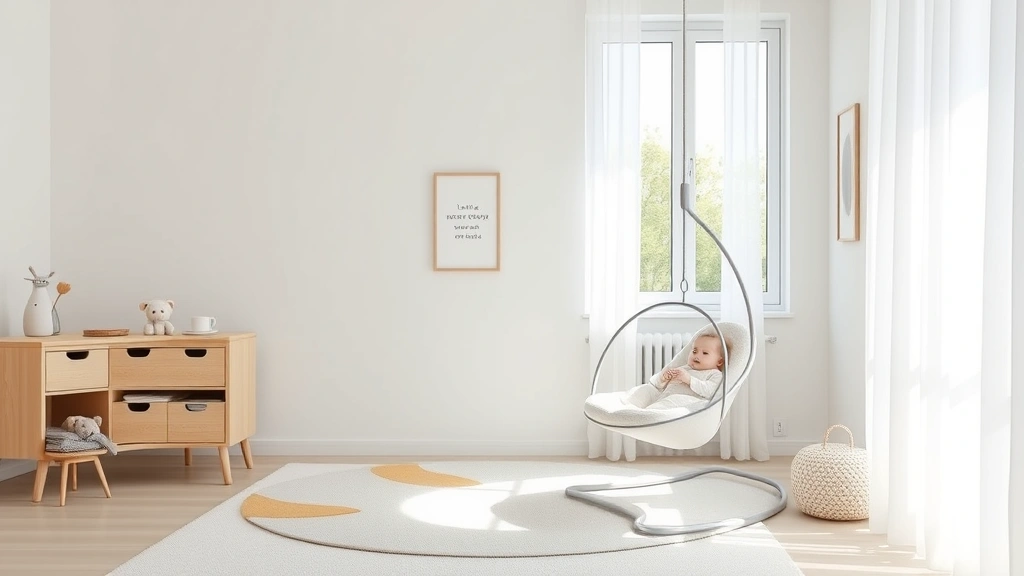
A baby swing chair is a motorized device designed to gently rock or sway an infant, typically for soothing purposes. Unlike traditional manual swings, modern versions come with adjustable speeds, various swing motions (side-to-side, front-to-back), and often include additional features like music, white noise, and mobile attachments.
The basic premise is simple: motion and rhythm can calm a fussy baby. This isn’t marketing magic—it’s rooted in infant development. Babies spent nine months in a constantly moving environment (the womb), so gentle, repetitive motion mimics that familiar sensation and can trigger a natural calming response.
Most baby swing chairs are designed for infants from birth up to around 25-30 pounds, though specific weight limits vary by model. They typically run on batteries or plug into an outlet, and the better models offer quiet operation—a critical feature when you’re trying to preserve your own sanity during late-night soothing sessions.
Real Benefits Parents Actually Experience
Beyond the theoretical benefits, parents report several tangible advantages when using a baby swing chair effectively.
Hands-Free Soothing During Critical Times
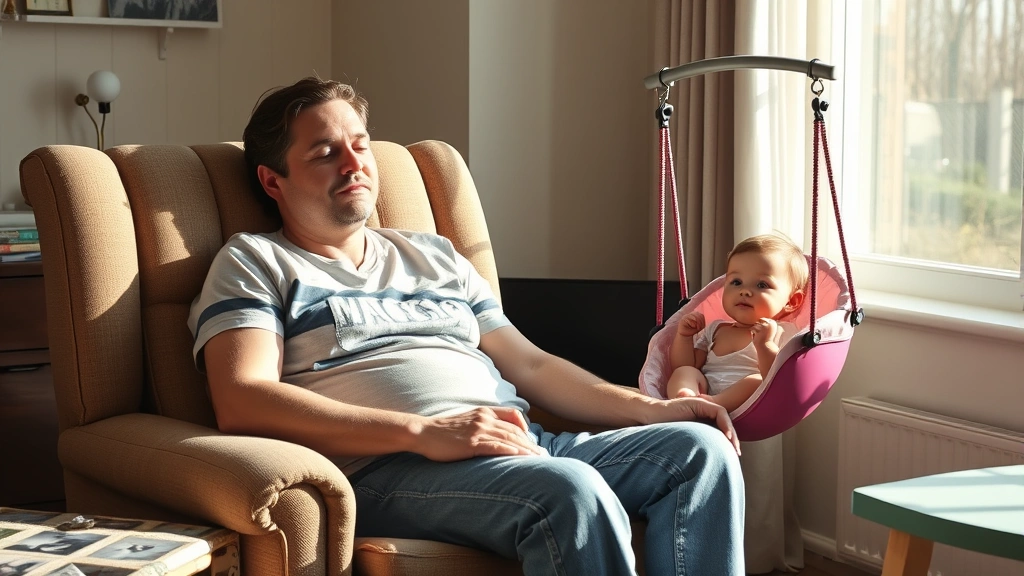
The most cited benefit is simple: you get your hands back. When your baby is inconsolable at 3 a.m., or you need to shower, eat, or simply sit down without holding a crying infant, a swing chair provides legitimate relief. This isn’t laziness—it’s survival. Parents with colicky babies or those dealing with postpartum exhaustion often describe this as life-changing.
Predictable Calming Solution
Some babies respond to swinging with remarkable consistency. While not every infant will fall asleep instantly, many parents find that their baby has a reliable go-to soothing method. When you’re desperate and nothing else works, knowing you have one tool that sometimes succeeds is psychologically valuable.
Reduced Parental Stress
The mental health aspect shouldn’t be underestimated. New parents operating on minimal sleep with a fussy baby experience genuine stress. Having a device that occasionally provides a break can make the difference between coping and completely unraveling. Your wellbeing matters, and if a swing chair contributes to that, it has real value.
Flexibility in Daily Routines
A swing chair gives you options. You’re not forced to hold your baby constantly while trying to manage household tasks, care for other children, or attend to your own basic needs. This flexibility, even if temporary, can feel like freedom when you’re in the thick of the newborn phase.
Safe Supervised Placement
Unlike laying a baby on the couch (a genuine suffocation risk), a swing chair is specifically designed to support an infant safely. It’s a designated safe space where you can place your baby while you’re in the same room but not actively holding them.
The Honest Drawbacks Nobody Talks About
Before you add a swing chair to your registry, consider the real limitations and potential problems.
Not Every Baby Will Use It
This is the uncomfortable truth manufacturers downplay. Some babies tolerate swings. Some enjoy them. And some absolutely despise them, screaming as if the device is personally attacking them. You might invest $150-300 only to discover your baby isn’t a swing kid. That’s a significant gamble when you’re already managing expenses.
Space Requirements Are Real
Baby swing chairs aren’t tiny. They require dedicated floor or furniture space, which matters if you live in a small apartment or have multiple children. That corner space in the nursery could hold a dresser, bookshelf, or simply provide open play area. Storage isn’t always practical either—they don’t fold compactly, and keeping one “just in case” for a second child means committing to that storage solution for years.
Dependency Concerns
Some parents worry that relying on a swing chair creates a dependency—that babies become accustomed to swinging and struggle to sleep without it. While this isn’t universally true, it’s a legitimate concern worth considering, especially if you’re committed to independent sleep skills from the beginning.
Noise and Battery Considerations
Even “quiet” swings produce sounds. If you’re a light sleeper sharing a room with your baby, the motor hum might drive you up the wall. Battery-operated models require constant replacement or charging, and forgetting to charge at 2 a.m. when you desperately need the swing is frustrating beyond measure.
Safety Limitations
Swing chairs are designed for soothing, not sleeping. Pediatric guidelines recommend against extended periods in swings due to positional concerns. They’re also not appropriate for unsupervised sleep, which limits their utility compared to a crib or bassinet. You still need a separate safe sleep space regardless.
Financial Considerations
Quality models cost $150-400. Budget options exist but often feature unreliable motors or cheap construction that fails quickly. That’s real money that could go toward other essentials or experiences with your family.
Cost Analysis: Is the Price Tag Justified?
Let’s talk numbers honestly. When deciding if a baby swing chair is worth it, calculate the actual cost per use.
If you buy a $250 swing chair and use it actively for 6 months (roughly 180 days), that’s about $1.40 per day. If it genuinely helps you manage stress and gives you breaks during that period, that might feel reasonable. However, if your baby hates it and you use it three times before giving up, you’ve spent $83 per use. That’s objectively expensive for an unused item.
Consider these financial angles: First, check if you can borrow one from friends or family. Many parents have unused swings gathering dust—you might secure a free trial before buying. Second, look into rental options in some areas, though this is becoming less common. Third, evaluate whether the money might be better spent on other support systems, like hiring a postpartum doula for even one week, which might provide more relief than a swing chair.
If you’re on a tight budget, this is genuinely a luxury item, not a necessity. Your baby will be fine without one. If money isn’t a constraint and you’re willing to accept the risk of non-use, the decision becomes easier.
What Real Parents Say
Beyond the statistics, parent experiences reveal the nuanced reality of swing chair ownership.
The Enthusiasts: “My swing chair was absolutely worth every penny. My daughter had severe reflux and colic, and nothing else worked. The gentle motion was the only thing that gave us any peace. We used it multiple times daily for eight months. I’d buy it again in a heartbeat.”
The Pragmatists: “It was helpful for maybe three months when my son was colicky. After that, he outgrew the need for it. I don’t regret buying it, but I wouldn’t call it essential. It was nice to have when we needed it.”
The Skeptics: “Complete waste of money in our case. Our baby screamed whenever we put her in it. We tried different speeds, different times of day—nothing worked. It’s now in our garage taking up space.”
The Practical Parents: “We borrowed one from my sister for the first month. It was okay, but honestly, I used my partner’s arms more than the swing. I’m glad we didn’t buy it—we used that money for a good white noise machine and blackout curtains instead, which helped more.”
The common thread? Parents who had realistic expectations and specific problems they hoped the swing would solve (like colic or reflux) reported higher satisfaction. Those who viewed it as a general baby-calming solution often felt disappointed.
Viable Alternatives to Consider
Before committing to a swing chair, explore these proven alternatives that often cost less and work for different families.
Babywearing
A quality carrier ($80-200) provides motion, closeness, and hands-free capability without taking up space. You can wear your baby while walking, doing dishes, or simply existing in your home. Many parents find this more practical than a stationary swing.
White Noise and Environment Optimization
Sometimes babies aren’t fussy because they need motion—they’re fussy because the environment is wrong. A white noise machine ($20-60), blackout curtains ($30-50), and temperature control can work wonders. These investments help with sleep quality beyond the newborn phase too.
Manual Rocking Solutions
A traditional glider or rocker ($150-400) allows you to provide motion with your own energy while sitting comfortably. You’re engaged with your baby, and you get a comfortable chair you’ll likely use for years. This works well if you enjoy the rocking motion yourself—many parents find it meditative.
Stroller Walks
Free and often highly effective. A walk around the block, neighborhood, or local park combines fresh air, motion, and a change of scenery. This works for countless babies and provides benefits beyond soothing (your own mental health, vitamin D, etc.).
Bouncer Seats
Smaller and less expensive ($50-150) than swing chairs, bouncers use your baby’s natural movement to create gentle bouncing. They take up less space and serve multiple purposes. Some babies prefer the bouncing motion to swinging.
Combination Approach
Many parents find success combining several methods: white noise, a carrier for daytime soothing, and a glider for nighttime comfort. This multi-tool approach often costs less than one expensive swing chair and provides more flexibility.
Making Your Decision: A Practical Framework
Rather than a simple yes or no, use this framework to determine if a baby swing chair makes sense for your specific situation.
Ask Yourself These Questions
- Do you have space? Can you comfortably accommodate a swing chair in your home without it dominating your living area?
- Is budget flexible? Can you afford a $200-300 item that might not get used? If this money would strain your resources, skip it.
- Do you have specific concerns? Are you dealing with colic, reflux, or extreme fussiness that makes you desperate for solutions? These situations favor swing chair ownership.
- Can you test first? Can you borrow a swing from someone before buying? This eliminates the guessing game.
- What’s your support system? Do you have family or friends who can help with soothing, or will you be managing mostly alone? Isolation increases the value of tools like swings.
- Are you committed to sleep independence? If you’re philosophically opposed to sleep aids and want your baby to self-soothe early, a swing might undermine your goals.
The Decision Tree
If you answered yes to most of these, a swing chair is probably worth considering: you have space, budget flexibility, specific soothing challenges, and the ability to test first. If you answered no to most, explore alternatives instead.
When researching specific options, explore the best baby swing options available, and if you’re interested in specific brands, check out reviews on the ingenuity baby swing model. If you’re building a comprehensive registry, consider consulting a baby registry must haves guide and a detailed baby registry checklist. If you’re shopping for a specific child, explore baby boy gifts that combine practicality with utility.
The Bottom Line
A baby swing chair is worth it if it solves a real problem in your specific situation. It’s not worth it if you’re buying it as insurance against theoretical fussiness or because everyone says you should. The best baby product is one you’ll actually use and that fits your family’s reality—not the marketing department’s vision of parenthood.
Frequently Asked Questions
At what age can babies use a swing chair?
Most swing chairs are safe for newborns from birth, though always check the manufacturer’s specifications. Weight limits typically range from 25-30 pounds, so most babies outgrow them between 9-12 months. Always verify your specific model’s guidelines, and consult with your pediatrician if you have concerns about your baby’s readiness.
Can babies sleep in swing chairs overnight?
Pediatric guidelines recommend against extended sleeping in swings. While short naps are generally fine, the reclined position and motion aren’t ideal for long-term sleep. Swings should supplement your baby’s primary sleep space (crib or bassinet), not replace it. The American Academy of Pediatrics provides specific sleep safety guidelines worth reviewing.
Will using a swing chair prevent my baby from learning to self-soothe?
Not necessarily, though it’s a valid concern. Using a swing as an occasional tool doesn’t inherently prevent self-soothing skills. However, if you rely on it as the primary soothing method 24/7, your baby may struggle without it initially. The key is balanced use—using the swing when you need it while also practicing other soothing methods.
Are battery-operated or plug-in swings better?
Plug-in swings offer consistent power and no battery replacement hassles, but they limit placement flexibility. Battery-operated swings are portable but require constant battery management. Many parents prefer plug-in models for their primary nursery location and consider portability a secondary benefit. Choose based on your home setup and priorities.
What features actually matter in a swing chair?
Focus on: quiet motor operation, adjustable swing speeds, sturdy construction, and ease of cleaning. Fancy features like Bluetooth connectivity or app control are marketing extras that don’t improve soothing effectiveness. Comfort for your baby and simplicity for you matter far more than bells and whistles.
Is it worth buying a used swing chair?
Yes, if it’s from a trusted source (family, close friends) and you can inspect it thoroughly. Check that all parts work, belts aren’t frayed, and there’s no visible wear that might indicate safety issues. Used swings cost significantly less, which reduces your financial risk. Avoid purchasing from unknown sources online due to safety concerns.
How long do babies typically use swing chairs?
Most babies actively use swings between 2-8 months, with peak usage around 3-4 months. After 6 months, many babies become more interested in independent movement and sitting up, making swings less appealing. By 9-12 months, most have outgrown them either developmentally or by weight limit.
Can a swing chair help with postpartum anxiety or depression?
While a swing chair isn’t a treatment, it can provide practical relief that contributes to your wellbeing. If you’re struggling with postpartum mental health, the device might give you necessary breaks. However, professional support through organizations like Postpartum Support International is essential. A swing chair is a tool, not a substitute for proper mental health care.