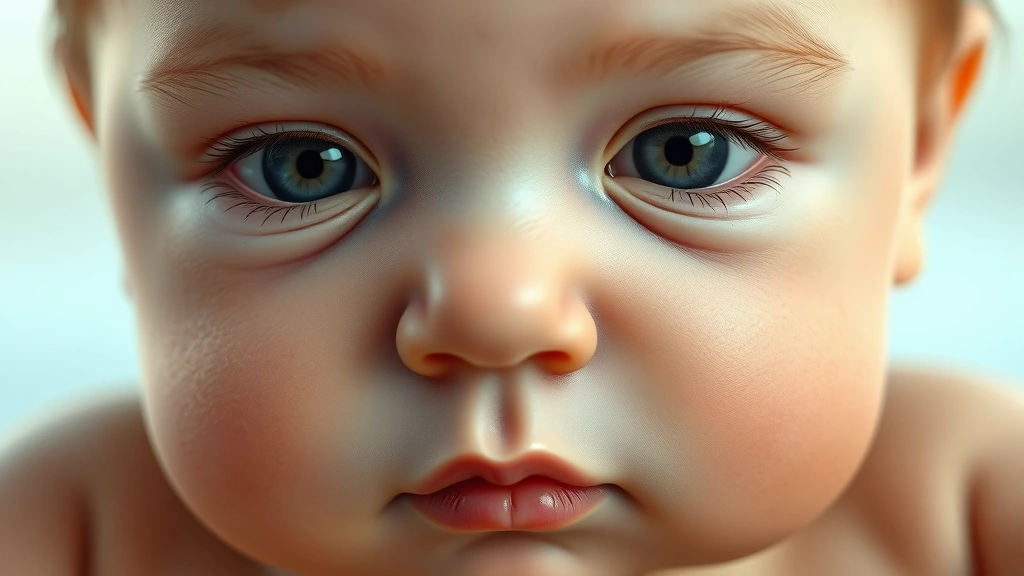
How Was Squid Game’s CGI Baby Created? Behind the Scenes of Television’s Most Unsettling Digital Character
When Squid Game premiered on Netflix, viewers were captivated by its gripping narrative, stunning cinematography, and unforgettable characters. But there’s one character that lingered in viewers’ minds long after the credits rolled—a character that wasn’t even human. The CGI baby that appears in the series became an unexpected talking point, sparking conversations about digital artistry, ethical storytelling, and the uncanny valley effect that makes audiences deeply uncomfortable.
This wasn’t your typical Hollywood blockbuster baby situation where producers simply hired an infant actor and called it a day. Instead, the creative team behind Squid Game made a deliberate artistic choice to use computer-generated imagery, and the result was something that felt deliberately wrong in a way that served the narrative. Understanding how this character came to life reveals fascinating insights into modern visual effects, creative decision-making, and why sometimes the most powerful storytelling moments come from embracing discomfort rather than avoiding it.
The creation of this digital character involved meticulous planning, advanced technology, and a deep understanding of human psychology. Let’s dive into the technical wizardry and creative choices that made Squid Game’s CGI baby one of the most talked-about visual effects moments in recent television history.
Why Choose CGI Over a Real Baby?
The decision to create a CGI baby rather than cast an actual infant was strategic and multifaceted. First and foremost, there are significant ethical and practical considerations when working with child actors, especially infants. Strict labor laws govern how long babies can work on set, requiring multiple infants to rotate through scenes, which complicates continuity and scheduling. Beyond logistics, the Squid Game creative team wanted complete control over the character’s appearance, expressions, and movements in ways that would be nearly impossible with a real child.
Director Hwang Dong-hyuk and his team also recognized that the story required a character that could embody a very specific emotional tone—something unsettling, almost otherworldly. This thematic choice aligned perfectly with the show’s darker elements. When you’re dealing with mature, complex narratives that explore human desperation and moral ambiguity, sometimes a real baby simply wouldn’t capture the intended atmosphere. The digital baby allowed for artistic expression that transcended realistic representation.
Additionally, insurance and liability concerns make working with infants on intense film sets increasingly complicated. By opting for CGI, the production team eliminated these concerns entirely while gaining unprecedented creative flexibility. They could shoot the scenes exactly as envisioned without compromising on safety or schedule.
The Technical Process Behind Digital Baby Creation
Creating a photorealistic CGI baby is exponentially more complex than generating other types of digital characters. Babies have extremely subtle facial features, delicate proportions, and skin with unique reflective properties that are notoriously difficult to replicate convincingly. The process began with extensive research and reference gathering, including high-resolution photography, video footage, and 3D scans of real infants.
The VFX team started by building a detailed 3D model of the baby’s skeletal structure and muscular system. Unlike creating an adult character where artists have more room for stylization, a baby requires anatomical accuracy because audiences have spent their entire lives studying infant proportions and movements. Any deviation from biological reality registers immediately in the viewer’s brain, triggering that uncomfortable feeling of something being slightly off.
Skin rendering proved to be one of the most challenging aspects. Infant skin has a particular translucency and softness that reflects light differently than adult skin. The VFX artists had to account for subsurface scattering—the way light penetrates and diffuses through semi-transparent materials—to achieve realistic skin appearance. They layered multiple texture maps and used advanced shader systems to capture the subtle variations in skin tone, surface imperfections, and the characteristic baby softness that makes infants visually distinctive.
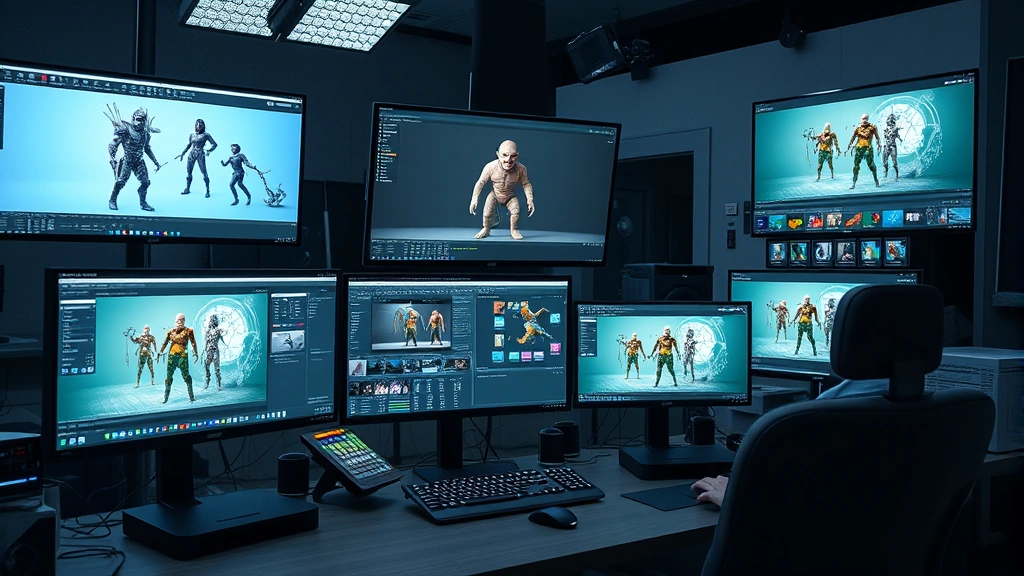
Facial animation required motion capture data combined with hand-animation refinement. The team studied infant facial expressions extensively, understanding how babies move their eyes, mouth, and brow in ways that differ significantly from older children and adults. Babies have limited voluntary control over their expressions, so the animators had to ensure their digital baby appeared appropriately constrained in its emotional range while still conveying necessary story elements.
Understanding the Uncanny Valley Effect
The uncanny valley is that eerie feeling you get when something looks almost—but not quite—human. It’s close enough to feel familiar but distant enough to trigger unease. Interestingly, the Squid Game team may have intentionally leaned into this psychological phenomenon rather than trying to overcome it completely. The slight imperfection in the CGI baby’s movements and expressions actually served the narrative, making viewers uncomfortable in a way that enhanced the story’s emotional impact.
This concept wasn’t invented for Squid Game—it’s been a challenge in VFX for decades. The closer you get to perfect realism without achieving it, the more unsettling audiences find the result. However, when filmmakers understand this principle and use it deliberately, they can create powerful emotional responses. The Squid Game baby’s subtle wrongness made it memorable, transformative, and thematically appropriate for a show exploring human vulnerability and moral compromise.
The uncanny valley effect exists because our brains are extraordinarily sensitive to human features. We’ve evolved to read facial expressions and body language with incredible precision—it’s how we survived as a species. When something mimics humanity closely but imperfectly, it triggers alarm bells in our evolutionary warning system. The VFX team recognized this and crafted their digital baby to operate in that liminal space between realism and artificiality.
Creative Intent and Narrative Purpose
Understanding the narrative context is crucial to appreciating why the CGI baby worked so effectively. The character appears in a scene that’s emotionally devastating and thematically significant to the story. The slight artificiality of the digital baby actually reinforced the scene’s emotional weight, creating cognitive dissonance that made viewers sit with their discomfort rather than becoming emotionally numb.
In storytelling, sometimes the most powerful moments come from embracing imperfection rather than hiding behind polish. Think about how cute anime baby characters use stylization to convey emotion differently than photorealistic representations. The Squid Game team applied similar logic but inverted it—using slight imperfection in photorealism to heighten emotional authenticity rather than diminish it.
The creative choice also reflected the show’s broader themes about dehumanization and the commodification of human beings. Using a CGI baby in a scene meant to devastate viewers created a meta-commentary on how media itself can manipulate our emotions through technical means. This layered approach to storytelling demonstrates sophisticated filmmaking that respects audience intelligence.
Technology and Software Used
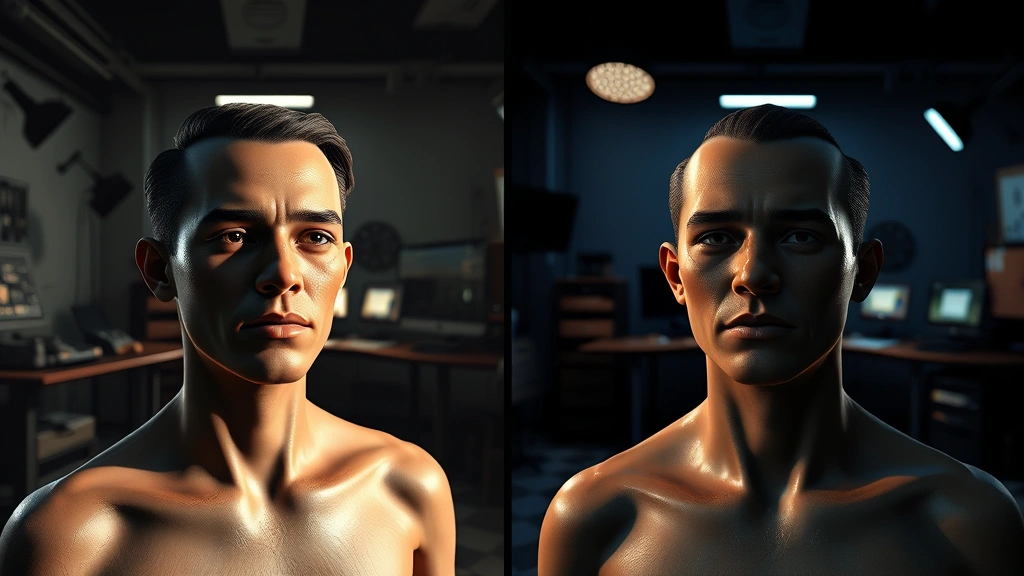
While specific details about Squid Game’s VFX pipeline haven’t been entirely disclosed by the production team, industry standards suggest they used industry-leading 3D modeling and animation software. Programs like Maya, Blender, and specialized rendering engines like RenderMan or Arnold likely played crucial roles in the character creation process.
Motion capture technology was probably employed to capture realistic infant movement patterns, though the data would have required significant refinement and hand-animation work. Advanced facial rigging systems allowed animators to control thousands of individual parameters affecting the baby’s expressions, from eyebrow position to subtle lip movements.
For rendering, the team likely utilized physically-based rendering techniques that simulate how light interacts with different materials. This approach ensures that the digital baby responds to lighting conditions in ways that match real-world physics, making it easier to integrate the character seamlessly into live-action footage. The rendering process for a photorealistic character of this complexity can take hours or even days per frame, depending on scene complexity and desired quality.
Post-production compositing brought everything together, layering the rendered character into the live-action environment while ensuring proper interaction with lighting, shadows, and other environmental elements. Color grading, motion blur, and depth-of-field adjustments further enhanced the integration between the digital character and the filmed world.
Production Challenges and Solutions
Creating a photorealistic infant character presented challenges that even experienced VFX studios find daunting. One major hurdle was achieving realistic eye rendering. Infant eyes have specific proportions and optical properties that differ from adult eyes. The iris size relative to the eyeball, the clarity of the cornea, and the way light reflects off the wet surface of the eye all required precise calibration.
Texture detail presented another significant challenge. Real babies have skin with subtle variations—slight discoloration, fine hair, minor imperfections—that all contribute to photorealism. Too much perfection looks artificial; too much imperfection looks unfinished. The VFX team had to find the precise balance, referencing extensive photography of real infants to ensure their digital version possessed appropriate complexity without appearing damaged or diseased.
Hair simulation was surprisingly complicated. Baby hair has specific thickness, density, and movement characteristics. Unlike adult hair with its heavier weight and defined texture, infant hair is finer and more delicate. Simulating realistic hair movement and interaction with the environment required specialized software and significant computational power.
The team also had to solve the problem of realistic proportions and movement. Babies don’t move like small adults—their motor control is limited, their movements are often jerky or smooth in ways that don’t follow typical adult patterns. Animators had to study extensive infant footage to understand these movement quirks and replicate them convincingly.
Viewer Reactions and Cultural Impact
The CGI baby became an unexpected cultural phenomenon, with viewers discussing it extensively on social media platforms. Some found it deeply unsettling, while others appreciated the artistic boldness of the choice. This divided reaction actually speaks to the VFX team’s success—they created something that wasn’t easily dismissible, something that lingered in viewers’ consciousness and sparked genuine conversation.
The character sparked broader discussions about the ethics of using CGI for human characters, particularly children. Some critics argued that using digital babies sets a precedent that could eventually lead to eliminating child actors entirely from the industry. Others countered that in cases where safety or creative vision demands it, CGI provides an ethical alternative to exploiting young performers.
The scene containing the CGI baby became one of the most discussed moments in Squid Game, despite—or perhaps because of—its brief appearance. This demonstrates how thoughtful creative choices, even controversial ones, can create more impact than conventional approaches. The VFX work sparked think pieces, video essays, and genuine artistic discourse about representation, technology, and storytelling.
For parents and family content creators, the Squid Game baby became a reference point in conversations about media literacy and how to discuss mature content with teenagers. The character’s presence raised questions about what makes content appropriate for different audiences and how technical artistry influences emotional response.
You might also find interesting discussions about representation in digital media when exploring concepts like baby drawing techniques or understanding how baby meme culture reflects our relationship with digital representations of children. The broader landscape of how we depict babies in media—from cute babies in advertising to stylized characters like baby Grinch in entertainment—all connect to similar questions about authenticity, manipulation, and artistic expression.
Frequently Asked Questions
Was the Squid Game baby completely CGI or a combination of real footage and digital effects?
While the exact production methodology hasn’t been officially detailed by Netflix or the production team, industry practices suggest it was likely a hybrid approach. Animators may have used reference footage of real infants combined with motion capture data and hand-animation refinement to create the final character. The character was then composited into the live-action scene using advanced digital techniques.
How long did it take to create the CGI baby?
The exact timeline hasn’t been disclosed, but creating a photorealistic infant character typically requires several months of work. This includes modeling, rigging, texturing, animation, and rendering—each phase involving multiple specialized artists. For a character appearing in just one scene, the investment was substantial, reflecting the creative team’s commitment to the narrative moment.
Why did the CGI baby look slightly off to viewers?
The slight uncanniness viewers experienced was likely intentional. The production team may have deliberately avoided achieving perfect photorealism, understanding that the subtle imperfection would enhance the emotional impact of the scene. This artistic choice demonstrates sophisticated understanding of how audiences perceive digital characters and how that perception affects emotional response.
Could technology create a more realistic baby now?
Absolutely. VFX technology advances rapidly. Newer rendering engines, improved motion capture systems, and more sophisticated AI-assisted animation tools mean that creating an even more photorealistic infant is technically possible today. However, whether that’s aesthetically desirable for storytelling purposes is a separate question entirely.
What does this mean for child actors in the entertainment industry?
The Squid Game baby raises important questions about the future of child casting in entertainment. While CGI offers safety and creative advantages, many argue that child actors provide irreplaceable authenticity and should remain central to the industry. Most experts suggest CGI works best as a tool for specific creative purposes rather than a wholesale replacement for young performers. Organizations like the American Academy of Pediatrics have guidelines about child safety in media that remain relevant regardless of whether actors are real or digital.
Are there ethical concerns about using CGI for babies?
Yes, several ethical considerations emerge. Some worry about setting precedents that could normalize removing child actors from the industry. Others question whether using CGI babies in emotionally manipulative scenes raises concerns about audience manipulation through technical means. Resources like the CDC and child development organizations provide guidance on media effects, though they’re still developing frameworks for understanding how digital characters affect viewers psychologically. Parents Magazine has explored these questions in depth for family audiences trying to understand emerging media ethics.
What other shows or movies have used CGI babies?
While photorealistic infant CGI remains relatively rare due to its complexity and cost, other productions have experimented with digital babies and children. The technology is improving constantly, and as costs decrease, we may see more instances of CGI infants in television and film, particularly in scenes where safety, logistics, or creative vision demand it.
How does infant CGI compare to other character creation challenges?
Creating photorealistic humans of any age is challenging, but infants present unique difficulties. Unlike adult characters where artists have more stylistic flexibility, babies require anatomical precision because audiences are exquisitely attuned to infant proportions and movements. Additionally, infants have limited emotional range and motor control, making them paradoxically both simpler and more complex to animate convincingly than adult characters.