What Is Baby Aquaphor? Expert Guide to Safe Skin Protection
If you’ve wandered the baby aisle lately, you’ve probably spotted those iconic blue jars of Aquaphor. But here’s the thing—most parents grab it without really understanding what’s inside or why dermatologists seem to recommend it like it’s liquid gold. Is it a moisturizer? A barrier cream? Can you use it on everything? Let’s cut through the confusion and give you the actual facts about this popular baby product.
Aquaphor has been around since the 1920s, and it’s become a staple in nurseries everywhere. The product has earned its reputation through decades of use, but understanding exactly what you’re applying to your baby’s delicate skin matters. Whether you’re dealing with diaper rash, dry patches, or just general skin protection, knowing how to use Aquaphor properly can make a real difference in your baby’s comfort and skin health.
This guide breaks down everything you need to know about Baby Aquaphor—what it is, how to use it safely, when it’s appropriate, and what other products might work alongside it for comprehensive baby skin care.
What Is Aquaphor Baby?
Aquaphor Baby is a hypoallergenic, fragrance-free ointment designed specifically for protecting and soothing delicate infant skin. Unlike lotions or creams that contain water, Aquaphor is an occlusive—meaning it creates a protective barrier on the skin’s surface rather than absorbing deeply. Think of it as a moisture-locking shield that prevents water loss from the skin while also protecting against irritants.
The product comes in a few different formulations. The classic Aquaphor Healing Ointment works for babies, though there’s also Aquaphor Baby Ointment, which is specifically formulated for infant skin. Both contain similar active ingredients but are optimized for different purposes. The Baby version tends to be slightly lighter in texture while maintaining the same protective qualities.
What makes Aquaphor particularly appealing to parents is its simplicity. It’s not loaded with unnecessary additives, dyes, or perfumes. For babies with sensitive skin or those prone to irritation, this minimalist approach often works better than heavily fragranced alternatives. Pediatricians and dermatologists frequently recommend it because the ingredient list is straightforward and has a strong safety track record.
Understanding the Ingredients
The magic of Aquaphor lies in its carefully selected ingredients. The primary component is petrolatum (also called mineral oil or petroleum jelly), which makes up the majority of the formula. Petrolatum is FDA-approved and has been used safely in baby products for decades. It’s occlusive, meaning it sits on top of the skin and prevents moisture loss without clogging pores.
Beyond petrolatum, Aquaphor Baby contains glycerin, which adds a humectant element—it draws moisture toward the skin. There’s also panthenol (a form of vitamin B5), which soothes and softens the skin. Bisabolol, derived from chamomile, provides gentle anti-inflammatory properties. These ingredients work synergistically to create a product that both protects and nourishes.
The formula deliberately excludes common irritants. There’s no fragrance, no dyes, no parabens, and no phenoxyethanol. This stripped-down approach means fewer potential triggers for babies with eczema, sensitive skin, or other dermatological conditions. If you’re comparing it to general baby skin care products, Aquaphor stands out for its restraint in ingredient selection.
How Does It Work?
Understanding Aquaphor’s mechanism helps explain why it’s so effective. When applied to skin, the petrolatum base creates an occlusive layer that seals in existing moisture. This is particularly important for babies because their skin barrier is still developing and is more prone to transepidermal water loss (TEWL)—essentially, water evaporating through the skin.
The glycerin component works differently. As a humectant, it actually attracts water molecules from the environment and from deeper skin layers, drawing them toward the surface. The panthenol and bisabolol then support skin health by reducing inflammation and promoting healing. Together, these ingredients create both an immediate protective effect and longer-term skin conditioning.
This dual action makes Aquaphor particularly useful for addressing multiple skin concerns simultaneously. You’re not just creating a barrier; you’re also actively improving skin condition over time. That’s why consistent use often leads to noticeable improvements in rough patches, dryness, or irritation within a few days.
Common Uses and Benefits
Parents use Aquaphor for an impressive range of baby skin issues. The most common application is preventing and treating diaper rash. When applied to the diaper area before bed or between changes, it creates a moisture barrier that protects skin from prolonged contact with urine and stool. Many parents find it particularly effective when combined with frequent diaper changes and keeping the area dry.
Dry patches and winter skin are another major use case. Babies often develop rough, flaky skin during colder months or in dry climates. A thin layer of Aquaphor after bathing helps lock in moisture and prevents the progression to more serious dryness. It’s gentler than many heavy creams and less likely to cause irritation.
Some parents use it on cradle cap, though results vary. The occlusive nature can help soften buildup, making it easier to gently brush away. For minor cuts, scrapes, or irritation from teething drool, Aquaphor’s protective barrier gives skin a chance to heal without constant exposure to irritants.
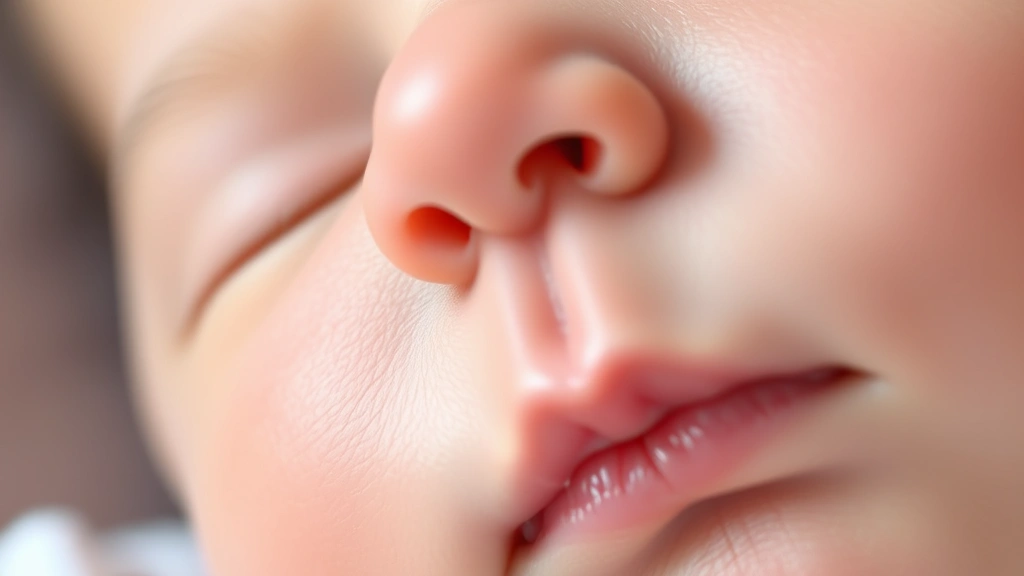
Chapped lips are another common application. Babies can’t tell you their lips are uncomfortable, but you’ll notice them pulling at their mouth or seeming fussy. A tiny dab of Aquaphor on baby lips provides relief and protection. It’s also useful around the nose during colds, where constant wiping can cause raw, irritated skin.
Many parents also use it as a general preventative measure—applying a light layer to areas prone to irritation, like neck folds, behind ears, or anywhere skin tends to get damp and irritated. This proactive approach often prevents problems before they start.

Safety Considerations
The safety profile of Aquaphor is excellent, which is why pediatricians recommend it so frequently. Petrolatum, the primary ingredient, has been used safely in baby products for over a century. It’s non-toxic if ingested in small amounts (which happens when babies put their hands in their mouths), though you shouldn’t intentionally give it to your baby to eat.
There are a few scenarios where caution is warranted. If your baby has a known allergy to any ingredient, obviously avoid it. Allergic reactions are rare, but they can happen. Signs would include increased redness, swelling, or a rash that worsens rather than improves with application.
Some parents worry about Aquaphor clogging pores or trapping bacteria. The reality is more nuanced. While petrolatum is occlusive, it doesn’t prevent oxygen from reaching the skin. The concern about bacterial trapping is largely overstated for healthy skin. However, if your baby has an active yeast infection or bacterial infection in the diaper area, you should consult your pediatrician before using any occlusive product, as it might trap moisture and worsen the infection.
Temperature sensitivity is worth noting. Aquaphor softens significantly when warm. In summer or if your home is very warm, it can become quite greasy. This isn’t dangerous, just potentially messier. Conversely, in cold temperatures, it can harden. Neither situation makes it unsafe; it’s just a texture consideration.
One more thing: Aquaphor isn’t medicated. If your baby has a diagnosed skin condition requiring treatment, Aquaphor might be part of the solution but shouldn’t replace prescribed medications. Always follow your pediatrician’s guidance for medical skin conditions.
How to Apply It Correctly
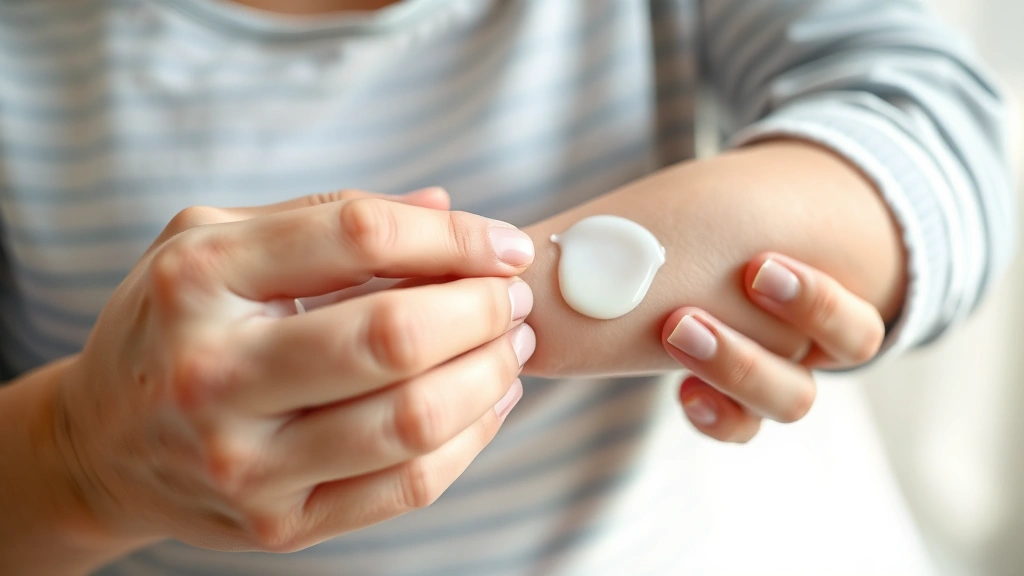
Proper application maximizes Aquaphor’s effectiveness and prevents waste. Start with clean, dry skin—this is crucial. Applying it to damp skin traps moisture underneath, which can actually make things worse. Pat skin dry completely, then apply a thin layer. You don’t need much; a little goes a long way because of its occlusive nature.
For diaper rash prevention, apply a thin layer to the entire diaper area before putting on a fresh diaper. Focus on creases and areas that seem prone to irritation. For treating existing rash, apply after each diaper change, making sure the area is clean and dry first.
For general dry patches, apply after bathing while skin is still slightly damp (not soaking wet). The slight moisture helps the product spread more easily. If you’re using it on the face, use an even lighter hand—just a tiny bit on problem areas. Avoid getting it near the eyes.
Frequency depends on the issue. For prevention, once or twice daily is usually sufficient. For treating active irritation, you might apply it more frequently—after each diaper change, for instance. As the skin improves, you can reduce frequency.
Storage is straightforward. Keep it in a cool place, out of direct sunlight. You don’t need to refrigerate it, though some parents do in summer to keep it from getting too soft. Make sure the lid is sealed properly to prevent contamination and drying out.
When to Avoid Aquaphor
While Aquaphor is generally safe, there are specific situations where it’s not the best choice. If your baby has a documented yeast infection (candidiasis) in the diaper area, consult your pediatrician before using Aquaphor. The occlusive nature might trap moisture and create an environment where yeast thrives. Your doctor might recommend an antifungal cream instead or suggest using Aquaphor only in combination with specific treatment.
Similarly, if there’s a bacterial infection present, you’ll want medical guidance. Your pediatrician might recommend an antibiotic ointment or a different approach entirely. Using a barrier product without treating the underlying infection could prolong the problem.
If your baby has severe eczema or atopic dermatitis, Aquaphor can be part of the care routine, but it shouldn’t be the only intervention. Talk to your dermatologist about whether it should be combined with prescription creams or other treatments. Sometimes occlusive products alone aren’t enough for serious skin conditions.
Babies with certain allergies or sensitivities might react to ingredients. If your baby has reacted negatively to petrolatum-based products in the past, avoid Aquaphor. There are alternatives available, though you’d want to discuss options with your pediatrician.
Finally, if your baby has open wounds or severe skin damage, Aquaphor might not be appropriate. While it protects minor irritation, serious wounds need proper medical assessment and possibly specialized wound care.
Comparable Products
If Aquaphor isn’t available or doesn’t work for your baby, several alternatives offer similar benefits. Plain petroleum jelly (like Vaseline) is essentially the same as Aquaphor’s primary ingredient, though without the added soothing components. It’s cheaper and widely available, but some parents find Aquaphor’s formulation superior because of the panthenol and bisabolol.
For those preferring natural options, there’s coconut oil, though it’s worth noting that some babies react to it. Shea butter is another alternative, though it’s less occlusive than Aquaphor. Lanolin-based products exist, but they’re not ideal for all babies due to potential allergenicity.
If you’re looking at treating specific conditions, you might explore baby orajel for teething pain or baby vicks for congestion relief, though these address different issues than general skin protection. For comprehensive baby skin care routines, many parents layer products—perhaps using a gentle baby shampoo for cleansing, then Aquaphor for protection.
CeraVe Baby Moisturizing Cream is another popular option. It contains ceramides and hyaluronic acid, which work differently than Aquaphor but can be effective for some babies. Eucerin Baby products offer similar protection with slightly different ingredient profiles.
The reality is that different babies respond differently to different products. What works wonderfully for one baby might cause irritation in another. If Aquaphor isn’t working after consistent use over a week or two, it’s worth trying an alternative or consulting your pediatrician about underlying skin conditions that might need different treatment.
Frequently Asked Questions
Is Aquaphor safe for newborns?
Yes, Aquaphor is generally safe for newborns. However, newborn skin is especially delicate, so use sparingly and only on areas that need protection. Many parents wait until the umbilical cord falls off before using products around that area. If your newborn has any skin concerns, check with your pediatrician first, especially if the baby is premature or has other health considerations.
Can you use Aquaphor on the face?
You can use Aquaphor on the face, but use a very light hand. Apply only to areas that need protection, like around the mouth or on dry patches. Avoid getting it in the eyes. Some parents prefer lighter moisturizers for facial use, but Aquaphor is safe if applied carefully. If your baby has facial eczema or dermatitis, your pediatrician might have specific recommendations.
How long does Aquaphor take to work?
You might see improvement in minor irritation within a few hours, but more significant changes usually take a few days of consistent application. For serious rashes or dry patches, expect a week or two of regular use before seeing substantial improvement. If there’s no improvement after two weeks of consistent use, consult your pediatrician.
Can you use Aquaphor under diapers?
Yes, this is one of the most common uses. Apply a thin layer before putting on a fresh diaper. It creates a moisture barrier that protects against diaper rash. Make sure the skin is clean and dry first, and don’t use so much that it creates a slippery surface that makes the diaper harder to secure.
Is Aquaphor better than diaper cream?
They serve slightly different purposes. Traditional diaper creams often contain zinc oxide, which is excellent for treating active rash. Aquaphor is better for prevention and for milder irritation. Many pediatricians recommend using zinc oxide cream for active rash, then switching to Aquaphor for prevention once the rash improves. They’re complementary rather than competitive products.
Can you use too much Aquaphor?
While it’s not toxic, using excessive amounts is wasteful and can make skin feel greasy or uncomfortable. Stick with thin layers. If you’re using it multiple times daily and skin isn’t improving, that’s a sign to consult your pediatrician rather than increase the amount you’re using.
Does Aquaphor expire?
Aquaphor has a shelf life of about three years. Check the expiration date on the jar. Once opened, it’s generally good for about two to three years if stored properly. If it changes color, develops an odor, or looks separated or unusual, it’s time to replace it.
Is Aquaphor hypoallergenic?
Aquaphor is labeled as hypoallergenic, meaning it’s formulated to minimize allergic reactions. However, no product is truly 100% hypoallergenic—individual sensitivities vary. If your baby has known allergies to any ingredient, check the label carefully. Allergic reactions to Aquaphor are rare but possible.
Can you mix Aquaphor with other products?
Generally, it’s safe to layer Aquaphor over other products, though you don’t typically mix them together. For example, you might apply a medicated cream first, then seal it with Aquaphor. However, consult your pediatrician before combining products, especially if any are prescription treatments.