What Is Baby Botox? Expert Insights on This Growing Parental Trend
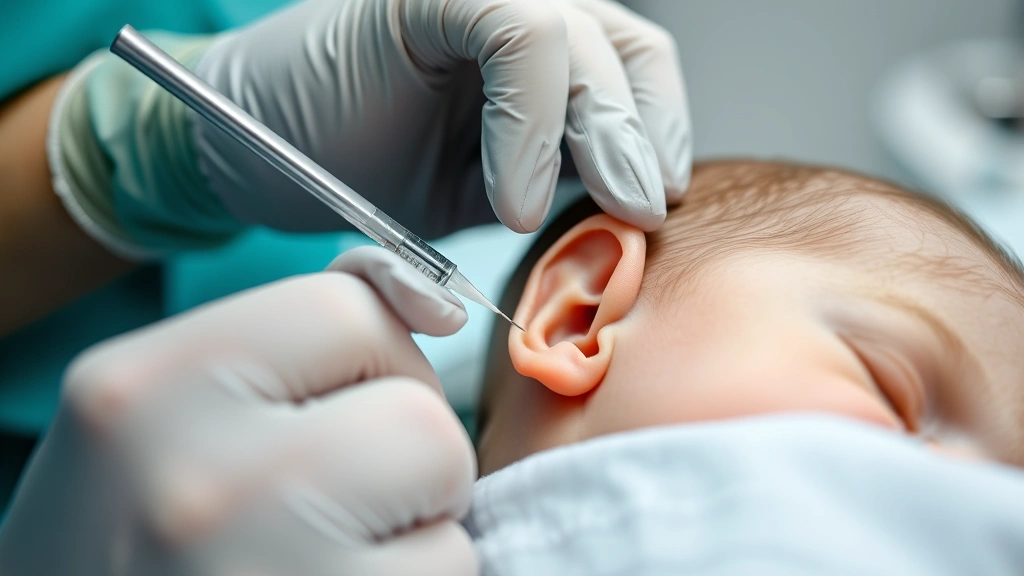
If you’ve scrolled through parenting forums or caught whispers at the playground lately, you’ve probably heard the term “baby botox” floating around. But before you assume it’s about injecting infants with neurotoxins (spoiler alert: it’s not), let’s clear up what this actually means and why some parents are talking about it.
Baby botox is a term that’s gained traction in recent years, primarily referring to preventative skincare approaches for young people—sometimes as early as their twenties or thirties—designed to forestall the appearance of fine lines and wrinkles before they become pronounced. It’s part of a broader conversation about aging, beauty standards, and what it means to invest in skin health from an early age. The term itself is somewhat tongue-in-cheek, mixing the idea of youthful intervention with the famous cosmetic procedure.
As parents navigating our own skin concerns while raising children, understanding this trend can help us make informed decisions about our own skincare routines and potentially model healthy attitudes toward aging for our kids.
What Exactly Is Baby Botox?
Baby botox isn’t a procedure designed for babies—the name is admittedly misleading. Instead, it refers to a philosophy and set of practices centered on preventative skincare starting in your twenties or thirties, often before visible signs of aging appear. The idea is to address skin concerns early, maintaining elasticity, hydration, and radiance rather than waiting until deeper wrinkles form.
The term gained popularity through social media and beauty influencers who promoted the concept of “starting early” with skincare investments. Some interpretations include microdoses of botulinum toxin (actual Botox) used preventatively at lower doses than traditional cosmetic procedures. Others simply refer to an aggressive skincare regimen involving retinoids, serums, sunscreen, and professional treatments like chemical peels or laser therapy.
Think of it this way: if you’re already thinking about baby skin care routines for your little ones, the “baby botox” concept takes that protective mindset and applies it to adult skin maintenance. It’s prevention-focused rather than crisis-management focused.
Why Are Parents Interested in This?
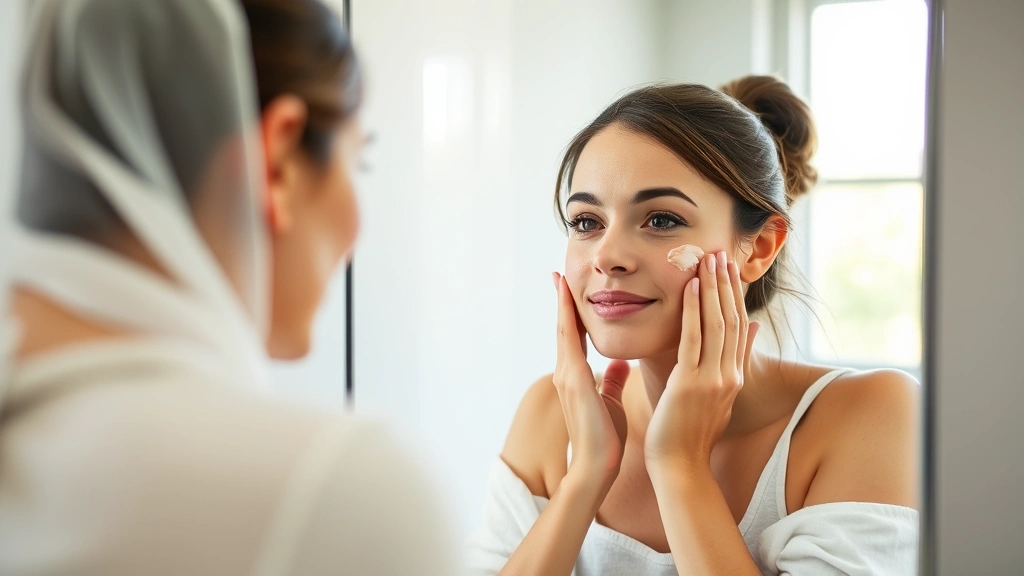
Parents are a unique demographic when it comes to skincare concerns. We’re juggling sleepless nights, stress, sun exposure during outdoor activities with kids, and the general wear-and-tear of managing a household. Many parents find themselves looking in the mirror and thinking, “When did those lines appear?”
The appeal of baby botox to parents specifically includes:
- Time efficiency: Preventative care might require less intensive intervention later, fitting into already-packed schedules
- Cost considerations: Some argue that consistent preventative measures are more economical than corrective procedures down the line
- Confidence and wellness: Feeling good about your appearance can boost mental health and model self-care to children
- Empowerment: Taking proactive steps rather than accepting inevitable aging feels empowering to many
- Professional pressures: Some parents, particularly those in appearance-sensitive industries, feel pressure to maintain a youthful appearance
What’s interesting is that this trend reflects broader conversations about aging, beauty standards, and what we’re willing to invest in for ourselves as parents. It’s worth examining whether these choices come from genuine self-care or from internalized pressure.
The Preventative Skincare Approach
If you’re considering preventative skincare strategies—whether you call it baby botox or simply “smart skincare”—here’s what the evidence actually supports:
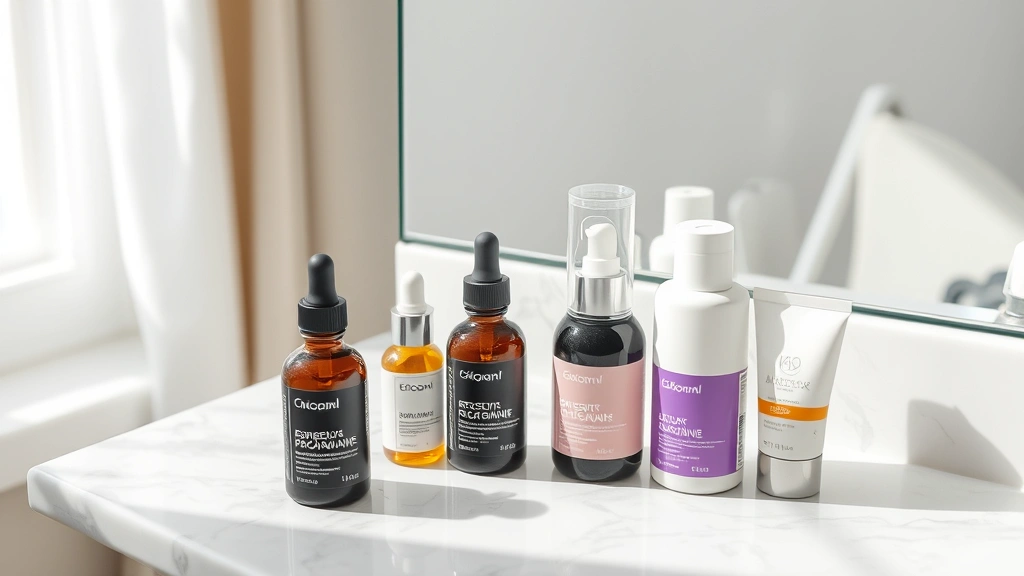
Retinoids and Retinols: These vitamin A derivatives are among the most well-researched anti-aging ingredients. They increase cell turnover, stimulate collagen production, and can reduce fine lines. Starting these in your twenties or thirties can help maintain skin texture and tone. Look for products with retinol, retinaldehyde, or prescription retinoids like tretinoin.
Sunscreen—Every Single Day: This cannot be overstated. UV damage is responsible for approximately 80% of visible aging signs. Daily SPF 30 or higher, reapplied every two hours when outdoors, is non-negotiable for any preventative skincare routine.
Hydration and Moisturization: Just like you’d use baby face cream to protect your infant’s delicate skin, adults benefit from consistent moisturization. Ingredients like hyaluronic acid, ceramides, and glycerin help maintain the skin barrier and keep skin plump.
Antioxidants: Serums containing vitamin C, vitamin E, or niacinamide combat free radical damage and can brighten skin. These work synergistically with sunscreen for enhanced protection.
Professional Treatments: Chemical peels, microneedling, and laser treatments can be incorporated into a preventative routine, though they’re optional and come with their own considerations.

The key difference between a preventative approach and reactive treatment is consistency and patience. You’re not trying to achieve dramatic transformations but rather maintain what you have and slow the natural aging process.
What Dermatologists Actually Say
The medical community has nuanced views on preventative skincare and baby botox specifically. According to the American Academy of Dermatology, starting a solid skincare routine early is absolutely worthwhile—but it doesn’t need to be complicated or expensive.
Dr. Heidi Waldorf, a board-certified dermatologist, emphasizes that “the best anti-aging treatment is prevention.” This aligns with baby botox philosophy. However, dermatologists also caution against:
- Unnecessary procedures: Not everyone needs professional treatments in their twenties
- Over-treating: More products and procedures don’t always equal better results
- Ignoring fundamentals: Sunscreen, sleep, stress management, and hydration matter more than any expensive serum
- Unrealistic expectations: Skincare can enhance and maintain, but it won’t stop aging entirely
According to American Academy of Pediatrics guidelines on sun protection, the sunscreen habits we establish in childhood should continue throughout life. This is perhaps the most evidence-backed “anti-aging” strategy available.
The consensus among experts seems to be: yes, start early with good habits, but no, you don’t need to be extreme about it.
Practical Strategies for Healthy Aging Skin
If you’re a parent interested in maintaining your skin health without falling into the baby botox rabbit hole, here are practical, evidence-based strategies:
Build a Simple Foundation:
- Gentle cleanser morning and night
- Retinoid product 3-5 times weekly (start low, go slow)
- Moisturizer appropriate for your skin type
- Broad-spectrum SPF 30+ daily, reapplied
- Optional: vitamin C serum in the morning
This basic routine covers most of what you need. Anything beyond this is enhancement, not necessity.
Lifestyle Factors Matter More Than You’d Think:
- Sleep: Aim for 7-9 hours. Your skin repairs itself during sleep, and chronic sleep deprivation accelerates aging
- Stress management: Chronic stress elevates cortisol, which breaks down collagen. Meditation, exercise, or whatever stress-relief works for you matters
- Nutrition: Antioxidant-rich foods, omega-3 fatty acids, and adequate protein support skin health from within
- Exercise: Improves circulation, which delivers oxygen and nutrients to skin
- Hydration: Drinking water supports skin hydration and overall health
- Avoiding smoking: Smoking accelerates aging dramatically through multiple mechanisms
These factors often get overlooked in favor of topical products, but they’re genuinely foundational.
When Professional Help Makes Sense:
If you’re considering professional treatments like chemical peels or laser therapy, good candidates typically have specific concerns (texture, pigmentation, mild scarring) and realistic expectations. These aren’t necessary for everyone and should be discussed with a qualified dermatologist.
Teaching Our Kids About Skin Health
One silver lining of the baby botox conversation is that it encourages us to think about skin health holistically. As parents, we have an opportunity to model healthy attitudes toward aging and appearance.
When your children see you practicing consistent baby aquaphor and sunscreen habits—or notice you prioritizing sleep and stress management—you’re teaching them that self-care is normal and important. You’re also demonstrating that aging is natural and that beauty isn’t static.
Consider these teaching moments:
- Sunscreen application: Make it routine, not optional. Explain that protecting skin now prevents damage later
- Skincare conversations: Talk about skin health in terms of function and wellness, not just appearance
- Modeling acceptance: When you accept your own aging gracefully, you teach children that wrinkles aren’t catastrophes
- Emphasizing fundamentals: Show that consistent basic habits matter more than expensive products
- Critical media literacy: Help kids understand that beauty standards are constructed and that social media often presents unrealistic expectations
The best gift we can give our children regarding appearance and aging isn’t perfect skin—it’s a healthy relationship with their bodies and realistic expectations about how they’ll change over time.
Frequently Asked Questions
Is baby botox safe?
If you’re referring to actual botulinum toxin injections, when administered by a qualified medical professional, it’s generally considered safe. However, “preventative” injections at lower doses haven’t been as extensively studied as therapeutic doses. If you’re referring to preventative skincare routines, they’re safe when you’re using appropriate products for your skin type and following instructions.
At what age should I start preventative skincare?
Most dermatologists recommend establishing basic skincare habits (cleansing, moisturizing, sunscreen) in your teens. Retinoids can be introduced in your twenties if desired, though they’re not necessary. The most important step at any age is daily sunscreen use.
Is baby botox just marketing hype?
Partially. The term is definitely catchy marketing language. However, the underlying concept—that consistent preventative skincare and healthy habits support skin health as you age—is legitimate. The hype comes in suggesting you need extreme measures or expensive procedures.
Can I achieve the same results with drugstore products?
Yes, absolutely. The most important ingredients (retinoids, vitamin C, sunscreen, moisturizers) are available at various price points. Expensive doesn’t always mean more effective. A $15 retinol can work as well as a $150 one if the concentration and formulation are appropriate.
What if I’ve already neglected my skin?
It’s never too late to start. Your skin has remarkable ability to improve with consistent care. Start with the basics, be patient (skincare results take 6-12 weeks typically), and consider professional consultation if you want more targeted help.
Should parents prioritize their skincare routine?
Self-care, including skincare, is important for mental health and confidence. However, it shouldn’t come at the expense of other priorities or financial stability. A simple, consistent routine is more valuable than an expensive, complicated one you’ll abandon.
How does baby botox relate to broader beauty standards?
This is worth examining honestly. Some preventative skincare comes from genuine self-care and health consciousness. Some comes from internalized pressure to maintain youth. Being aware of your motivations helps ensure your choices align with your values.