What Is Baby Chiikawa? A Cute Phenomenon Explained
If you’ve scrolled through social media lately or noticed plushies mysteriously appearing in your child’s wishlist, you’ve probably encountered Baby Chiikawa. This adorable character has become a genuine cultural moment, particularly among younger audiences and their parents who are trying to decode what exactly their kids are obsessed with. Unlike fleeting internet trends that disappear within weeks, Baby Chiikawa represents something more substantial—a thoughtfully designed character that resonates with families across different age groups and cultures.
The phenomenon surrounding Baby Chiikawa isn’t just about cute aesthetics (though there’s plenty of that). It’s a intersection of character design, storytelling, and the modern way children discover and engage with media. Whether you’re a parent trying to understand your child’s latest interest or simply curious about contemporary pop culture, this guide will walk you through everything you need to know about this pint-sized sensation.
Origins and Background of Chiikawa
Baby Chiikawa emerged from the creative mind of Nagano, a Japanese illustrator and character designer who has built a reputation for crafting memorable, emotionally resonant characters. The name itself carries meaning—”chiikawa” roughly translates to “small” or “tiny” in Japanese, perfectly capturing the character’s diminutive stature and endearing proportions. What started as original character designs on social media platforms has blossomed into a full-fledged multimedia franchise.
The character’s journey to prominence accelerated when it was featured in anime adaptations and merchandise collaborations with major retailers. Unlike many characters that rely on complex backstories or elaborate universes, Baby Chiikawa’s appeal stems from its simplicity and expressiveness. The design allows for instant emotional connection—something that resonates particularly well with younger viewers who respond to straightforward, honest character design.
When examining cute anime babies and characters, Baby Chiikawa consistently ranks as a standout example of contemporary character design done right. The character exists in a space where childlike innocence meets sophisticated artistic execution, making it appealing across age demographics.
The Character Design Philosophy
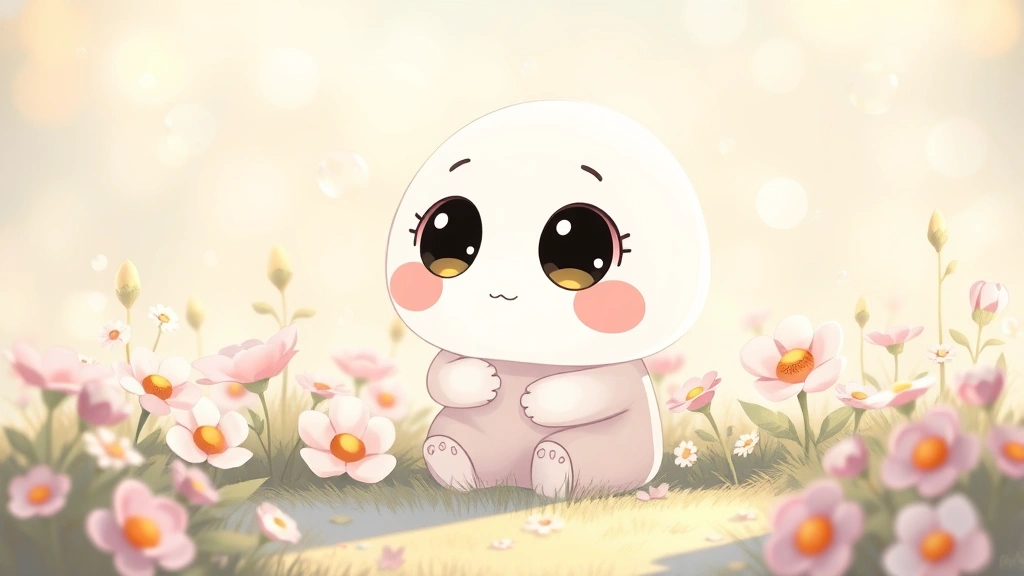
What makes Baby Chiikawa visually distinctive goes beyond simply being “cute.” The character embodies specific design principles that child development experts and design professionals recognize as psychologically appealing. The oversized eyes, round proportions, and gentle features trigger what psychologists call the “baby schema”—an innate response humans have to protect and care for things that appear vulnerable and youthful.
The color palette used in Baby Chiikawa’s design is deliberately restrained. Soft pastels and neutral tones create a calming effect, which explains why parents often find the character less jarring than other, more visually aggressive children’s media. This thoughtful approach to design suggests that creators understand child psychology and parental preferences, even if they don’t explicitly state this philosophy.
The character’s expressions are remarkably nuanced for something so minimalist. With just slight adjustments to eye position and mouth shape, Baby Chiikawa communicates a full range of emotions—joy, confusion, concern, contentment. This emotional expressiveness is crucial because it allows children to project their own feelings onto the character, creating a deeper connection than passive observation alone.
Interestingly, Baby Chiikawa’s design also works well for baby drawing and artistic recreation. The simplified forms make it accessible for children to attempt their own illustrations, encouraging creative expression rather than passive consumption. This participatory element strengthens engagement and provides developmental benefits through artistic practice.
Why Parents Should Care About Baby Chiikawa
Beyond understanding what your child is interested in, Baby Chiikawa offers some legitimate advantages from a parenting perspective. First, the character and its associated media content are generally age-appropriate and positive. Unlike some children’s media that relies on crude humor or overstimulation, Baby Chiikawa maintains a gentle, contemplative tone even when entertaining.
The franchise also demonstrates healthy merchandising practices. While there’s certainly a commercial element—as with any successful character—the products tend to be well-made and thoughtfully designed. When your child asks for baby merchandise featuring this character, you’re typically getting quality items rather than cheap knockoffs designed to break within days.
From a developmental standpoint, children’s interest in characters like Baby Chiikawa can serve as conversation starters about emotions, kindness, and social connection. The character’s gentle nature models compassionate behavior without being preachy. Parents can use this interest as a bridge to discuss feelings and relationships in age-appropriate ways.
Additionally, Baby Chiikawa exists in a media landscape that’s generally screen-conscious. While anime and digital content certainly feature prominently, the character’s popularity has driven physical merchandise and experiences—plushies, collaborations with cafés, limited-edition releases—that encourage offline, tangible engagement. This balance between digital and physical interaction offers a healthier media diet than purely screen-based consumption.
The Merchandise Explosion
If you’ve noticed Baby Chiikawa merchandise seemingly everywhere, you’re not imagining it. The character has become a retail phenomenon, with collaborations spanning fashion, home goods, stationery, and food products. Japanese retailers were among the first to capitalize on the trend, but the phenomenon has since expanded globally.
What’s interesting about the merchandise landscape is how it reflects genuine consumer demand rather than artificial scarcity marketing. While limited editions certainly exist and drive collector enthusiasm, Baby Chiikawa merchandise remains relatively accessible compared to other character lines. This democratization of access means more families can participate in the phenomenon without requiring significant financial investment.
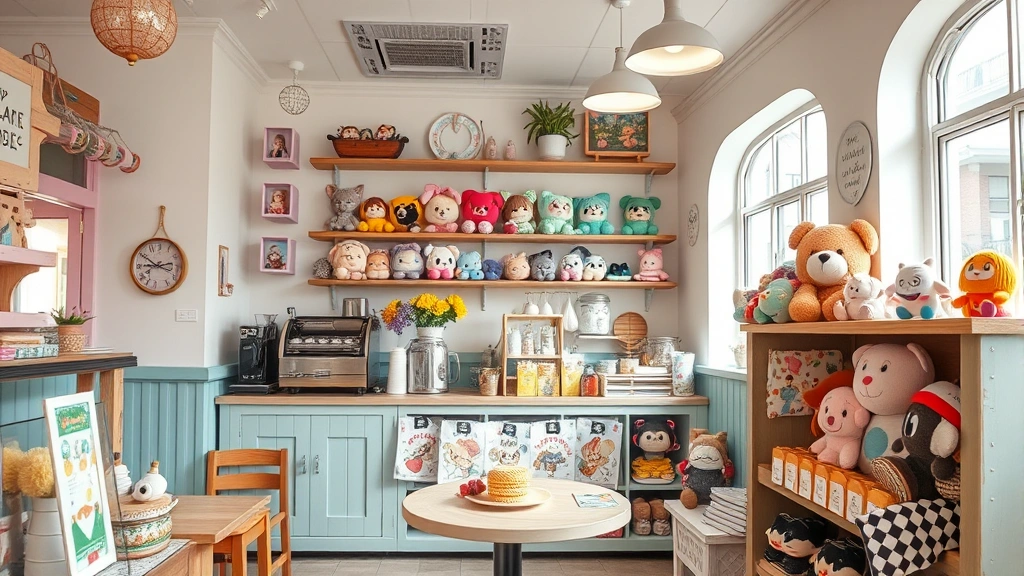
The food collaborations deserve special mention because they’ve created unique experiences beyond traditional toy purchases. Cafés featuring Baby Chiikawa-themed menu items, collaboration ice creams, and specialty snacks have transformed the character into an experiential phenomenon. Parents report that children are more excited about visiting these venues than they might be about typical fast-food or chain restaurant experiences.
For parents navigating the merchandise question, consider this approach: Baby Chiikawa items tend to be well-designed and durable, making them solid choices for gifts or rewards. The character’s aesthetic actually complements home décor reasonably well, so a plushie sitting on a shelf doesn’t look as out-of-place as some other character merchandise might. If your child is interested in baby books featuring characters, Baby Chiikawa titles offer genuinely engaging stories rather than thin marketing vehicles.
Cultural Impact and Global Reach
Baby Chiikawa’s journey from Japanese social media sensation to global phenomenon illustrates how contemporary character design transcends cultural and linguistic barriers. The character’s appeal doesn’t depend on understanding Japanese language or cultural context—the visual language is universal enough that children worldwide respond immediately.
The global expansion happened relatively organically. International retailers began stocking merchandise in response to online demand, social media algorithms amplified visibility across regions, and parents in different countries independently discovered the character through their children’s interests. This grassroots internationalization feels authentic rather than manufactured, which has contributed to the phenomenon’s longevity.
Interestingly, different markets have embraced Baby Chiikawa in distinct ways. In Asia, the character remains deeply embedded in anime and manga culture. In Western markets, Baby Chiikawa often appears through merchandise and café collaborations first, with the character design itself serving as the primary draw. This adaptability suggests that Baby Chiikawa’s appeal is genuinely multifaceted.
The character also benefits from existing fan communities and fandom infrastructure. Online communities dedicated to Baby Chiikawa share fan art, discuss character development, and coordinate merchandise hunts. For older children and teenagers, this community aspect provides social connection and creative outlets. For younger children, it simply means more content and engagement opportunities within a positive community context.
Parenting Perspectives on Character Obsessions
When children become deeply interested in a character like Baby Chiikawa, parents sometimes wonder if this level of enthusiasm is healthy or concerning. Research from the American Academy of Pediatrics suggests that character interest and fandom engagement can actually support healthy development when properly balanced with other activities.
Character obsessions serve several developmental purposes. They provide a sense of continuity and comfort, particularly during transitions or stressful periods. A beloved character becomes a constant, something reliable in a child’s changing world. This is especially valuable for younger children who are still developing emotional regulation skills.
Character interest also facilitates social connection. Children bond with peers over shared interests, discuss favorite moments, and create together. When your child talks extensively about Baby Chiikawa with friends, they’re engaging in important social-emotional development. The shared interest becomes a language for friendship and belonging.
From a parental perspective, consider these healthy boundaries: ensure that character interest doesn’t completely displace other activities, maintain screen time within recommended limits if consuming anime or digital content, and use the interest as an opportunity for creative engagement (drawing, storytelling, imaginative play). When managed this way, Baby Chiikawa enthusiasm becomes a positive contributor to childhood rather than a concern.
It’s also worth noting that character interest naturally evolves. Children who are obsessed with Baby Chiikawa today will likely move toward different interests next year or in a few years. This isn’t failure or loss—it’s normal developmental progression. Enjoying this phase while it lasts, and gently supporting transitions when interests shift, represents healthy parental guidance.
For families interested in similar cute babies and characters that offer comparable wholesome engagement, understanding what makes Baby Chiikawa work helps identify other quality options. The principles—thoughtful design, positive messaging, community engagement—apply across different characters and franchises.
Frequently Asked Questions
Is Baby Chiikawa appropriate for very young children?
Yes, Baby Chiikawa is generally appropriate for children ages three and up. The character design is soft and non-threatening, and associated content avoids violence or scary elements. However, parental discretion applies based on individual child temperament. Some younger toddlers might not have the developmental capacity for character attachment, while others engage enthusiastically. If your child watches anime content, ensure it’s age-appropriate versions designed for their age group. The Common Sense Media resource provides detailed age-appropriateness ratings for specific Baby Chiikawa media properties.
Where can I find legitimate Baby Chiikawa merchandise?
Legitimate merchandise is available through major retailers like Target, Urban Outfitters, and specialty anime shops. Japanese retailers like Takashimaya and Don Quijote offer extensive selections if you’re comfortable with international shipping. Official collaborations with established brands (like café partnerships) are also reliable sources. Be cautious of unverified third-party sellers on general marketplaces, as counterfeit character merchandise is unfortunately common. Official product packaging typically includes copyright information and manufacturing details that legitimate items display prominently.
How much screen time is reasonable for Baby Chiikawa anime content?
The American Academy of Pediatrics recommends limiting screen time to one to two hours of quality programming daily for children over two years old. Baby Chiikawa anime episodes are typically 10-15 minutes, making them reasonable for occasional viewing. Consider pairing screen time with offline engagement—watching an episode, then drawing Baby Chiikawa, or discussing the story. This approach balances entertainment with active participation and creative expression.
Is Baby Chiikawa a passing trend or here to stay?
While predicting cultural phenomena is inherently uncertain, Baby Chiikawa shows signs of sustained popularity rather than fleeting trend status. The character has already maintained relevance for several years, the franchise continues expanding internationally, and community engagement remains strong. That said, children’s interests naturally evolve, and the character’s peak popularity will likely eventually moderate. This doesn’t diminish current enjoyment—simply acknowledge that enthusiasms change, and that’s developmentally healthy.
Can character interest like Baby Chiikawa indicate developmental concerns?
Character interest itself is not a developmental concern; it’s a normal, healthy part of childhood. However, if character interest completely displaces other activities, social interaction, or self-care, that warrants gentle parental attention. Additionally, if a child seems distressed when unable to engage with character-related content, or if interest appears obsessive rather than enthusiastic, consulting with a pediatrician or child psychologist provides professional perspective. Generally, though, Baby Chiikawa enthusiasm indicates a child engaged with something positive and age-appropriate.
Should I buy Baby Chiikawa merchandise my child requests?
This depends on your family values, budget, and parenting approach. Baby Chiikawa merchandise is generally well-made and reasonably priced compared to other character lines, making it a relatively sound purchase decision. Consider these factors: Is this a special occasion gift or an everyday request? Are you establishing healthy boundaries around consumption? Does the item offer lasting value or quick novelty wear-off? Many parents find that occasional Baby Chiikawa purchases—birthdays, small rewards—balance supporting their child’s interests with maintaining healthy consumption habits. The key is intentional decision-making rather than impulse purchases.