Is That a Baby Copperhead Snake? Identification Tips Every Parent Should Know
Finding a snake in your yard is enough to make any parent’s heart skip a beat. But before you panic and call in the exterminators, you need to know exactly what you’re dealing with. If you live in the eastern United States, there’s a solid chance you’re wondering whether that small, patterned serpent is actually a baby copperhead snake—one of North America’s venomous pit vipers. The tricky part? Young copperheads look remarkably similar to several harmless species, and misidentification happens more often than you’d think.
The good news is that with a little knowledge and careful observation, you can confidently determine what’s slithering around your property. This guide walks you through the key identification markers, safety protocols, and what to do if you genuinely encounter a venomous snake. Because let’s be honest, understanding wildlife on your own turf isn’t just about peace of mind—it’s about keeping your family safe while respecting the natural world around you.
Whether you have curious toddlers, adventurous kids who love exploring the backyard, or you’re simply concerned about yard safety, knowing how to identify a baby copperhead snake is genuinely useful information. Let’s break down the specifics so you can handle this situation like a pro.
Key Identifying Features of Baby Copperhead Snakes
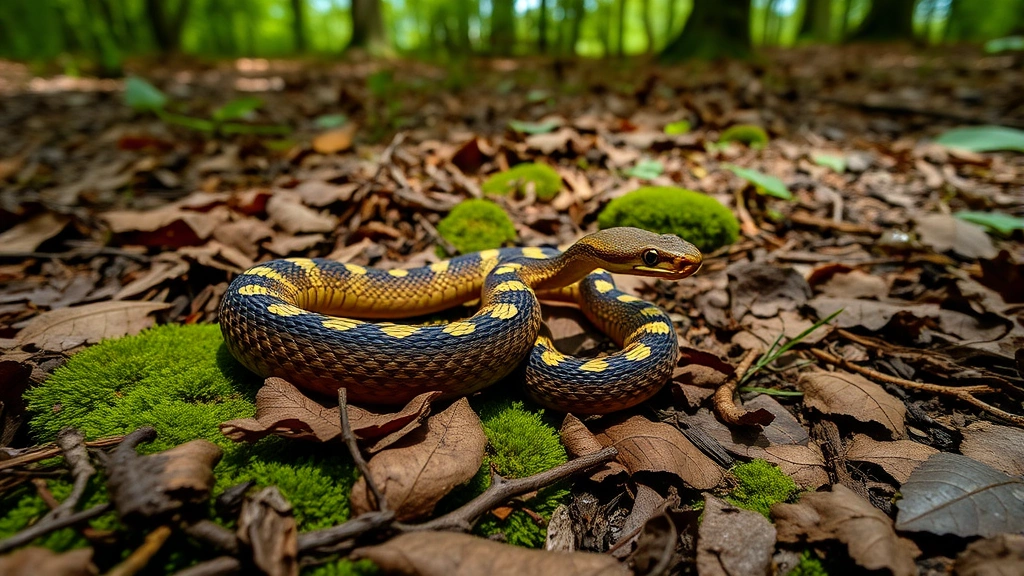
Baby copperhead snakes are deceptively cute—which makes them particularly tricky to spot and potentially dangerous if your kids encounter one. Unlike their adult counterparts, juvenile copperheads are typically lighter in color, ranging from pinkish-tan to pale brown. This lighter coloration actually makes them harder to see in certain environments, which increases the risk of accidental encounters.
The most distinctive feature of a baby copperhead is the bright yellow or lime-green tail tip. Yes, you read that right. Juvenile copperheads have this neon-colored tail that they actually use as a lure to attract small prey like insects and frogs. This behavior, called “caudal luring,” is something adult copperheads don’t do as prominently. The tail tip gradually darkens as the snake matures, eventually becoming the same copper-brown color as the rest of the body.
Look for the characteristic hourglass-shaped markings running down the snake’s back. These markings are narrower in the middle and wider on the sides—hence the hourglass comparison. On baby copperheads, these markings tend to be more reddish or brownish, and they’re quite distinct. The head is roughly triangular in shape, which is typical of venomous pit vipers. Another key feature is the presence of heat-sensing pits along the jaw, though these are difficult to see without getting dangerously close.
Baby copperheads typically measure between 7 to 10 inches when born, making them small enough to fit in your hand. They’re born live (not from eggs), which means you might encounter a newborn or juvenile without a mother necessarily being nearby. The body is relatively stocky compared to some other snake species, giving them a somewhat hefty appearance for their size.
Common Look-Alikes and How to Tell Them Apart
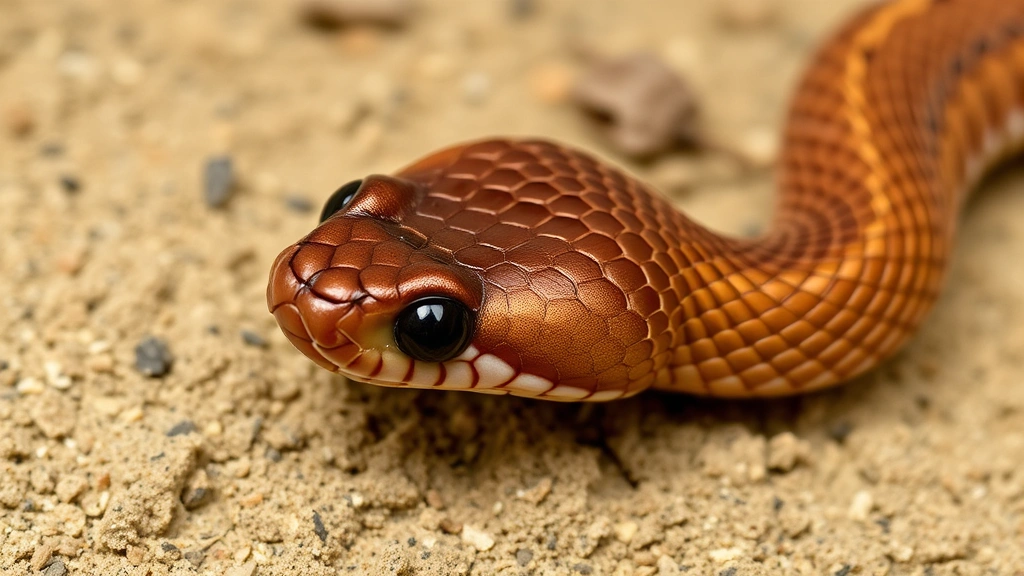
Here’s where things get genuinely confusing. Several harmless baby snake species look remarkably similar to juvenile copperheads, which is why misidentification is so common. Understanding these distinctions is crucial for accurate identification.
The Eastern Milk Snake is probably the most commonly confused species with baby copperheads. Milk snakes have similar hourglass markings and can display reddish coloration. However, milk snakes have white or light-colored bands alternating with the darker hourglass patterns, whereas copperheads have more uniform coloring between their markings. Additionally, milk snakes lack the bright tail tip that juvenile copperheads display. Milk snakes are also generally more slender than baby copperheads.
The Northern Water Snake is another frequent source of confusion. These snakes have banded patterns that might superficially resemble copperhead markings, but water snakes have more evenly distributed bands around their entire body. They lack the distinctive hourglass shape and the yellow-green tail tip. Water snakes are also typically found near water sources, whereas copperheads are more adaptable to various environments.
The Corn Snake presents yet another identification challenge. Young corn snakes have reddish markings and can look deceptively similar to copperheads at first glance. The key difference? Corn snakes have more rectangular or square-shaped blotches rather than hourglass shapes. Their head is also more distinctly narrower than a copperhead’s triangular head. Corn snakes are popular as pets, so if you’re finding one in your yard, it might actually be someone’s escaped reptile.
The Black Rat Snake is sometimes mistaken for a copperhead, though this confusion is less common. Young rat snakes have blotchy patterns that fade as they age, but these blotches are more scattered and less organized than copperhead markings. Rat snakes are also generally longer and more slender.
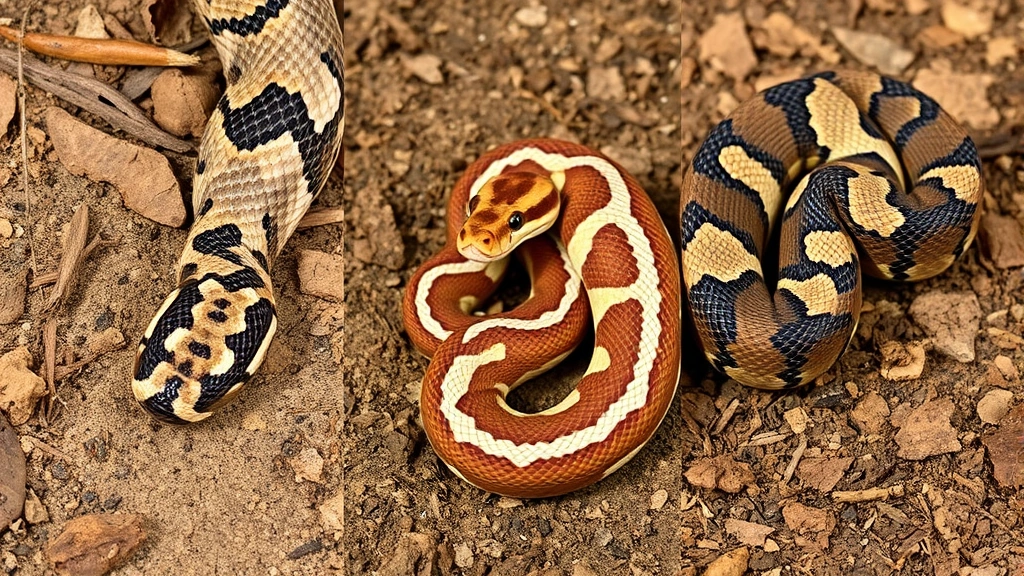
When comparing these species, always remember that the baby copperhead’s bright yellow or green tail tip is practically a dead giveaway. No other common North American snake has this feature. Combined with the distinctive hourglass markings and triangular head shape, this trio of characteristics makes positive identification possible even for amateur snake enthusiasts.
Behavioral Signs and Habitat Clues
Beyond physical appearance, understanding where and how baby copperheads behave can significantly boost your identification confidence. These snakes are found primarily in the eastern and central United States, from Massachusetts down to Texas, and west to Nebraska and Kansas. If you live outside this range, you almost certainly aren’t dealing with a copperhead.
Baby copperheads are ambush predators, meaning they tend to stay relatively still and wait for prey to come to them. You’ll often find them near brush piles, leaf litter, wood stacks, or rocky areas where small creatures congregate. They’re particularly fond of areas with good cover and proximity to moisture. Unlike some snakes that actively hunt, copperheads are patient hunters. This behavior means they’re more likely to stay put if you encounter one rather than slithering away aggressively.
One fascinating behavioral quirk of baby copperheads is their tendency to vibrate their tails when threatened, which can sound like a rattlesnake. This defensive mimicry is actually quite clever—the snake is essentially bluffing to scare away potential threats. Of course, this behavior can cause unnecessary panic if you’re not aware that non-rattlesnakes can do this too.
Copperheads are generally solitary and most active during warmer months, from spring through early fall. They’re more active at dusk and dawn, though they can be encountered during the day, especially in spring and fall. Understanding these activity patterns helps explain why you might suddenly notice snakes in areas you’ve been in many times before—they’re simply more active during certain seasons.
Baby copperheads prefer warm, humid environments, so they’re commonly found in areas with adequate moisture like near streams, swamps, or even irrigated gardens. However, they’re surprisingly adaptable and can thrive in suburban environments, which is why homeowners sometimes encounter them in yards and garages. This adaptability is actually one reason why proper baby safety tips and yard management are so important for families with young children.
What to Do If You Find One
Discovery of what you believe to be a baby copperhead should prompt immediate but calm action. First, do not attempt to capture, kill, or provoke the snake. Copperhead bites occur almost exclusively when people try to handle or kill the snake—they’re not aggressive hunters of humans. Create distance between yourself, your children, and the snake immediately.
Move everyone at least 6 feet away from the snake’s location. Keep children and pets indoors if the snake is in your yard. Take photos from a safe distance if you can do so without approaching closer. These photos will be invaluable for proper identification and for calling local wildlife experts if needed.
Contact your local animal control, wildlife removal service, or state wildlife agency. These professionals can properly identify the snake and safely relocate it if necessary. Many areas have specific guidelines about handling venomous snakes, and professionals know the legal requirements. According to CDC guidelines on wildlife safety, professional removal is always preferable to DIY attempts.
If someone is bitten, seek immediate emergency medical attention. Call 911 and inform them that a potential copperhead bite occurred. Copperhead venom is hemotoxic, meaning it damages tissue and blood, but fatalities are rare with prompt medical treatment. Antivenom is available at most hospitals in regions where copperheads are common. Do not attempt home remedies or delay seeking medical care.
Document the location where you found the snake. This information helps local wildlife management understand population distribution and habitat preferences in your area. Some regions track copperhead sightings to better understand their range expansion or changes in local populations.
Prevention and Yard Management
The best approach to copperhead encounters is prevention. Making your yard less attractive to snakes and their prey significantly reduces the likelihood of finding one. Start by removing potential snake habitats. Clear away brush piles, leaf litter accumulations, and unnecessary wood stacks. Snakes love these cozy hideouts, so eliminating them removes one major attractant.
Seal gaps and cracks around your home’s foundation, basement windows, and door frames. Snakes can squeeze through surprisingly small openings, so even quarter-inch gaps warrant attention. This is especially important if you have a basement or crawl space where snakes might seek shelter.
Manage your lawn and landscaping to reduce rodent populations, which are primary food sources for copperheads. Keep grass trimmed short, remove fallen fruit and seeds, and secure garbage in sealed containers. Fewer rodents mean fewer reasons for snakes to visit your property. If you’re dealing with a rodent problem, address it promptly—this naturally discourages snakes from settling in.
Keep water sources to a minimum. While copperheads can survive without constant access to water, they prefer areas with some moisture. Fix leaky outdoor faucets, ensure gutters drain properly away from the foundation, and avoid overwatering landscaping. These measures also help with general pest control.
Consider installing snake-proof fencing if you live in an area with significant copperhead populations and have young children who play outdoors frequently. These specialized fences are designed to prevent snakes from entering while allowing other wildlife to pass through. They’re more expensive than standard fencing but can provide valuable peace of mind.
Educate your children about snake safety without creating unnecessary fear. Teach them never to pick up snakes, to watch where they step and place their hands when exploring, and to immediately alert an adult if they see any snake. Understanding baby wildlife and how to coexist safely with it is an important life skill. Children who understand wildlife behavior are actually more cautious and respectful, not more fearful.
Work with your neighbors on collective yard management. Snakes don’t respect property lines, so a community approach to removing attractive habitat is more effective than individual efforts. Share information about snake sightings and discuss prevention strategies together.
Frequently Asked Questions
How venomous is a baby copperhead compared to an adult?
Baby copperheads are actually more venomous per unit of venom than adults. However, they deliver less total venom because they’re smaller, so the overall danger is somewhat reduced. This doesn’t mean a baby copperhead bite is harmless—it absolutely requires immediate medical attention. The venom is still medically significant and can cause tissue damage, swelling, and systemic effects.
Can you keep a baby copperhead as a pet?
While technically possible, keeping a baby copperhead as a pet is generally not recommended for most people and may be illegal depending on your location. Many states require permits for venomous reptiles, and some prohibit private ownership entirely. If you’re interested in keeping snakes, there are many beautiful and safer non-venomous species available. Check your local regulations before considering any venomous reptile.
What’s the difference between a copperhead and other pit vipers?
Copperheads are one of several pit viper species in North America, including rattlesnakes and water moccasins (cottonmouths). The key difference is that copperheads lack the rattle that rattlesnakes have and are found in different geographic regions than water moccasins. All pit vipers have heat-sensing pits along their jaws, which they use to detect warm-blooded prey.
If I see a baby copperhead in my neighborhood, should I warn other families?
Absolutely. Sharing information about snake sightings with neighbors, your local community Facebook group, or neighborhood association helps everyone stay vigilant. However, avoid creating panic. Present the information factually and remind people that snakes are generally not aggressive and that bites occur almost exclusively during handling attempts. Encourage neighbors to use professional removal services if they encounter snakes.
How do I tell the difference between a baby copperhead and a baby rattlesnake?
The most obvious difference is that baby rattlesnakes have a rattle at the end of their tails, while baby copperheads have a bright yellow or green tail tip without a rattle. Baby rattlesnakes are also typically found in more western and southwestern regions, though some species do inhabit eastern areas. If you see a rattle, you’re dealing with a rattlesnake, not a copperhead. Both are venomous and require the same safety protocols.
Are baby copperheads more likely to bite than adults?
Baby copperheads are not inherently more aggressive than adults, but they may bite more readily if they feel threatened because they’re more vulnerable. Their smaller size makes them more fearful of larger creatures, including humans. However, like all copperheads, they prefer to avoid confrontation and will only bite if they feel cornered or directly threatened.
What should I do if my pet encounters a baby copperhead?
Keep your pet away from snakes whenever possible. If your dog or cat is bitten, seek emergency veterinary care immediately. Copperhead venom can be fatal to pets, especially small animals. Ensure your pets are up-to-date on vaccinations, keep them supervised during outdoor time, and consider fencing strategies that keep snakes out of areas where pets play. Learn more about baby animals and pet safety by consulting with your veterinarian.
Can baby copperheads climb trees or swim?
Baby copperheads are primarily terrestrial but can climb if necessary and are capable swimmers. They’re not particularly strong climbers, so the risk of finding one in a tree is relatively low. However, they can enter water and may be found near water sources. This adaptability is another reason why removing standing water and water-attracting features from your yard helps prevent encounters.