What Is Baby Dedication? A Parent’s Guide to This Meaningful Milestone
If you’re a parent navigating the wonderful chaos of raising a child, you’ve probably heard the term “baby dedication” thrown around at church gatherings, family dinners, or online parenting forums. But what exactly is it? And more importantly, is it something you should consider for your own family?
Baby dedication is a beautiful ceremony that marks a significant moment in your child’s life—a public declaration of your commitment to raising them with certain values, faith, or principles. It’s deeply personal, steeped in tradition for many families, and increasingly personalized to reflect modern parenting philosophies. Whether you’re religious, spiritual, or simply looking for a meaningful way to celebrate your little one’s arrival, understanding baby dedication can help you decide if it’s right for your family.
In this guide, we’ll explore everything you need to know about baby dedication ceremonies, from their origins and significance to practical tips for planning one that feels authentic to your family’s values.
What Is Baby Dedication?
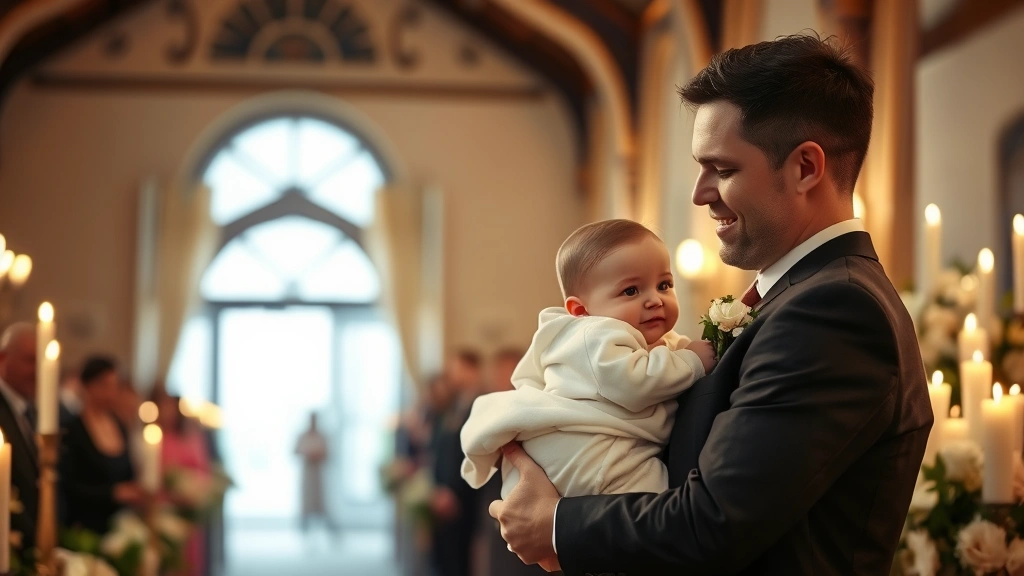
At its core, baby dedication is a ceremonial event where parents formally present their child to their community—typically their faith community, extended family, or close circle of friends. During this ceremony, parents publicly declare their intentions to raise their child according to certain values, principles, or religious beliefs.
Unlike baptism or christening (which have specific theological meanings in various Christian traditions), baby dedication is often considered less formal and more flexible. It’s a celebration of parenthood and a commitment to nurturing your child’s growth. Think of it as a public promise, witnessed by those who matter most to you, that you’re dedicated to being the best parent you can be.
The beauty of baby dedication lies in its adaptability. Some families frame it entirely around faith commitments, while others use it as an opportunity to celebrate their child’s arrival and their own journey into parenthood. There’s no one-size-fits-all approach—which is precisely why it’s becoming increasingly popular among modern families seeking personalized milestones.
Religious and Spiritual Significance
For many families, baby dedication holds profound religious meaning. In Christianity, particularly within Protestant and evangelical traditions, baby dedication represents parents’ commitment to raising their child in faith and the church community’s role in supporting that mission. According to the American Academy of Pediatrics, understanding your family’s values—whether religious or secular—is foundational to healthy child development.
The practice has biblical roots. In the New Testament, Jesus was presented at the temple, which many Christian families view as a precedent for dedicating children. However, different denominations approach this differently. Some churches emphasize baby dedication as a public declaration separate from baptism, while others combine elements of both.
In Jewish tradition, naming ceremonies serve a similar purpose, welcoming a child into the faith community and the broader Jewish family. Islamic traditions include practices like the aqiqah, where parents celebrate their child’s birth and make commitments to their religious upbringing.
Even for secular families, dedication ceremonies can hold spiritual significance without religious doctrine. Many parents create ceremonies centered on humanistic values, environmental stewardship, or cultural heritage. The spiritual element becomes less about doctrine and more about intention-setting and community witness to your parenting promises.
Planning Your Baby Dedication Ceremony
So you’ve decided that baby dedication resonates with your family. Now comes the exciting part: planning the actual event. Here’s what you need to consider:
Timing and Venue
Most families choose to dedicate their babies between three and twelve months old—old enough that travel is manageable but young enough that the child is still an infant. If you’re planning through a religious institution, they often have specific guidelines and available dates. For secular or personalized ceremonies, you have complete freedom to choose timing that works for your family.
The venue depends entirely on your vision. Religious families typically hold ceremonies at their place of worship during regular services or special events. Others might choose intimate settings like their home, a park, or a rented event space. The location should reflect your family’s values and accommodate your guests comfortably.
Guest List and Invitations
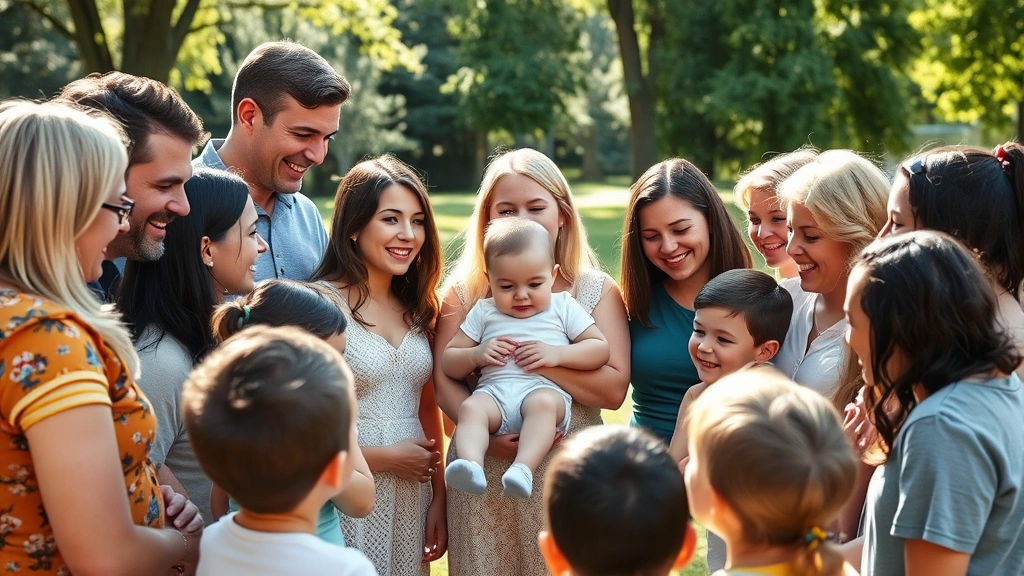
Consider who you want to witness this commitment. Typically, guest lists include immediate family, close friends, and members of your faith community if applicable. Remember that this is ultimately about what feels right for your family—whether that means an intimate gathering of twenty people or a larger celebration.
When sending invitations, be clear about the ceremony’s purpose and format. If guests are unfamiliar with baby dedication, a brief explanation helps them understand what to expect and why this moment matters to you.
Choosing Sponsors or Godparents
Many dedication ceremonies include sponsors—trusted adults who commit to supporting your child’s spiritual or personal development. This role can be ceremonial or deeply involved, depending on your family’s preferences. Some families ask sponsors to contribute to a baby book or serve as mentors throughout your child’s childhood.
Personalization Elements
This is where baby dedication becomes uniquely yours. Consider incorporating:
- Special readings or vows written by parents or family members
- Music that holds meaning for your family
- Symbols like candles, flowers, or meaningful objects
- Contributions from extended family members in the ceremony
- A blessing or prayer aligned with your beliefs
- Sharing your child’s name meaning or significance
Popular Traditions and Customs
Across cultures and faith traditions, certain customs have become associated with baby dedication. Understanding these can inspire your own ceremony:
Religious Blessings
Many Christian churches include pastoral blessings where clergy members invoke divine protection and guidance over the child. These blessings often reference the parents’ commitment and the community’s role in the child’s development.
Anointing
In some traditions, the baby is anointed with oil as a symbol of blessing and consecration. This ancient practice carries deep spiritual meaning for many families.
Presentation Ceremonies
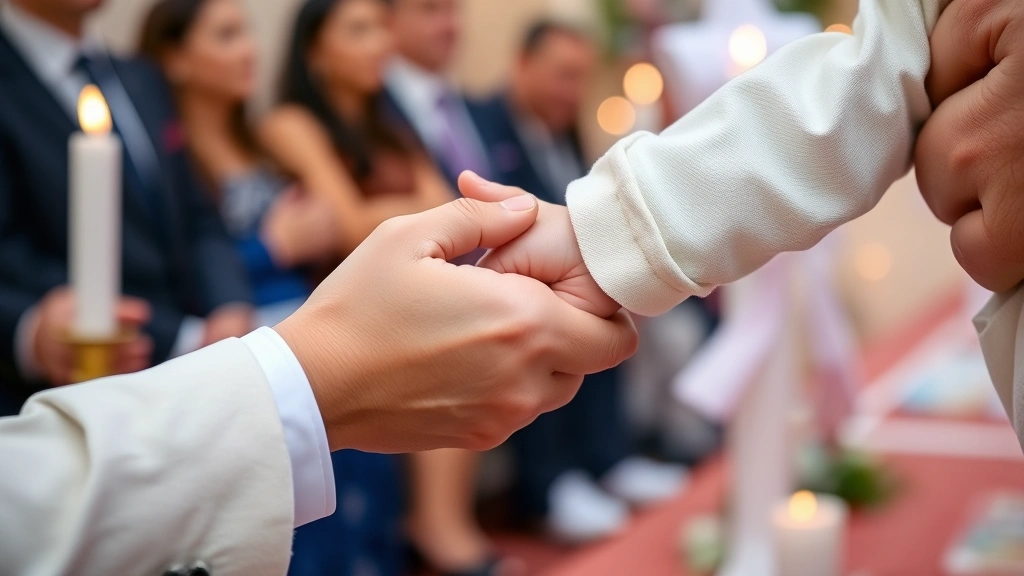
The formal presentation of the child to the community—often involving the parents holding or standing with the baby while making public declarations—is a central element of most dedication ceremonies.
Gift Giving
Family members and friends often present gifts during or after the ceremony. These might include thoughtful baby gifts, religious items like children’s Bibles, or keepsakes meant to commemorate the occasion. Some families appreciate personalized baby blankets or engraved items that serve as lasting reminders of the dedication day.
Ceremonial Clothing
Special outfits are common for dedication ceremonies. Babies might wear white dresses or gowns (similar to formal baby christening attire), while parents often dress formally to emphasize the significance of the occasion.
Creating Meaningful Keepsakes
One of the most rewarding aspects of baby dedication is preserving the memory for years to come. Here are meaningful ways to commemorate this milestone:
Documentation
Hire a photographer or ask a trusted friend to capture candid moments throughout the ceremony. These photos become treasured family memories. Consider creating a dedicated section in a baby book for dedication day photos, guest signatures, and written reflections from attendees.
Keepsake Items
Many families create or receive items that commemorate the dedication:
- Engraved frames with the dedication date
- Custom artwork featuring the child’s name and dedication date
- A baby’s first keepsake ornament with the dedication date and baby’s name
- Embroidered blankets or clothing items
- A dedication certificate signed by attendees or clergy
Video Recording
Recording the ceremony provides a priceless resource for your child as they grow. Imagine sharing this video when your child asks about their baby dedication or when they become a parent themselves.
Guest Book Alternative
Instead of a traditional guest book, consider having attendees write blessings, advice, or well-wishes on cards that you compile into a keepsake box. Your child can read these messages at significant life milestones.
Non-Religious Alternatives and Modern Approaches
Baby dedication doesn’t require religious affiliation. Many secular and non-religious families are creating their own versions that reflect their values:
Values-Based Dedication
Some families craft ceremonies around core values like kindness, environmental stewardship, education, or cultural heritage. These ceremonies still involve community witness and public commitment but focus on secular principles rather than religious doctrine.
Naming Ceremonies
A naming ceremony simply celebrates the formal introduction of your child’s name to your community. It can be as simple or elaborate as you desire and works beautifully for families of any belief system.
Community Circles
Some modern families gather in circles with close friends and family, where each person shares hopes or wisdom for the child. This creates an intimate, personalized celebration without formal religious elements.
Blended Approach
Many interfaith families create hybrid ceremonies that honor both partners’ traditions or create something entirely new that represents their unique family. The key is ensuring both parents feel comfortable and represented in the ceremony.
If you’re looking for comprehensive parenting guidance as you navigate these significant moments, remember that your approach should feel authentic to your family’s values and beliefs.
Frequently Asked Questions
What’s the difference between baby dedication and baptism?
While these terms are sometimes used interchangeably, they have distinct meanings. Baptism is a sacrament in many Christian traditions involving water immersion or sprinkling and carries specific theological significance. Baby dedication is typically a public declaration of parental commitment and community support without the sacramental element. Some churches perform both ceremonies at different times, while others use the terms somewhat loosely. It’s best to check with your specific faith community about their definitions and practices.
At what age should I dedicate my baby?
There’s no strict rule, but most families choose between three and twelve months old. Some prefer earlier dedication (around 2-3 months) to introduce their baby to the faith community quickly, while others wait until closer to one year when babies are more alert and interactive. Religious institutions may have recommendations, but ultimately, choose timing that works for your family’s circumstances.
Can I have a baby dedication without a religious component?
Absolutely. Many families create meaningful, secular dedication ceremonies that celebrate their child and the parents’ commitment to their values. These can be just as beautiful and memorable as religious ceremonies, simply with a different focus.
Do I need to invite my entire family?
No. Baby dedication is a personal choice, and your guest list should reflect that. Some families keep it intimate with immediate family and close friends, while others make it a larger celebration. Choose what feels right for you and your partner.
What should guests wear or bring?
This depends on your ceremony’s formality and cultural context. For religious ceremonies, formal or semi-formal attire is typical. For casual celebrations, guests can dress more casually. Regarding gifts, this is optional. If you’d prefer no gifts, clearly communicate that in your invitation. When gifts are given, they might include items like special baby gifts or keepsakes.
How much does a baby dedication ceremony cost?
This varies widely. If you’re dedicating through a religious institution, there may be minimal or no cost. For personalized ceremonies, expenses might include venue rental, photography, catering, invitations, and keepsakes. You can have a meaningful ceremony on any budget—it’s about intention, not expense.
Can I change my mind about baby dedication after the ceremony?
Of course. A dedication ceremony represents your current intentions as a parent, but parenting is a journey with growth and change. If your beliefs, values, or circumstances evolve, that’s completely normal and doesn’t diminish the meaning of your child’s dedication ceremony.
What if my partner and I have different beliefs about baby dedication?
This is worth discussing openly before planning. Many couples find compromises—perhaps a secular ceremony that incorporates meaningful elements from both partners’ backgrounds, or separate small ceremonies that honor each partner’s tradition. The key is communication and mutual respect for what matters to each of you.