How to Choose a Baby Dress: Expert Tips for Style, Comfort, and Practicality
Selecting the perfect baby dress feels deceptively simple until you’re standing in front of an overwhelming array of options, wondering whether that adorable smocked number will actually survive a diaper blowout. The truth is, choosing a baby dress involves far more than picking something cute—it’s about balancing aesthetics with functionality, comfort with durability, and your personal style with your baby’s actual needs.
Whether you’re shopping for everyday wear, special occasions, or building a foundational wardrobe, understanding what matters most will transform the process from stressful to genuinely enjoyable. This guide walks you through the essential considerations that experienced parents and childcare professionals recommend, giving you the confidence to make choices that work for both you and your little one.
Let’s dive into what separates a dress that’ll be worn constantly from one that ends up gathering dust in the closet.
Why Fabric Matters More Than You Think
The fabric you choose for your baby’s dress directly impacts comfort, safety, and longevity. This isn’t just about softness—though that certainly matters for your baby’s sensitive skin—it’s about breathability, stretchability, and how the material holds up through countless washes.
Natural fibers like cotton and cotton blends remain the gold standard for baby clothing. Cotton breathes exceptionally well, reducing the risk of overheating, which is particularly important since proper temperature regulation is crucial for infant safety. Organic cotton offers an additional advantage—it’s grown without synthetic pesticides, making it gentler on delicate skin prone to irritation or eczema.
Bamboo fabric deserves special mention. It’s incredibly soft, naturally hypoallergenic, and moisture-wicking, which means it keeps babies comfortable whether they’re sweating through a warm day or dealing with the inevitable spit-up situation. The downside? Bamboo typically costs more and can wrinkle easily, though many parents consider it worth the investment for special occasion baby girl dresses.
Avoid synthetic blends when possible. Polyester and acrylic don’t breathe well and can trap heat against your baby’s skin. They’re also more prone to pilling and don’t age as gracefully as natural fibers. That said, a small percentage of synthetic content (10-15%) in blends can improve durability and reduce wrinkling without significantly compromising breathability.
Jersey knit fabrics offer wonderful stretch and comfort—perfect for active babies who need room to move. Muslin, another classic choice, provides a lighter weight option ideal for warmer climates or layering. The key is understanding how different fabrics perform in your climate and with your baby’s individual skin sensitivity.
Getting the Sizing and Fit Right
Baby sizing is notoriously inconsistent across brands, and nothing’s more frustrating than discovering a dress doesn’t fit after you’ve removed the tags. Here’s how to navigate this minefield.
Check measurements, not just age labels. A dress marked “6-12 months” from one brand might fit completely differently than the same label from another manufacturer. Most reputable brands provide chest circumference, length, and waist measurements. Compare these directly to your baby’s measurements rather than relying solely on age or weight ranges.
When measuring your baby at home, use a soft measuring tape and keep it snug but not tight. Measure across the fullest part of the chest, the natural waist, and from shoulder to hem. Jot these down and reference them while shopping—you’ll save yourself countless returns.
Consider growth room strategically. Babies grow rapidly, so you might think buying bigger makes sense. The reality is more nuanced. While you want room for movement and growth, a dress that’s too large creates safety hazards—excess fabric can become a tripping hazard once your baby starts crawling or walking, and oversized necklines pose risks. A good rule of thumb: choose a dress with about an inch of extra room in the chest and waist, and aim for length that hits at or just below the knee.
Adjustable features like drawstring waists or elastic-back sizing add flexibility. Some brands offer convertible designs that transition from one size to another through adjustable hems or side snaps. These thoughtful designs can extend a dress’s wearability across multiple seasons.
Practical Features That Actually Matter
Beyond aesthetics, certain design features determine whether a dress becomes a wardrobe staple or a rarely-worn mistake.
Necklines and armholes deserve careful attention. High necklines and tight armholes restrict movement and can feel uncomfortable during diaper changes or when your baby is reaching and exploring. Look for crew necks or gentle scoop necklines paired with generous armholes that allow full range of motion. This is especially important as your baby develops and becomes more active.
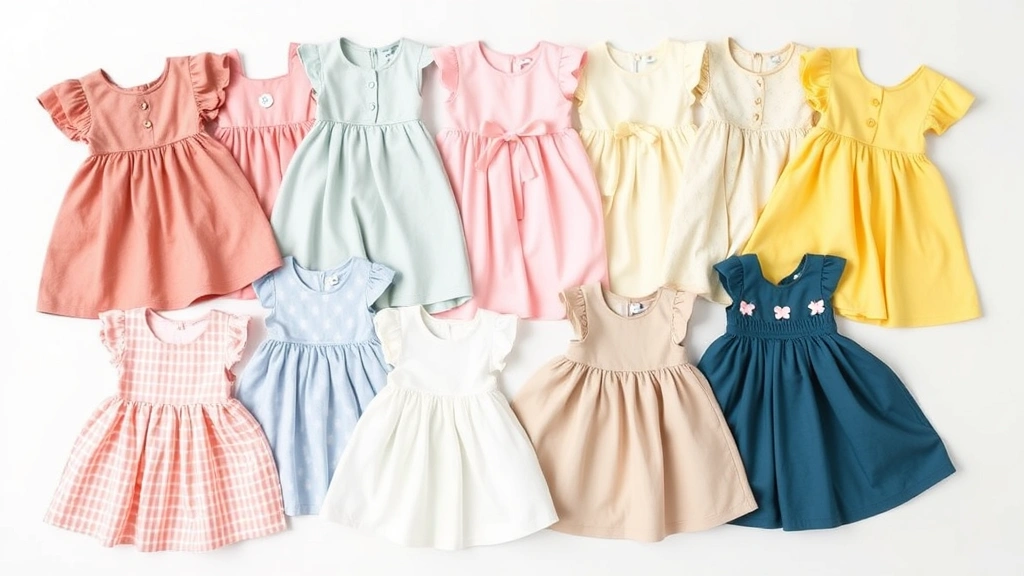
Closures matter more than you’d think. Buttons look charming but become problematic as babies develop motor skills and inevitably try to pull everything off. Snaps are generally easier for diaper changes and more secure once your baby discovers the joy of undressing. Zippered backs offer convenience for quick changes. Side snaps or envelope necklines specifically designed for easy dressing are game-changers for fussy babies or rushed mornings.
The baby doll dress style, with its loose, flowing silhouette, offers exceptional comfort and practicality for everyday wear. This style accommodates diaper bulk beautifully and allows complete freedom of movement.
Diaper accommodation is crucial. A dress that doesn’t account for diaper thickness will ride up awkwardly and restrict movement. Look for designs with slightly higher waistbands or A-line cuts that naturally accommodate the bulk. This is where understanding fabric drape becomes practical—structured fabrics work better for this than clingy materials.
Consider whether you need pockets (yes, even baby dresses can have them!), reinforced seams in high-stress areas, and whether the design allows for easy access during diaper changes. Some parents prefer wrap-front styles or dresses with side snaps specifically for this reason.
Choosing Dresses for Different Occasions
Your selection strategy shifts depending on the dress’s intended purpose. Everyday wear has completely different requirements than special occasions.
Everyday dresses should prioritize durability and easy care above all else. You’ll be washing these frequently, so choose colors that hide stains and fabrics that withstand repeated washing without fading or pilling. Cotton blends work beautifully here. A baby blue dress in a practical cotton-poly blend offers timeless appeal while being forgiving of the inevitable mess. Look for simple designs without excessive embellishments that could snag or come loose.
Everyday dresses should also accommodate layers. Babies regulate temperature differently than adults, and you’ll want to layer cardigans or long-sleeve shirts underneath for versatility across seasons. Choose lengths and styles that work well with your typical layering pieces.
Special occasion dresses allow more creativity and can feature delicate fabrics, embellishments, and intricate details. This is where you might splurge on that gorgeous smocked design or invest in higher-quality materials. However, even special occasion pieces should be comfortable enough for your baby to wear without distress—an uncomfortable baby is an unhappy baby, and no photo is worth your child’s discomfort.
For events like baby shower dresses or family photos, consider whether the dress will be worn multiple times or just once. This affects your investment level. Renting special occasion dresses for babies is becoming increasingly popular and can be more economical than purchasing something worn just once.
Seasonal dresses require specific considerations. Summer dresses should be lightweight and breathable, with minimal layers. Winter dresses might be thicker cotton or include long sleeves, though you’ll still layer rather than rely on the dress alone for warmth. Transitional pieces that work across seasons offer better value.
Seasonal and Climate Considerations
Your climate dramatically affects which baby dress styles make sense for your wardrobe.
Hot and humid climates demand lightweight, breathable fabrics. Sleeveless designs or short sleeves work better than long sleeves, though you’ll want something to protect from direct sun exposure. Loose, flowing styles like the baby girl dresses in empire-waist or A-line silhouettes allow air circulation. Light colors reflect heat rather than absorbing it. Avoid heavy embellishments that trap heat against your baby’s skin.
Cold climates call for layering capability. Choose dresses that work beautifully with long-sleeve shirts, cardigans, and tights underneath. Longer lengths provide more coverage. Consider slightly thicker cotton or cotton blends. Dresses with long sleeves work well, but remember that babies can overheat indoors, so you’ll want pieces that can be removed.
Transitional seasons are where versatile pieces shine. A dress that works with or without a cardigan, layers easily, and comes in neutral colors offers maximum flexibility. This is when investing in quality basics pays dividends.
Beyond temperature, consider seasonal activities. Beach season might require quick-dry fabrics or designs that work over swimsuits. Fall events might call for warmer tones. Winter holidays might inspire festive designs. Matching your dress selection to seasonal activities ensures everything actually gets worn.
Care and Maintenance Expectations
Before purchasing, honestly assess your willingness to follow specific care instructions. A dress requiring hand-washing and air-drying might be beautiful, but if you’re not actually going to care for it that way, it’s not a practical choice.
Machine-washable fabrics are genuinely a game-changer for busy parents. Look for dresses that survive regular washing without fading, shrinking, or losing shape. Quality cotton and cotton blends typically handle this well. Always check care labels and read reviews from other parents about how dresses hold up through repeated washing.
Stain resistance matters for everyday pieces. While no baby dress is stain-proof, some fabrics and finishes resist staining better than others. Darker colors obviously hide stains more effectively. Tighter weaves resist staining better than loose knits. Some premium brands apply stain-resistant treatments, though these wear away over time.
Shrinkage is a real concern with natural fibers. Wash in cool water and air-dry when possible to minimize shrinkage. If you must use a dryer, use low heat. Knowing whether a dress will shrink significantly helps you make smarter sizing choices.
Consider whether you’ll pass dresses down to younger siblings or friends. Durable, timeless designs in neutral colors maintain value better than trendy pieces or those prone to wear patterns. This affects your cost-per-wear calculation.
Shopping Smart Without Overspending
Building a practical baby dress wardrobe doesn’t require unlimited funds—it requires strategy.
Invest in basics, splurge on specials. Spend more on everyday dresses you’ll wear frequently—these get maximum wear and justify higher investment. For special occasions, you might spend less by renting, borrowing, or choosing pieces you’ll wear multiple times. A quality basic dress worn twice weekly for six months offers better value than a special occasion piece worn once.
The baby girl clothes category includes many price points. Mid-range brands often offer the best value—they’re more durable than budget options while costing significantly less than luxury brands. Read reviews from other parents about durability before purchasing.
Buy strategically by season. End-of-season sales offer significant savings. If you’re willing to buy ahead, purchasing summer dresses in August and winter pieces in January can reduce costs substantially. Many parents buy slightly larger sizes on sale to use the following year.
Consider secondhand options. Gently used baby dresses are abundant on resale platforms. Since babies outgrow clothes so quickly, many dresses are barely worn. Buying secondhand reduces costs and is more sustainable. Just inspect carefully for stains or damage.
Coordinate your wardrobe. Choose dresses in coordinating colors and styles so pieces mix and match with baby doll accessories, cardigans, and tights. A few well-chosen pieces create more outfit combinations than many random selections.
Calculate cost-per-wear. A $40 dress worn twice weekly for six months costs less per wear than a $15 dress worn occasionally. This perspective helps justify investment in quality pieces.
Frequently Asked Questions
What’s the best fabric for sensitive baby skin?
Organic cotton and bamboo are ideal for sensitive skin. Both are hypoallergenic and free from harsh chemicals. Cotton blends with small amounts of polyester also work well for most babies. Avoid synthetic-heavy fabrics and look for GOTS (Global Organic Textile Standard) certification when possible. If your baby has diagnosed eczema or extreme sensitivity, consult with a dermatologist about fabric recommendations.
How many baby dresses should I have?
Most parents find 5-7 everyday dresses sufficient, with 2-3 special occasion pieces. This allows for regular washing without running out of clean clothes. If you prefer doing laundry less frequently, you might want more. Consider your climate—warmer areas might need fewer heavier pieces, while colder climates require more layering options.
Should I buy dresses in multiple sizes?
Buying across two sizes makes sense, especially if you find pieces on sale. Babies grow quickly, and having the next size available prevents scrambling when they outgrow current pieces. However, avoid buying too far ahead—styles and colors change, and your preferences might shift.
Are expensive designer baby dresses worth the investment?
Not necessarily. Luxury brands often prioritize aesthetics over practicality for baby wear. Mid-range brands frequently offer better value with quality fabrics and thoughtful design. Invest in basics from reliable mid-range brands and save splurging for special occasion pieces you’ll photograph frequently.
How do I prevent baby dresses from pilling?
Turn dresses inside out before washing, wash in cold water, and use a gentle cycle. Air-dry when possible—heat accelerates pilling. Choose higher-quality fabrics with tighter weaves, as these pill less than budget options. Avoid fabric softeners, which can contribute to pilling. Some pilling is inevitable with frequent washing, but quality fabrics pill less noticeably.
Can I use baby dresses for different seasons?
Absolutely. Choose versatile pieces that layer well. A sleeveless dress works year-round when you add long-sleeve shirts underneath in winter. Opt for neutral colors and simple designs that work across seasons. This maximizes your wardrobe investment.
What safety considerations should I keep in mind?
Ensure necklines aren’t tight enough to restrict breathing. Check that closures are secure and won’t come loose during play. Avoid long hems that create tripping hazards for crawling or walking babies. Remove any loose buttons or embellishments before your baby wears the dress. The Consumer Product Safety Commission provides guidelines on safe children’s clothing.
How do I know if a dress fits properly?
You should be able to fit one finger comfortably under the neckline and armholes. The dress shouldn’t restrict arm movement or diaper changes. Length should hit at or just below the knee. There should be approximately one inch of extra room in the chest and waist. Your baby should look comfortable and move freely without excess fabric bunching.
What’s the best way to transition between sizes?
Buy the next size before your baby completely outgrows current pieces. This ensures overlap and prevents gaps in your wardrobe. Watch for signs of outgrowing—dresses becoming too short, necklines or armholes feeling tight, or length riding up when your baby moves. Having transitional pieces helps manage growth spurts.