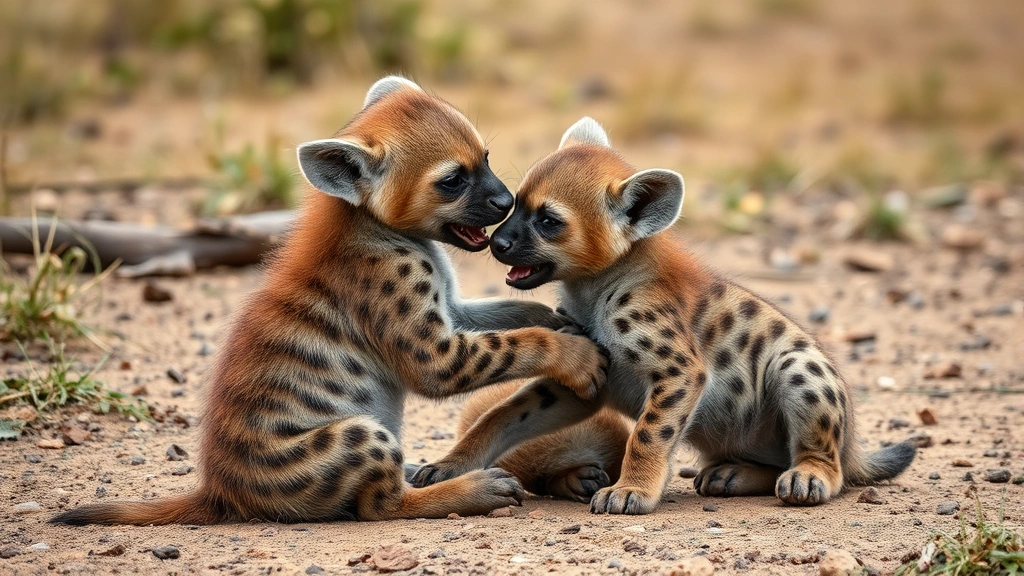
What Are Baby Hyenas Called? Fascinating Facts About These Misunderstood Creatures
If you’ve ever wondered what to call a baby hyena, you’re not alone. These magnificent African predators have captured human imagination for centuries, yet most of us know surprisingly little about their offspring. Whether you’re a wildlife enthusiast, a parent looking to teach your kids about animals, or simply curious about the natural world, understanding baby hyenas opens up a whole new appreciation for these often-misunderstood creatures.
Baby hyenas have a specific name that reflects their place in the animal kingdom, and their early lives are far more complex and fascinating than many people realize. From their birth to their integration into the clan, young hyenas navigate a world filled with hierarchy, learning, and survival instincts that rival those of any other mammal. Let’s explore what makes these young predators so remarkable and why they deserve our attention and respect.
The story of baby hyenas is one of resilience, intelligence, and family bonds. Unlike the solitary lions you might imagine, hyenas are deeply social animals with intricate family structures. Understanding their young helps us appreciate the sophistication of their societies and the remarkable adaptations they’ve developed over millions of years of evolution.
What Are Baby Hyenas Called?
A baby hyena is called a cub. This straightforward term applies to the young of all hyena species, much like how we refer to young lions as cubs or young bears as cubs. However, some wildlife enthusiasts and researchers occasionally use the term pup, though this is less common in scientific literature. The term “cub” emphasizes the playful yet fierce nature of these young predators as they grow within their family unit.
The naming convention reflects the broader taxonomy of carnivorous mammals. When you explore other baby animals, you’ll notice that many large carnivores share this nomenclature. It’s a simple yet effective way to communicate across different languages and scientific disciplines. For parents teaching children about wildlife, “cub” is the universally recognized term that will be understood whether you’re at a zoo, reading a nature documentary, or discussing animals with educators.
Understanding what baby hyenas are called is just the beginning of appreciating these remarkable creatures. The term “cub” carries with it the weight of scientific classification and the warmth of familial bonds that define hyena society. Each cub born into a clan represents not just a new individual, but a continuation of complex social traditions passed down through generations.
Types of Hyenas and Their Young
There are four species of hyenas found primarily across Africa and parts of Asia, and each has unique characteristics that influence how their cubs develop. Understanding these different species helps us appreciate the diversity within the hyena family.
Spotted Hyenas are the largest and most social of all hyena species. Their cubs are born in litters of one to four, and they’re remarkably precocial compared to other carnivores. A spotted hyena cub’s eyes open within days, and they’re ready to explore their den environment quickly. These cubs are born into a matriarchal society where females hold all the power, an unusual arrangement in the animal kingdom.
Striped Hyenas are smaller and more solitary than their spotted cousins. Their cubs tend to stay in dens longer and develop more slowly. These hyenas are found across Africa, the Middle East, and into India, and their cubs must adapt to more varied habitats and food sources than spotted hyena cubs.
Brown Hyenas inhabit southern Africa and are known for their scavenging prowess. Their cubs develop in a clan structure similar to spotted hyenas but with less rigid hierarchy. These cubs learn to navigate arid environments and develop the keen sense of smell that makes brown hyenas such efficient foragers.
Aardwolf Hyenas are the smallest species and are primarily insectivorous. Their cubs are the most different from other hyena cubs, developing in family groups rather than large clans. These tiny cubs must learn to locate and consume termites, a skill that requires patience and precision.
When you compare baby hyenas to other baby wildlife, you’ll notice that each species has adapted its reproduction and child-rearing strategies to suit its environment and lifestyle. This diversity is what makes studying young hyenas so intellectually rewarding.
Birth and Early Development
Female hyenas carry their cubs for approximately 110 days before giving birth. This gestation period is shorter than that of baby elephants, which carry their young for nearly two years, but longer than many other carnivores. When cubs are born, they’re relatively helpless, covered in fur but with eyes closed and ears folded.
The birth process for hyena cubs is notoriously difficult, particularly for spotted hyenas. Female spotted hyenas have elevated testosterone levels that cause them to have a pseudo-penis, which they use for urination, mating, and childbirth. This anatomical feature makes the birthing process dangerous, and historically, many first-time mothers died during delivery. Modern understanding of hyena reproduction has helped scientists and conservationists better protect these animals in captivity.
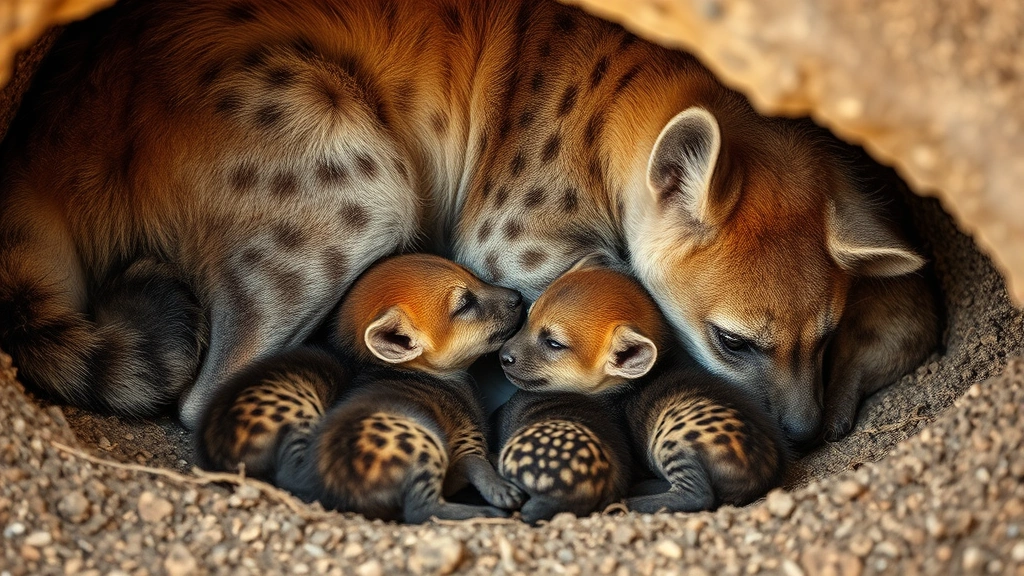
Within the first week of life, hyena cubs’ eyes begin to open, and their hearing develops rapidly. By two weeks, they’re alert and curious about their den environment. Mother hyenas are fiercely protective during this period, rarely leaving their cubs unattended. The bond between a hyena mother and her cubs is remarkably strong and can last throughout their entire lives.
Cubs are typically weaned around 12 to 16 months of age, though they may begin eating solid food much earlier by scavenging from kills made by adult clan members. This extended nursing period allows mothers to pass on crucial antibodies and nutrients while cubs gradually transition to the carnivorous diet they’ll maintain for life.
Life in the Clan: Social Structure
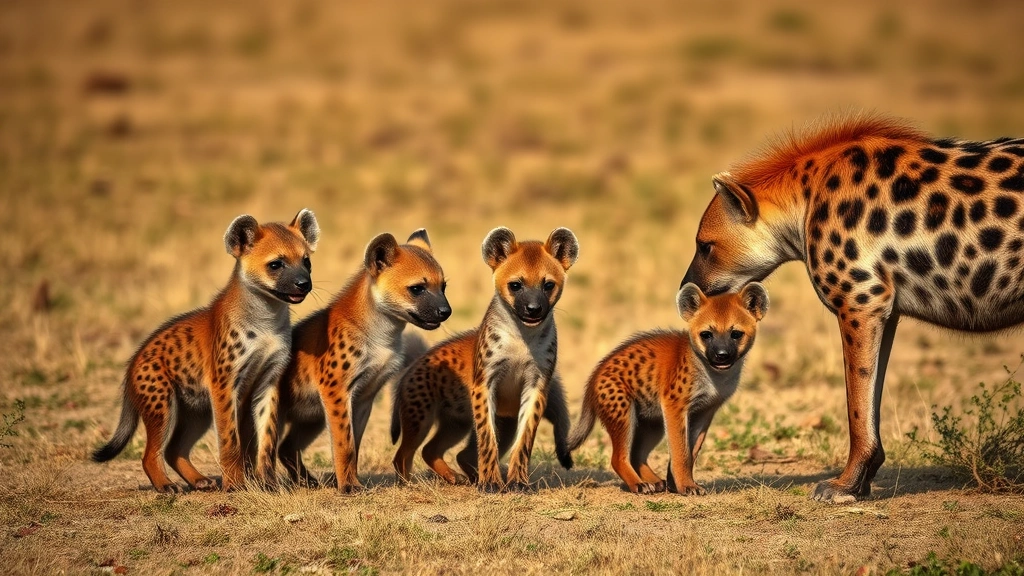
Unlike solitary baby lions who must learn independence relatively quickly, hyena cubs grow up in complex social groups called clans. These clans can number anywhere from 5 to 80 individuals, depending on food availability and the species. Within these groups, cubs learn not just how to survive, but how to navigate intricate social hierarchies that will define their adult lives.
In spotted hyena clans, the social structure is matriarchal and strictly hierarchical. Female cubs inherit their mother’s social rank, which means a cub born to a high-ranking mother will enjoy advantages throughout her life. Male cubs, conversely, must work their way up the social ladder through coalitions and alliances with other males. This system teaches cubs from an early age that social position matters and that relationships are currency in hyena society.
Hyena cubs spend much of their first year playing with littermates and other young cubs in the clan. This play isn’t frivolous—it’s essential training for adulthood. Cubs practice hunting moves, learn to assert dominance, and develop the physical strength and coordination they’ll need as adults. Play fights teach cubs about their own strength and help them understand their place within the group.
Babysitting is a common practice in hyena clans. While a mother is away hunting or tending to other responsibilities, other females in the clan will watch her cubs. This communal care system ensures that cubs receive attention and protection even when their mother is occupied, and it allows younger females to practice maternal behaviors before they have cubs of their own.
Learning to Hunt and Survive
One of the most critical phases in a hyena cub’s development is learning to hunt. Unlike some predators that rely on instinct alone, hyena cubs must be taught hunting techniques by experienced adults. This learning process can take years and requires patience, practice, and repetition.
Cubs begin accompanying adults on hunts when they’re around 6 to 8 months old, though they don’t actively participate initially. Instead, they observe, learning to read the landscape, understand prey behavior, and recognize the signs that a kill is imminent. As they grow stronger and more confident, they begin to participate in actual hunts, starting with small, easy prey before graduating to larger, more dangerous animals.
The technique of hunting varies depending on the hyena species and the available prey. Spotted hyenas are capable hunters that can bring down large antelopes and zebras through coordinated group efforts. Striped hyenas rely more heavily on scavenging but are also skilled hunters. Brown hyenas are master scavengers with an incredible sense of smell. Cubs must learn the specific strategies their clan uses to survive in their particular environment.
One fascinating aspect of hyena hunting is their incredible bite force. Hyena cubs are born with relatively weak jaws, but as they mature, their jaw muscles and teeth develop into one of the most powerful bites in the animal kingdom. A fully grown hyena can exert a bite force of over 1,100 PSI—enough to crush bones that other predators must leave behind. Cubs learn to use this advantage strategically, targeting bones and other tough materials that other scavengers cannot access.
Failure is a natural part of learning to hunt. Many young hyenas miss their targets, get injured during hunts, or fail to secure kills. These failures are crucial learning experiences that teach cubs resilience and adaptability. Cubs that survive to adulthood have learned not just the mechanics of hunting, but also the psychology of predation—how to read situations, make split-second decisions, and work effectively with group members.
Unique Facts About Baby Hyenas
Beyond the basics of development and learning, baby hyenas possess several remarkable characteristics that set them apart from other young predators. Exploring baby nature reveals that hyena cubs are among nature’s most interesting examples of adaptation and evolution.
Exceptional Intelligence: Hyena cubs demonstrate remarkable cognitive abilities from an early age. Research has shown that hyenas possess problem-solving skills comparable to primates. Cubs quickly learn to navigate complex social situations, understand cause and effect, and adapt to changing environmental conditions. Their intelligence allows them to thrive in diverse habitats and respond creatively to challenges.
Powerful Vocalizations: Even as very young cubs, hyenas produce a variety of vocalizations that serve different purposes. Cubs communicate with their mothers through specific calls, alert the clan to dangers, and establish their presence within the group. The famous “laughing” call of hyenas is actually a complex communication system that cubs gradually master as they mature.
Rapid Physical Development: Hyena cubs grow remarkably quickly. Within their first year, they transform from helpless newborns into capable young predators. This rapid development is an adaptation to their environment, where reaching adulthood quickly increases survival chances in a competitive landscape.
Scent Marking Behavior: Young hyenas learn to use scent marking as a form of communication and territorial claim. Cubs observe adults rubbing their anal glands on grass and rocks, and they begin practicing this behavior themselves. This scent marking serves multiple purposes: it warns other clans away from territory, helps clan members identify each other, and conveys information about the individual’s status and condition.
Dietary Flexibility: Hyena cubs learn to eat almost anything their clan can find. While primarily carnivorous, hyenas and their cubs will consume fruits, vegetables, and other plant matter when prey is scarce. This dietary flexibility is one reason hyenas have survived and thrived for millions of years while other predators have struggled.
Conservation and the Future
Understanding baby hyenas and their development is crucial for conservation efforts. As human populations expand and wildlife habitats shrink, hyena cubs face unprecedented challenges. Many cubs don’t survive to adulthood due to habitat loss, human persecution, and food scarcity.
According to the International Union for Conservation of Nature (IUCN), several hyena species face declining populations. Conservation organizations work to protect denning sites where cubs are born and raised, ensuring that young hyenas have safe places to develop away from human interference.
Education plays a vital role in hyena conservation. Many people hold negative views of hyenas based on outdated cultural narratives and media portrayals. By teaching people—especially children—about the fascinating lives of baby hyenas and their important ecological role, conservationists hope to build support for protection efforts. When people understand how intelligent, social, and complex hyenas are, they’re more likely to support conservation initiatives.
Several organizations dedicated to carnivore conservation focus specifically on hyenas. These groups conduct research on cub development, study how habitat fragmentation affects clan dynamics, and work with local communities to find coexistence strategies. Their work is essential for ensuring that future generations will have the opportunity to observe and study baby hyenas in their natural habitats.
Climate change presents an emerging threat to hyena cubs. Changing weather patterns affect prey availability and water sources, making it harder for mothers to feed themselves and their nursing cubs. Droughts can be particularly devastating, causing widespread cub mortality in affected regions. Conservation efforts must account for these long-term environmental changes.
Frequently Asked Questions
What is a baby hyena called?
A baby hyena is called a cub. This term is used for all hyena species and is the standard scientific and colloquial term recognized worldwide. Some people may use “pup,” but “cub” is far more common and widely accepted.
How many babies do hyenas have at once?
The number of cubs born to a hyena mother varies by species. Spotted hyenas typically give birth to one to four cubs per litter, with two being most common. Striped hyenas usually have smaller litters of one to three cubs. Brown hyenas typically have one to three cubs. Aardwolf hyenas, being much smaller, usually have only one or two cubs per litter.
How long do baby hyenas stay with their mother?
Hyena cubs remain dependent on their mothers for approximately 12 to 16 months. However, they often continue to associate with their mothers and the broader clan for their entire lives. Female cubs especially maintain strong bonds with their mothers and may inherit their mother’s social rank within the clan.
Are baby hyenas born with teeth?
Baby hyenas are not born with visible teeth, but their first teeth begin to erupt within a few weeks of birth. By around three months of age, cubs have a full set of milk teeth. These are gradually replaced by permanent adult teeth over the course of their first few years of life. The development of strong adult teeth is crucial for the powerful bite force hyenas are known for.
Do baby hyenas play with each other?
Yes, absolutely! Baby hyenas engage in extensive play with littermates and other young cubs in their clan. This play serves multiple important functions: it develops physical strength and coordination, teaches social skills and hierarchy, practices hunting techniques, and helps cubs bond with their peers. Play wrestling and mock hunts are particularly common among young hyenas.
Can baby hyenas be kept as pets?
Baby hyenas should never be kept as pets. They are wild animals with complex social and dietary needs that cannot be adequately met in a domestic setting. Additionally, it is illegal in most countries to capture or keep hyenas without proper permits and facilities. Even in accredited zoos and research institutions, hyenas require specialized care and expertise. For anyone interested in hyenas, supporting conservation efforts and visiting reputable wildlife sanctuaries is a far better approach than attempting to keep one as a pet.
How do baby hyenas learn to hunt?
Baby hyenas learn to hunt through observation and gradual participation. Cubs begin accompanying hunting parties around 6 to 8 months of age, initially just observing. As they grow stronger and more confident, they participate in actual hunts, starting with small prey before working up to larger animals. This learning process can take years and involves both success and failure, with each experience teaching valuable lessons about strategy, timing, and teamwork.
What do baby hyenas eat?
Baby hyenas are carnivores like their parents. They begin nursing immediately after birth and continue to rely on their mother’s milk for their first several months. As they grow, they begin consuming regurgitated meat provided by their mother and later by other clan members. Once weaned, they transition to eating whole prey items, beginning with small animals and gradually working up to larger kills. Some hyena species also consume plant matter when prey is scarce.