How to Get Started in Baby Modeling: A Parent’s Complete Guide
Your baby is absolutely adorable—everyone tells you so. But have you ever wondered if that cherubic face could actually earn money while having fun in front of the camera? Baby modeling might sound like a glamorous world reserved for industry insiders, but the truth is far more accessible. Thousands of parents successfully launch their children’s modeling careers every year, and you don’t need connections or prior experience to get started.
The baby modeling industry has exploded over the past decade. From diaper commercials to high-fashion campaigns, brands desperately need authentic, expressive babies and toddlers to represent their products. What makes this industry different from adult modeling is that it’s actually quite family-friendly and often incredibly lucrative for young talent. But like any industry involving children, it requires careful navigation, realistic expectations, and a genuine commitment to your child’s wellbeing above all else.
This guide will walk you through everything you need to know about launching your baby’s modeling career—from understanding the industry landscape to protecting your child throughout the process. Whether you’re curious about turning your little one’s natural charisma into cash or just exploring the possibilities, we’ve got you covered.
Understanding the Baby Modeling Industry
Baby modeling isn’t quite like adult modeling, and that’s actually a good thing for parents. The industry is more forgiving, more flexible, and frankly, more fun. Brands recognize that babies are unpredictable—they cry, they need naps, they refuse to cooperate—and they plan accordingly. This means shoots are often shorter, more relaxed, and designed with the child’s comfort in mind.
The primary categories of baby modeling work include commercial modeling (for brands like Pampers, Johnson & Johnson, and Gerber), print modeling (catalogs, magazines, and advertisements), runway modeling (increasingly popular for children’s fashion), and social media modeling (influencer partnerships and brand collaborations). Each sector has different requirements, pay scales, and time commitments.
According to the American Academy of Pediatrics, children in entertainment should be monitored carefully for signs of stress or discomfort. The good news is that legitimate baby modeling is designed to be age-appropriate and developmentally sound. Most shoots involve minimal time on set, and professional crews understand how to work with babies’ natural rhythms.
The financial reality varies significantly. Some babies earn a few hundred dollars per shoot, while others in regular commercial roles or with major brand contracts can earn thousands monthly. However, it’s crucial to understand that modeling isn’t a guaranteed income stream—it’s sporadic, seasonal, and depends heavily on your child’s look, age, and availability.
Is Your Baby Ready for Modeling?
Before diving into the modeling world, honestly assess whether your baby is suited for it. This isn’t just about looks—though that matters—it’s about temperament, health, and your family’s ability to handle the demands.
The ideal baby model is generally between 3 months and 3 years old, though newborns and slightly older toddlers can work too. Babies in this age range are photogenic, expressive, and can follow basic direction while still maintaining that adorable quality brands crave. However, the window is narrow because babies change rapidly. Your 18-month-old might be perfect now but look completely different in six months.
Beyond age, consider your baby’s temperament. Are they generally calm around strangers? Can they handle new environments without extreme distress? Do they have any distinctive features—unusual eye color, unique hair texture, or an expressive face? Interestingly, the most successful baby models aren’t always the conventionally “perfect” looking ones. Casting directors often seek authentic, relatable babies who represent real diversity and genuine personality.
Health is non-negotiable. Your baby should be generally healthy with no chronic conditions that might cause issues on set. They should be up-to-date on vaccinations and have no active skin conditions or illnesses. Most reputable agencies require health documentation before representing a child.
Family readiness matters too. Can you commit to auditions that might not result in bookings? Are you prepared to potentially travel for shoots? Can you handle the emotional ups and downs of rejection? Your attitude and flexibility directly impact your child’s experience and success.
Building a Professional Portfolio
You don’t need a fancy portfolio to get started—in fact, most agencies prefer natural, unretouched photos of your baby. But you do need quality images that showcase your child’s look and personality.
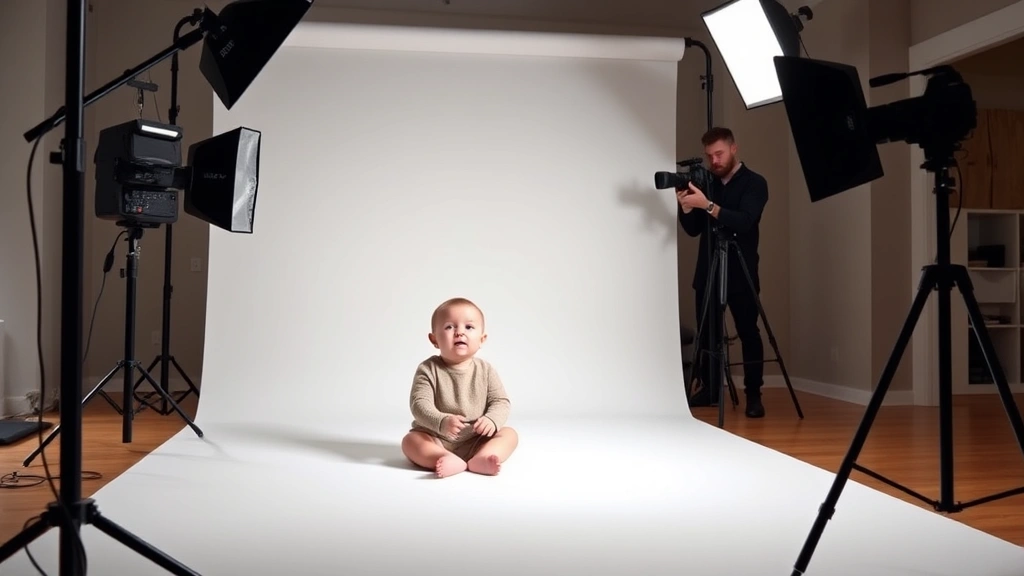
Start with a professional baby photoshoot with a photographer experienced in infant and child work. You need 4-6 images showing your baby’s face clearly from different angles (front, three-quarter, profile) and in different expressions. Include at least one full-body shot. The photos should be natural and candid-looking rather than heavily posed. Clothing should be simple and neutral—solid colors work best because they don’t distract from your baby’s face.
Avoid overly edited or filtered images. Agencies want to see your baby’s actual appearance because that’s what casting directors will see in person. Professional photographers understand this and will deliver clean, well-lit images that accurately represent your child without heavy retouching.
When choosing photos for your portfolio, think about diversity. Include images showing different moods—happy, serious, playful, curious. This gives casting directors a sense of your baby’s range and personality. If your baby has distinctive features—freckles, curly hair, dimples—make sure those are visible and highlighted.
You’ll also want some casual snapshots for your digital portfolio. These can be taken with your smartphone and should capture your baby being themselves—laughing, playing, exploring. Agencies often appreciate these candid shots because they show genuine personality rather than posed perfection.
Finding Legitimate Agencies
This is where caution becomes absolutely critical. The modeling industry attracts scams, and babies are particularly vulnerable targets. Never pay upfront fees to an agency. Legitimate agencies make money only when their clients make money—they take a commission (typically 15-20%) from bookings.
Start your search by researching established, reputable agencies in your area. Check their credentials, look for online reviews from actual clients, and verify their legitimacy through industry organizations like the Better Business Bureau. Ask for references and actually call them. Legitimate agencies are happy to provide them.
Red flags include requests for upfront fees, charges for portfolio development, pressure to purchase specific products or services, guarantees of work, or unprofessional communication. If an agency seems pushy, vague about how they work, or primarily interested in your money rather than your baby, keep looking.
When you connect with an agency that seems legitimate, ask detailed questions: How do they find work? What’s their commission structure? How do they handle safety on set? What’s their policy on parental presence? Do they represent many babies in your area, or are they selective? A good agency should answer everything clearly and encourage your questions.
Consider starting with a smaller, specialized agency rather than a massive conglomerate. Smaller agencies often provide more personalized attention and might be more selective about the work they book, which can mean better quality opportunities and more reasonable demands on your time.
Navigating Auditions and Bookings
Once you’re signed with an agency, the audition process begins. Your baby will be submitted for roles that fit their look, age, and type. Not every submission results in an audition, and not every audition results in a booking. This is completely normal and not a reflection of your baby’s worth or potential.
Auditions for babies are typically brief and low-pressure. Your baby might be asked to perform simple actions—smile, laugh, cry on cue, or interact with a toy. Casting directors understand that babies can’t follow complex direction, so expectations are realistic. Your job is to help your baby feel comfortable and safe while letting their natural personality shine through.
Prepare your baby for auditions by ensuring they’re well-rested, fed, and in a good mood beforehand. Bring comfort items if needed. Dress your baby in simple, neutral clothing that doesn’t distract from their face. Arrive early to let them acclimate to the new environment. If your baby is having a rough day, it’s okay to reschedule—a cranky baby at an audition isn’t going to book anyway, and forcing it creates negative associations with the process.
When your baby books a job, you’ll receive details about the shoot—location, date, time, duration, and any specific requirements. Read everything carefully and ask questions if anything is unclear. Most shoots for babies last 2-4 hours, though the actual time your baby spends in front of the camera is usually much shorter.
On shoot days, maintain your baby’s normal routine as much as possible. Bring snacks, favorite toys, diapers, and anything else you need to keep your baby comfortable. Professional sets are surprisingly accommodating to parents and babies—they understand that a happy, comfortable baby performs better.
Your presence throughout the process is important. Ensure you’re always present during auditions and shoots. This protects your baby and allows you to advocate for their needs and comfort. If anything feels inappropriate or unsafe, you have every right to remove your baby from the situation.
Managing Finances and Taxes
When your baby starts earning money, you’ve entered official business territory. This requires proper financial management and tax compliance.
First, open a separate bank account for your baby’s modeling income. Keep all earnings separate from your personal finances. This makes accounting easier and demonstrates to the IRS that this is a legitimate business enterprise, not just hobby income.
Next, understand tax obligations. Your baby will need a Social Security number and possibly an Individual Taxpayer Identification Number (ITIN). In most cases, modeling income is considered self-employment income, which means you’ll need to file appropriate tax forms. Many states also require work permits or entertainment licenses for child performers, even for modeling.
Keep meticulous records of all income, expenses, and business-related costs. This includes agency commissions, travel expenses, portfolio development, clothing purchases for auditions, and any other business-related expenditures. These are often tax-deductible.
Consider consulting with a tax professional who has experience with child performers. They can help you navigate the complexities and ensure you’re complying with all regulations. This small investment can save you significant headaches and money down the road.
Many parents choose to set aside a portion of their baby’s earnings in a dedicated savings account or trust. This ensures the money is available for the child when they’re older and prevents the temptation to spend modeling income on family expenses.
Protecting Your Child’s Wellbeing
Beyond the business aspects, your primary responsibility is protecting your baby’s physical, emotional, and psychological wellbeing throughout their modeling career.
Physically, ensure your baby is never exposed to unsafe conditions. Reputable shoots involve proper lighting (no harsh flashes directly in baby’s eyes), appropriate temperatures, and professional crews trained in working with infants. If anything seems unsafe, speak up immediately. Your baby’s safety is non-negotiable.
Emotionally, watch for signs of stress or anxiety. Some babies love the attention and activity of shoots, while others find it overwhelming. If your baby consistently shows distress—excessive crying, difficulty sleeping, behavioral changes—reconsider whether modeling is the right fit. There’s no amount of money worth causing your baby genuine distress.
Consider the impact on your parenting and family life. If pursuing modeling is creating stress in your family, consuming excessive time, or causing tension between you and your partner, it’s worth reassessing. Parenting should come first, always.
Be cautious about your baby’s image and privacy. Understand where and how photos will be used. Some shoots are for specific, limited use, while others grant broader rights. You have every right to refuse uses that make you uncomfortable. Additionally, limit how much of your baby’s modeling work you share on personal social media. Your baby hasn’t consented to having their image broadcast to your followers.
Finally, remember that your baby is not their modeling career. They’re a person with inherent worth that has nothing to do with their earning potential. Maintain perspective, keep the experience fun and pressure-free, and prioritize their development and happiness above all else.
Many parents find that professional cute babies thrive when modeling is presented as a fun activity rather than a job. The moment it becomes about pressure or performance rather than enjoyment, it’s time to step back.
Frequently Asked Questions
At what age can babies start modeling?
Most babies can start modeling around 3 months old, though newborn modeling is also available. The ideal age range is 3 months to 3 years, as babies are most photogenic and expressive during this period. However, some agencies work with children up to age 8 or older for specific roles.
How much money can baby models make?
Earnings vary widely. A single commercial shoot might pay $100-$500, while regular commercial roles can generate $500-$2,000+ per month. High-profile campaigns or exclusive contracts can pay significantly more. However, work is inconsistent, so budgeting should account for dry spells.
Do I need to hire a lawyer for my baby’s modeling career?
For most standard commercial and print work, a lawyer isn’t necessary if you’re working with a reputable agency. However, if your baby books major campaigns, gets offered exclusive contracts, or works in television or film, consulting an entertainment lawyer is wise. They can review contracts and protect your child’s interests.
What should I do if my baby seems uncomfortable during auditions or shoots?
Remove them immediately. There’s no obligation to continue. Professional crews understand that babies’ comfort comes first. Forcing a distressed baby to continue creates negative associations and isn’t good for anyone. Your baby’s wellbeing is always the priority.
Can I use photos from my baby’s modeling work on social media?
Check your contract—usage rights are typically specified. Generally, you shouldn’t post professional modeling photos without permission, as they may be exclusive to the client. However, personal snapshots from shoots are usually fine to share. When in doubt, ask your agent.
What’s the difference between a legitimate agency and a scam?
Legitimate agencies never charge upfront fees—they make money only when their clients do. They won’t pressure you, guarantee work, or require you to purchase specific services. Scams often involve upfront payments, vague promises, and high-pressure tactics. Research thoroughly and trust your instincts.
How do I find quality baby girl clothes and baby boy clothes for auditions?
Simple, neutral clothing works best for auditions—solid colors that don’t distract from your baby’s face. High-street retailers like Target, H&M, and Gap offer affordable, quality basics. Avoid busy patterns, logos, or character clothing. The goal is to let your baby’s face be the focus, not their outfit.
What if my baby doesn’t get booked for jobs?
Rejection is normal in modeling. Even the most successful baby models get rejected regularly. It’s rarely personal—it’s usually about fit, look, or competition. If your baby isn’t booking after several months with a reputable agency, discuss with your agent whether adjustments are needed or whether modeling is the right fit for your child.
Should I consider baby girl gifts or baby boy gifts as rewards for modeling work?
While small rewards can be fun, avoid making modeling feel transactional or creating pressure around performance. If you do give rewards, keep them simple and focus on making the experience enjoyable rather than incentivizing specific outcomes.