What Is a Baby Mole? A Nature Guide for Curious Parents
If you’ve ever spotted a small, fuzzy creature burrowing through your garden or caught a glimpse of one on a nature documentary, you might be wondering what exactly a baby mole is. These tiny underground dwellers are fascinating creatures that often spark curiosity in children and adults alike. Whether your kids are asking questions after a backyard discovery or you’re simply interested in expanding your knowledge of wildlife, understanding baby moles offers a wonderful window into the natural world.
Baby moles, also called mollets or pups, are among nature’s most peculiar and specialized mammals. Born blind and nearly hairless, these miniature versions of their adult counterparts undergo remarkable transformations as they develop. Their lives are spent almost entirely underground in elaborate tunnel systems, making them mysterious and intriguing subjects for anyone interested in animal behavior and ecology.
This guide will walk you through everything you need to know about baby moles—from their physical characteristics and development stages to their habitat and role in the ecosystem. Whether you’re a nature enthusiast, a parent looking to educate your children, or simply someone curious about wildlife, you’ll find practical insights and fascinating facts that bring these underground creatures to life.
What Exactly Is a Baby Mole?
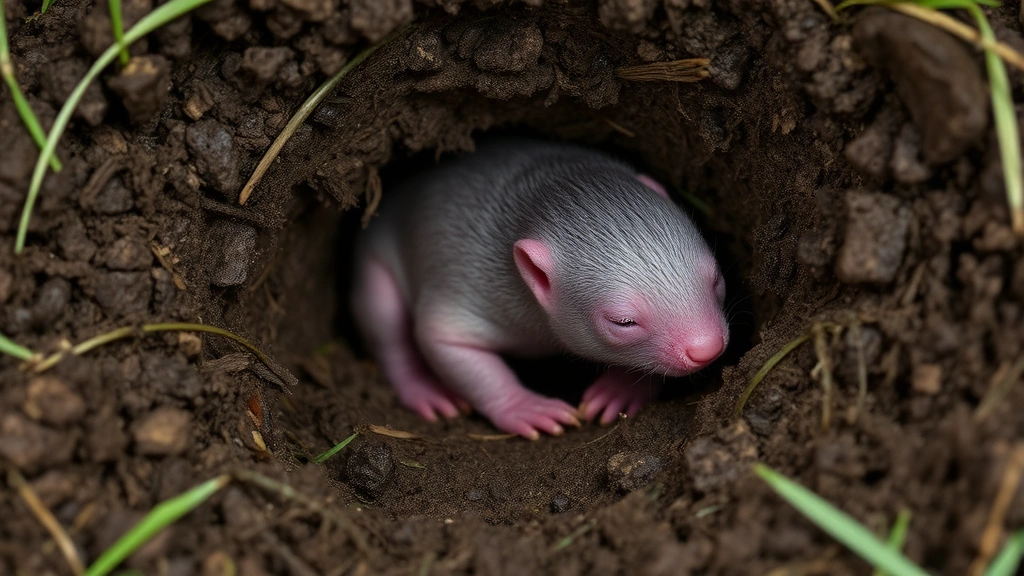
A baby mole is the juvenile form of any mole species, born from one of approximately 42 different mole species found across the Northern Hemisphere and Africa. The most commonly encountered species in North America is the Eastern mole (Scalopus aquaticus), though star-nosed moles and other varieties exist worldwide. Baby moles are born incredibly underdeveloped compared to many other mammals, arriving into the world blind, deaf, and nearly hairless.
These newborns typically weigh less than a gram—about the weight of a penny—making them impossibly tiny. Despite their diminutive size, baby moles are born with all the specialized adaptations their species needs to thrive underground. Their powerful front legs, equipped with oversized claws, begin developing strength even before their eyes open. This remarkable specialization for subterranean life makes them uniquely suited to their underground existence.
Understanding baby moles isn’t just about satisfying curiosity; it’s an excellent way to engage children in learning about biodiversity and adaptation. When your kids ask about the creatures they find in nature, having accurate information helps you nurture their scientific interest and appreciation for wildlife. If you’re concerned about any unusual markings on your baby’s skin care needs, that’s a conversation for your pediatrician, but baby moles in nature are purely biological creatures with no connection to human skin conditions.
Physical Characteristics and Development
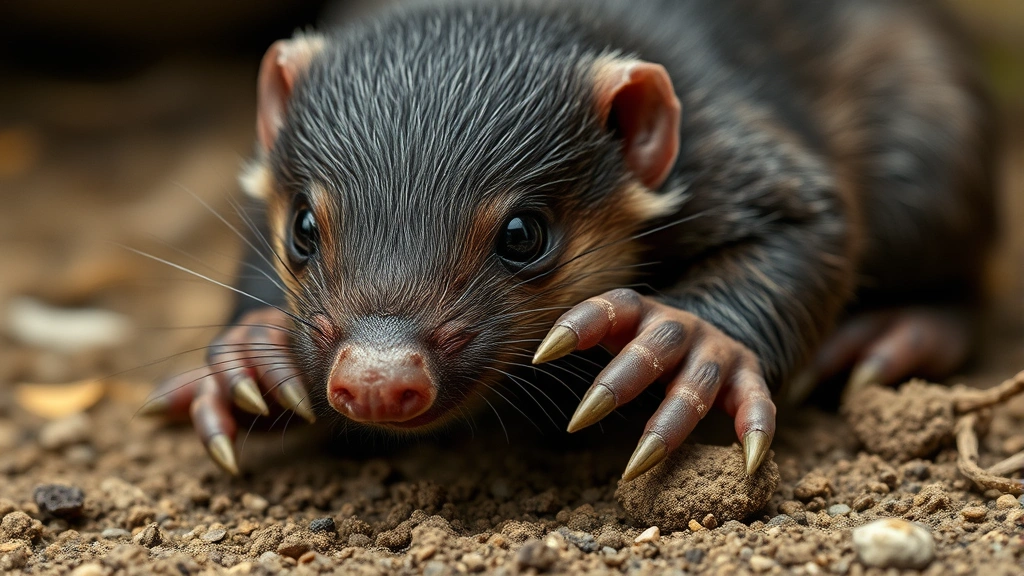
Baby moles undergo one of nature’s most dramatic transformations during their early weeks of life. At birth, a newborn mole is approximately the size of a jellybean, with translucent skin, sealed eyelids, and no visible fur. Their bodies are disproportionate—featuring enormous front limbs with claws that seem comically oversized compared to their tiny frames.
As baby moles age, their physical development accelerates remarkably. Within the first two weeks, their fur begins to emerge, providing insulation in their underground burrows. By three to four weeks, their eyes begin to open, though vision remains limited throughout their lives since moles rely far more heavily on their other senses. Their sense of touch is extraordinarily sensitive, with specialized receptors in their snouts and front limbs helping them navigate their dark tunnels.
The distinctive features of baby moles include:
- Oversized front claws: These develop almost immediately and are used for digging and manipulation of soil
- Sensitive snout: Covered in specialized touch receptors called Eimer’s organs, allowing them to detect vibrations and movement
- Velvety fur: Grows in as they mature, providing excellent insulation for their underground lifestyle
- Small eyes: Develop slowly and remain relatively non-functional throughout their lives
- Powerful shoulders: Build strength rapidly to support their incredible digging abilities
Understanding these developmental stages helps parents explain to curious children why moles are so different from surface-dwelling mammals. If you have concerns about your own child’s physical development or baby dermatology and skin conditions, consulting with your pediatrician is always the right approach.
The Life Cycle of Baby Moles
The reproductive cycle of moles follows a specific seasonal pattern. Mating typically occurs in late winter or early spring, with gestation lasting approximately four to five weeks. A mother mole, called a doe, usually gives birth to two to six babies in a specially prepared underground nest lined with dry grass and leaves. This nest, called a fortress, is one of the few areas where a mole creates a chamber rather than a simple tunnel.
During their first weeks of life, baby moles are entirely dependent on their mother’s milk. She remains in the nest with them, nursing and protecting them from predators and other threats. These early weeks are critical for development, as the pups grow rapidly, their fur emerges, and their muscles strengthen for the demanding life ahead.
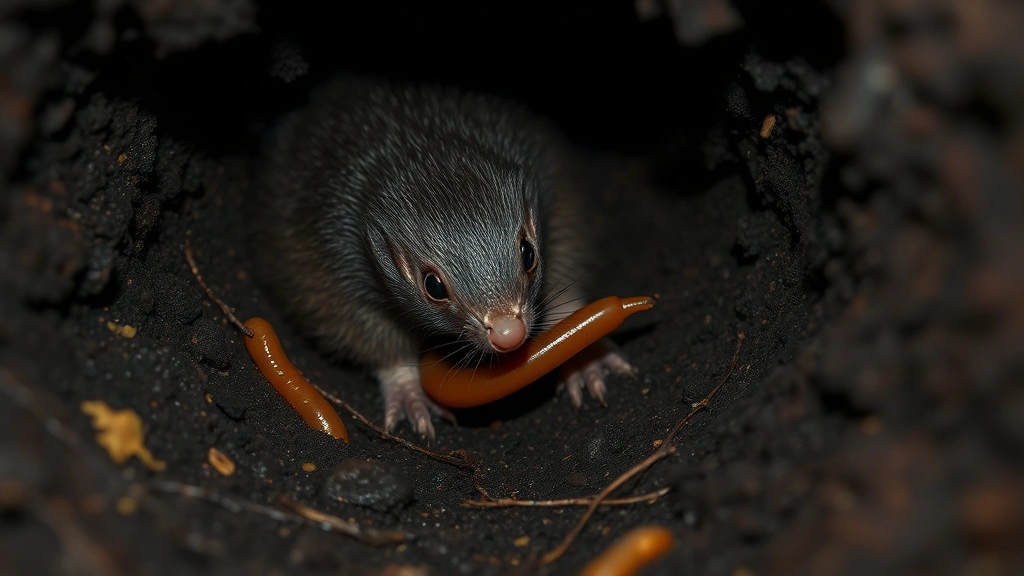
By six to eight weeks of age, baby moles begin exploring outside the nest under their mother’s supervision. They learn to dig, hunt for earthworms and grubs, and navigate the tunnel system. This crucial learning period teaches them essential survival skills before they disperse to establish their own territories. By eight to ten weeks, young moles are typically weaned and ready to venture out independently.
If you’re experiencing common baby health concerns, remember that these are vastly different from the challenges faced by baby moles in nature. Your pediatrician is your best resource for any questions about your child’s development and wellbeing.
Habitat and Underground Behavior
Baby moles spend virtually their entire lives underground, inhabiting carefully constructed tunnel systems that can extend hundreds of feet through lawns, gardens, and forests. These tunnels serve multiple purposes: they’re highways for traveling, hunting grounds for finding food, and nurseries for raising young. The complexity of mole tunnel systems rivals that of human infrastructure in miniature.
The habitat requirements for baby moles are surprisingly specific. They need soil that’s moist enough to dig but not waterlogged, with adequate populations of earthworms and insect larvae to sustain them. They prefer areas with abundant organic matter, such as gardens, lawns, and deciduous forests. Baby moles are most active during spring and fall when soil conditions are optimal for digging and food is abundant.
Behaviorally, baby moles are solitary creatures by nature. Unlike many mammals that live in family groups, young moles quickly establish independence and defend territories against intruders, including their own siblings. They’re active throughout the day and night, with no true hibernation period, though their activity does decrease during extremely cold or dry weather when soil conditions become challenging.
The sensory world of a baby mole is entirely different from ours. While their vision is nearly useless in their dark tunnels, their senses of smell and touch are extraordinarily acute. They can detect vibrations through soil from considerable distances and locate prey by smell alone. This sensory specialization is a perfect example of evolutionary adaptation to a specific ecological niche.
Their Role in the Ecosystem
Baby moles, despite their tiny size, play a significant role in their ecosystems. As they grow and hunt, they consume enormous quantities of earthworms, grubs, and other soil invertebrates. This predation helps control pest populations and influences soil structure and composition. The tunnels they create improve soil aeration and water drainage, which can benefit plant growth in some contexts.
The presence of moles in an ecosystem also affects other species. Their burrows provide shelter for other small creatures, and their bodies, when they die, contribute nutrients to the soil. Predators such as hawks, owls, snakes, and foxes rely on moles as a food source, making them an important part of the food web despite their small individual size.
From an environmental perspective, understanding baby moles and their ecological importance teaches us about the intricate connections within nature. Every creature, no matter how small or seemingly insignificant, plays a role in maintaining ecosystem balance. This understanding can inspire children and adults alike to develop a deeper appreciation for biodiversity and conservation efforts.
Baby Moles and Skin Health (For Parents)
It’s important to clarify that when discussing baby moles in a parenting context, we’re referring to two entirely different things. Baby moles in nature are small mammals, while moles on human skin are pigmented birthmarks or growths. If you’re concerned about moles on your baby’s skin, consulting with a pediatrician who specializes in your child’s healthcare is essential.
Most babies are born with or develop small, harmless moles on their skin. These are typically nothing to worry about, but your pediatrician can monitor them during regular checkups. The comprehensive baby skin care guide can provide additional information about maintaining your baby’s skin health and understanding normal skin variations.
If you notice any changes in your baby’s moles—such as changes in color, size, shape, or texture—it’s worth mentioning at your next pediatric appointment. Your doctor can provide professional guidance and peace of mind. Organizations like the American Academy of Pediatrics offer excellent resources about pediatric skin health.
For parents interested in nature education, teaching your children about animal babies like moles can be an exciting way to foster curiosity about the natural world. Whether it’s through nature documentaries, books, or outdoor exploration, these learning opportunities help develop environmental awareness and scientific thinking. And when choosing gifts that encourage learning, consider nature-themed options that inspire exploration and discovery.
Frequently Asked Questions
How long do baby moles stay with their mother?
Baby moles typically remain with their mother for eight to ten weeks. During this time, they’re nursed, protected, and taught essential survival skills like digging and hunting. After this period, they disperse to establish their own territories. This relatively short dependency period is typical for most small mammal species.
What do baby moles eat?
Baby moles are carnivorous, feeding primarily on earthworms and insect larvae. They begin hunting solid food at around four to six weeks of age while still nursing. Adult moles can consume their body weight in food daily, and babies eat proportionally large amounts to support their rapid growth and development.
Can you keep a baby mole as a pet?
Baby moles are not suitable as pets. They’re wild animals with specialized needs that are nearly impossible to meet in captivity. They require specific soil conditions for digging, particular humidity levels, and a consistent supply of live prey. Additionally, many regions have laws protecting moles from capture. If you find a baby mole, the best course of action is to contact a local wildlife rehabilitation center.
How deep do baby moles dig?
Baby moles typically dig shallow tunnels near the surface when they’re young and learning. As they mature and gain strength, they can create tunnels several feet deep. Most of their tunnel systems are located within the top 12 inches of soil, though they can dig deeper when searching for food or creating nesting chambers.
Are baby moles blind?
Baby moles are born blind, with their eyes sealed shut. Their eyes gradually open between three and four weeks of age, but their vision remains extremely limited throughout their lives. Moles rely far more on their senses of touch and smell to navigate their dark underground world, making poor vision a minor disadvantage in their specialized habitat.
What’s the difference between moles and voles?
While often confused, moles and voles are quite different. Baby moles are carnivorous burrowers with powerful front claws and small eyes, while voles are rodents that feed on plants. Moles create deep tunnel systems, while voles create shallow surface runways. Understanding these differences helps with proper identification if you encounter either species in your yard.
How can I tell if I have moles in my yard?
Signs of mole activity include raised tunnels or ridges in your lawn, small mounds of excavated soil, and dead patches of grass. Baby moles create similar but smaller signs than adults. If you’re concerned about moles in your yard, consulting with a local pest control professional or wildlife management expert can help you determine the best course of action for your specific situation.