What Is Baby Oil Gel? Benefits and Uses for Your Little One
If you’re navigating the overwhelming world of baby skincare products, you’ve probably encountered baby oil gel at some point. It sits on those pharmacy shelves looking deceptively simple, yet parents often wonder: is this actually necessary? Will it help my baby’s skin? Should I be worried about using oil on delicate skin? These are legitimate questions, and honestly, the answers aren’t as straightforward as the product’s minimalist label might suggest.
Baby oil gel has become a staple in many nurseries, but it’s frequently misunderstood. Unlike traditional baby oils that are purely mineral oil-based, baby oil gel formulations typically combine oils with gel-like thickeners to create a product that’s easier to control and less greasy. It’s designed specifically for a baby’s sensitive skin, which operates quite differently from adult skin. The reality is that your baby’s skin barrier is still developing, making it more permeable and reactive to environmental factors, which is exactly why parents reach for specialized products in the first place.
This guide will walk you through everything you need to know about baby oil gel—what it actually is, whether it’s right for your baby, how to use it properly, and how it compares to other popular options like baby Aquaphor and baby lotion. By the end, you’ll have a clearer picture of whether this product deserves real estate in your diaper bag.
What Exactly Is Baby Oil Gel?
Baby oil gel is a hybrid skincare product that bridges the gap between traditional mineral oil and modern moisturizing gels. Think of it as the evolution of classic baby oil—same soothing properties, but with a texture that’s actually manageable for real-world parenting. The gel component makes it less likely to stain clothing or slip off your baby’s skin the moment you apply it, which is a significant practical advantage when you’re trying to moisturize a wiggling infant.
The product is specifically formulated for babies because it’s hypoallergenic, fragrance-free (in most quality versions), and designed to work with a newborn’s pH-sensitive skin. It’s different from adult skincare products, which often contain ingredients that can irritate or overwhelm a baby’s delicate skin barrier. According to the American Academy of Pediatrics, babies have unique skin needs that require specialized products rather than watered-down versions of adult formulas.
Most baby oil gels are fragrance-free, though you’ll find some lightly scented options on the market. The unscented versions are generally recommended by dermatologists for babies with sensitive skin or those prone to eczema, as added fragrances—even gentle ones—can sometimes trigger irritation.
Understanding the Composition
The typical baby oil gel contains a few key ingredients working in harmony. The primary component is usually mineral oil or a plant-based oil alternative, which provides the moisturizing foundation. Mineral oil has been used in baby products for decades and remains a safe, effective choice when properly formulated. It creates a protective barrier on the skin without being absorbed deeply, which is exactly what baby skin needs.
The gel component usually comes from ingredients like carbomer or similar thickening agents that give the product its distinctive texture. These aren’t harmful—they’re simply substances that transform thin oil into a more manageable consistency. Some premium formulations incorporate plant-based oils like jojoba or safflower oil instead of purely mineral oil, which appeals to parents looking for more natural options.
Many quality baby oil gels also include vitamin E, a natural antioxidant that supports skin health. Some formulations add aloe vera or chamomile extracts for their soothing properties, though these additions aren’t strictly necessary for effectiveness. The key is that all ingredients should be dermatologist-tested and hypoallergenic, ensuring they won’t trigger reactions on sensitive newborn skin.
Key Benefits for Baby Skin
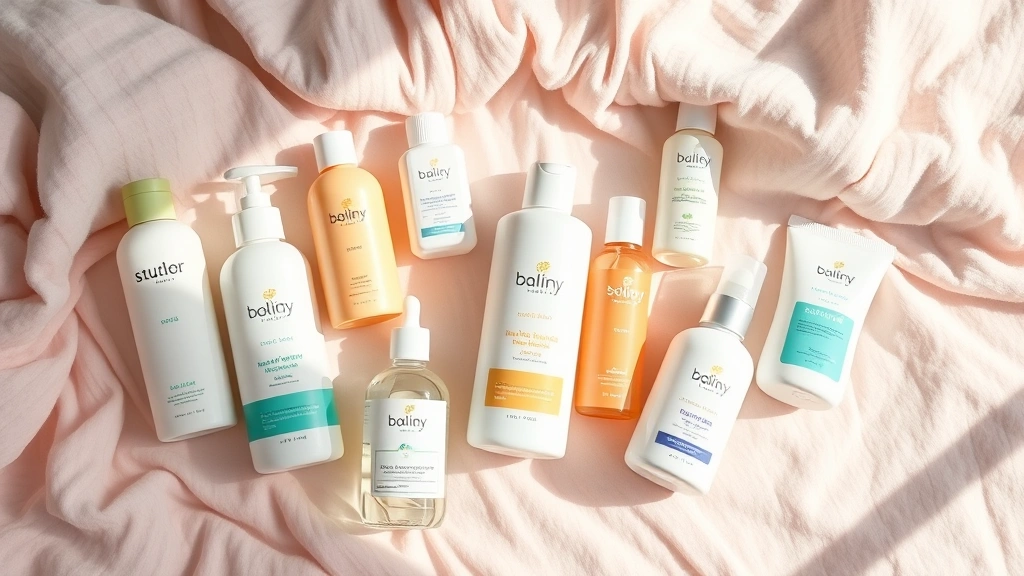
The primary benefit of baby oil gel is straightforward: it moisturizes and protects your baby’s developing skin. Newborn skin is still establishing its natural protective barrier, which means it loses moisture more readily than mature skin. A good moisturizer helps lock in hydration and creates a shield against environmental irritants like harsh weather and dry indoor air.
Parents often turn to baby oil gel for specific skin concerns. If your baby has dry patches, mild cradle cap, or generally flaky skin, this product can help. The moisturizing properties ease discomfort and reduce the appearance of irritation. For babies with eczema-prone skin, a proper moisturizing routine with products like baby oil gel can significantly reduce flare-ups when used consistently.
Another often-overlooked benefit is the gentle massage aspect. Using baby oil gel during a light massage session can be soothing for your baby and help with digestion and circulation. This isn’t just about the product itself—it’s about the skin-to-skin contact and gentle touch, which have documented benefits for infant development and bonding.
Baby oil gel is also practical for diaper area care. While you wouldn’t use it as your primary diaper cream, it can help protect skin that’s become irritated from frequent diaper changes. The protective barrier it creates can prevent further moisture loss in sensitive areas. Many parents also use it on elbows, heels, and other areas prone to dryness.
When comparing moisturizing options, baby oil gel sits between heavier creams and lighter lotions. It’s more substantial than typical baby lotion, making it ideal for dry skin, while being less occlusive than something like baby Aquaphor. This middle ground makes it versatile for various skin types and seasons.
Practical Uses and Applications
The most common use for baby oil gel is post-bath moisturizing. After you’ve gently dried your baby’s skin, apply a small amount to damp skin to lock in moisture. This is when the skin is most receptive to hydration, so timing matters. You’ll typically use just a few drops, warming it between your hands before applying gently across the body.
Many parents use it specifically for dry patches or problem areas. If your baby has eczema or sensitive skin prone to irritation, you might apply it more frequently throughout the day, not just after baths. Some parents find that a quick application during diaper changes helps prevent chafing and irritation, especially during winter months when dry air exacerbates skin issues.
Baby oil gel works well as a massage medium. Pediatricians often recommend infant massage for its developmental benefits, and using a product like baby oil gel makes the experience more comfortable for both parent and baby. The slight slip it provides allows for smooth, gentle strokes without dragging on delicate skin.
For cradle cap—that harmless but frustrating flaking on a newborn’s scalp—baby oil gel can be gently massaged into the area before a bath. The oil helps soften the scales, making them easier to remove with gentle brushing and shampooing. This approach is gentler than many medicated options and works well for mild cases.
Some parents incorporate it into their broader baby skin care routine, using it in combination with other products. For instance, you might use a gentle cleanser during baths, then apply baby oil gel to damp skin, followed by a diaper cream if needed. The layering approach allows you to address multiple skin needs without overloading your baby with too many products.
Safety Considerations
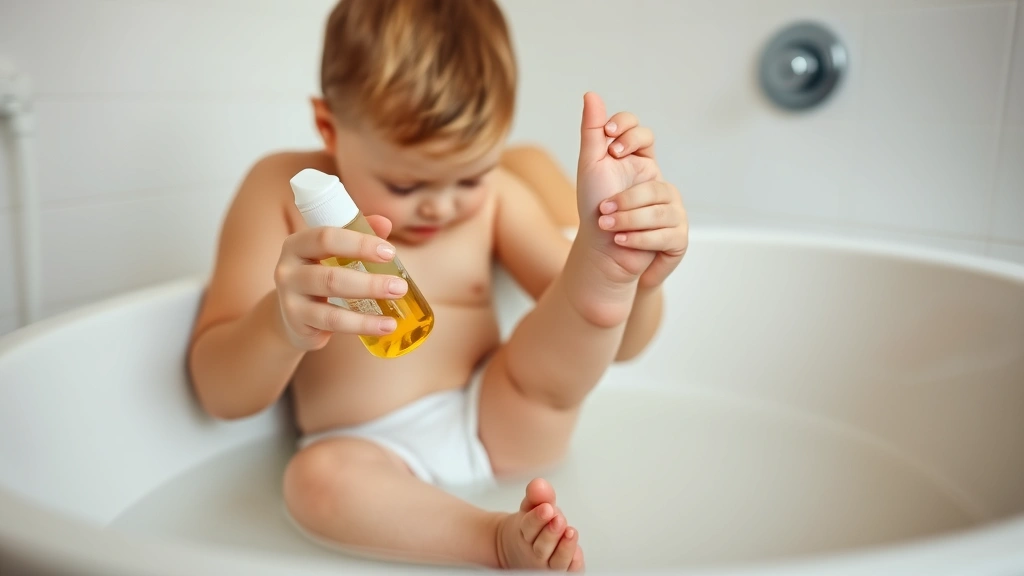
Baby oil gel is generally safe when used as directed, but there are important precautions to understand. First and foremost, never apply it to your baby’s face without specific guidance from your pediatrician. The face has different skin needs than the body, and products meant for the body can sometimes irritate facial skin or get into eyes.
Always check the ingredient list, especially if your baby has known sensitivities or allergies. While baby oil gels are formulated to be hypoallergenic, individual reactions can occur. If you notice redness, rashing, or excessive irritation after using a product, discontinue it and consult your pediatrician. Patch testing on a small area first is a smart approach with any new product.
Be mindful of aspiration risk. You never want to apply baby oil gel anywhere near your baby’s mouth or nose, as inhaling oil particles can pose respiratory risks. Always keep the product away from your baby’s face during application, and wash your hands thoroughly after use.
Storage matters too. Keep baby oil gel in a cool, dry place away from direct sunlight. Check expiration dates regularly, as formulations can degrade over time. Once opened, most products have a shelf life of 12-24 months, depending on the brand. If a product smells off or has changed color, it’s time to replace it.
According to CDC guidelines on infant care, using products specifically formulated for babies is safer than improvising with adult products or household oils. Never use cooking oils, essential oils undiluted, or non-baby-specific products on your infant’s skin, as these can contain irritants or contaminants.
If your baby has extremely sensitive skin, severe eczema, or other dermatological conditions, talk to your pediatrician before introducing baby oil gel. They can recommend products specifically suited to your baby’s condition and monitor for any adverse reactions.
How It Compares to Other Products
Understanding how baby oil gel stacks up against similar products helps you make informed decisions about what’s best for your baby. Baby lotion is typically lighter and less oily than baby oil gel. It absorbs more quickly into the skin and feels less greasy, making it ideal for warmer months or babies who don’t have severely dry skin. However, it’s often less effective for treating persistent dryness or eczema-prone skin.
Baby Aquaphor is a heavier, more occlusive option than baby oil gel. It creates a stronger barrier and is often recommended for severe diaper rash, chapped lips, or extremely dry patches. The trade-off is that it can feel greasy and may stain clothing more readily. Baby oil gel sits between these two options—more moisturizing than lotion, but less heavy than Aquaphor.
Traditional baby oil (pure mineral oil without the gel component) is thinner and more likely to stain clothes and bedding. The gel formulation solves this problem while maintaining the same moisturizing benefits. If you’re choosing between traditional baby oil and baby oil gel, the gel version is usually the more practical choice for everyday use.
When considering baby bath products, remember that baby oil gel isn’t a cleanser—it’s a post-bath moisturizer. You’ll still need a gentle baby wash or soap for bathing. Some parents use oil-based products during the bath itself, but this should only be done with products specifically formulated for bath use, as slipperiness becomes a safety concern.
For diaper area care, baby oil gel can supplement but shouldn’t replace a dedicated diaper cream. Products designed specifically for diaper rash contain zinc oxide or other active ingredients that baby oil gel lacks. However, baby oil gel can be a gentle preventative for mild irritation or as part of a maintenance routine on healthy skin.
Regarding laundry, if you’re using baby oil gel regularly, you might need to adjust your washing routine. Best baby detergent options are formulated to handle the residues from moisturizing products without leaving buildup that could irritate your baby’s skin. Pre-treating oily stains and using appropriate water temperature helps prevent permanent marking.
Application Tips and Best Practices
Less is more when it comes to baby oil gel. A few drops go a long way, and applying too much can leave your baby feeling uncomfortably slick and make laundry more challenging. Start with about a dime-sized amount for the entire body and adjust based on your baby’s skin needs and the season.
Timing is crucial. The ideal time to apply baby oil gel is immediately after a bath when skin is still slightly damp. This damp surface helps the product spread more easily and allows it to seal in moisture from the bath. If you wait until skin is completely dry, the product won’t be as effective.
Always warm the product between your hands before applying it to your baby. Cold product can startle your baby, and warming it makes application smoother and more comfortable. Use gentle, circular motions and pay special attention to areas prone to dryness like elbows, knees, and heels.
During winter months or in dry climates, you might use baby oil gel more frequently. In humid seasons or for babies without significant dryness issues, you might only need it a few times weekly. Listen to your baby’s skin and adjust your routine accordingly.
If your baby has a diaper on, be cautious about applying baby oil gel to the diaper area immediately before diapering, as the occlusive nature of the product combined with the diaper’s moisture can sometimes contribute to irritation. If you’re using it on the diaper area, do so after diaper changes and allow a few minutes for it to absorb slightly before putting on a fresh diaper.
Keep a small travel-sized container in your diaper bag for on-the-go application. Baby skin can get irritated quickly in new environments or when exposed to different water, so having your trusted moisturizer accessible makes managing skin issues easier when you’re away from home.
If you’re introducing baby oil gel to your routine for the first time, do it gradually. Use it on just one or two applications to ensure your baby doesn’t have an adverse reaction. Most babies tolerate it beautifully, but individual sensitivities vary, and slow introduction is always the safest approach.
Frequently Asked Questions
Is baby oil gel safe for newborns?
Yes, baby oil gel is specifically formulated to be safe for newborn skin. However, always check with your pediatrician before introducing any new product, especially if your baby has known sensitivities or skin conditions. Start with small amounts and watch for any signs of irritation. Most newborns tolerate quality baby oil gel without any issues, but individual reactions can occur.
Can I use baby oil gel on my baby’s face?
Generally, it’s not recommended to use body baby oil gel on your baby’s face without pediatrician guidance. Facial skin is more delicate and has different needs than body skin. If you want to moisturize your baby’s face, look for products specifically formulated for facial use, or simply use a gentle, fragrance-free baby lotion designed for the face.
How often should I apply baby oil gel?
The frequency depends on your baby’s skin type and the season. For babies with dry skin or eczema, you might apply it daily after baths and potentially once or twice more during the day. For babies with normal skin, a few times weekly might be sufficient. Adjust based on how your baby’s skin looks and feels.
Will baby oil gel stain clothes?
Baby oil gel is less likely to stain than traditional baby oil due to its gel consistency, but it can still leave marks if applied heavily. Using appropriate amounts and allowing a few minutes for absorption before dressing your baby minimizes staining. If stains do occur, treat them with a stain remover before washing with your regular baby detergent.
What’s the difference between baby oil gel and baby lotion?
Baby oil gel is heavier and more moisturizing than baby lotion, making it better for dry skin and eczema. Baby lotion is lighter, absorbs faster, and feels less greasy, making it suitable for normal skin or warmer months. Baby oil gel has a gel-like consistency while lotion is thinner and pours more easily.
Can I use baby oil gel if my baby has eczema?
Baby oil gel can be beneficial for eczema-prone skin when used as part of a comprehensive skincare routine. However, every baby’s eczema is different, and what works for one might not work for another. Consult your pediatrician or a dermatologist before using any new product on eczema-affected skin, as they might recommend specific formulations suited to your baby’s condition.
Is baby oil gel better than Aquaphor?
Neither is inherently “better”—they serve different purposes. Baby oil gel is lighter and better for general moisturizing, while Aquaphor is heavier and more effective for severe dryness or diaper rash. You might use both products for different situations: baby oil gel for daily moisturizing and Aquaphor for targeted treatment of problem areas.
How long does a bottle of baby oil gel last?
Since you use very small amounts with each application, a standard bottle typically lasts several months for regular daily use. The exact duration depends on your baby’s skin needs, how frequently you apply it, and the size of the bottle. Most parents find it’s a cost-effective product given how long it lasts.
Can I use baby oil gel in the bath water?
This isn’t typically recommended for regular baby oil gel products. The oils can make the tub slippery, creating a safety hazard. Additionally, oil in bath water can leave residue on your baby’s skin and make them harder to bathe safely. Use baby oil gel after the bath as a moisturizer instead.
What should I do if my baby has an allergic reaction to baby oil gel?
If you notice redness, rashing, swelling, or other signs of irritation after using baby oil gel, stop using it immediately and contact your pediatrician. Wash the product off your baby’s skin gently with lukewarm water and a soft cloth. Your doctor might recommend an alternative product or help determine what ingredient caused the reaction.