Is a Baby on Board Sticker Really Necessary? A Practical Parent’s Guide
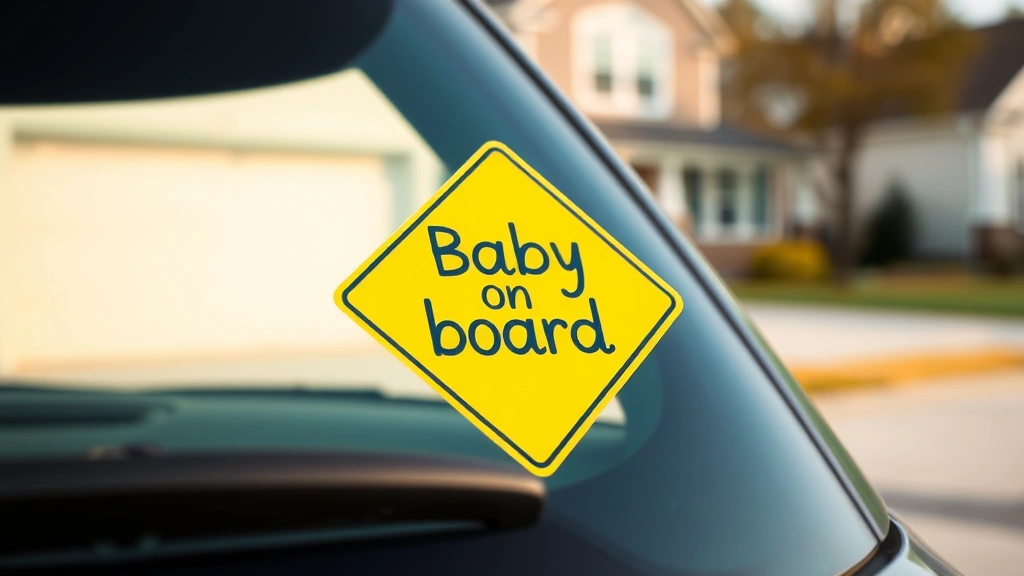
You’ve probably seen them on the highway—those bright yellow diamond-shaped stickers declaring “Baby on Board” with cheerful graphics. They’ve become such a ubiquitous part of car culture that most parents assume they’re either essential safety equipment or a harmless tradition. But here’s the thing: the necessity of a baby on board sticker is way more nuanced than it first appears, and the answer might surprise you.
The truth is, most parents slap one of these stickers on their cars without really thinking about whether it actually does anything. We do it because everyone else does it, or because a well-meaning relative gifted us one at the baby shower. But when you dig into the actual evidence, the safety benefits become decidedly murky. That doesn’t necessarily mean you shouldn’t use one—it just means making an informed decision beats following convention blindly.
Let’s break down what these stickers actually do, what they don’t do, and whether they belong on your car.
The Origin Story Nobody Really Knows
The baby on board sticker phenomenon exploded in the 1980s, but its origins are surprisingly murky. The most popular origin story suggests that a New Jersey woman created the sticker after a tragic accident, hoping that emergency responders would know to prioritize extracting a baby from the wreckage. It’s a touching narrative—the kind that makes you want to buy one immediately.
Here’s the problem: there’s no solid evidence this story is actually true. Multiple people have claimed credit for inventing the sticker, and the narrative has been embellished so many times that separating fact from feel-good fiction is nearly impossible. What we do know is that the stickers became wildly popular as a commercial product in the mid-1980s, and parents embraced them with enthusiasm.
The appeal was obvious: a simple, visible way to communicate that your vehicle contains precious cargo. It felt like a proactive safety measure, even if nobody could quite explain the mechanics of how it worked. And that’s kind of been the sticker’s entire existence—something that feels like it should help, even when the actual benefits remain unclear.
Do Baby on Board Stickers Actually Improve Safety?
This is where things get real. Let’s address the central claim: do these stickers actually make your baby safer on the road? The honest answer is that there’s no substantial scientific evidence proving they do.
Emergency responders—the people these stickers are supposedly meant to alert—have consistently stated that they approach every accident assuming there could be occupants of any age. They don’t need a sticker to tell them to be thorough. Professional rescue personnel are trained to perform complete vehicle searches regardless of external signage. A sticker doesn’t change their protocol or their urgency.
Additionally, if you’re in a serious accident where emergency responders need to extract your baby, the time it takes them to notice and process a sticker is negligible compared to their trained response procedures. They’re not going to move faster or more carefully because of a yellow diamond on your bumper.
Some parents hope the sticker will make other drivers more cautious around their vehicle. The theory goes: if other drivers know there’s a baby in the car, they’ll be more careful and less likely to engage in aggressive driving behaviors. Sounds reasonable in theory, right? In practice, there’s no credible research showing that drivers significantly alter their behavior based on these stickers. Aggressive drivers remain aggressive, and careful drivers remain careful—independent of what’s on your bumper.
That said, the absence of evidence isn’t necessarily evidence of absence. The sticker might provide a psychological benefit to parents, which has its own value. Feeling like you’re taking active steps to protect your child—even if those steps are primarily symbolic—can reduce parental anxiety. And reduced anxiety can actually lead to better decision-making on the road, which is genuinely protective.
The Psychology Behind the Sticker
Here’s something that rarely gets discussed: the psychological value of a baby on board sticker might actually be its strongest feature. Parenthood involves constant, low-level anxiety about your child’s safety. We’re wired to protect our kids, and when we can’t directly control every threat, we look for ways to feel more in control.
A baby on board sticker is a tangible action. You’re doing something. You’re communicating your child’s presence to the world. It’s a small ritual that acknowledges the responsibility you’re carrying. And for many parents, that psychological anchor is genuinely valuable—not because the sticker stops accidents, but because it helps manage the mental load of keeping a tiny human alive.
This is especially true for new parents navigating their first few months with an infant. Essential tips for new dads often include finding ways to channel protective instincts productively, and a sticker is harmless enough.
The psychological component matters because parental stress directly impacts driving behavior. A calmer, more centered parent is likely to make better decisions behind the wheel—drive more defensively, avoid distractions, stay more alert. If a sticker contributes to that mental state, it’s actually providing indirect safety benefits.
Practical Reasons Parents Use Them
Beyond safety and psychology, there are some genuinely practical reasons parents display baby on board stickers:
- Identifying your vehicle: In a crowded parking lot, a distinctive sticker can help you locate your car quickly. This might seem trivial, but frantically searching for your vehicle while holding a baby or managing a toddler is genuinely stressful.
- Social signaling: A baby on board sticker communicates something about your life stage and priorities. Some parents appreciate this visibility; others find it intrusive. Either way, it’s a choice.
- Gift and memento: Many stickers come as gifts from relatives or are purchased as keepsakes from baby boy gifts collections or baby girl gifts selections. They become little mementos of your child’s early years.
- Personalization: Some parents enjoy the customization aspect—choosing stickers that reflect their personality or their baby’s name or birth month adds a personal touch to their vehicle.
These reasons don’t relate to safety, but they’re valid nonetheless. Parenthood is about more than just minimizing risk; it’s also about finding joy, meaning, and connection in small ways.
Better Ways to Protect Your Child in the Car
If your primary concern is actually protecting your baby during car travel, there are evidence-based strategies that genuinely work better than a sticker.
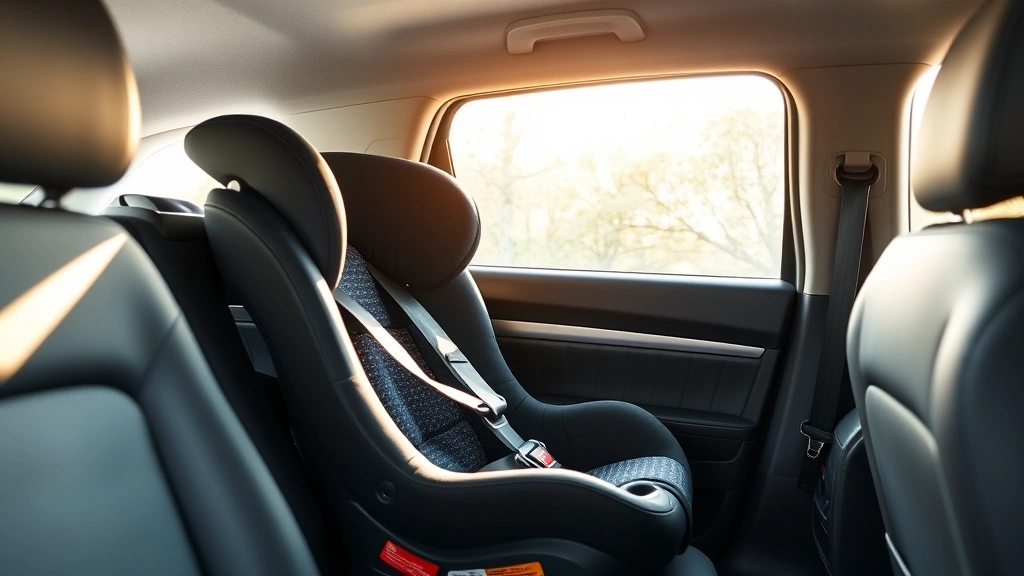
Proper car seat installation: This is non-negotiable. More children are injured or killed due to improper car seat installation than almost any other preventable factor. Invest in a quality baby car seat, read the manual thoroughly, and have it professionally installed if you’re unsure. Many hospitals and fire departments offer free installation checks.
According to the CDC, proper car seat use reduces the risk of death by 71% for infants. That’s real protection.
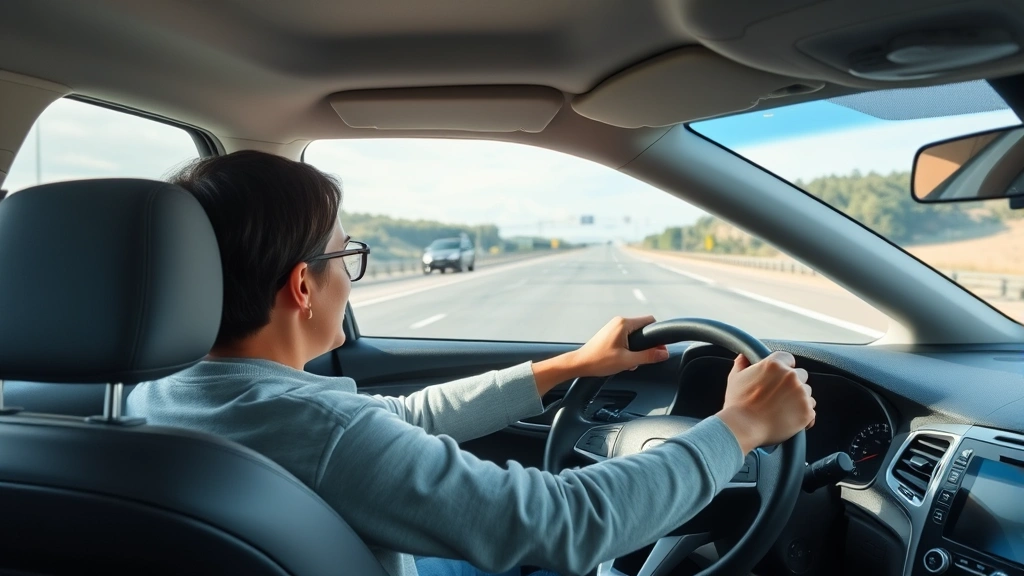
Defensive driving: Your driving behavior matters far more than any sticker. Avoid distractions, don’t drive aggressively, follow speed limits, and stay extra alert during high-risk times (dawn, dusk, bad weather). These habits protect everyone in your vehicle.
Vehicle safety features: Modern cars come with advanced safety technology—backup cameras, collision avoidance systems, lane departure warnings. These features provide measurable protection. When shopping for a family vehicle, prioritize safety ratings and modern safety features.
Regular maintenance: A well-maintained vehicle is a safer vehicle. Ensure your tires have proper tread, brakes are functioning optimally, and lights are working. These basics prevent accidents more effectively than any sticker.
Route planning: When you’re planning best family travel destinations or just driving around town, choose safer routes. Avoid high-traffic areas during peak times when possible, stick to well-lit roads, and drive during daylight hours whenever feasible.
Passenger awareness: Never leave your child unattended in the car, even for a moment. Keep the vehicle locked when parked. These simple practices prevent a range of dangers from abduction to accidental injury.
The American Academy of Pediatrics has comprehensive guidelines on vehicle safety for children, and they don’t mention baby on board stickers. They do emphasize car seat selection, installation, and proper vehicle safety practices. That’s where your energy and resources should focus.
Frequently Asked Questions
Will a baby on board sticker help emergency responders find my baby faster?
No. Emergency responders are trained to approach every accident as if it could contain occupants of any age. They perform systematic searches regardless of external signage. Professional rescue protocols don’t rely on stickers.
Do other drivers actually drive more carefully around cars with baby on board stickers?
There’s no reliable research suggesting they do. While it’s a reasonable theory, aggressive drivers remain aggressive and cautious drivers remain cautious independent of what’s on your bumper. Your own defensive driving is far more protective than relying on stickers to influence other drivers’ behavior.
Is there any harm in using a baby on board sticker?
Not really, unless you use it as a substitute for actual safety measures. The sticker itself won’t hurt anything. The problem arises if parents feel they’ve checked a safety box by displaying a sticker when they should be focusing on proper car seat installation, maintenance, and defensive driving.
What about stickers that alert people my child has special needs or is a flight risk?
These serve a different purpose than traditional baby on board stickers. If your child has autism, is prone to wandering, or has other specific needs, a sticker that communicates this to first responders could genuinely be useful. These stickers provide specific, actionable information rather than generic awareness.
Should I remove the sticker once my child is older?
That’s entirely up to you. Some parents keep them for sentimental reasons. Others remove them. There’s no safety reason to keep or remove them. If you find it clutters your vehicle’s appearance or no longer resonates with your current life stage, removing it is perfectly fine.
Are there baby on board stickers that actually do provide safety benefits?
Standard baby on board stickers don’t. However, some specialty stickers designed for children with special needs or specific medical conditions can provide valuable information to emergency responders. These are more functional than decorative.