Baby Shark Coloring Pages: Creative Fun for Kids
If you’ve got a little one at home, chances are you’ve already heard the iconic “doo doo doo doo” of Baby Shark echoing through your living room at least a thousand times. Whether your child is obsessed with the viral sensation or just discovering it for the first time, Baby Shark coloring pages offer a fantastic way to channel that enthusiasm into a calm, creative activity. It’s one of those rare moments when screen time can transition into screen-free engagement, and honestly? Parents need those wins.
Coloring isn’t just a way to keep kids occupied on a rainy afternoon (though that’s definitely a bonus). It’s a legitimate developmental activity that builds fine motor skills, encourages creativity, and provides a quiet moment for your child to focus and unwind. When you combine that with the infectious charm of Baby Shark, you’ve got an activity that kids actually want to do—without the negotiation battles that often come with other learning activities.
Let’s dive into everything you need to know about Baby Shark coloring pages, from where to find them to why they’re such a valuable tool in your parenting toolkit.
Why Coloring Matters for Child Development
Before we get into the specifics of Baby Shark coloring pages, it’s worth understanding why coloring is such a powerful developmental tool. When your child picks up a crayon or marker, they’re not just making marks on paper—they’re engaging multiple areas of brain development simultaneously.
Fine motor skill development is one of the most obvious benefits. Holding a crayon, controlling pressure, and staying within lines (or deliberately going outside them, which is also developmentally valid) all strengthen the small muscles in your child’s hands and fingers. These same muscles are crucial for writing, eating with utensils, and countless other daily tasks. According to research from the American Academy of Pediatrics, activities that develop hand-eye coordination in early childhood create neural pathways that support academic skills later on.
There’s also the cognitive component. Choosing colors, planning which sections to color first, and making creative decisions all engage problem-solving skills and imagination. When kids color, they’re making hundreds of tiny decisions, which builds confidence and independence. Plus, the repetitive, rhythmic nature of coloring has a calming effect similar to meditation—something many parents recognize when they notice their usually-energetic toddler becoming peacefully focused during a coloring session.
Emotional development gets a boost too. Coloring provides a non-verbal way for children to express themselves, especially helpful for kids who struggle with verbal communication or are processing big feelings. There’s no “right way” to color a picture, which means there’s no failure—just creative expression. That’s invaluable for building a child’s sense of competence and self-worth.
Where to Find Baby Shark Coloring Pages
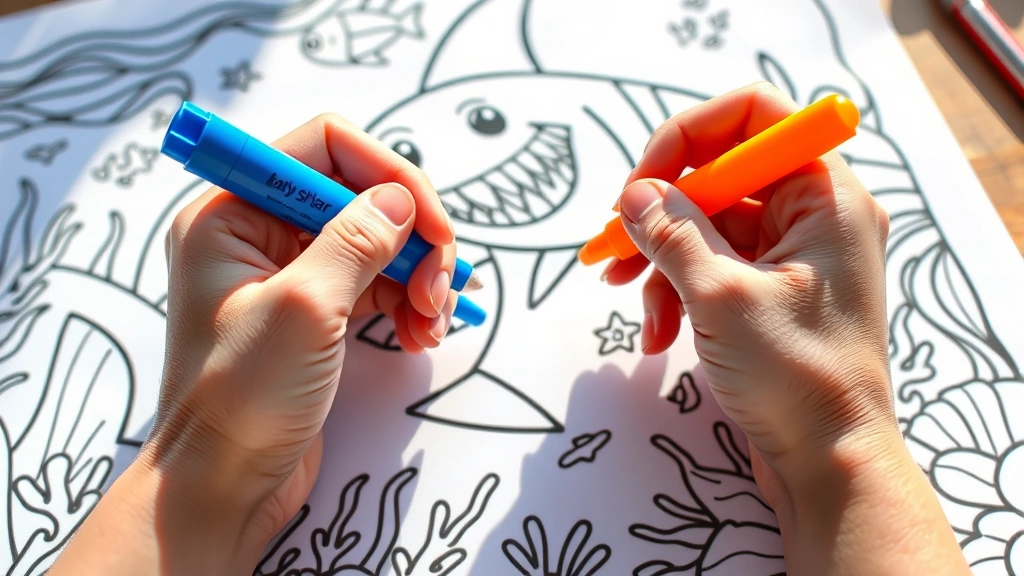
The internet is absolutely flooded with Baby Shark coloring pages, which is both a blessing and a curse. You want quality pages that are actually fun to color, not blurry, low-resolution images that frustrate kids. Here’s where to look:
- Pinterest and Pinterest-adjacent sites: Search “Baby Shark coloring pages” and you’ll find thousands of options. Many link directly to printable PDFs, making the process seamless. The advantage here is that you can preview the image quality before printing.
- Educational websites: Sites dedicated to learning activities often have curated collections of coloring pages organized by age and skill level. These tend to be higher quality and sometimes include additional learning elements.
- YouTube creators: Many family content creators offer free downloadable coloring pages on their websites. Supporting these creators is a nice bonus.
- Etsy and similar platforms: If you want something truly unique, artists on platforms like Etsy offer custom or specialty Baby Shark coloring pages. Some include bonus activities like mazes or connect-the-dots.
- Free printable sites: Websites dedicated to free printables usually have a robust collection of Baby Shark pages in various styles and complexity levels.
When searching for baby coloring pages, you’ll notice that difficulty levels vary widely. Some pages feature simple, bold outlines perfect for toddlers, while others include intricate details suitable for older children or even adults who enjoy coloring as a stress-relief activity. Start with simpler versions for younger kids and gradually introduce more complex designs as their skills develop.
Tips for Maximizing Engagement
Finding the pages is one thing; getting your child genuinely excited about coloring them is another. Here are practical strategies that actually work:
Create a dedicated coloring station. Designate a specific spot with supplies readily available—crayons, markers, colored pencils, and paper. When coloring materials are accessible and organized, kids are more likely to choose this activity independently. Plus, it keeps the mess contained (relatively speaking).
Provide variety in coloring tools. Different tools create different effects and keep the activity fresh. Crayons, markers, gel pens, watercolors, and colored pencils all offer unique experiences. Some children prefer the smooth glide of markers, while others love the control of pencils. Experiment to see what your child gravitates toward.
Make it social. Coloring alongside your child transforms it from a solo activity into quality time together. You don’t need to be artistic—just color your own page while your child works on theirs. Kids love having a parent’s company, and this creates natural conversation opportunities without the pressure of “educational” interaction.
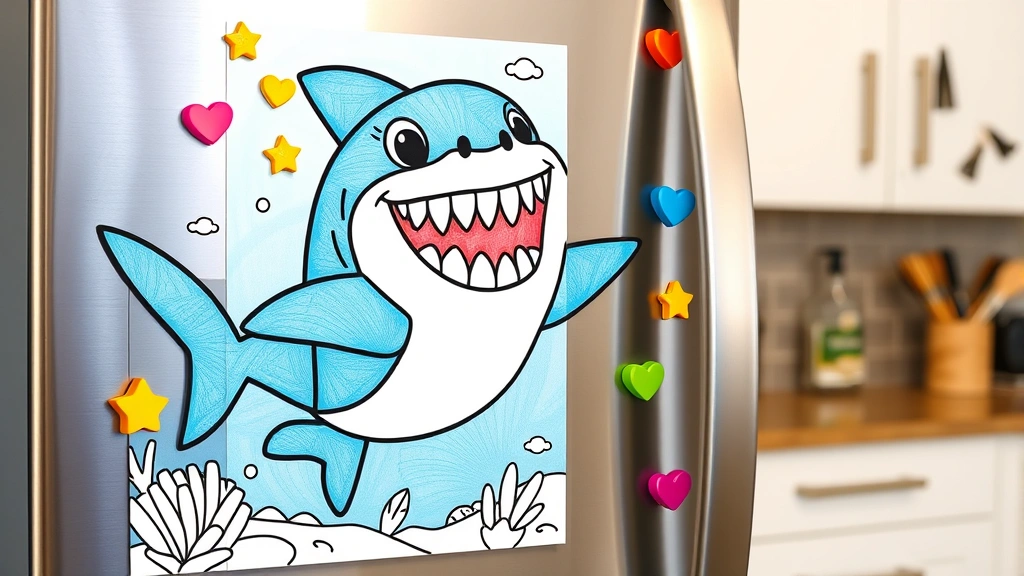
Celebrate the finished product. Display colored pages on the refrigerator, create a portfolio, or take photos for grandparents. When kids see their work valued, they’re motivated to engage in similar activities again. This also reinforces the message that the process matters more than perfection.
Exploring baby drawing activities alongside coloring creates a natural progression where kids move from coloring existing images to creating their own.
Beyond Basic Coloring: Creative Extensions
Once you’ve got coloring established as a regular activity, you can expand it into more complex creative projects. This is where things get really fun.
Combine coloring with storytelling. After coloring a Baby Shark page, ask your child to tell you a story about what’s happening in the picture. “What is Baby Shark doing? Where is Mommy Shark? What adventure are they on?” This bridges coloring with language development and narrative skills.
Create a coloring book. Collect colored pages, hole-punch them, and bind them together with brads or string. Your child now has a custom Baby Shark coloring book they created. This is surprisingly motivating for kids—they’re not just coloring; they’re making something tangible.
Mix mediums. Start with a coloring page outline and add glitter, stickers, or collage elements. This multisensory approach appeals to different learning styles and keeps the activity novel and exciting.
Turn it into a gift. Help your child color pages specifically as gifts for grandparents, siblings, or friends. The knowledge that their work will be appreciated by someone they care about adds meaningful purpose to the activity.
Consider incorporating baby drawing lessons or simple sketching techniques to help kids transition from coloring pre-made pages to creating their own designs. This natural progression builds artistic confidence.
Balancing Screen Time and Traditional Activities
Here’s the honest truth: many parents discover Baby Shark coloring pages because their child has watched the video countless times. There’s nothing wrong with that—the song is catchy, the animation is engaging, and it’s genuinely harmless entertainment. But using coloring pages as a bridge away from excessive screen time is a smart parenting move.
The CDC recommends that children ages 2 to 5 have consistent limits on screen time, with emphasis on high-quality programming watched together with parents when possible. By offering Baby Shark coloring pages as an alternative activity, you’re meeting your child where their interests are while providing a screen-free option that’s equally engaging.
One effective strategy is creating a visual schedule showing different activities throughout the day. Include a Baby Shark coloring time block right after a screen-time block. Kids often accept transitions more readily when they know something they enjoy is coming next. “We watched Baby Shark on the tablet, and now we’re going to color Baby Shark pictures.” It feels like a natural extension rather than a punishment or substitute.
Combining coloring with baby activities creates a well-rounded routine that includes physical play, creative time, and quiet focus—all essential components of healthy child development.
If your child is particularly obsessed with Baby Shark (and let’s be real, many are), you might also explore baby shark toys that encourage active, imaginative play. This variety prevents any single activity from becoming the default go-to when boredom strikes.
Parents Magazine offers excellent guidance on age-appropriate screen time and complementary offline activities that support healthy development. Their research-backed recommendations help families create balanced routines that work for their specific situation.
Frequently Asked Questions
What age is best for Baby Shark coloring pages?
Toddlers as young as 18 months can enjoy simple coloring with adult guidance, though they’ll likely be more interested in scribbling than staying in lines. Ages 2-3 benefit from larger, bolder outlines and thick crayons designed for their hand size. By age 4-5, most children can handle more detailed pages with finer lines. There’s no strict cutoff—follow your child’s interest and fine motor development rather than age alone.
Are coloring pages better than blank paper for creativity?
Both serve different purposes. Blank paper encourages pure creative expression without constraints, while coloring pages provide structure and a specific focus. For younger children who find blank pages overwhelming, coloring pages offer a confidence-building entry point. As skills develop, alternating between both types supports well-rounded creative growth. Neither is inherently “better”—they’re complementary tools.
How do I prevent coloring from becoming screen-dependent?
Print multiple copies and keep them readily accessible in a dedicated spot. When coloring supplies are as convenient as a tablet, kids will often choose the physical activity. Set specific times for screen-based activities and other times when screens aren’t available. Make coloring a social activity by doing it together. The key is making the offline option equally appealing and accessible.
What if my child won’t stay in the lines?
That’s completely developmentally normal, especially for children under 5. The ability to control a writing tool with precision takes years to develop. Instead of correcting, focus on celebrating the effort and color choices. As fine motor skills improve, staying in lines becomes easier naturally. Some children are developmentally ready earlier than others—this isn’t a reflection of intelligence or ability.
Can I use Baby Shark coloring pages for learning?
Absolutely. You can use them to teach colors (“Can you find something blue like the ocean?”), counting (“How many fish do you see?”), and even simple letters or numbers if you add them to the design. You can also use them as conversation starters about ocean animals, families, and emotions. The key is keeping it playful rather than turning coloring into a formal lesson.
Where do I store finished coloring pages?
Create a portfolio using a simple folder or binder. Take photos of particularly special ones to share digitally with family. Some parents create an annual “coloring book” as a keepsake. Others display rotating selections on the refrigerator, changing them weekly. The storage method matters less than the message it sends: “Your creative work is valued and worth keeping.”
Incorporating baby books that feature Baby Shark characters can complement your coloring activity collection, creating a multi-sensory engagement with characters your child loves.
Baby Shark coloring pages represent something larger than just a cute activity with a catchy character. They’re a bridge between your child’s interests and their developmental needs, a tool for building confidence and skills, and a vehicle for quality time together. Whether your child is a casual fan or a devoted Baby Shark enthusiast, these pages offer genuine value in your parenting toolkit. So grab some crayons, print out a few pages, and dive into some creative fun—your little one will thank you with their focused attention and pride in their finished work.