Why Baby Snoopy Is a Timeless Icon
There’s something almost magical about the way certain characters transcend generations. They arrive in our lives as simple drawings or plush toys, yet somehow they become woven into our family memories, our nurseries, and our hearts. Baby Snoopy is precisely that kind of character—a figure so enduring that grandparents who grew up with Peanuts now introduce their grandchildren to the same lovable beagle.
What makes Baby Snoopy remarkable isn’t just nostalgia, though that certainly plays a role. It’s the character’s genuine appeal to young children combined with an underlying charm that resonates with adults who appreciate good design and storytelling. Whether it’s the floppy ears, the innocent expression, or the way Baby Snoopy embodies friendship and imagination, this character has earned its place in the pantheon of beloved childhood icons.
Understanding why Baby Snoopy matters to families today requires looking at both the character’s rich history and what it represents in modern parenting. This exploration reveals insights about childhood development, emotional connection, and the power of timeless design.
The Origin Story: How Baby Snoopy Came to Be
Charles M. Schulz created Peanuts in 1950, introducing readers to a cast of characters that would eventually become household names. Snoopy, the beloved beagle, first appeared in the comic strip just two days after its debut. However, Baby Snoopy—the younger, more innocent version of the character that captures hearts in nurseries and on children’s clothing—developed over time as Schulz’s artistic vision evolved.
The genius of Schulz’s character design was that Snoopy could be many things simultaneously: a loyal companion, a dreamer, an adventurer, and ultimately, a reflection of the childlike wonder that exists within all of us. When Baby Snoopy emerged as a distinct visual concept, it carried all of these qualities but distilled them into a form that spoke directly to infants and toddlers. The proportions changed—larger eyes, rounder features, a more vulnerable posture—yet the character remained unmistakably Snoopy.
What’s particularly fascinating is how Baby Snoopy became a cultural phenomenon without necessarily being the focus of Schulz’s original vision. Instead, it emerged through licensing deals, merchandise adaptation, and the collective imagination of parents and designers who recognized that this character could speak to the youngest audience members. Today, Baby Snoopy appears on everything from crib bedding to soft toys to nursery wall art, each iteration maintaining the core elements that make the character instantly recognizable.
Design That Speaks to Children’s Hearts
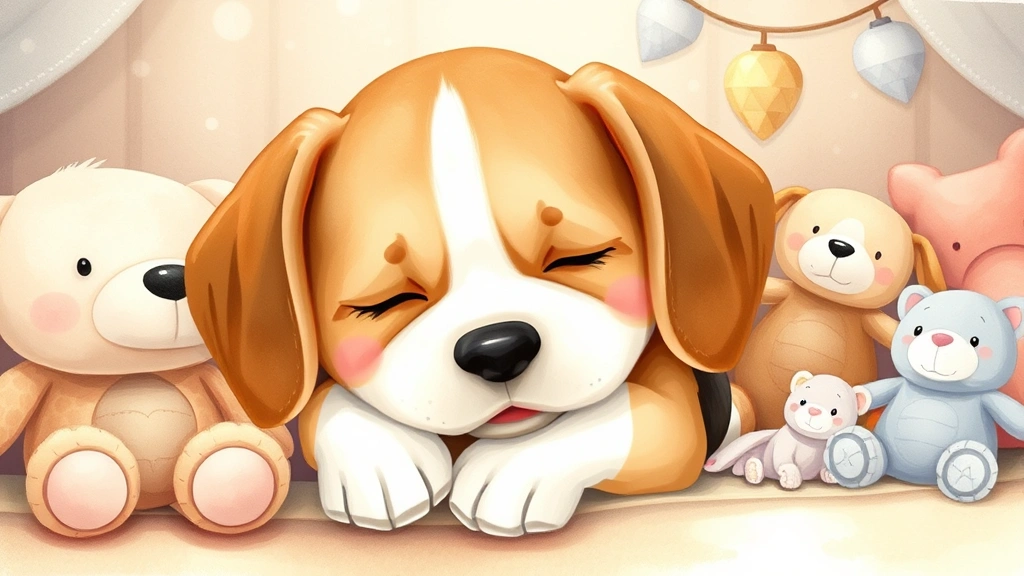
There’s genuine psychology behind why Baby Snoopy works so well for young children. The character’s design incorporates principles that developmental psychologists have long understood about infant preferences. Babies naturally respond to certain visual elements: large eyes, soft curves, and high contrast. Baby Snoopy checks all these boxes.
The character’s proportions follow what designers call “baby-like” features—a phenomenon observed across successful children’s characters. The oversized head relative to body size, the prominent eyes, and the gentle expression trigger nurturing responses in caregivers while simultaneously feeling approachable and non-threatening to children. This isn’t accidental; it’s the result of thoughtful design that understands developmental psychology.
The color palette associated with Baby Snoopy also matters significantly. The simple black-and-white contrast is visually stimulating for developing eyes while remaining calming and not overstimulating. When colors are added—soft pastels, warm yellows, gentle blues—they maintain an aesthetic that feels soothing rather than jarring. This is why Baby Snoopy merchandise works so well in nurseries; it provides visual interest without creating sensory overload.
Consider how the character’s expression communicates emotion. Baby Snoopy’s face typically conveys contentment, curiosity, or gentle playfulness. There’s rarely aggression or complexity in the expression. For young children who are still learning to interpret facial expressions, this clarity is invaluable. The character becomes a visual anchor point for understanding positive emotions and friendly interaction.
The Role of Familiar Characters in Early Development
Attachment theory, developed by psychologist John Bowlby and expanded by Mary Ainsworth, explains how children form emotional bonds. While these bonds primarily form with caregivers, transitional objects and familiar characters play important supporting roles in healthy development. Baby Snoopy often serves as what psychologists call a “transitional object”—something that helps children navigate the world with greater confidence and security.
When a child encounters Baby Snoopy repeatedly—on their bedding, in picture books, as a plush toy—the character becomes familiar. This familiarity is profoundly comforting. In a world where everything is new and often overwhelming, familiar characters provide psychological anchors. They become touchstones that help children feel less alone and more understood.
Research from the American Academy of Pediatrics emphasizes the importance of repetition and predictability in early childhood. Children thrive when they encounter consistent, predictable elements in their environment. A beloved character like Baby Snoopy that appears in multiple contexts—books, toys, clothing, décor—provides this valuable consistency.
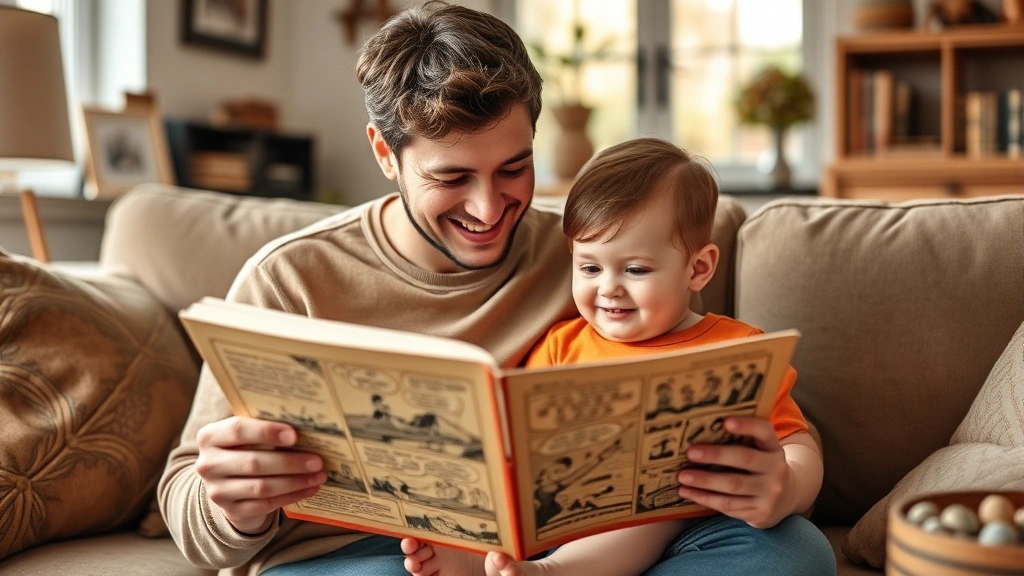
Moreover, familiar characters can serve as bridges to literacy. When children see Baby Snoopy in books, they begin associating the character with reading experiences. This positive connection can foster a lifelong love of reading. Many parents find that introducing their children to baby books featuring familiar characters increases engagement and makes storytime more enjoyable for everyone involved.
Baby Snoopy in Modern Parenting
Today’s parents face unprecedented choices when it comes to nursery décor, toys, and children’s media. The sheer volume of options can feel overwhelming. In this landscape, Baby Snoopy offers something increasingly rare: a character that feels both timeless and contemporary, that appeals to parents’ own nostalgia while remaining genuinely appealing to their children.
Modern parents often seek products that align with their values. They want items that are well-designed, that have longevity, and that won’t feel dated in a few years. Baby Snoopy checks these boxes. A parent who grew up with Peanuts can introduce their child to the same character without feeling like they’re imposing an outdated reference. Instead, it feels like sharing something precious across generations.
The versatility of Baby Snoopy merchandise also appeals to contemporary parents. Whether you’re looking for baby shower gift ideas, nursery décor, or clothing, Baby Snoopy options abound. This availability means that parents can easily incorporate the character into their child’s environment without extensive searching or compromise. The character works equally well in minimalist modern nurseries and in more traditionally decorated spaces.
Additionally, Baby Snoopy represents a gentler alternative to some contemporary children’s characters. In an era of screen time concerns and overstimulation, many parents appreciate characters that evoke a simpler, quieter aesthetic. Baby Snoopy’s gentle nature and association with classic storytelling appeal to parents seeking balance in their children’s media and toy consumption.
For parents shopping for specific needs, whether it’s baby boy gifts or baby girl gifts, Baby Snoopy merchandise offers gender-neutral appeal. The character doesn’t feel inherently masculine or feminine, which resonates with parents who prefer toys and décor that transcend traditional gender categories.
Creating Lasting Memories Through Iconic Characters
One of parenting’s greatest gifts is the ability to create meaningful memories with our children. These memories often center around simple, repeated experiences—bedtime stories, nursery decorations, beloved toys. Baby Snoopy frequently becomes woven into these memory-making moments.
Consider the parent who reads their child a Peanuts collection before bed, or the toddler who carries a Baby Snoopy plush toy everywhere, or the child who plays with baby doll accessories themed around their favorite character. These small, repeated interactions create emotional resonance. Years later, that child might feel a warm rush of nostalgia encountering Baby Snoopy imagery, instantly transported back to their early childhood.
This is the real power of timeless characters. They become more than entertainment or decoration; they become part of the family’s story. They’re the character that was in the nursery, that appeared in favorite books, that was a comfort object during difficult moments. Baby Snoopy often occupies this special place in families’ hearts.
Parents also appreciate how these characters facilitate connection. A parent and child discussing Baby Snoopy’s latest adventure, or playing with Baby Snoopy toys together, or simply enjoying the character’s presence in their shared environment, creates bonding opportunities. These interactions, though they might seem small in the moment, accumulate into the foundation of secure attachment and positive relationship.
The Cultural Impact Across Decades
The longevity of Baby Snoopy as a cultural icon is remarkable. The character has successfully navigated multiple generations of childhood trends, design movements, and media shifts. This durability reveals something important about what resonates with families across time.
In the 1960s and 70s, Snoopy merchandise exploded in popularity, with Baby Snoopy becoming a staple in nurseries and on children’s clothing. The character felt modern and fresh while maintaining connection to the beloved comic strip. In the 1980s and 90s, as design trends shifted, Baby Snoopy adapted without losing its essential character. The same occurred in the 2000s as digital design influences emerged.
What’s particularly interesting is how Baby Snoopy has maintained relevance despite massive shifts in children’s media. When television became ubiquitous, Baby Snoopy remained relevant. As digital media exploded, the character persisted. This isn’t because Baby Snoopy is immune to trends, but rather because the character taps into something fundamental about childhood that transcends any particular era.
According to resources from Parents Magazine, timeless children’s characters share certain qualities: emotional authenticity, visual clarity, and the ability to represent universal childhood experiences. Baby Snoopy embodies all three. The character’s gentle nature, simple yet expressive design, and representation of friendship and imagination resonate regardless of the decade.
The character has also successfully maintained cultural relevance through thoughtful licensing and adaptation. Companies producing Baby Snoopy products generally maintain high design standards and stay true to the character’s essence. This consistency means that a Baby Snoopy product from thirty years ago and one produced today both feel authentically “Snoopy,” even as aesthetics evolve.
Furthermore, Baby Snoopy has transcended purely commercial success to become part of cultural conversation. The character appears in nostalgic discussions, in parenting blogs, in design retrospectives. This cultural presence—beyond mere toy sales or merchandise—indicates genuine significance. Baby Snoopy matters to people not just as consumers but as individuals reflecting on their own childhoods and their desires for their children’s futures.
Frequently Asked Questions
Why is Baby Snoopy so popular with parents?
Baby Snoopy combines several appealing qualities: strong design principles that appeal to young children, nostalgic value for adult parents, versatility across merchandise and décor, and genuine cultural longevity. Parents appreciate that the character feels both timeless and contemporary, making it a safe choice for creating nurseries and selecting gifts.
At what age do children start appreciating Baby Snoopy?
Infants as young as a few months old respond positively to Baby Snoopy’s design elements—the high contrast, large eyes, and soft curves. Toddlers (12-36 months) can engage more actively with Baby Snoopy through toys and books. Preschoolers develop deeper connections through storytelling and imaginative play involving the character.
Is Baby Snoopy merchandise good quality?
Quality varies depending on the manufacturer and product type. Official Peanuts merchandise from reputable companies generally maintains high standards. When selecting Baby Snoopy products, it’s wise to check reviews, examine construction quality, and ensure products meet current safety standards, particularly for items intended for very young children.
How can I incorporate Baby Snoopy into my nursery without making it feel dated?
Choose pieces that feel design-forward rather than overly themed. A single piece of quality Baby Snoopy art, well-chosen bedding, or a tasteful plush toy can feel modern and timeless. Avoid overwhelming the space with character-themed items; instead, use Baby Snoopy as an accent element alongside neutral décor. This approach maintains aesthetic sophistication while honoring the character.
What makes Baby Snoopy different from other children’s characters?
Baby Snoopy’s combination of simplicity, emotional authenticity, and cultural longevity distinguishes it from many contemporary characters. The character doesn’t rely on complexity, aggression, or overstimulation. Instead, Baby Snoopy represents gentle companionship, making the character suitable across contexts and appealing to parents seeking a less intense aesthetic for their children’s environments.
Can Baby Snoopy help with childhood anxiety or transitions?
Yes, familiar characters can serve as comforting transitional objects. A child experiencing anxiety about a new situation might feel more secure with a Baby Snoopy toy or familiar item. The character’s gentle, friendly nature and familiarity can provide psychological comfort. However, this should complement, not replace, appropriate parental support and professional guidance when needed.
Where can I find quality Baby Snoopy products for my child?
Official Peanuts retailers, major department stores, children’s specialty shops, and online retailers typically carry Baby Snoopy merchandise. Look for products from established manufacturers with good reputations for quality and safety. Reading reviews and checking product specifications ensures you’re purchasing items appropriate for your child’s age and your family’s needs.