What Are Baby Termites? A Beginner’s Guide
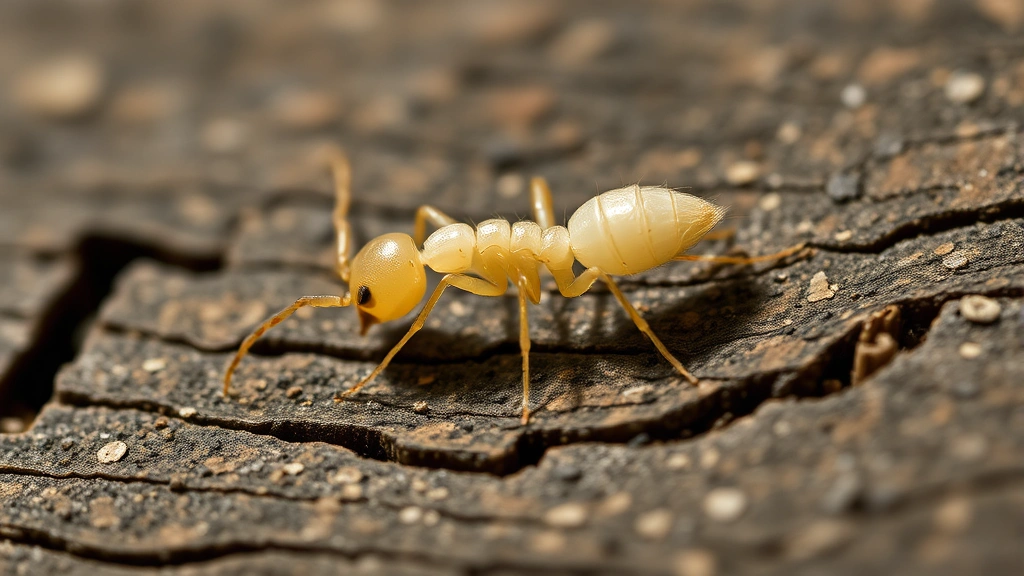
If you’ve noticed tiny white or cream-colored insects crawling through your home, you might be wondering what they are. The answer could be unsettling: baby termites, also known as nymphs. These juvenile termites are often the first sign of a termite infestation, and understanding what they are can help you protect your family and home from costly damage.
Unlike some household pests that are merely annoying, baby termites represent a genuine threat to your property’s structural integrity. They’re silent destroyers that work 24/7, consuming wood and cellulose materials. The sooner you identify them, the sooner you can take action to prevent a full-blown infestation from wreaking havoc on your living space.
This guide will walk you through everything you need to know about baby termites—from their appearance and behavior to how they differ from other common household pests. We’ll also cover practical steps you can take to identify them and protect your home before they cause significant damage.
What Are Baby Termites?
Baby termites are the juvenile stage of termite development, technically called nymphs. These young insects hatch from eggs laid by the termite queen and spend several months or even years in this developmental stage before reaching adulthood. During this time, they’re actively feeding on wood and other cellulose materials, which means they’re causing damage even at this early stage.
The key thing to understand is that baby termites are just as destructive as adult termites—they’re simply smaller and less visible. A colony can contain thousands or even millions of these nymphs, all working together to consume the structural elements of your home. They’re not solitary creatures; they operate as part of a highly organized social structure with different castes performing different roles.
Baby termites don’t have wings, which distinguishes them from their winged adult counterparts called alates. This wingless characteristic makes them harder to spot, which is precisely why they’re so dangerous. Homeowners often discover an infestation only after significant damage has already occurred.
How to Identify Baby Termites
Identifying baby termites requires knowing what to look for. These insects are remarkably small—typically only a few millimeters long—and they’re often mistaken for other household pests. If you’re concerned about baby roaches or baby bed bugs, understanding the differences is crucial for proper identification and treatment.
Baby termites are typically creamy white or pale in color, though some species have a slightly yellowish tint. They have soft bodies without the hard exoskeleton of adult termites. Their bodies are elongated and relatively uniform in width, lacking the pinched waist that baby cockroaches possess. You’ll notice they move in organized trails rather than scattering randomly like other insects.
The antennae of baby termites are straight and bead-like, another distinguishing feature. Their eyes are either absent or extremely underdeveloped, which explains why they’re so sensitive to light. If you spot them in daylight, they’re likely fleeing from their normal underground or wood-dwelling habitat. You might also notice a faint musty odor in areas where they’re present, which is actually the scent marking they use to communicate with their colony.
When examining potential infestations, look for mud tubes—these are pencil-thin tunnels that baby termites construct to travel safely between their nest and food sources. These tubes protect them from light and help maintain the humidity they need to survive. Finding mud tubes is often a more reliable indicator of infestation than spotting the insects themselves.
Understanding the Termite Life Cycle
To truly understand baby termites, you need to grasp the complete termite life cycle. It all begins with the queen, who can lay thousands of eggs daily. These eggs hatch into nymphs—the baby termites we’re discussing—within just a few days to a couple of weeks, depending on temperature and humidity conditions.
The nymph stage is where baby termites spend the majority of their lives. During this period, they undergo multiple molts, shedding their exoskeleton as they grow. Each molt brings them closer to their final caste designation: worker, soldier, or reproductive (alate). Most baby termites will develop into workers, which are the individuals responsible for the wood-eating damage that concerns homeowners.
The worker caste is the largest group in any termite colony, and these are the insects doing the actual damage to your home. They’re the ones with the powerful mandibles designed to chew through wood. Soldier termites, which develop from a smaller percentage of nymphs, have enlarged heads and jaws but don’t actually feed—their role is purely defensive.
A small percentage of nymphs develop into alates, which are winged reproductives. These are the termites you might see swarming around lights during certain times of year. If a pair successfully mates and finds suitable conditions, they can establish an entirely new colony. This is why seeing even a few winged termites is cause for concern.
Baby Termites vs. Other Household Pests
Distinguishing baby termites from similar-looking household pests is essential for proper identification and treatment. Many homeowners confuse them with baby roaches, but there are clear differences if you know where to look.
Baby Termites vs. Baby Roaches: While both are small and pale, baby roaches have a more distinct body shape with a noticeable pinched waist. Their antennae are longer and more prominent than termite antennae. Baby roaches also move more erratically, whereas termites move in organized patterns. Additionally, baby roaches have visible eyes, while baby termites have essentially no functional vision.
Baby Termites vs. Ants: Baby termites might superficially resemble ant larvae, but termites have straight antennae while ants have bent or elbowed antennae. Termites also have a more uniform body width, whereas ants typically have a narrower waist. If you see them in organized trails, termites move more deliberately than ants.
Baby Termites vs. Other Wood-Boring Insects: Carpenter ants and wood-boring beetles also damage wood, but they leave different signs. Carpenter ants create galleries with smooth walls, while termites leave galleries packed with mud or frass (termite droppings). Beetle larvae are typically C-shaped and much larger than termite nymphs.
The most reliable way to distinguish baby termites is to observe their behavior and environment. Termites prefer darkness and moisture, so finding them in mud tubes or inside wood is a strong indicator. If you’re still uncertain, professional pest control inspectors can identify them with certainty using magnification and expertise.
Signs of a Baby Termite Infestation
Detecting a baby termite infestation early can save you thousands in repair costs. Here are the key signs to watch for:
- Mud Tubes: These pencil-thin tunnels running along foundation walls or wooden structures are constructed by termites to maintain moisture and protection. This is often the first visible sign of infestation.
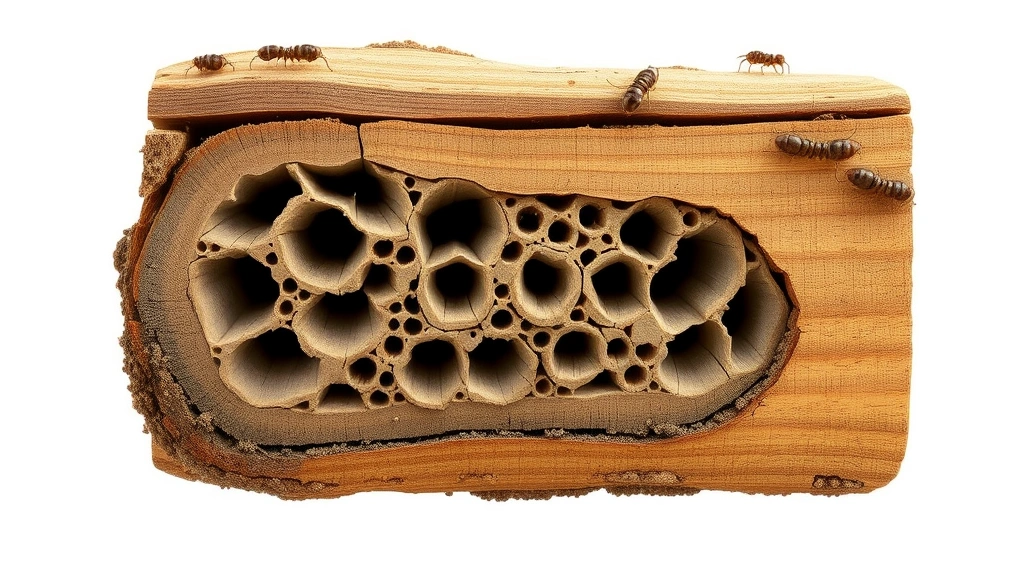
- Wood Damage: Termites hollow out wood from the inside, leaving a thin outer shell. If you tap on wood and it sounds hollow, that’s concerning. Look for wood that appears blistered or has a honeycomb-like appearance when broken open.
- Frass (Termite Droppings): Baby termites produce tiny, pellet-like droppings that accumulate near their feeding areas. These look like fine sawdust but are darker and more uniform in size.
- Discarded Wings: When alates (winged termites) swarm, they shed their wings after finding a mate. Piles of discarded wings near lights or windows indicate reproductive termites have been active.
- Moisture Damage: Termites thrive in moist environments. Unexplained water stains, soft drywall, or peeling paint can indicate both moisture problems and potential termite activity.
- Visible Insects: Spotting actual baby termites, especially in daylight, suggests a significant infestation since these light-sensitive insects usually remain hidden.
Regular home inspections, particularly in basements, crawl spaces, and attics, are your best defense. Many homeowners don’t notice problems until damage becomes severe, so vigilance is key.
Prevention and Protection Strategies
Preventing a baby termite infestation is far easier and more cost-effective than dealing with one after it’s established. Here are practical strategies to protect your home:
Eliminate Moisture Sources: Baby termites need moisture to survive. Fix leaky pipes, ensure proper drainage around your foundation, and maintain gutters. Use dehumidifiers in basements and crawl spaces to keep humidity levels below 60 percent. This single step eliminates the ideal conditions termites seek.
Remove Wood-to-Soil Contact: Termites gain access to your home through direct contact between wood and soil. Ensure at least six inches of clearance between your foundation and any wooden structures. Keep mulch and landscaping materials away from your home’s exterior.
Seal Entry Points: Caulk cracks and crevices in your foundation, around pipes, and where utilities enter your home. Even tiny gaps can serve as highways for baby termites seeking food sources.
Store Wood Properly: If you have firewood, lumber, or other wood materials, store them away from your home and off the ground. Baby termites will colonize stored wood, and proximity to your house makes infestation more likely.
Regular Inspections: Schedule annual professional termite inspections, particularly if you live in a region with high termite activity. Early detection can prevent catastrophic damage.
Maintain Your Home: Keep your home well-maintained by repairing damaged wood, fixing water damage promptly, and maintaining proper ventilation. A well-maintained home is less attractive to termite colonies.
While these preventive measures are valuable, professional pest control treatments provide the most reliable long-term protection. Liquid barriers, bait systems, and wood treatments can create protective zones that baby termites cannot cross.
When to Call the Professionals
Knowing when to involve professional pest control is crucial. While minor preventive measures can be DIY projects, actual termite infestations require expert intervention. According to the American Academy of Pediatrics, pest control treatments should be handled with care when children are present in the home.
You should call a professional pest control company if you:
- Find mud tubes on your foundation or walls
- Discover wood that sounds hollow when tapped
- See visible termites or swarms of winged insects
- Notice unexplained wood damage or structural issues
- Smell a musty odor in your home without an obvious source
Professional termite inspectors have specialized equipment and training to detect baby termite infestations that might escape your notice. They can identify the specific termite species, assess the extent of infestation, and recommend appropriate treatment options. Common professional treatments include liquid barrier systems, bait stations, and fumigation for severe cases.
The cost of professional treatment is typically far less than the repair costs resulting from untreated infestations. A single colony can cause tens of thousands of dollars in damage if left unchecked, so early professional intervention is a worthwhile investment.
When selecting a pest control company, choose one licensed by your state and certified by recognized organizations. Ask for references, get written estimates, and understand the warranty on their work. Reputable companies will provide follow-up inspections to ensure treatment effectiveness.
Frequently Asked Questions
How do I know if I have baby termites or just regular termites?
Baby termites (nymphs) are smaller and lack wings, while adult termites may be winged (alates) or wingless workers and soldiers. However, the distinction doesn’t really matter for treatment purposes—any termite activity indicates infestation. Both baby and adult termites cause damage and require professional intervention. The presence of either suggests you have a full colony, which includes both juvenile and mature termites.
Can baby termites survive outside the colony?
Baby termites cannot survive long outside the colony. They depend on the queen for reproduction, workers for food gathering and care, and soldiers for protection. Additionally, they require the specific humidity and temperature conditions maintained within the colony. This is why they stay in organized groups and create protective mud tubes when traveling.
How quickly do baby termites cause damage?
Baby termites cause damage immediately upon hatching. A single termite can consume its body weight in wood daily. With thousands or millions in a colony, the cumulative damage is substantial. Research from the CDC indicates that termite damage can become structurally significant within just a few years if left untreated.
Are baby termites visible to the naked eye?
Yes, baby termites are visible without magnification, though they’re small (typically 2-5 millimeters). However, they’re rarely seen because they avoid light and typically remain within their colonies or protected mud tubes. Spotting them in daylight usually indicates a serious infestation.
What’s the difference between baby termites and baby ants?
Baby ants (larvae) are C-shaped and typically found in ant nests, not within wood. Baby termites are more linear in shape and found within wood or mud tubes. Adult ants have elbowed antennae, while termites have straight antennae. Additionally, termites are wood-eaters while ants are general scavengers.
How long does it take for baby termites to become adults?
The development time varies by species and environmental conditions, but typically ranges from several months to a few years. During this entire period, baby termites are actively feeding and causing damage. This extended development time means infestations can grow substantially before becoming obvious.
Can I treat a baby termite infestation myself?
While over-the-counter termite treatments exist, they’re generally ineffective against established infestations. Baby termites are protected within colonies that extend underground or deep within wood structures. Professional treatments use specialized equipment and access to commercial-grade products not available to consumers. DIY attempts often fail, wasting time and money while damage continues.
What should I do if I find baby termites?
First, don’t panic. Document what you’ve found with photos if possible. Note the location and date. Then contact a professional pest control company for inspection and treatment. Avoid disturbing the area where you found termites, as this can scatter the colony and make professional treatment more difficult. For families with young children, discuss educational resources and informative books about pest identification to help everyone recognize potential problems early.
Are certain home materials more attractive to baby termites?
Yes. Softwoods like pine and fir are more vulnerable than hardwoods. Untreated wood is far more attractive than treated lumber. Cellulose materials like paper, cardboard, and insulation are also targets. This is why storing these materials away from your home and maintaining proper ventilation is crucial.