What Are Baby Termites? An Expert Guide for Concerned Parents
Discovering tiny insects in your home can send any parent into immediate worry mode. If you’ve spotted what you think might be baby termites, you’re not alone—and your concern is absolutely justified. These little creatures might seem harmless at first glance, but understanding what they are and how to identify them is crucial for protecting your family’s home and health.
Baby termites, scientifically known as nymphs, are the juvenile stage of termite colonies. Unlike adult termites that you might occasionally spot, these younger versions are often overlooked, which makes them particularly dangerous. They’re smaller, less visible, and yet just as capable of causing structural damage to your property. The challenge for most homeowners is that they don’t know what to look for or how serious an infestation might be.
This comprehensive guide will walk you through everything you need to know about baby termites—from identification to prevention strategies—so you can take action before a minor problem becomes a major headache.
What Exactly Are Baby Termites?
Baby termites are the juvenile form of termite insects, and they’re fundamentally different from the adults you might encounter. These nymphs haven’t yet developed wings or reached their full size, making them harder to identify without proper knowledge. Think of them as the larvae and young adolescents of the termite world—they’re still developing, but they’re already working.
The key distinction is that baby termites are just as hungry and just as destructive as their adult counterparts. They’re born into a colony with a single purpose: consume cellulose. Whether it’s the wooden structure of your home, paper products, or cardboard boxes in your basement, they don’t discriminate. A single baby termite might seem insignificant, but in a colony that can contain thousands or even millions of individuals, their collective impact is devastating.
Unlike baby roaches which are independent from birth, termite nymphs are part of a highly organized social structure. They work collectively under the direction of a queen, following pheromone signals that guide their behavior. This organized approach to destruction is what makes termites particularly efficient—and particularly dangerous.
What’s fascinating from a biological standpoint is that baby termites go through multiple developmental stages called instars. Each time they molt, they grow slightly larger and more capable. Some will eventually develop into soldiers (which protect the colony), others into workers (which do most of the damage), and a select few will become reproductives with wings. Understanding this progression helps explain why early detection is so important.
How to Identify Baby Termites in Your Home
Identifying baby termites requires knowing what you’re looking for, and that’s where most homeowners struggle. Unlike baby bed bugs which are more commonly discussed in household pest literature, baby termites are frequently misidentified or completely missed.
Here’s what to look for when inspecting your home:
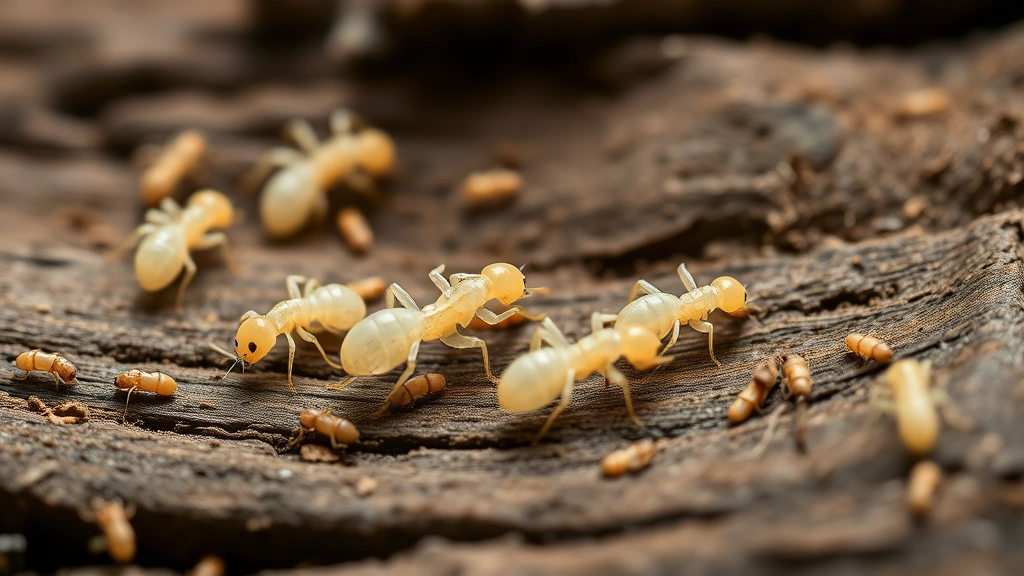
- Size: Baby termites are tiny—typically between 1/8 and 1/4 inch long. They’re smaller than adult termites but larger than some other household pests.
- Color: Most baby termites are white or cream-colored, though some species have a slightly translucent appearance. This pale coloring is actually why they’re often called “silent destroyers.”
- Body shape: They have elongated, soft bodies without the distinct segmentation you’d see in adult termites. They lack wings entirely at this stage.
- Movement: Baby termites move relatively quickly when exposed to light, though they’re photophobic and prefer darkness. You might spot them scurrying along wood surfaces or inside galleries they’ve created.
- Clustering: You’ll rarely find a single baby termite. They travel in groups, which is actually helpful for identification purposes.
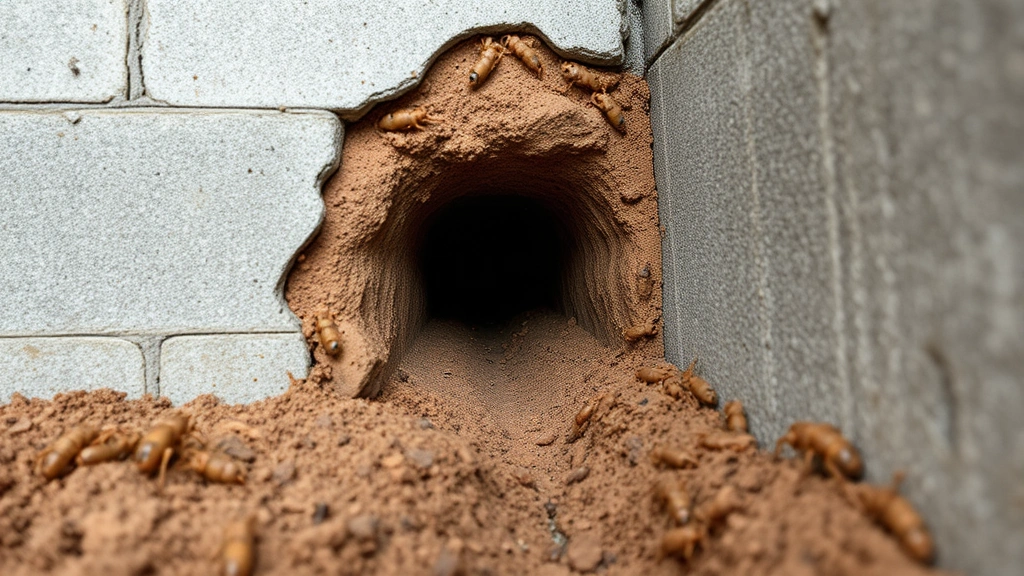
The most common places to find baby termites include baseboards, window frames, wooden furniture, and areas where wood meets soil. They leave telltale signs of their presence through mud tubes (which they construct to protect themselves from exposure) and hollow-sounding wood that crumbles easily when tapped.
If you’ve seen what you think might be a baby cockroach instead, there are clear differences. Cockroach nymphs are typically darker in color, more active, and have visible antennae proportionally longer than termite nymphs. Termites are more secretive and work within protected environments.
The Life Cycle of Termites and Why Nymphs Matter
Understanding the termite life cycle helps explain why baby termites are such a significant concern. The entire process from egg to adult can take anywhere from a few months to several years, depending on the species and environmental conditions.
The cycle begins when a male and female termite find each other during swarming season. After mating, the female becomes a queen and starts laying eggs—sometimes thousands per day once she reaches peak productivity. These eggs hatch into nymphs within a few weeks. From that point, the nymphs undergo multiple molts as they develop, gradually taking on the characteristics of their designated caste.
Why does this matter for your home? Because baby termites are already part of an active colony that’s been established, likely without your knowledge. If you’re seeing nymphs, it means there’s a mature colony nearby with a queen actively reproducing. The infestation isn’t in its early stages—it’s already progressing at an accelerated rate.
The worker termites (which can include both young and mature individuals) are responsible for the structural damage. They’re the ones tunneling through wood, creating galleries, and weakening the integrity of your home. According to the Environmental Protection Agency, termites cause an estimated $5 billion in property damage annually across the United States alone.
Soldier termites, which are also present in the colony alongside baby termites, don’t eat wood but protect the workers from predators. The presence of soldiers in your home indicates a well-established, thriving colony—another sign that professional intervention is needed.
Where Baby Termites Hide and Why They’re Hard to Spot
One of the most challenging aspects of dealing with baby termites is their remarkable ability to remain hidden. They’re not like baby roaches that scurry across your kitchen floor in plain sight. Termites are cryptic by nature, preferring darkness and protected environments.
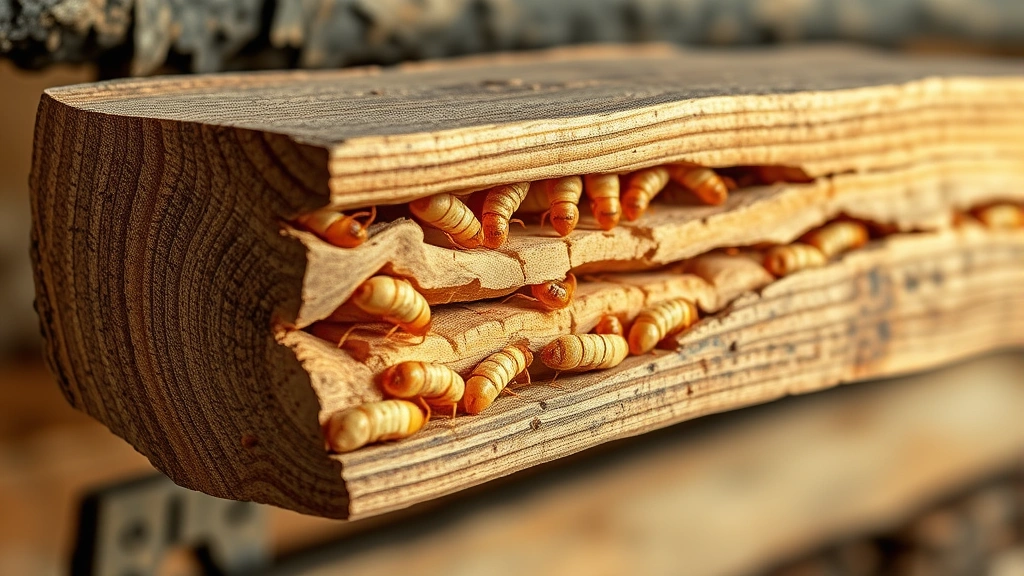
Baby termites spend most of their time inside wooden structures, creating elaborate tunnel systems called galleries. These galleries run through the interior of wood while leaving the outer surface relatively intact. This means a piece of furniture or a wooden support beam might be significantly compromised internally while appearing completely normal on the outside. This is why termites are so destructive—they can cause extensive damage before you ever notice anything wrong.
Common hiding spots include:
- Inside walls and wall cavities
- Under flooring and subflooring
- Within wooden support beams and joists
- Inside door frames and window frames
- In attics and crawl spaces
- Around foundation cracks and gaps
- Inside wooden deck structures
- Behind baseboards and trim
They also construct mud tubes along foundation walls and concrete surfaces. These tubes serve as protected highways, allowing termites to travel between their colony (usually located in soil) and their food source (your home). The mud provides humidity and protection from predators and dry air.
Baby termites need moisture to survive, which is why they’re attracted to areas with water damage, poor drainage, or high humidity. Basements, crawl spaces, and areas around leaking pipes become prime real estate for termite colonies. This connection to moisture is crucial for prevention—managing your home’s water and humidity levels directly impacts termite risk.
Health and Safety Concerns for Your Family
While baby termites don’t bite, sting, or carry diseases that directly affect humans, their presence creates several legitimate health and safety concerns for your family.
The primary concern is structural integrity. Termite damage can weaken load-bearing walls, floor joists, and roof structures. In severe cases, this can lead to partial collapse of floors, walls, or ceilings. For families with young children who are naturally more vulnerable to injuries from falls and structural failures, this represents a real safety hazard. A ceiling collapse in a child’s bedroom or a weakened floor giving way are nightmarish scenarios that can result from advanced termite infestations.
There’s also the financial impact to consider. Repairing termite damage is expensive, sometimes costing tens of thousands of dollars. This financial stress affects family well-being and stability. Additionally, termite damage can complicate home sales, refinancing, and insurance claims—creating long-term consequences for your family’s financial security.
From an environmental health perspective, the treatment methods used to eliminate termites might pose concerns for families with young children, pets, or members with chemical sensitivities. This is why discussing treatment options with professionals and understanding what’s being used in your home is important for making informed decisions.
According to the CDC, while termites don’t pose direct health risks to humans, the damage they cause and the stress associated with infestations warrant serious attention and swift action.
Prevention Strategies That Actually Work
Prevention is always more cost-effective than treatment, and when it comes to baby termites, an ounce of prevention is genuinely worth a pound of cure.
Moisture Management: This is your first line of defense. Fix leaky pipes promptly, ensure proper drainage around your foundation, and maintain appropriate humidity levels in your home. In basements and crawl spaces, use dehumidifiers if necessary. Termites need moisture to survive and thrive, so eliminating excess moisture makes your home less attractive to them.
Wood-to-Soil Contact: Never allow wooden structures to touch soil directly. This includes deck posts, siding, fence lines, and wooden steps. Use concrete footings or metal barriers to create separation. Termites use direct wood-to-soil contact as a highway into your home, so eliminating these pathways is critical.
Regular Inspections: Schedule annual professional termite inspections, or more frequently if you live in a high-risk area. Professional inspectors have the knowledge and tools to identify early signs of termite activity that you might miss. Early detection can prevent thousands of dollars in damage.
Seal Entry Points: Caulk cracks in your foundation, seal gaps around pipes and utilities, and ensure that all openings are properly sealed. Termites can enter through surprisingly small gaps, so thoroughness matters.
Mulch Management: While mulch is aesthetically pleasing, it retains moisture and can attract termites. Keep mulch at least 12 inches away from your home’s foundation, and consider using mulch alternatives like gravel or rubber.
Wood Storage: Store firewood, lumber, and other wood products away from your home, preferably on a raised platform and covered. Don’t store these materials directly against your foundation or siding.
Vegetation Management: Trim tree branches and shrubs so they don’t touch your home’s exterior. Vegetation touching your walls creates bridges for termites to cross from the landscape into your home.
Professional Barriers: Consider having a pest control professional apply termiticide barriers around your home’s foundation. These chemical barriers create a protected zone that termites cannot cross, significantly reducing infestation risk.
When to Call the Professionals
While prevention is important, knowing when to call in professional help is equally critical. This isn’t a situation where “wait and see” is a viable strategy.
You should contact a licensed pest control professional immediately if you notice:
- Mud tubes along your foundation or walls
- Hollow-sounding wood in structural areas
- Visible termite swarmers (winged termites) in or around your home
- Wood that crumbles easily or has a honeycomb appearance inside
- Discarded termite wings (which look like small fish scales)
- Any visible signs of termite activity, including baby termites themselves
Professional pest control companies have access to sophisticated detection equipment, including thermal imaging and moisture meters. They can identify termite colonies you’d never find on your own and determine the extent of the infestation. More importantly, they can recommend and implement appropriate treatment strategies.
Treatment options vary depending on the termite species, the extent of the infestation, and your home’s specific situation. Some common approaches include liquid barriers, bait systems, and fumigation for severe infestations. A qualified professional will assess your situation and recommend the most appropriate solution for your family’s needs.
When selecting a pest control company, verify that they’re licensed in your state, insured, and willing to provide a detailed inspection report and treatment plan. Get multiple quotes and ask about warranties on their work. This is a significant investment in your home’s health and your family’s safety, so choosing the right professional matters.
The National Pest Management Association provides resources for finding qualified pest control professionals in your area who meet industry standards.
Frequently Asked Questions
How fast do baby termites grow?
Baby termites develop at different rates depending on species and environmental conditions, but most progress through multiple instars over several months to a year. Warmer temperatures and abundant food sources accelerate development. Once they reach maturity, they can continue living for years, with some termite colonies persisting for decades.
Can baby termites cause damage on their own?
Yes, absolutely. While an individual baby termite causes minimal damage, they work collectively in colonies containing thousands or millions of individuals. Their combined effort can compromise structural integrity surprisingly quickly. A mature colony of termites can consume approximately one pound of wood per year, which might not sound like much until you consider that this damage is concentrated in specific areas of your home’s structure.
Are baby termites different colors depending on the species?
Most baby termites are pale or white, but some species have slight color variations. Subterranean termites (the most common type) are typically cream or white. Drywood termites may appear slightly more tan. The color difference is minimal and shouldn’t be your primary identification method—focus instead on size, body shape, and where you found them.
How do I know if I have a termite infestation versus just a few termites?
A few random termites might indicate an early-stage infestation, but finding mud tubes, damaged wood, or multiple termites in the same area suggests an established colony. The presence of soldier termites or swarmers indicates a mature, active colony. When in doubt, have a professional inspection performed. They can determine whether you’re dealing with a minor issue or a serious infestation.
Can I treat a termite infestation myself?
While DIY termite treatments are available, they’re generally not recommended for structural infestations. Termites often establish colonies in locations you can’t easily access, and incomplete treatment leads to reinfestation. Professional treatment is more effective, comes with warranties, and provides peace of mind. For minor issues or prevention, some DIY measures like sealing cracks and managing moisture can help, but active infestations require professional intervention.
How often should I have my home inspected for termites?
Annual inspections are standard for most homeowners. If you live in a high-risk area (warm, humid climates where termites thrive year-round), more frequent inspections might be warranted. If you’ve had a previous infestation, regular monitoring is essential to catch any resurgence early. Your pest control professional can recommend an inspection schedule based on your specific situation and risk level.
What’s the difference between baby termites and baby ants?
Baby ants (larvae) look completely different from baby termites. Ant larvae are small, maggot-like creatures without legs, typically found in protected chambers within ant nests. Baby termites have visible legs, segmented bodies, and are mobile. Additionally, ant colonies don’t cause structural damage like termite colonies do. If you’re seeing mobile, pale insects in wood, they’re more likely to be termites than ants.
Understanding baby termites and taking proactive steps to prevent infestations protects your family’s home and financial investment. While they might seem insignificant individually, their collective impact is substantial. By staying vigilant, maintaining your home properly, and seeking professional help when needed, you can keep these destructive pests from compromising your family’s safety and security.