What Is a Baby Wolf Called? Animal Insights for Curious Families
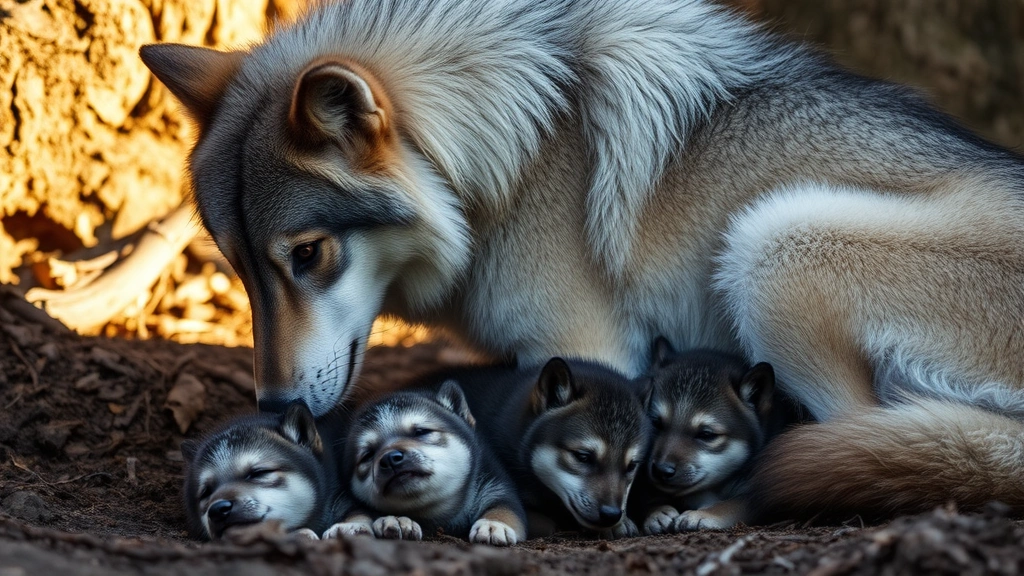
Have you ever wondered what to call a baby wolf? It’s one of those delightful animal facts that sparks curiosity in kids and adults alike. Whether you’re researching for a school project, planning a nature-themed lesson, or simply satisfying your family’s endless questions about wildlife, understanding animal terminology opens up a wonderful world of learning opportunities.
The answer is straightforward: a baby wolf is called a pup or whelp. While “pup” is the most commonly used term in modern contexts, both words are equally valid and have been used throughout history. This simple answer leads to so many fascinating follow-up questions about wolf families, their development, and how they compare to other wild animals.
As parents and educators, we know that children’s curiosity about animals is a natural gateway to learning about nature, biology, and ecosystems. This article explores everything you need to know about baby wolves, their development, family structures, and how this knowledge can enrich your family’s understanding of the natural world.
Understanding Wolf Terminology
When discussing young wolves, precision in language matters. The term pup is universally recognized and used by wildlife biologists, zoologists, and animal experts worldwide. It’s the informal yet scientifically accepted term for any young canine, including wolves, dogs, foxes, and other members of the Canidae family.
The word whelp, though less commonly heard today, carries historical weight and appears frequently in older literature and formal scientific texts. Both terms are equally correct, though “pup” has become the standard in contemporary wildlife discussions. Understanding these terms helps children and adults engage more deeply with nature documentaries, books, and educational content.
It’s worth noting that the term “pup” can apply to baby wolves from birth until they reach approximately one to two years of age, depending on the source and context. After this stage, they transition into juvenile wolves and eventually adults. This developmental timeline is important for understanding how wolves mature compared to other species.
How Baby Wolves Develop
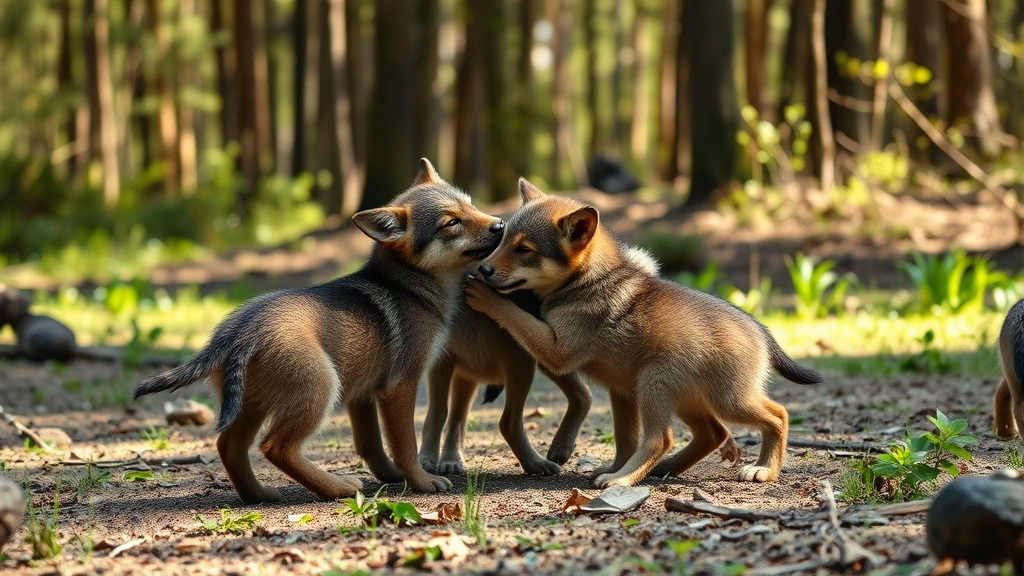
Baby wolves enter the world in a remarkably vulnerable state. Born blind, deaf, and completely dependent on their mother, wolf pups weigh only about one pound at birth. Their early weeks are spent entirely in the den, nursing and bonding with their littermates and mother.
The gestation period for wolves is approximately 63 days, similar to domestic dogs. Litters typically contain four to six pups, though larger litters of up to eleven have been documented. This family structure mirrors what we see in baby dogs, which makes sense given their shared ancestry and genetic similarities.
By three weeks of age, wolf pups begin opening their eyes and ears, and their baby teeth start emerging. Around four weeks, they venture outside the den for the first time, beginning their introduction to the pack. Their mother continues nursing until they’re about six to eight weeks old, at which point the pack begins bringing them regurgitated meat—a crucial transition in their diet.
The socialization period for wolf pups is critical and extends through their first year. During this time, they learn pack hierarchy, hunting techniques, and social behaviors through play and observation. By one year old, pups are nearly full-sized but still learning from experienced pack members. Their development into fully independent hunters takes approximately two to three years.
Wolf Pack Family Dynamics
Understanding how wolf pups fit into pack structure provides insight into their social development. A typical wolf pack consists of a breeding pair (the alpha male and female) and their offspring from multiple years. The alpha pair leads hunts, makes decisions about pack movement, and maintains order through established hierarchies.
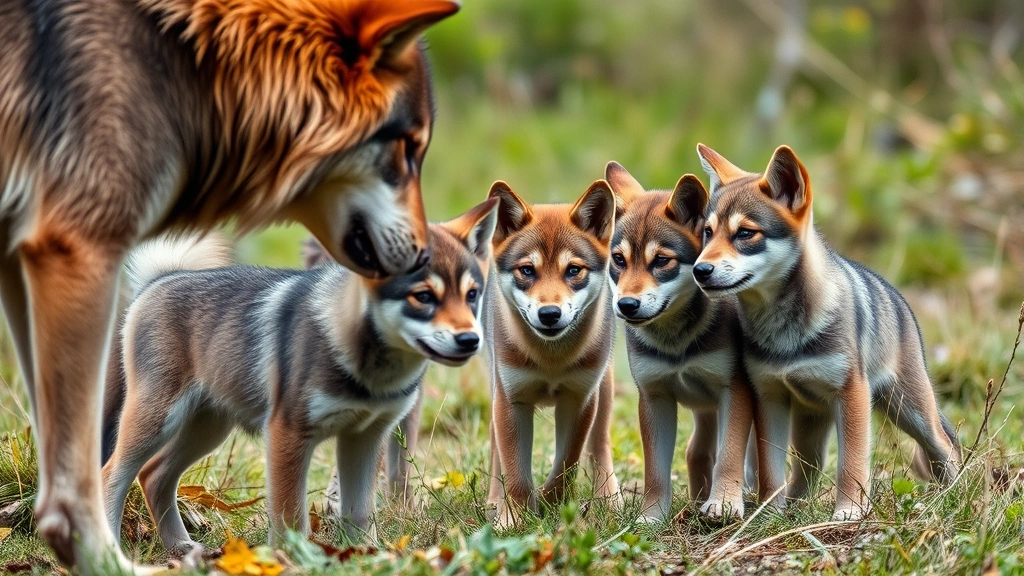
Wolf pups are born into a complex social system where they learn their place through interaction with older siblings and pack members. This family-oriented structure is fascinating because it demonstrates how wolves are, fundamentally, family animals. The entire pack participates in raising pups, with older siblings and other pack members helping to care for, protect, and teach younger members.
This cooperative child-rearing approach offers valuable lessons for human families about the importance of community involvement in raising children. While human parenting differs significantly from wolf pack dynamics, the principle of collective responsibility and mentorship resonates across species. For more insights into family structures across different species, explore our guide to baby animals and their diverse family systems.
Pups remain dependent on their mother for approximately one to two years, during which time the pack provides protection, food, and education. This extended dependency period allows for sophisticated learning of survival skills, which is crucial for wolves’ success as apex predators.
Comparing Baby Wolves to Other Animals
How do baby wolves compare to other wild predators? While a baby wolf shares similarities with baby panthers in terms of vulnerability at birth and dependency periods, there are significant differences in their social structures and development timelines.
Unlike baby panthers, which are typically solitary after weaning, wolf pups remain deeply embedded in a social hierarchy throughout their lives. Similarly, comparing wolf pups to baby hyenas reveals interesting contrasts in how different species organize their young. While hyena cubs develop in a matriarchal society with fierce competition among littermates, wolf pups experience more cooperative pack dynamics.
The broader category of baby wildlife encompasses incredible diversity in development strategies. Some animals are precocial, meaning they’re relatively mature and mobile from birth, while others like wolf pups are altricial, requiring extensive parental care. This variation reflects each species’ evolutionary adaptations to their specific environments and survival needs.
For parents interested in exploring animal development more deeply, understanding these differences provides rich educational material. According to the American Wildlife Foundation, studying predator development helps us understand ecosystem balance and the critical role each species plays in nature.
Fascinating Facts About Wolf Pups
Wolf pups display remarkable personalities and behaviors that make them endlessly fascinating to observe. Here are some captivating facts about these young predators:
- Play fighting is serious business: Wolf pups spend hours wrestling and play-fighting with littermates. This isn’t just entertainment; it’s essential training for hunting and establishing pack hierarchy. These interactions teach them bite inhibition and social boundaries.
- They communicate through vocalizations: Wolf pups begin howling around three weeks of age. Their early howls are high-pitched and somewhat clumsy, but they’re learning to communicate with the pack. By adulthood, each wolf has a unique howl.
- Pups have incredible learning capacity: Wolf pups observe and learn from every pack member. They watch hunts, study social interactions, and gradually internalize the complex rules governing pack life. This observational learning is remarkably sophisticated.
- Teething is a pack affair: As pups teethe, older pack members tolerate their biting and gnawing more than they would from adult wolves. This patience facilitates the pups’ learning and integration into the pack.
- They’re born with blue eyes: Wolf pups are typically born with blue eyes that gradually change to yellow or amber as they mature. This color change occurs around eight weeks of age.
- Pups nurse for extended periods: Unlike many mammals, wolf pups continue nursing well into their third month, even as they begin eating solid food. This extended nursing period strengthens the mother-pup bond.
These behaviors highlight the complexity and intelligence of wolves, making them worthy subjects of study and appreciation. According to research from World Wildlife Fund, understanding wolf behavior helps conservation efforts and public appreciation for these misunderstood animals.
Teaching Children About Wolves
Incorporating wolf facts into your parenting advice toolkit provides wonderful opportunities for nature education. Here are effective strategies for teaching children about wolves and their pups:
Use multimedia resources: Documentaries like those from the BBC or National Geographic offer stunning visuals of wolf pups in their natural habitat. Watching real footage makes the learning experience immersive and memorable.
Create interactive projects: Have children design wolf pack organizational charts, track pup development stages, or create journals documenting a fictional wolf pup’s life. These hands-on activities deepen understanding and engagement.
Connect to domestic dogs: Since wolf pups and puppies share ancestry and many behavioral similarities, discussing how your family dog’s behavior reflects wolf instincts creates meaningful connections between wild and domestic animals.
Visit wildlife centers: Many zoos and wildlife sanctuaries have wolf programs where children can learn from experts and sometimes observe wolves up close. These experiences create lasting impressions and foster appreciation for wildlife.
Read quality literature: Age-appropriate books about wolves, both fiction and nonfiction, expand children’s knowledge while entertaining them. Stories help children develop emotional connections to animals.
Discuss conservation: Teach children about wolf conservation efforts and why these animals matter to ecosystems. Understanding that wolves are endangered in many regions fosters environmental consciousness and empathy.
According to the American Academy of Pediatrics, nature-based learning experiences significantly enhance children’s cognitive development and environmental awareness. Incorporating animal facts into regular family conversations supports this development naturally.
Frequently Asked Questions
How long do wolf pups stay with their mother?
Wolf pups typically remain with their mother for one to two years. During this time, they’re completely dependent on her for nursing, protection, and initial education about pack life. After weaning at six to eight weeks, the entire pack participates in their care and training.
What do baby wolves eat?
Newborn wolf pups nurse exclusively for their first four to six weeks. As they develop, the pack begins regurgitating partially digested meat for them to eat, gradually transitioning them to solid food. By eight weeks, pups eat meat brought back from hunts, though nursing continues until about three months of age.
Can baby wolves be kept as pets?
Wolf pups should never be kept as pets. Wolves are wild animals with complex social and environmental needs that captivity cannot adequately provide. Additionally, in most jurisdictions, keeping wolves or wolf hybrids is illegal. They require vast territories, pack structures, and natural hunting opportunities for psychological well-being.
How do wolf pups learn to hunt?
Wolf pups learn hunting through observation and play. They watch older pack members hunt, participate in practice hunts, and develop skills gradually over months. Their first successful hunts typically occur around one year of age, though they continue learning refined techniques for several years.
What sounds do baby wolves make?
Baby wolf pups make various vocalizations including whines, yips, and barks. Around three weeks of age, they begin attempting to howl, though their early howls are high-pitched and somewhat disorganized. These vocalizations serve as communication with littermates and pack members.
Are wolf pups born blind and deaf?
Yes, wolf pups are born blind and deaf. Their eyes open at approximately two weeks of age, and their ears open around the same time. This altricial development pattern requires intensive parental care during their earliest weeks of life.
How many pups are in a typical litter?
Wolf litters typically contain four to six pups, though litters can range from one to eleven pups depending on environmental conditions and the health of the mother. Larger litters are more common when food availability is high.
What is the mortality rate for wolf pups?
Wolf pup mortality varies significantly based on environmental factors, food availability, and pack health. Studies indicate that approximately 40-50% of wolf pups don’t survive their first year in the wild. Starvation, disease, and predation are primary causes of mortality.