Why Are Babies Cute? The Science Explained
There’s something almost magnetic about a baby’s face. That button nose, those oversized eyes, the chubby cheeks—they seem designed to make us go weak in the knees. But here’s the thing: it’s not just sentiment or cultural conditioning. There’s actual science behind why we find babies so irresistibly adorable, and understanding it reveals something fascinating about human biology, evolution, and survival.
Parents, grandparents, and even strangers on the street can’t resist cooing at an infant. We photograph them endlessly, share their images, and feel an almost primal urge to protect and nurture them. This isn’t random. Our brains are wired to respond to specific features that babies possess, triggering what scientists call the “cuteness response.” It’s a survival mechanism that’s been refined over thousands of years of human evolution.
Let’s dive into the science behind those irresistible baby features and understand why nature made sure we’d find our offspring impossible to resist.
The Kindchenschema: Evolution’s Cuteness Blueprint
In the 1940s, Austrian ethologist Konrad Lorenz identified a specific set of physical features that trigger caregiving responses in humans. He called this pattern the “Kindchenschema”—German for “child schema”—and it’s essentially nature’s way of saying, “Pay attention to this creature; it needs you.”
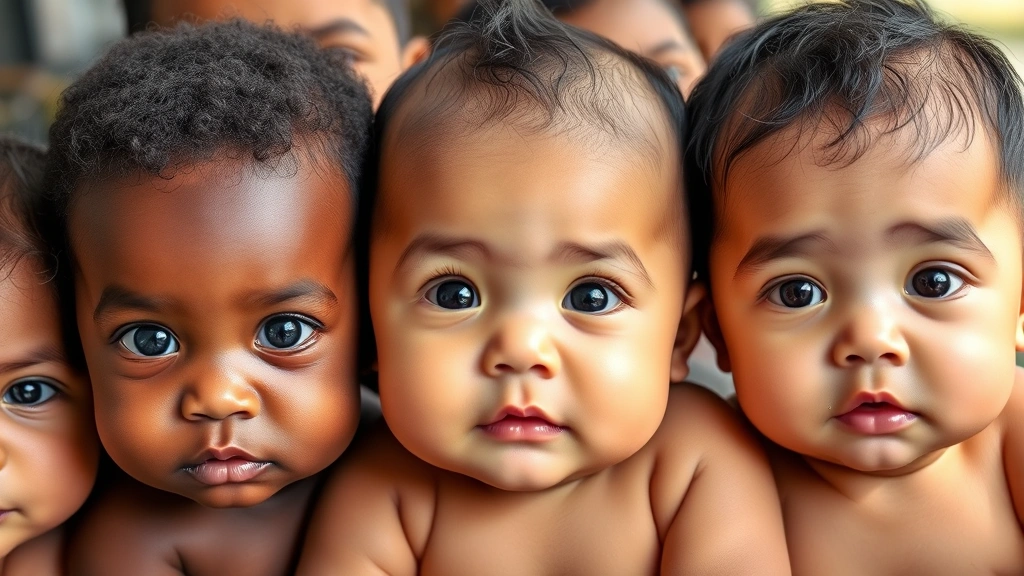
The Kindchenschema includes features like a large head relative to body size, a protruding forehead, large eyes positioned low on the face, chubby cheeks, and a small chin. These characteristics aren’t random—they’re evolutionary adaptations that make infants impossible to ignore. When we see these features, our brains release a cocktail of chemicals that make us want to care for the baby. It’s not a choice; it’s biology.
What’s remarkable is that this response isn’t limited to human babies. We find cute babies of other species appealing for similar reasons. Puppies, kittens, and even baby animals we’d normally consider threats trigger the same nurturing response because they share these key physical characteristics. Evolution has essentially created a universal “cute” template that works across species boundaries.
This mechanism served a critical purpose for human survival. Babies are born completely helpless and require years of intensive care. Parents who found their infants cute were more motivated to provide that care, leading to better survival rates and successful reproduction. Those who didn’t find babies appealing were less likely to invest the energy needed, and their genes didn’t survive as effectively. Over millennia, this created a powerful biological preference for infantile features.
Those Big Eyes and What They Signal
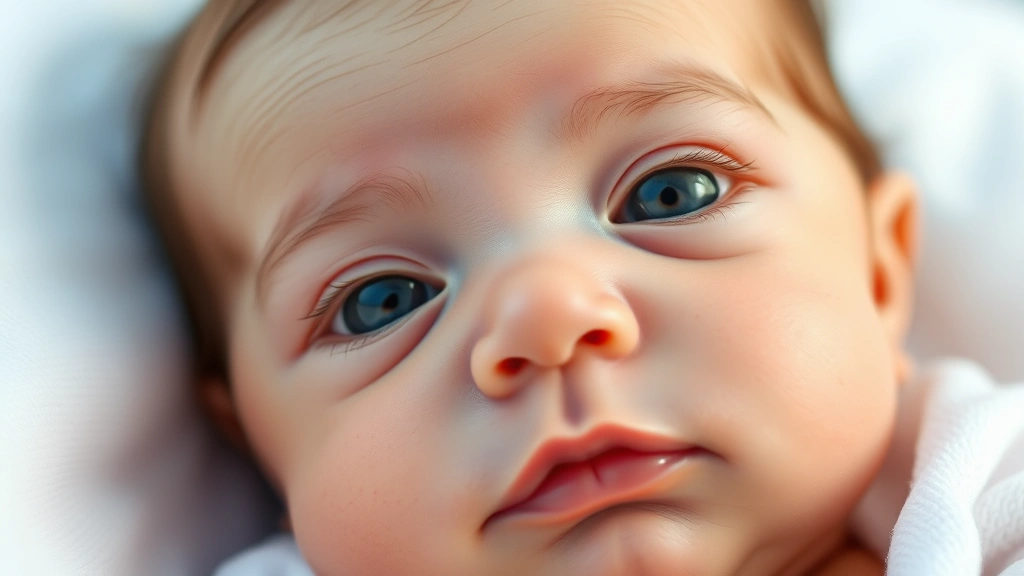
If you’ve ever looked into a baby’s eyes, you know they seem disproportionately large. That’s not an accident—it’s one of the most powerful features in the cuteness arsenal. A baby’s eyes are roughly 65% of adult size at birth, making them appear enormous relative to their face.
These oversized eyes serve multiple purposes. First, they signal innocence and vulnerability. Large pupils and wide-set eyes are associated with youth and naivety, which trigger protective instincts in adults. The American Academy of Pediatrics notes that these visual cues are fundamental to how we bond with infants.
Second, large eyes make babies look more intelligent and aware than they actually are. This slight “overestimation” of a baby’s cognitive abilities makes us more likely to engage with them, talk to them, and provide the stimulation they need for brain development. We treat them as more sentient beings than they are, which paradoxically helps their development.
The positioning of the eyes also matters. In babies, eyes are set lower on the face than in adults, and they’re wider apart. This configuration makes babies look perpetually surprised or curious, two expressions that are inherently endearing and non-threatening. It’s hard to feel aggressive toward something that looks perpetually amazed by the world.
Facial Proportions That Trigger Our Nurturing Instinct
Beyond the eyes, a baby’s overall facial proportions are calibrated to maximum cuteness. The forehead is disproportionately large, the chin is small and receding, and the cheeks are round and full. These features combine to create what researchers call “baby-facedness”—a quality that we find deeply appealing.
A baby’s head is roughly 25% of their total body length, compared to about 12-13% in adults. This top-heavy proportion looks vulnerable and dependent, which automatically activates our caregiving responses. When we see a baby, our brains unconsciously register: “This creature cannot survive alone; I must help.”
The chubby cheeks deserve special mention. Those rounded cheeks aren’t just adorable—they’re a sign of health and good nutrition. Evolutionarily, we’re attracted to healthy babies because they’re more likely to survive and reproduce, passing on our genes. Chubbiness signals that a baby is being well-fed and is developing properly. It’s a visual shorthand for “this baby is thriving.”
When you’re shopping for gifts or thinking about documenting your baby’s early months, understanding these features helps you appreciate the biological magic happening right before your eyes. Whether you’re selecting baby girl gifts or baby boy gifts, you’re ultimately celebrating these evolutionarily-honed features that make babies so special.
The Role of Vulnerability and Helplessness
Cuteness isn’t just about physical features—it’s also about what those features communicate: complete dependence. A baby’s helplessness is actually part of what makes them cute. We find creatures that need us appealing because it taps into our fundamental drive to nurture and protect.
This vulnerability manifests in various ways. Babies move clumsily and unpredictably. They make soft, high-pitched sounds. They need support to hold up their heads. All of these signs of weakness and dependence trigger caregiving behaviors in adults. Psychologically, we’re drawn to things we can help, protect, and influence.
There’s also something called the “baby talk effect.” When we see a baby, we instinctively speak in higher pitches, use simpler language, and adopt exaggerated facial expressions. This isn’t conscious—it’s automatic. Our brains recognize vulnerability and respond with nurturing behaviors. This phenomenon occurs across cultures, suggesting it’s deeply rooted in human nature rather than learned behavior.
The combination of cuteness and helplessness creates a powerful motivation system. Parents who are exhausted, frustrated, or overwhelmed can look at their baby’s face and feel renewed commitment to caregiving. That moment of connection, triggered by the baby’s appearance and vulnerability, releases oxytocin—the bonding hormone—in the parent’s brain. It’s nature’s way of ensuring that even when parenting is difficult, we stay committed to our children.
How Our Brains React to Baby Features
When you see a cute baby, your brain doesn’t just think, “Oh, that’s nice.” Instead, specific neural pathways light up, triggering a cascade of biological responses. Research on infant cuteness shows that seeing baby faces activates reward centers in the brain—the same areas that respond to food, drugs, or other pleasurable stimuli.
This activation releases dopamine, a neurotransmitter associated with pleasure and motivation. Suddenly, caring for a baby doesn’t feel like a burden; it feels rewarding. Your brain is literally being incentivized to spend time with, think about, and care for the infant. It’s a powerful biological motivator that overrides fatigue, frustration, and other competing demands.
Additionally, viewing a baby’s face increases activity in the prefrontal cortex—the area associated with social cognition and empathy. Our brains literally become more empathetic when we see babies. We become more attuned to their needs, more patient with their demands, and more willing to sacrifice our own comfort for theirs.
The intensity of this response varies among individuals. Some people experience it intensely; others less so. Hormonal factors play a role—pregnant women and those with elevated oxytocin levels tend to have stronger responses to baby cuteness. But across the board, the effect is present in the vast majority of humans.
For parents seeking to deepen their connection with their infants, understanding this neural response can be validating. That overwhelming urge to stare at your baby, photograph every moment, and share images with everyone you know? That’s not indulgence; it’s your brain doing exactly what evolution designed it to do. Many parents find that capturing these moments through baby photography helps them process and celebrate these powerful biological responses.
The Cuteness Factor Across Species
One of the most fascinating aspects of the Kindchenschema is that it works across species. We find baby animals cute for the same reasons we find human babies cute. A baby elephant’s large ears, a baby monkey’s big eyes, a puppy’s floppy ears and clumsy gait—all of these features activate the same neural pathways that baby human features do.
This cross-species response suggests that the cuteness mechanism is incredibly ancient from an evolutionary perspective. It likely evolved in our mammalian ancestors and has been preserved because it’s so effective at ensuring offspring survival. The fact that it works across species boundaries suggests it’s tapping into something fundamental about how mammalian brains are wired.
Interestingly, we also apply cuteness characteristics to non-living things. Animated characters designed with large eyes, round features, and proportions similar to the Kindchenschema are perceived as cute and appealing. Companies deliberately use these design principles in logos, mascots, and product designs because they know these features trigger positive responses in consumers.
This universal application of cuteness principles reveals something profound about human nature: we’re primed to nurture and protect creatures that appear vulnerable and dependent. It’s a deeply ingrained response that goes beyond rational thought or cultural conditioning.
Why This Matters for Parenting and Bonding
Understanding the science of cuteness isn’t just intellectually interesting—it has real implications for parenting and family life. When you recognize that your attraction to your baby’s features is rooted in evolutionary biology, it can help you appreciate the profound wisdom of nature’s design.
This knowledge can also help during challenging parenting moments. When you’re exhausted from night wakings or frustrated by endless crying, remembering that your baby’s cute features are actively triggering your brain’s reward systems might help you access that reservoir of patience and love you need. Your brain is literally designed to find this stage special, even when it’s difficult.
For parents who struggle with bonding—whether due to postpartum depression, adoption, or other circumstances—understanding the neurobiology of cuteness can be validating. If you’re not experiencing the overwhelming cuteness response, it doesn’t mean something is wrong with you; it might mean your brain chemistry needs support. Many parents find that with treatment or time, the biological bonding mechanisms activate more fully.
Additionally, recognizing why babies are cute helps us appreciate why we’re so motivated to document and share images of our children. That impulse to photograph every moment and share it with others isn’t shallow or self-indulgent—it’s your brain trying to cement important memories and broadcast to your social circle that you have a dependent who needs community support. When you’re selecting best baby shower gifts, you’re participating in this ancient human ritual of acknowledging and celebrating the arrival of a vulnerable new member of the community.
For comprehensive guidance on navigating parenthood with this biological understanding, exploring parenting advice from evidence-based sources can provide additional context and support.
The science of cuteness also explains why we’re more forgiving of babies than we are of other people. A baby’s cry that would be annoying coming from an adult is endearing coming from an infant. A toddler’s tantrum is frustrating, but a baby’s distress is heartbreaking. This differential response isn’t arbitrary—it’s our brains recognizing the vulnerability signals and responding with compassion rather than irritation.
The CDC’s resources on child development emphasize how these early bonding experiences, facilitated by our attraction to baby features, create the foundation for healthy development. When parents are motivated by cuteness to spend time with, talk to, and interact with their babies, they’re providing the stimulation and connection that babies need to thrive.
Understanding why babies are cute transforms our perspective on this universal human experience. It’s not about vanity or superficiality; it’s about the elegant design of human biology ensuring that we take care of our most vulnerable members. Nature has quite literally made sure we can’t help but fall in love with our babies, and that’s one of the most beautiful aspects of being human.
Frequently Asked Questions
Why do babies have such big eyes?
Babies’ eyes are roughly 65% of adult size at birth, making them appear disproportionately large. This feature triggers protective instincts in adults and signals vulnerability and innocence. The large eyes also help babies see and process their environment more effectively during critical developmental stages.
Is the cuteness response the same in all cultures?
Yes, research shows that the Kindchenschema—the set of features that make babies cute—triggers similar responses across cultures. While cultural practices around childcare vary, the fundamental biological response to baby features appears to be universal in humans.
Do all parents find their babies cute?
Most parents experience strong cuteness responses to their babies, but not all do, especially immediately after birth. Hormonal fluctuations, postpartum depression, adoption circumstances, and individual brain chemistry can affect how intensely someone experiences the cuteness response. This is normal and doesn’t indicate a problem with parenting capacity.
Why do we find baby animals cute too?
Baby animals share similar features with human babies—large eyes, round proportions, and signs of vulnerability. These features activate the same neural pathways and cuteness responses, suggesting the mechanism is ancient and rooted in our mammalian biology rather than unique to humans.
Can the cuteness response fade as babies grow?
The intense cuteness response tends to evolve as babies grow. While toddlers and older children remain beloved, the specific biological triggers of the Kindchenschema become less prominent as facial features mature. This natural shift helps parents gradually adjust their caregiving approach as children become more independent.
How does understanding cuteness help with parenting?
Recognizing that cuteness is rooted in biology can help parents appreciate why they’re so motivated to care for their babies and can provide comfort during challenging moments. It also validates the impulse to photograph and share moments with others—it’s a natural part of how humans bond and seek community support for parenting.