What Are the “Rock-a-Bye Baby” Lyrics? A Parent’s Guide to This Classic Lullaby
If you’ve ever found yourself gently swaying a fussy infant while humming a familiar tune, chances are “Rock-a-Bye Baby” has crossed your lips at some point. This nursery rhyme has been a cornerstone of bedtime routines for generations, yet many parents don’t actually know the full lyrics or the story behind this hauntingly beautiful melody. Whether you’re a new parent seeking the perfect lullaby or simply curious about the origins of this timeless classic, understanding the complete verses and their history adds a meaningful dimension to your nightly routine.
The gentle cadence of this lullaby has a almost hypnotic quality that seems purpose-built for settling restless babies. But beyond its soothing melody lies a richer history and a set of lyrics that many modern parents have never fully explored. Let’s unpack this beloved nursery rhyme and discover why it continues to resonate across centuries of parenting.
The Complete Lyrics
The traditional version of “Rock-a-Bye Baby” consists of a single verse that’s typically repeated, though variations exist depending on the source. Here’s the most widely recognized version:
“Rock-a-bye baby, in the treetop,
When the wind blows, the cradle will rock.
When the bough breaks, the cradle will fall,
And down will come baby, cradle and all.”
While this single verse is what most modern parents know, historical collections of nursery rhymes sometimes include additional verses that were popular in earlier centuries. These extended versions offer additional verses that expand the narrative, though they’re rarely sung today. The melody we associate with this rhyme today was standardized in the 19th century, making it one of the most recognizable tunes in Western culture.
The beauty of this lullaby lies in its simplicity. Just four lines, repeated softly, create a rhythmic pattern that naturally encourages drowsiness in infants. The predictable structure means you won’t forget the words mid-verse—a genuine blessing when you’re operating on minimal sleep.

Origins and Historical Background
The origins of “Rock-a-Bye Baby” are delightfully murky, with multiple theories competing for historical accuracy. Unlike some nursery rhymes with clear attribution, this lullaby emerged from folk traditions, making its true birthplace difficult to pinpoint definitively.
One popular theory traces the rhyme to 17th-century England, where it allegedly originated as a commentary on the political situation surrounding King James II and his son. However, this explanation remains largely speculative and lacks documented evidence. Another hypothesis suggests Native American influences, with some scholars proposing that European settlers observed Indigenous mothers rocking babies in suspended cradles and adapted the concept into verse.
What we know with more certainty is that the rhyme appeared in print by the late 19th century, with various collections documenting it across English-speaking regions. The melody became standardized around this time, drawing from existing folk tunes that were already familiar to generations of parents. By the time the 20th century arrived, “Rock-a-Bye Baby” had become so embedded in Western parenting culture that its origins seemed almost irrelevant—it simply was, as natural to infancy as crying and feeding.
The standardization of both lyrics and melody made this lullaby remarkably consistent across different households and regions, which contributed significantly to its staying power. Parents taught it to their children, who taught it to theirs, creating an unbroken chain of transmission spanning centuries.
Understanding the Meaning
Here’s where things get philosophically interesting—and occasionally unsettling for modern parents. The lyrics describe a baby falling from a tree, which sounds alarming when you pause to actually listen to the words. This jarring imagery has prompted considerable discussion among parenting experts and child development researchers about whether such dark imagery belongs in a lullaby.
However, understanding the context helps. In earlier eras, infant mortality was tragically common, and parents lived with constant awareness of fragility and loss. The lullaby might have functioned as a way of processing these fears through gentle, controlled imagery—acknowledging vulnerability while maintaining calm. Alternatively, the “fall” could represent the natural descent into sleep, with the cradle serving as a protective vessel that keeps the baby safe even in falling.
Modern parents often feel uncomfortable with the literal interpretation and prefer to focus on the soothing rhythm rather than the words’ content. This is entirely valid. Many contemporary families have created their own adapted versions or simply focus on the melody without dwelling on the narrative. The gentle quality of baby lullabies matters more than any single interpretation of their meaning.
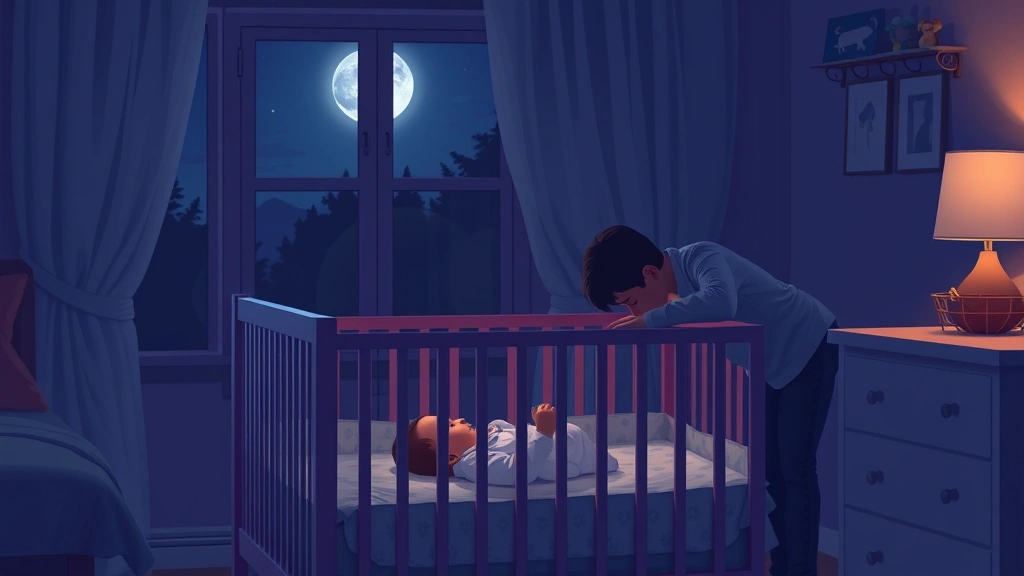
Some developmental psychologists suggest that the predictability of the narrative—even when slightly dark—actually provides comfort through familiarity. Babies don’t understand the words anyway; they respond to tone, rhythm, and the parent’s presence. The meaning we assign as adults is separate from the neurological response the child experiences.
Why It Works as a Lullaby
From a purely mechanical standpoint, “Rock-a-Bye Baby” possesses several characteristics that make it exceptionally effective for soothing infants. Understanding these features can help you appreciate why this particular rhyme has endured while countless others have faded into obscurity.
The rhythm is fundamentally slow and repetitive. When sung at a gentle tempo, the melody naturally encourages the adult to move slowly and deliberately—rocking, swaying, or walking in a measured pattern. Babies’ nervous systems synchronize with these movements and the consistent vocal patterns, triggering a relaxation response. Research from the American Academy of Pediatrics confirms that repetitive, rhythmic stimulation significantly reduces infant arousal and promotes sleep onset.
The melody sits comfortably in a range that doesn’t require vocal strain, meaning you can maintain it without fatigue even when singing the same verse repeatedly. This accessibility is crucial—a lullaby that exhausts the parent defeats its purpose. The musical intervals are simple and predictable, so even parents without musical training can sing it accurately.
Additionally, the rhyme scheme creates a satisfying closure. Each verse ends with a complete thought, signaling completion to the infant’s developing brain. This sense of structure and conclusion can be psychologically soothing. The gentle consonants and flowing vowels in the words themselves—particularly in “rock,” “sway,” and “baby”—have inherently calming phonetic qualities.
Tips for Singing It to Your Baby
If you’re planning to incorporate this classic into your bedtime routine, here are some practical techniques that maximize its effectiveness:
- Slow your tempo deliberately. Sing slower than you think necessary. What feels glacially slow to you will feel naturally paced to your baby. Aim for approximately 60-80 beats per minute, roughly matching a resting heart rate.
- Maintain a consistent volume. Keep your voice soft and steady rather than varying dramatically. Sudden changes in volume can startle rather than soothe.
- Establish physical connection. Sing while holding, rocking, or swaying your baby. The combination of voice, movement, and physical closeness creates a multisensory soothing experience.
- Repeat without variation. Babies find comfort in predictability. Sing the same verse multiple times rather than introducing new material or embellishments.
- Choose the right time. Sing during wind-down periods when your baby is already somewhat drowsy, rather than expecting it to transform a fully alert, overstimulated infant.
- Use it consistently. Make it a reliable part of your routine so your baby begins to associate the familiar melody with sleep preparation.
Many parents discover that once they establish “Rock-a-Bye Baby” as a bedtime ritual, their baby begins to show drowsiness within moments of hearing the opening notes. This conditioned response develops through repetition and becomes remarkably powerful—a genuine tool in your parenting toolkit.
Popular Variations and Adaptations
Throughout the centuries, “Rock-a-Bye Baby” has been adapted, remixed, and reimagined countless times. Some variations maintain the original melody while changing lyrics, while others preserve the words but set them to different tunes.
Musical artists have recorded versions ranging from traditional folk interpretations to contemporary arrangements. Classical composers have incorporated the melody into larger works, recognizing its emotional resonance. Some modern parents create personalized versions, substituting their baby’s name or incorporating local cultural elements.
You might also explore how this lullaby connects to other beloved children’s songs. If you enjoy “Rock-a-Bye Baby,” you may appreciate learning about hello my baby, hello my honey, another classic that has delighted generations. Similarly, contemporary lullabies continue the tradition—some parents find success with nothing’s gonna hurt you baby lyrics from modern artists, which provide similar soothing effects with more contemporary sensibilities.
Some families blend traditions, teaching their children both historical versions and modern adaptations. This approach honors the cultural legacy while remaining flexible enough to include current preferences and values.
Other Beloved Baby Lullabies
While “Rock-a-Bye Baby” remains iconic, the world of infant lullabies is wonderfully diverse. If this particular rhyme doesn’t resonate with your family, numerous alternatives offer similar soothing benefits.
“Twinkle, Twinkle, Little Star” provides a similarly simple melody with less potentially troubling imagery. “Brahms’ Lullaby” (also known as “Lullaby and Goodnight”) offers a more complex musical arrangement for parents who enjoy singing. “Hush, Little Baby” presents a gentler narrative focused on comfort and reassurance.
Some families explore cultural traditions beyond English-speaking contexts, discovering lullabies from their heritage or from cultures they admire. The variety of baby lullabies available ensures that every family can find something that feels authentic to their values and preferences.
For those seeking inspiration during special occasions, exploring baby shower messages can introduce you to additional musical and poetic traditions. Reading baby books often introduces new lullabies and sleep-time rituals worth incorporating into your routine.
Contemporary artists continue creating new lullabies, and some parents find that modern compositions feel more authentic to their parenting philosophy. The key is finding what works for your family rather than feeling obligated to use any particular tradition.
Frequently Asked Questions
Is “Rock-a-Bye Baby” actually appropriate for babies given the dark lyrics?
This is a legitimate concern for modern parents. The imagery of a baby falling is undeniably unsettling to adult ears. However, babies don’t understand the semantic meaning of the words—they respond to tone, rhythm, and physical comfort. If the lyrics genuinely bother you, you’re absolutely welcome to sing something else or create your own lyrics using the same melody. Your comfort level matters because babies sense parental anxiety.
At what age should I start singing lullabies to my baby?
You can begin singing lullabies immediately after birth. Newborns respond to vocal patterns and maternal voice even in the womb, so introducing familiar songs continues this connection. However, lullabies become particularly effective for sleep promotion around 3-4 months when babies’ circadian rhythms begin developing more distinctly.
Can lullabies actually help babies sleep, or is it just placebo?
Research from the CDC and other child development organizations confirms that lullabies have genuine neurological effects. The repetitive rhythm, consistent melody, and parental presence combine to reduce infant arousal and promote sleep onset. This isn’t placebo—it’s measurable, physiological response.
What if my baby doesn’t respond to “Rock-a-Bye Baby”?
Every baby has individual preferences. Some respond better to different melodies, tempos, or even non-musical sounds like white noise or heartbeat recordings. Experiment with various approaches and observe what actually calms your specific child. There’s no universal solution in parenting—flexibility and observation matter more than adherence to tradition.
Should I worry about the historical theories regarding political meanings?
The historical theories about “Rock-a-Bye Baby” are interesting from an academic perspective but shouldn’t influence your use of the lullaby. Whether or not the rhyme originated as political commentary, it functions today as a simple, effective soothing tool. The meaning we assign to it now is what matters for your family.
Can I teach “Rock-a-Bye Baby” to older children?
Absolutely. Many families enjoy singing nursery rhymes together as part of cultural transmission and bonding. You might address the darker imagery directly with older children, discussing how different generations understood and processed the rhyme differently. This can become a meaningful conversation about history, language evolution, and parenting philosophies across time.
Are there gender-neutral versions of this lullaby?
The traditional lyrics use “baby” without gendered language, making it naturally inclusive. If you prefer to modify the lyrics for any reason—whether for cultural, personal, or philosophical reasons—you’re free to do so. The melody is what carries the soothing power, not the specific words.