Talking Baby Podcast: What to Expect and Why It Matters
If you’re scrolling through your podcast app at midnight while bouncing a fussy infant, you’ve probably stumbled across the term “talking baby podcast.” But what exactly are these shows, and do they actually deliver on their promises? The short answer: they’re more nuanced than you might think, and understanding what they offer—and what they don’t—can genuinely improve your parenting journey.
The talking baby podcast phenomenon has exploded in recent years, filling a genuine gap in parental education and community connection. These aren’t just background noise for your morning commute; they’re resources that tackle everything from language development milestones to sleep regression mysteries. Some are hosted by certified child development specialists, while others come from parents who’ve weathered the same storms you’re currently facing.
Whether you’re a first-time parent desperate for reassurance or an experienced caregiver seeking fresh perspectives, understanding what a talking baby podcast actually is—and what it can realistically do for your family—matters. Let’s dig into this growing corner of the parenting media landscape.
What Exactly Is a Talking Baby Podcast?
A talking baby podcast is an audio series focused on infant development, parenting strategies, and early childhood education. These shows vary wildly in format and expertise level. Some feature lengthy interviews with pediatricians and child psychologists discussing developmental psychology. Others offer quick-hit episodes covering specific challenges like teething or the four-month sleep regression.
The term “talking baby” doesn’t mean babies are literally talking on the show (though occasionally you’ll hear adorable background sounds). Rather, it refers to content centered on babies and their development—how they communicate, learn, and grow during those crucial early years.
What distinguishes these podcasts from traditional parenting books or blogs is their accessibility and intimacy. You can listen while doing laundry, driving to daycare, or staring at the ceiling at 3 a.m. wondering if your baby’s sleep patterns are normal. The audio format creates a conversational quality that can feel surprisingly personal, even when you’re listening to a stranger’s expert opinion.
Why These Podcasts Have Become So Popular
The explosion of talking baby podcast content reflects a broader shift in how parents seek information and community. Modern parenting is isolated in ways previous generations never experienced. You might live far from family, work long hours, or feel hesitant to admit uncertainty to your peer group. A podcast offers judgment-free information delivered on your schedule.
There’s also the credibility factor. Many hosts have actual credentials—pediatric sleep consultants, child development specialists, licensed therapists. When you’re exhausted and confused, having someone with legitimate expertise validate your concerns or explain what’s happening developmentally can feel like a lifeline. As you explore comprehensive parenting advice, podcasts often complement written resources beautifully.
The community aspect matters too. Hearing other parents describe their exact struggles—the frustration of a baby who won’t sleep, the guilt about returning to work, the confusion about feeding—normalizes your experience. You realize you’re not failing; you’re just parenting a small human with their own personality and needs.
Different Types of Talking Baby Podcasts
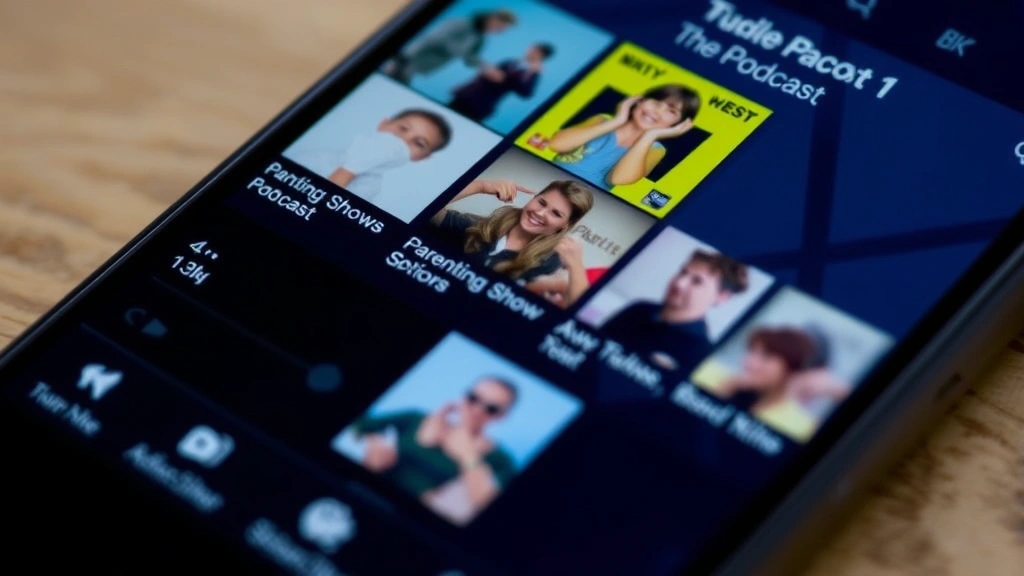
Not all talking baby podcasts operate from the same playbook. Understanding the different categories helps you find what actually serves your situation.
Expert-Led Shows: These feature medical professionals, sleep consultants, or developmental psychologists as regular hosts. Episodes dive deep into research and evidence-based practices. Examples include shows focused on sleep training methodologies, nutrition, or developmental milestones. They’re excellent when you want scientific grounding for your decisions.
Parent-Hosted Narratives: Real parents sharing their journeys, mistakes, and victories. These lack formal credentials but offer authentic perspective. They’re great for emotional support and practical “here’s what worked for us” suggestions, though you should cross-reference medical advice with your pediatrician.
Interview Format Shows: Hosts bring on various experts, authors, or experienced parents for each episode. This format offers variety and multiple perspectives on single topics. One episode might feature a lactation consultant, the next a pediatrician, the next a parent who exclusively bottle-fed.
Quick-Tip Series: Short-form episodes (10-20 minutes) tackling specific problems. Perfect for the parent who wants actionable information without deep dives. These often address immediate concerns like diaper rash, baby acne, or developmental red flags.
Lifestyle and Wellness Focused: Shows addressing parental mental health, relationship maintenance during early parenthood, postpartum recovery, and work-life balance. These recognize that parenting happens within the context of your entire life, not in isolation.
Real Benefits for Parents and Caregivers
When used thoughtfully, talking baby podcasts genuinely improve the parenting experience. The benefits extend beyond just acquiring information.
Normalized Anxiety: Hearing hosts and other parents discuss their concerns validates yours. That weird rash? Someone else’s baby had it too. The baby who only sleeps when held? Apparently, that’s common. This normalization reduces shame and panic, making you more likely to problem-solve calmly.
Evidence-Based Education: Quality podcasts distill research into understandable language. Instead of reading dense pediatric journals, you get the important findings explained by someone trained to translate them. This is particularly valuable when navigating conflicting advice about topics like sleep safety or feeding approaches.
Convenience and Accessibility: You can absorb parenting education while doing literally anything else. This removes a major barrier—you don’t need to carve out special reading time or attend in-person classes. The information comes to you.
Diverse Perspectives: A good podcast exposes you to multiple viewpoints. What works for one family might not work for yours, and hearing various approaches helps you make informed choices aligned with your values. This connects beautifully with seeking essential parenting advice for raising happy and healthy children.
Community Connection: Many podcasts foster listener communities through social media or forums. Knowing other parents are listening to the same show, having similar struggles, creates a sense of belonging during an isolating phase of life.
Mental Health Support: Quality shows addressing parental burnout, postpartum depression, and relationship strain provide crucial support. If you’re struggling emotionally, hearing hosts normalize these experiences and provide resources can be genuinely therapeutic.

Setting Realistic Expectations
Here’s where honesty matters: talking baby podcasts are excellent resources, but they’re not replacements for professional medical care or personalized guidance.
Your Pediatrician Remains Essential: A podcast host doesn’t know your baby’s specific health history, current medications, or family medical background. They can provide general information, but your pediatrician provides personalized care. Always run concerning symptoms or major decisions past your doctor, regardless of what you heard on a podcast.
Information Isn’t One-Size-Fits-All: The baby sleep strategy that revolutionized one family’s nights might be completely incompatible with your baby’s temperament, your living situation, or your parenting values. Use podcast information as a starting point for exploration, not gospel truth.
Host Credentials Vary Dramatically: Some hosts have extensive formal training; others have personal experience and charisma. Both can offer value, but they’re not equivalent. A parent who successfully sleep-trained their baby has useful perspective, but a pediatric sleep specialist has research-backed methodology. Know what you’re getting.
Podcasts Can Create Comparison Traps: Hearing about other babies hitting milestones earlier, sleeping better, or eating more adventurously can trigger the comparison spiral. Remember that podcast guests are often sharing success stories, not the full messy reality of every day.
Time Investment Has Limits: At a certain point, more information becomes less useful. You can research sleep training to death and still be unsure. Sometimes you need to make a decision, try it for two weeks, and adjust. Endless podcast consumption can become procrastination.
How to Choose the Right Podcast for Your Family
With hundreds of options, finding podcasts that actually serve your needs requires intentional selection.
Identify Your Primary Needs: Are you seeking expert medical information? Emotional support? Practical tips? Reassurance that you’re not alone? Different shows excel at different things. If you need sleep training methodology, an expert-led show beats a narrative-focused parent podcast, even if the latter is more emotionally resonant.
Check Host Credentials: Look at show descriptions and host bios. What’s their background? If they’re discussing medical topics, are they qualified? This doesn’t mean you should only listen to MDs—lived experience is valuable—but you should know what expertise you’re actually getting.
Sample Before Committing: Most podcasts are free. Listen to a full episode or two before deciding this is “your” show. Does the host’s communication style work for you? Is the pace too slow or too fast? Do their values align with yours? You don’t need to commit to a show that doesn’t click.
Read Reviews and Recommendations: Check ratings on podcast apps and parenting forums. What do listeners love? What are common criticisms? Real user feedback helps you find shows that match your needs and communication preferences.
Balance Multiple Sources: Rather than relying on one talking baby podcast exclusively, subscribe to a few that offer different perspectives and expertise. This prevents echo chambers and gives you a more complete picture.
Look for Updated Content: Child development research evolves. A show that hasn’t released new episodes in two years might be sharing outdated information. Current shows are more likely to reflect current research and best practices.
Integrating Podcasts Into Your Parenting Strategy
Podcasts work best when they’re part of a broader, thoughtful approach to parenting rather than your only information source.
Combine With Professional Guidance: Use podcasts to prepare for conversations with your pediatrician, not replace those conversations. If a podcast episode raises questions, bring them up at your next checkup. This combines the convenience of podcast learning with professional expertise.
Connect With Your Parenting Values: Before adopting strategies you hear about, consider whether they align with how you want to parent. A sleep training method might be effective but feel wrong for your family. That’s okay. Your values matter as much as efficacy.
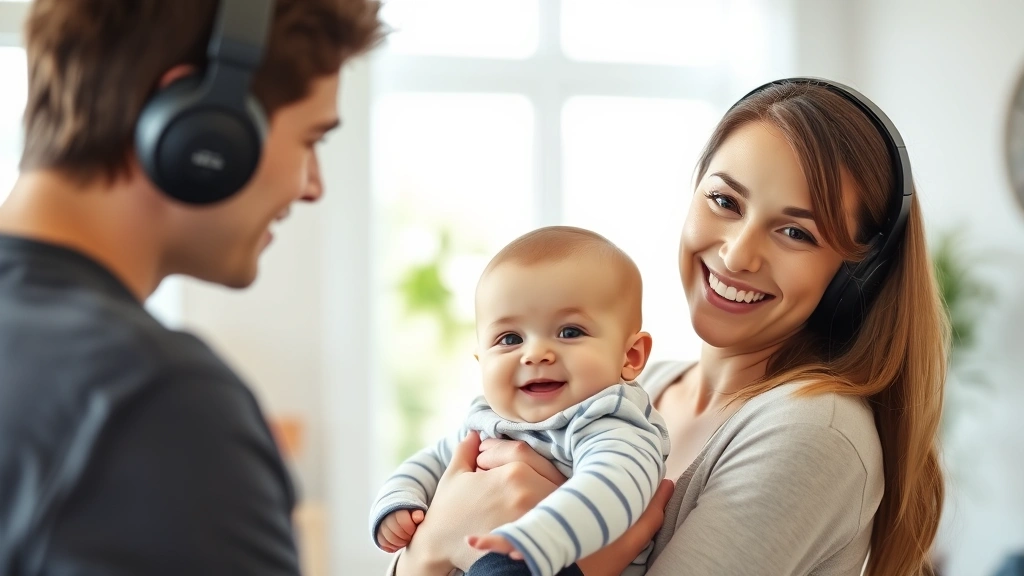
Share With Your Partner or Co-Parent: If you listen to a particularly relevant episode, share it with your partner. Listening together creates shared understanding and reduces the “you’re always reading parenting stuff” dynamic that can happen when one parent is the information gatherer.
Implement Gradually: Don’t overhaul your entire approach based on one podcast. Try one new strategy, notice what happens, adjust as needed. This prevents overwhelm and helps you figure out what actually works for your specific baby and family.
Take Notes Selectively: Rather than trying to remember everything, jot down the specific tip or concept that resonated. This prevents information overload and gives you something concrete to implement.
As you develop your parenting approach, remember that parenting advice for new parents extends beyond podcasts into many formats. Similarly, understanding the importance of early childhood education helps you make decisions about learning opportunities as your child grows.
For parents navigating emotional challenges, resources like strategies for managing anger can be as crucial as developmental information. And while talking baby podcasts focus on early years, you might eventually appreciate tips for parents of teenagers as your child grows—parenting is a marathon, not a sprint.
Frequently Asked Questions
Are talking baby podcasts actually helpful, or are they just entertainment?
Quality talking baby podcasts are genuinely helpful when used appropriately. They provide evidence-based information, normalize parenting struggles, and offer community connection. However, they’re most effective as one tool among many—combined with professional medical care, books, and trusted advisors. Entertainment value is a bonus, not the primary purpose.
Can I rely on podcast advice instead of seeing my pediatrician?
No. Podcasts provide general information; your pediatrician provides personalized medical care. Your doctor knows your baby’s health history and can examine them physically. Always consult your pediatrician about health concerns, regardless of what you’ve heard on podcasts. They work best together, not as alternatives.
What should I do if podcast hosts disagree about something important?
This happens frequently because parenting approaches vary legitimately. When hosts disagree, use it as an opportunity to research further, consult your pediatrician, and decide what aligns with your values and your baby’s needs. Disagreement doesn’t mean someone is wrong—parenting often involves multiple valid approaches.
How much time should I spend listening to talking baby podcasts?
There’s no universal answer, but consider your time and mental energy. If podcast listening is replacing sleep or creating anxiety, you’re consuming too much. If a few episodes a week help you feel informed and supported, that’s probably healthy. Quality matters more than quantity.
Are there talking baby podcasts specifically for parents of multiples, adoptive families, or other specific situations?
Yes, though you may need to search specifically for them. Podcasts exist for various parenting situations, including multiples, adoption, special needs, blended families, and single parenting. Finding shows that reflect your specific situation can be particularly valuable because they address challenges unique to your family structure.
What red flags should I watch for in a talking baby podcast?
Be cautious of hosts who claim to have all the answers, dismiss legitimate concerns, promote unproven treatments, or make sweeping statements about what “all babies” do or need. Good podcasts acknowledge complexity, encourage professional consultation, and present information as guidance rather than gospel.
Can listening to talking baby podcasts increase parental anxiety?
Potentially, yes. If you’re prone to health anxiety or catastrophizing, excessive podcast consumption can amplify worry. You might hear about rare conditions and become convinced your baby has them. If podcasts increase your anxiety rather than reducing it, limit your consumption and focus on professional reassurance instead.