Why Vintage Baby Clothes Are Making a Comeback
There’s something undeniably charming about slipping a baby into a carefully preserved dress from the 1950s or a hand-embroidered onesie that’s been passed down through generations. What was once relegated to dusty attics and estate sales has transformed into a genuine fashion movement, and parents everywhere are embracing the nostalgia, quality, and sustainability that vintage baby clothes offer. It’s not just about looking adorable in photographs—though that’s certainly a delightful bonus.
The resurgence of vintage baby fashion represents a fascinating cultural shift. Parents today are rejecting the fast-fashion mentality that dominated the early 2000s, instead seeking pieces with character, durability, and a story to tell. Whether it’s the meticulous craftsmanship of mid-century garments or the whimsical designs of 1980s baby wear, vintage baby clothes have become the quiet rebels of the nursery world.
This movement isn’t purely aesthetic, either. Behind the lace collars and delicate smocking lies a practical philosophy about consumption, environmental responsibility, and creating meaningful connections to the past. Let’s explore why so many modern parents are turning to yesterday’s wardrobes for today’s littlest fashionistas.
The Unmatched Quality and Craftsmanship
Walk into any big-box retailer’s baby section, and you’ll find rows of mass-produced garments designed for a single season of wear. Now compare that to a vintage dress from the 1960s—the seams are still intact, the fabric hasn’t pilled, and the construction suggests someone actually cared about how it would hold up. This isn’t nostalgia talking; it’s simple economics and manufacturing reality.
Vintage baby clothes were typically made when garment production involved real craftsmanship. Manufacturers used natural fibers like cotton and wool, employed stronger stitching techniques, and expected pieces to survive multiple children. The buttons were sewn on with reinforced thread, hems were finished with care, and elastic actually had some stretch to it. Today’s fast-fashion baby wear often falls apart after a handful of washes, while vintage pieces can endure decades of use.
Parents who choose vintage baby clothes for their little ones often report that these pieces look better after washing than new clothes do straight from the package. The fabric softens rather than degrades, colors remain vibrant, and the overall structure stays true. This durability means that baby girl clothes from fifty years ago often outperform their modern counterparts by a significant margin.
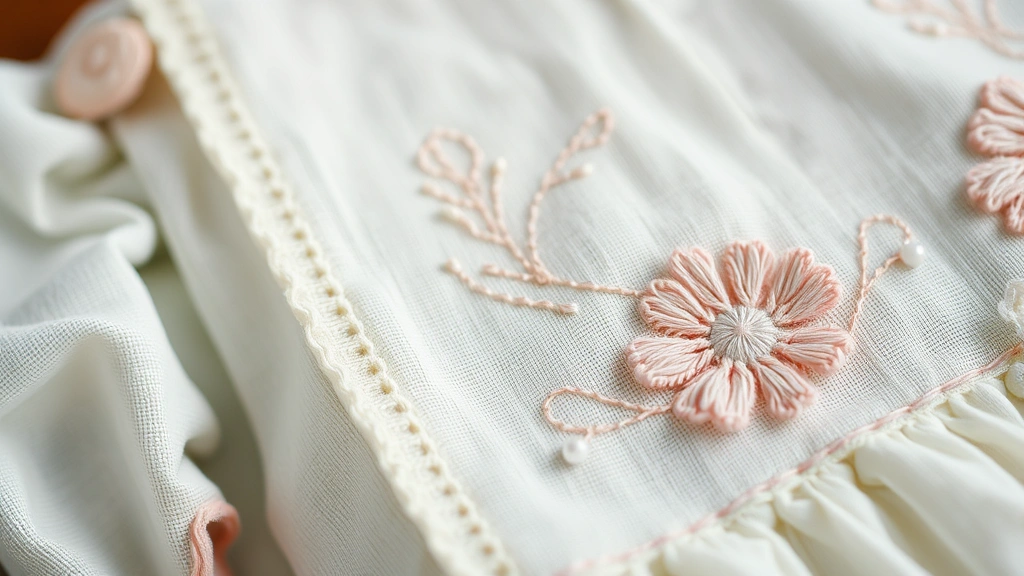
The hand-finishing details found on vintage pieces tell another story entirely. Smocking, embroidery, lace insertion, and decorative stitching appear throughout vintage collections—details that would be prohibitively expensive to produce today. These embellishments weren’t just decorative flourishes; they represented a parent’s investment in their child’s wardrobe and a maker’s pride in their work.
Sustainability and Conscious Parenting
Parenting in the age of climate consciousness means constantly grappling with guilt about consumption. Between the endless growth spurts, the inevitable stains, and the fashion preferences that change weekly, it’s easy to feel like you’re contributing to mountains of textile waste. This is where vintage baby clothes become more than just a fashion choice—they become an ethical statement.
The fashion industry, including children’s wear, represents one of the largest contributors to global pollution. Production involves massive water consumption, chemical dyes, and transportation emissions. When parents choose vintage pieces, they’re pulling garments out of the waste stream and extending their lifecycle significantly. A single vintage dress worn by multiple children, across multiple generations, dramatically reduces the environmental footprint compared to buying new items for each child.
Beyond the environmental angle, there’s the resource conservation aspect. Every vintage piece purchased is one less new garment that needs to be manufactured. Parents who mix vintage finds with carefully chosen new items create a more sustainable wardrobe for their children while maintaining the freshness that comes with some contemporary pieces. This balanced approach appeals to families seeking baby boy clothes and girl clothes alike, without the guilt of constant consumption.
Many parents also appreciate the chemical angle. Older garments, particularly those from the 1970s and earlier, were produced before many modern chemical treatments became standard. While vintage items still require careful vetting for safety, many parents feel more comfortable with simpler, less chemically-treated fabrics against their baby’s sensitive skin.
The Unique Style Factor
Here’s where vintage baby clothes truly shine: they’re inherently unique. While thousands of babies might wear the same mass-produced outfit from a major retailer, your child in a carefully curated vintage piece is dressed in something genuinely one-of-a-kind. This distinctiveness appeals to parents who want their children to develop individual style early and who value standing out in a sea of sameness.
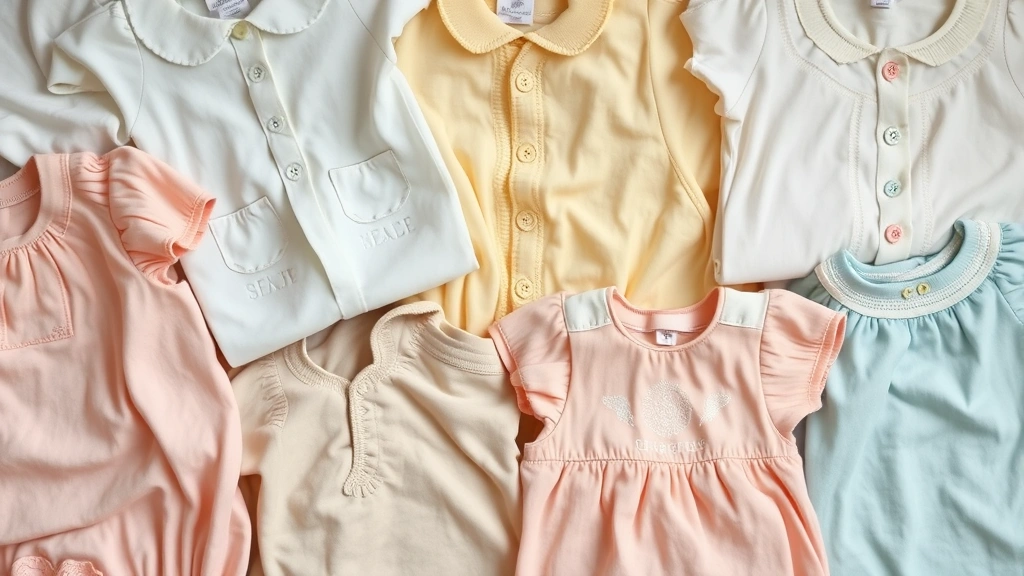
The design sensibilities of different eras bring their own charm to a child’s wardrobe. The geometric patterns of 1970s baby wear, the pastels and delicate details of 1950s pieces, the bold primary colors of 1980s designs—each era offers a distinct aesthetic that simply doesn’t exist in today’s market. Parents can curate their child’s wardrobe with intention, pulling pieces that reflect their personal style while introducing their children to fashion history.
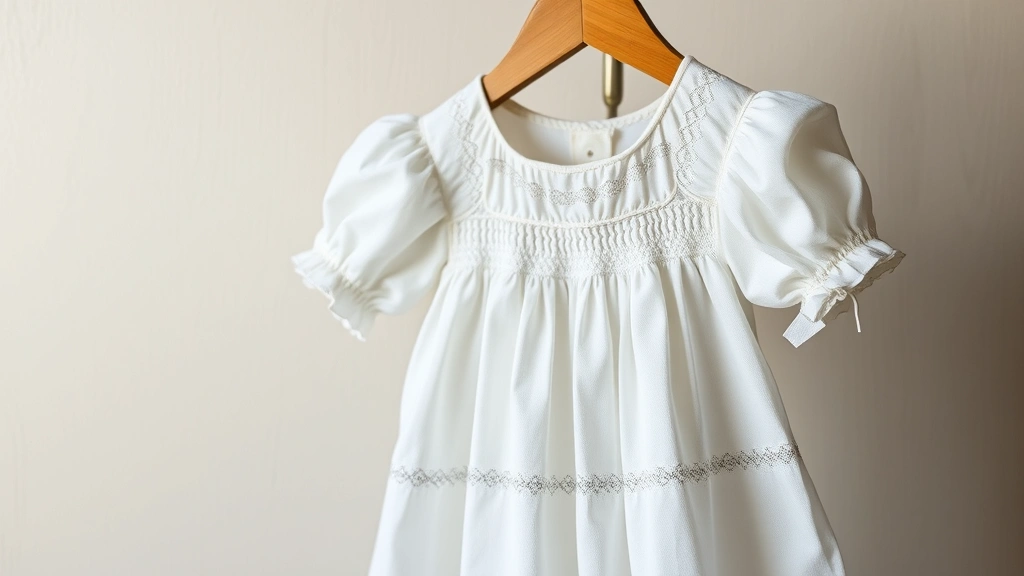
Vintage baby dresses in particular have become collector’s items for parents who love special occasion wear. A vintage christening gown, a hand-smocked dress from the 1960s, or an intricately detailed pinafore provides something far more memorable than standard party wear. These pieces often become treasured keepsakes, photographed, preserved, and eventually passed down to grandchildren.
The social media effect has amplified this appeal considerably. Parents sharing photos of their babies in vintage wear receive comments and engagement that speaks to a broader cultural appreciation for the aesthetic. There’s an authenticity to vintage pieces that filtered, trend-chasing modern fashion struggles to replicate.
Where to Find Authentic Vintage Baby Clothes
The hunt for vintage baby clothes has become half the fun for many collectors and parents. Understanding where to look separates those who find authentic treasures from those who end up with reproductions or poorly preserved pieces. The landscape has expanded dramatically with online platforms, but brick-and-mortar sources remain valuable.
Online marketplaces like Etsy have become goldmines for vintage baby wear. Sellers specializing in children’s vintage clothing often provide detailed descriptions, multiple photographs, and honest assessments of condition. The advantage here is access to pieces from across the country—or world—without leaving home. You can browse thousands of items, compare prices, and read reviews from other buyers.
Estate sales and auctions represent another excellent source, particularly for higher-end pieces from earlier decades. While these require more legwork and travel, the prices are often significantly lower than online retail, and you get the opportunity to inspect pieces in person before purchasing. Building relationships with estate sale companies can lead to early notifications about sales featuring children’s clothing.
Local consignment shops, particularly those in affluent neighborhoods, often carry quality vintage children’s clothing. The staff at these locations can usually speak to the authenticity and condition of pieces. While prices may be higher than online options, you’re supporting local businesses and can see merchandise immediately.
Thrift stores remain the treasure-hunting ground for bargain hunters. Goodwill, Salvation Army, and independent thrift operations occasionally yield remarkable finds at incredibly low prices. This approach requires patience and regular visits, but the payoff when you discover a perfectly preserved piece for five dollars is genuinely thrilling.
When searching for baby shower gift ideas, vintage pieces have become popular recommendations. A carefully chosen vintage outfit or collection of vintage basics makes a thoughtful, sustainable gift that stands apart from standard baby registry items.
Caring for and Preserving Vintage Pieces
Owning vintage baby clothes comes with responsibility. These pieces have survived decades; ensuring they survive your child’s infancy requires knowledge and care. Improper washing, storage, or handling can damage irreplaceable garments in moments.
Before wearing any vintage piece, gentle cleaning is essential. Hand washing in cool water with mild detergent is the gold standard. Avoid chlorine bleach entirely—oxygen-based cleaners are safer for delicate vintage fabrics. Some collectors prefer professional dry cleaning for particularly delicate or valuable pieces, though this adds expense.
Drying vintage clothes demands equal care. Air drying, preferably laid flat or on a drying rack, prevents stress on seams and elastic. Machine drying, even on low heat, risks damaging vintage fabrics that may have become more fragile over time. This slower approach to laundry is part of the vintage lifestyle—it encourages intentionality about consumption and care.
Storage matters tremendously for preservation. Acid-free tissue paper, cedar blocks for protection against moths, and cool, dry spaces create ideal conditions. Avoid plastic storage containers, which trap moisture and encourage mildew. Instead, breathable cotton storage bags allow pieces to rest safely between wearings.
Understanding fabric content helps determine appropriate care. Natural fibers like cotton and wool are generally more forgiving than synthetics. However, some vintage pieces combine materials, requiring a thoughtful approach that addresses the most delicate component.
The Investment and Resale Value
Beyond their practical and aesthetic value, vintage baby clothes have become genuine investments. Certain pieces appreciate in value, particularly designer items, rare finds, or particularly well-preserved examples. Parents who understand the market can actually recoup money spent on vintage pieces or even profit from savvy purchases.
Factors determining resale value include designer name, era, condition, rarity, and current trend cycles. A vintage Bonnie Baby dress from the 1950s in excellent condition might sell for three to four times its original purchase price. Hand-smocked pieces, particularly those with intricate needlework, command premium prices from collectors.
The circular economy aspect appeals to budget-conscious parents. Buying vintage, using pieces for one or two children, then reselling them means the true cost of ownership becomes minimal. Some parents actually view this as the primary advantage—access to beautiful, high-quality clothing without the guilt or expense of traditional consumption.
This investment potential has created a community of collectors who treat vintage baby clothes seriously. Serious buyers research provenance, study condition carefully, and understand the market. For parents simply seeking nice clothes for their children, this collector mentality might seem excessive, but it demonstrates the genuine value many people place on these pieces.
When considering best baby shower gifts, vintage pieces have emerged as sophisticated options for gift-givers who want to offer something meaningful and lasting rather than disposable.
Frequently Asked Questions
Are vintage baby clothes safe for my baby to wear?
Vintage baby clothes are generally safe, particularly pieces from the 1970s onward. However, inspect carefully for loose buttons, broken seams, or deteriorating elastic that could pose choking hazards. Wash thoroughly before wearing. Pieces from earlier decades may have been treated with substances now considered problematic, so research the era and care appropriately. The American Academy of Pediatrics recommends ensuring all baby clothing meets current safety standards, though vintage pieces are typically exempt from regulations.
How do I know if vintage baby clothes are authentic?
Authentic vintage requires research into labels, construction techniques, and materials typical of specific eras. Examine tags—vintage labels differ significantly from modern reproductions. Study seam construction, button attachment, and fabric quality. Familiarize yourself with design elements characteristic of different decades. Reputable sellers provide detailed documentation and are transparent about condition. When in doubt, ask detailed questions before purchasing.
What’s the best way to store vintage baby clothes long-term?
Store in cool, dry spaces using acid-free tissue and breathable cotton bags. Avoid plastic containers, which trap moisture. Use cedar blocks or lavender sachets for moth protection. Keep away from direct sunlight, which fades colors. Inspect periodically for signs of damage or pest activity. Proper storage can preserve pieces for decades or generations.
Can I wash vintage baby clothes in a washing machine?
Hand washing is strongly recommended for most vintage pieces. If using a machine, use the gentlest cycle with cool water and mild detergent. Place items in a mesh bag for extra protection. Avoid fabric softener and bleach entirely. Air dry completely. Many collectors reserve machine washing only for sturdier pieces and hand wash delicate items exclusively.
Where can I find high-quality vintage baby clothes without breaking the bank?
Estate sales, thrift stores, and local consignment shops offer the best values. Online platforms like Etsy provide wider selection but typically higher prices. Join vintage fashion groups on social media where members buy, sell, and trade. Patience and regular searching yield the best deals. Building relationships with estate sale companies can provide early access to sales.
Are designer vintage baby clothes worth the premium price?
Established designers like Bonnie Baby, Feltman Brothers, and others command higher prices and hold value better than unknown brands. If you plan to resell, designer pieces are generally worth the investment. For personal use, prioritize condition and style over name recognition. Designer status doesn’t guarantee better quality than well-made vintage pieces from smaller manufacturers.
How do I start building a vintage baby wardrobe?
Begin by identifying your aesthetic preferences and budget. Focus on basics first—onesies, simple dresses, and everyday wear—before investing in special occasion pieces. Learn about different eras and their characteristics. Start with thrift stores and local sources before expanding online. Build gradually, allowing your collection to reflect your style and your child’s needs.