What Is an Activity Center for Babies? A Comprehensive Guide
If you’ve wandered through a baby store lately, you’ve probably noticed those colorful, multi-featured contraptions designed to keep your little one entertained and engaged. Activity centers—sometimes called exersaucers or activity stations—have become a staple in many nurseries, and for good reason. But what exactly are they, and more importantly, are they right for your family?
An activity center is essentially a stationary play station that combines entertainment, sensory stimulation, and developmental support all in one compact unit. Unlike a walker that moves around, an activity center keeps your baby in one spot while they explore various toys, sounds, and textures. Think of it as a playground you can fit in your living room—a place where your baby can safely play while you handle other tasks or simply catch your breath.
The beauty of activity centers lies in their versatility. They’re not just about keeping babies occupied (though that’s certainly a perk for parents). They serve a genuine developmental purpose, offering opportunities for your baby to strengthen muscles, practice coordination, and explore cause-and-effect relationships. Let’s dive deeper into understanding these useful tools and how they fit into your parenting journey.
What Exactly Is an Activity Center?
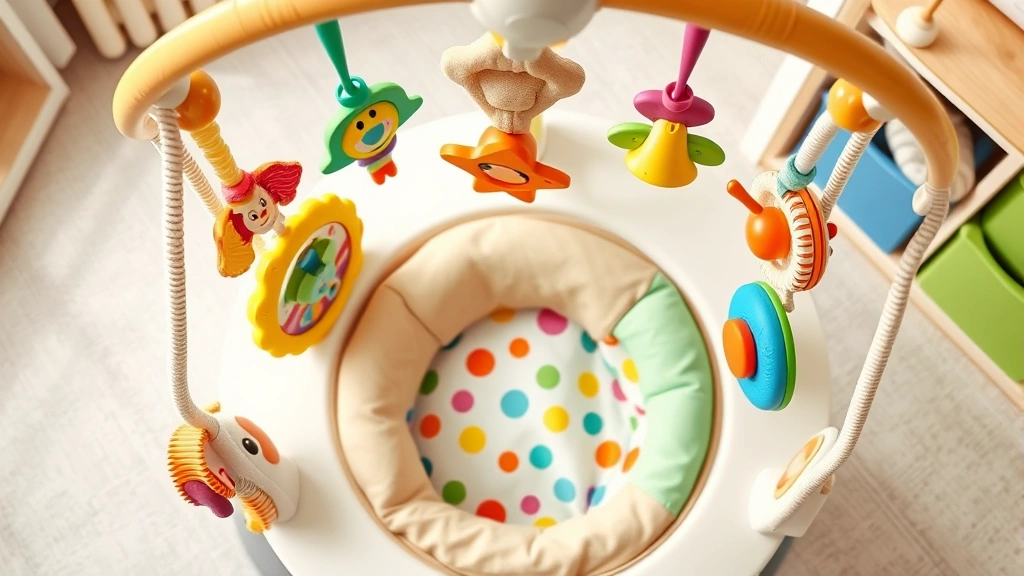
An activity center is a stationary baby play station featuring a seat or standing platform surrounded by interactive toys and activities. Unlike best baby walkers that allow movement around your home, activity centers keep your baby in one designated spot. The structure typically includes a padded seat (for younger babies) or a standing platform (for older babies), mounted on a sturdy base that won’t tip over easily.
The perimeter of the activity center is equipped with various attachments: spinning toys, buttons that make sounds, mirrors, teething rings, crinkly materials, and textures galore. Some models feature lights that flash, music that plays, or activities that respond to your baby’s touch. It’s like having multiple baby toys organized in one convenient location.
These centers come in different styles. Some resemble traditional round saucers with a seat in the middle. Others look more like rectangular play tables where your baby stands or sits. Premium models include features like adjustable heights to grow with your baby, removable toys for easy cleaning, and even electronic components with various play modes.
The fundamental purpose is straightforward: provide a safe, contained space where your baby can play independently while developing physical skills and cognitive abilities. It’s a legitimate piece of baby equipment that serves parents well when used appropriately.
How Do Activity Centers Work?
Activity centers operate on a simple principle: containment plus stimulation. Your baby sits or stands in the center, secured by safety straps, while surrounded by engaging activities at arm’s reach. The design encourages your baby to reach, grasp, spin, push, and explore without the risk of wandering into dangerous areas of your home.
Most activity centers feature multiple stations around the perimeter, each offering different types of play. One side might have a mirror and teething ring, another might feature buttons that produce sounds, and yet another could include spinning wheels or textured surfaces. This variety keeps babies engaged longer because there’s always something new to discover.
The best activity centers encourage active participation. When your baby presses a button, something happens. When they spin a wheel, it makes a sound. This cause-and-effect interaction is crucial for cognitive development. Your baby learns that their actions have consequences—a fundamental building block of learning.
Some activity centers include electronic components with multiple play modes. Music might play automatically, lights might flash, or sounds might activate when your baby touches certain areas. Others are completely mechanical, relying on your baby’s physical interaction to create engagement. Both types have merit; it depends on your preference and your baby’s interests.

Age Appropriateness and Safety
Activity centers aren’t appropriate for all ages. Most manufacturers recommend starting around 4 to 6 months of age, once your baby has developed sufficient neck control and can sit upright with minimal support. Jumping the gun and using an activity center too early can strain your baby’s developing spine and muscles.
The upper age limit typically ranges from 12 to 18 months, depending on the specific model and your baby’s size. Once your baby becomes mobile and starts crawling or walking, an activity center becomes less useful and potentially frustrating. At that point, your baby needs freedom to explore their environment, not confinement to one spot.
Safety is paramount when using an activity center. Always use the safety straps provided—they’re not optional extras. Your baby should be securely fastened to prevent them from slipping out or tipping the device. Check the weight and height limits specified by the manufacturer; exceeding these limits compromises safety.
Inspect the activity center regularly for loose parts, broken toys, or sharp edges. Babies are determined little creatures who will find and test every weak point. Keep the area around the activity center clear of hazards. Don’t place it near stairs, windows, or anything your baby might grab and pull down.
According to the American Academy of Pediatrics, stationary activity centers are safer than walkers because they don’t allow babies to access dangerous areas of the home. However, they should never be used as a substitute for supervision. Your baby should always be within sight and earshot while in an activity center.
Developmental Benefits for Your Baby
Activity centers offer genuine developmental advantages when used appropriately. Understanding these benefits helps you appreciate the tool beyond just getting a few minutes of peace.
Gross Motor Development: Standing in an activity center helps strengthen your baby’s legs, core, and balance. Babies naturally bounce, twist, and shift their weight, which builds the muscle strength needed for eventual walking. This is particularly valuable for babies working toward baby milestones related to standing and mobility.
Fine Motor Skills: Reaching for toys, grasping, and manipulating the various activities around the center develops hand-eye coordination and finger dexterity. Your baby learns to grip, release, and control their movements with increasing precision.
Cognitive Development: The cause-and-effect interactions in activity centers are invaluable for cognitive growth. Your baby learns that pressing a button produces a sound, spinning a wheel creates movement, or pulling a toy makes it squeak. This understanding forms the foundation for problem-solving and logical thinking.
Sensory Stimulation: Activity centers provide varied textures, sounds, and visual stimuli. Your baby experiences different materials—soft fabrics, hard plastic, crinkly papers—which develops sensory awareness and discrimination skills.
Independence and Confidence: Playing in an activity center allows your baby to explore and experiment safely without constant parental intervention. This builds confidence and encourages independent play, which is healthy for both baby and parent.
Research on baby development confirms that varied, stimulating environments support healthy cognitive and physical growth. Activity centers, when used appropriately, contribute to this developmental richness.

Choosing the Right Activity Center
Not all activity centers are created equal. Selecting the right one for your family involves considering several factors.
Size and Space: Measure your available space before purchasing. Activity centers are substantial pieces of equipment. Consider whether you’ll keep it permanently set up or need to store it away. Some models are more compact than others, so choose accordingly based on your living situation.
Weight and Stability: A heavier activity center is generally more stable and less likely to tip when your baby leans or bounces. Check reviews and specifications for stability ratings. A wobbly center defeats its purpose and creates safety concerns.
Adjustability: Look for models with adjustable seat heights or standing platforms. This feature extends the useful lifespan of the product since you can accommodate your growing baby. Some centers also have removable toys, which is convenient for cleaning and sanitizing.
Toy Variety: Consider what types of activities surround the center. Does it offer a good mix of textures, sounds, and visual stimulation? Are the toys age-appropriate? Some centers focus on electronic entertainment, while others emphasize tactile exploration. Choose based on your baby’s interests and your preferences.
Ease of Cleaning: Babies drool, spit up, and generally create messes. Choose an activity center with removable, washable seat covers and toys that can be easily wiped down. This maintenance consideration matters more than you might think after months of use.
Budget Considerations: Activity centers range from budget-friendly options under $100 to premium models exceeding $300. Mid-range options typically offer the best balance of quality, features, and value. Avoid the cheapest options, which often have stability and durability issues.
Brand Reputation: Research reviews from other parents. Look for consistent feedback about durability, safety, and whether babies actually enjoy the product. Brands with strong reputations and positive reviews are worth the investment.
Setup and Usage Tips
Getting the most out of your activity center involves proper setup and thoughtful usage practices.
Placement Matters: Position the activity center in a central area where you can supervise easily while doing other tasks. Avoid placing it near hazards like stairs, windows, or furniture your baby might pull down. Ensure the floor is level to prevent tipping.
Start Gradually: Introduce your baby to the activity center gradually. Don’t expect them to be thrilled immediately. Some babies need time to adjust to the new environment. Start with short sessions and gradually increase duration as your baby becomes comfortable.
Rotate Toys: Babies lose interest in the same activities quickly. If your activity center has removable toys, rotate them periodically. Swap in different toys from your collection to maintain novelty and interest. You can also use this strategy if you share an activity center with another family.
Use It Strategically: Activity centers work best when used intentionally, not as a constant babysitter. Use it during times when you need hands-free time for specific tasks: preparing meals, showering, or handling household responsibilities. This targeted approach keeps the novelty alive and prevents your baby from becoming bored.
Combine with best baby swings: Many parents find that combining activity centers with other stationary play options creates variety and prevents overuse of any single device. Different play stations offer different benefits and keep your baby engaged across multiple types of activities.
Supervision is Non-Negotiable: Never leave your baby unattended in an activity center for extended periods. Check on them regularly, respond to their cues, and engage with them. The goal is supervised independent play, not unsupervised confinement.
Know When to Stop: Once your baby becomes mobile and starts crawling or showing interest in exploring beyond the activity center, it’s time to phase it out. Continuing to use it past this point can actually frustrate your baby and limit their natural exploration and movement.
Activity Center Alternatives
While activity centers are wonderful tools, they’re not the only option for baby play and development. Understanding alternatives helps you make informed decisions about your setup.
Play Mats and Gyms: Floor-based play mats with hanging toys allow babies to play while lying down or sitting on the floor. These encourage free movement without confinement and are appropriate from birth. They’re excellent for tummy time and early sensory exploration.
Stationary Play Yards: Traditional playpens or play yards provide a safe enclosed space for play without the structured activities of an activity center. They offer freedom of movement while maintaining safety boundaries.
Baby Gates and Safe Spaces: Creating a baby-proofed room or area allows your baby to explore freely within safe boundaries. This approach encourages natural curiosity and movement without the confinement of an activity center.
Interactive Toys: Individual toys that encourage exploration, manipulation, and problem-solving provide similar developmental benefits without the stationary constraint. These can be rotated regularly to maintain interest.
Parent-Directed Play: Simply playing with your baby, reading books together, or exploring household items under supervision provides rich developmental opportunities. This doesn’t require any equipment beyond your presence and attention.
The most effective approach typically combines multiple play options. An activity center works beautifully as one component of a diverse play environment that includes floor play, free exploration, and interactive time with caregivers.
Frequently Asked Questions
Q: At what age can I start using an activity center?
A: Most activity centers are appropriate starting around 4 to 6 months of age, once your baby has developed adequate neck control and can sit upright with support. Always check the manufacturer’s recommendations for your specific model, as some are designed for slightly older or younger babies.
Q: Is an activity center the same as a baby walker?
A: No, they’re different devices. Activity centers are stationary—your baby stays in one spot. Walkers allow your baby to move around the home. Activity centers are generally considered safer because they don’t allow access to hazardous areas. Learn more about the differences by exploring our guide on the best baby walker options.
Q: How long can my baby stay in an activity center?
A: While there’s no strict limit, most experts recommend limiting sessions to 15-30 minutes at a time, several times daily. Excessive use can lead to boredom and may not provide the variety of play experiences your baby needs. Activity centers work best when used strategically, not as an all-day entertainment solution.
Q: Will an activity center delay my baby’s walking?
A: No, when used appropriately, activity centers don’t delay walking development. They actually strengthen the leg and core muscles needed for walking. However, overuse combined with limited floor time and free movement could theoretically impact development. Balance activity center time with plenty of floor play and supervised exploration.
Q: Are activity centers safe?
A: Yes, when used properly. Always use safety straps, ensure the device is stable and on level ground, and never leave your baby unattended. Check regularly for broken parts or hazards. According to pediatric guidelines, stationary activity centers are safer than walkers, but they require responsible use.
Q: What’s the difference between an activity center and an exersaucer?
A: These terms are often used interchangeably. An exersaucer is simply a brand name (Fisher-Price’s Exersaucer) that has become generic. All exersaucers are activity centers, but not all activity centers are exersaucers. The distinction is mainly about branding rather than function.
Q: Can I use an activity center for a second child?
A: Yes, activity centers are durable enough for multiple children when well-maintained. Thoroughly clean and sanitize it between children. Check for wear and tear, replace any worn toys, and ensure all safety features are intact before using it with a second baby.
Q: Should I choose an electronic or mechanical activity center?
A: Both have advantages. Electronic centers with lights and sounds provide extra stimulation but require batteries and may overstimulate some babies. Mechanical centers encourage your baby to create the action through their own efforts, promoting active engagement. Choose based on your baby’s temperament and your preferences. Some parents prefer a mix of stimulation levels across different play options.
Q: How does an activity center compare to other play equipment?
A: Activity centers fill a specific niche in your baby’s play environment. They offer more structure than floor play mats but less freedom than baby gates in a safe room. Many parents find they work best alongside other options like baby swings and floor play mats, creating variety in your baby’s play experiences.
Q: Is an activity center necessary?
A: No, it’s not essential. Babies can develop normally without one using alternative play options. However, many parents find activity centers incredibly useful for providing supervised independent play while they handle other tasks. Whether to purchase one depends on your space, budget, and parenting style.
Q: What are signs my baby is ready to transition away from an activity center?
A: When your baby becomes mobile (crawling or cruising), shows frustration with confinement, or loses interest in the activities, it’s time to phase it out. This typically happens around 12-18 months but varies by individual baby. Continuing to use an activity center past this point can actually limit important developmental exploration.
Activity centers represent a thoughtful investment in your baby’s play environment when used intentionally. They’re not miracle devices or necessary purchases, but for many families, they provide genuine value during a specific developmental window. The key is understanding what they are, using them appropriately, and recognizing when it’s time to move on to the next stage of play and exploration. Combined with diverse play experiences and plenty of parental engagement, an activity center can be a helpful tool in supporting your baby’s healthy development and giving yourself occasional breathing room—which matters for your wellbeing too.