Are Baby Black Widows Dangerous? Expert Insights for Concerned Parents
Finding a spider in your home sends most parents into immediate panic mode, especially when you’re unsure what species you’re dealing with. The real anxiety kicks in when someone mentions “black widow,” and suddenly you’re imagining worst-case scenarios involving your curious toddler or adventurous older child. But here’s the thing: understanding the actual threat posed by baby black widows is far more reassuring than the Hollywood horror movie version playing in your head.
The truth is nuanced. Baby black widows—also called juvenile black widows—are genuinely venomous, but they’re far less dangerous than their adult counterparts, and far less dangerous than most parents fear. This distinction matters enormously when you’re trying to balance genuine safety concerns with avoiding unnecessary anxiety. Let’s dig into what the science actually tells us, what real risks exist in your home, and how to respond if you encounter one.
As parents, we’re constantly weighing threats and probabilities. We worry about things that rarely happen while sometimes overlooking genuine everyday hazards. Understanding baby black widows fits into this broader context of baby safety decision-making, where knowledge genuinely reduces anxiety.
Identifying Baby Black Widows
Here’s where many people go wrong: they see any small dark spider and immediately assume it’s a baby black widow. The reality is more specific. Baby black widows are juvenile versions of the adult female black widow spider, scientifically known as Latrodectus mactans. Understanding what to actually look for helps you avoid unnecessary alarm.
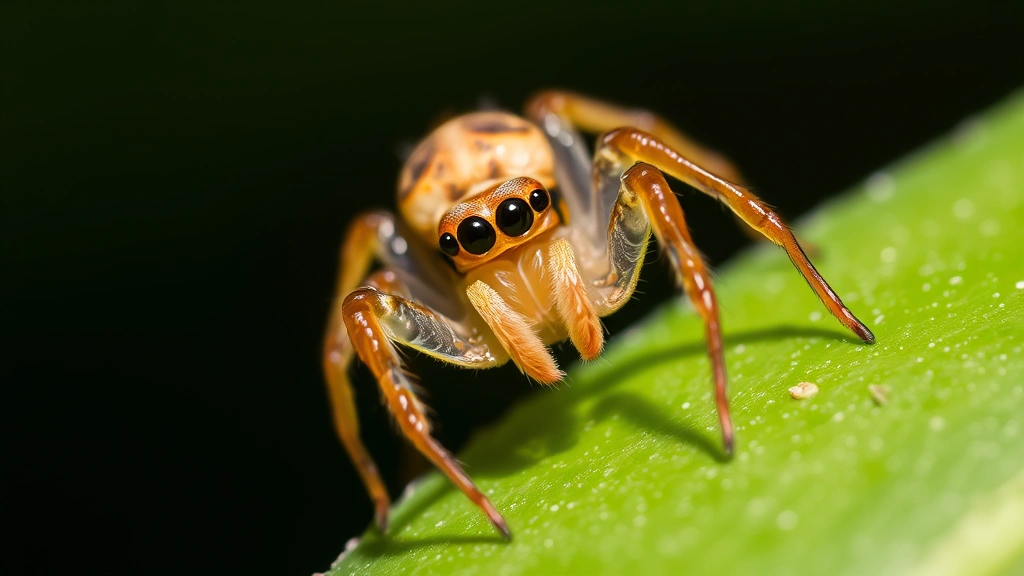
Adult female black widows are distinctly recognizable—they’re shiny black with a red or orange hourglass marking on their abdomen. Baby black widows, however, look quite different from their mothers. Newborn black widows are typically pale or tan-colored, not the dramatic black you’d expect. As they mature through several molts, they gradually darken, but they don’t develop the characteristic hourglass marking until they reach adulthood.
Most baby black widows are extremely small—we’re talking the size of a pinhead when first hatched. Even as they grow through their juvenile stages, they remain considerably smaller than adults. Their leg span as babies might reach only a quarter to half inch, making them easy to miss entirely or to confuse with dozens of other common household spider species.
When examining a suspected baby black widow, look for these characteristics: a relatively smooth, oval body (not fuzzy), thin legs proportional to their body, and a tendency to hang in irregular webs rather than creating organized geometric patterns. The coloring might surprise you—instead of black, you might see brown, tan, or even slightly reddish tones. If you’re genuinely concerned about baby spiders in your home, photography and consultation with a local pest control professional is far more reliable than guessing.

Venom Potency and Actual Danger
Let’s address the core concern directly: yes, baby black widows possess venom. They’re born with it, and they can deliver it through a bite. But here’s the critical distinction that changes everything: the amount of venom a baby black widow can inject is dramatically smaller than what an adult delivers.
According to research from the National Poison Data System, severe black widow envenomation typically requires the full venom load of an adult female. Baby black widows, with their minimal venom reserves, simply cannot deliver a dose substantial enough to cause serious systemic effects in most cases. This is basic biology—smaller creatures have smaller venom glands and smaller venom production.
The actual statistical risk is remarkably low. The American Academy of Pediatrics and poison control centers across the country receive far more calls about potential spider bites than actual confirmed serious injuries. When serious black widow envenomation does occur, it’s overwhelmingly from adult females, typically in situations involving direct contact or accidental crushing.
It’s also worth noting that black widows are not aggressive spiders. They don’t actively seek out humans or children. They’re ambush predators that hang in their webs waiting for insects. A bite would require either direct handling of the spider or accidental contact—like putting on a shoe that contains a spider, or reaching into a dark space where one is hiding. Casual proximity alone poses essentially zero risk.
The venom that baby black widows do possess works by affecting the nervous system, but the quantity matters enormously for the severity of effects. Think of it like medication dosing—the same drug at one-tenth the dose produces vastly different outcomes.
What Happens If Someone Gets Bitten
Understanding potential bite symptoms helps you distinguish between actual concern and anxiety. If a baby black widow bite did occur—which remains genuinely unlikely—what would you actually observe?
Immediate effects would likely be minimal. There might be slight redness or a small puncture mark at the bite site, similar to a mosquito bite. Some people experience local pain, though baby black widow bites often produce less localized discomfort than adult bites. The venom works systemically, meaning it affects the whole body rather than just the bite area.
If enough venom were delivered to cause systemic effects, you might observe muscle pain, particularly in the legs, abdomen, or chest. Some people experience cramping sensations. There could be mild sweating or slight elevation in blood pressure. These symptoms, if they occurred, would typically develop within a few hours and resolve within 24-48 hours for minor envenomations.
Serious symptoms—the ones that actually warrant emergency care—include severe muscle rigidity, difficulty breathing, severe hypertension, or seizures. These outcomes are exceptionally rare from baby black widow bites and would require multiple bites or unusually large venom delivery. For context, CDC data on spider bite hospitalizations shows that serious outcomes are vanishingly rare, and most hospitalizations involve confirmed adult black widow bites in specific circumstances.
The key point: if someone in your household is bitten by what you believe is a baby black widow, monitor them for symptoms, clean the bite area like any minor wound, and contact poison control if you’re concerned. You don’t need to panic, but you do need to observe and report symptoms if they develop. Poison control can provide specific guidance based on actual symptoms rather than hypothetical scenarios.

Practical Prevention Strategies
Rather than obsessing over baby black widows specifically, practical prevention focuses on general spider management and reducing conditions that attract any spiders to your home. This approach handles baby black widows while also addressing other potential pest issues.
Start with environmental management. Spiders thrive where insects congregate. Reducing other insect populations naturally reduces spider presence. This means eliminating standing water where mosquitoes breed, sealing food storage to prevent pantry pests, and managing outdoor lighting that attracts insects. A spider-free home is essentially an insect-sparse home.
Decluttering significantly impacts spider populations. Spiders love hiding spaces—piles of boxes, stacked items in corners, cluttered closets, and undisturbed storage areas. Regular decluttering removes ideal spider habitat. This is particularly important in basements, attics, and garages where spiders commonly establish themselves.
Seal entry points where spiders can enter. Check around windows, doors, utility penetrations, and foundation cracks. Weather stripping and caulk are inexpensive investments. While you can’t seal your home completely, reducing obvious entry points helps.
Regular cleaning removes spider webs and discourages web-building spiders from establishing residence. Vacuuming corners, dusting surfaces, and wiping down areas where you notice webs all contribute to making your home less hospitable to spiders.
For specific areas of concern, sticky traps can help monitor spider activity without using pesticides around your family. These traps tell you whether you actually have a spider problem or whether you’re dealing with occasional visitors.
If you do use pesticides, ensure they’re applied safely away from areas where children play, and follow all label instructions carefully. Many parents find that environmental management alone addresses spider concerns without chemical intervention.
How to Respond If You Find One
Discovery of a suspected baby black widow prompts different responses depending on where you find it and how concerned you actually are. Not every spider sighting requires action.
First, confirm identification if possible. Take a photo and consult local pest control professionals or your local extension office. Many suspected black widows turn out to be harmless species. Proper identification prevents unnecessary stress and inappropriate responses.
If you’re confident it’s a baby black widow and it’s in a location where children might encounter it, removal is reasonable. You have several options: carefully trap it using a cup and paper, then release it outside; use a vacuum to capture it; or simply leave it alone if it’s in an inaccessible location. None of these approaches require panic or extreme measures.
Teach children not to handle spiders or put their hands into dark spaces without looking first. This general rule addresses baby black widows while also protecting against other hazards. Supervision and education matter far more than attempting to eliminate every spider from your environment.
If you’re finding multiple spiders, including suspected baby black widows, this suggests an insect problem attracting them. Address the underlying issue—the abundance of prey—rather than just treating the spiders.
Remember that general baby safety practices apply here. Keeping your home clean, decluttered, and well-maintained addresses spider concerns alongside numerous other health and safety benefits.
How They Compare to Other Household Spiders
Putting baby black widows in context helps normalize the actual risk. Your home likely contains numerous spider species, most of which are completely harmless and actually beneficial.
The vast majority of household spiders are entirely non-venomous to humans or possess venom so weak it has no effect on our size. Jumping spiders, wolf spiders, and orb-weaver spiders are common household residents that pose zero threat to people while actively controlling insect populations.
Among venomous spiders present in North America, brown recluse spiders are often discussed alongside black widows. However, brown recluse bites are also exceptionally rare, and many suspected brown recluse bites turn out to be other conditions entirely. Like black widows, they’re not aggressive and require direct contact to bite.
When comparing baby animals generally, baby spiders are far less dangerous than many people assume. A baby snake, baby wasp, or baby scorpion poses different risk profiles entirely. Baby black widows specifically fall into the “minimal actual risk” category.
The statistical reality: your family faces far greater risk from falls, drowning, vehicle accidents, and food-borne illness than from any spider bite, including black widows. This isn’t to dismiss spider concerns entirely, but to place them in appropriate perspective within the broader landscape of actual family safety priorities.
If you’re concerned about baby bed bugs or other household pests, those warrant different prevention and response strategies than spiders. Each pest presents different challenges and solutions.
Frequently Asked Questions
Can a baby black widow kill a child?
Fatalities from baby black widow bites are extraordinarily rare, essentially unheard of in modern medical literature. Adult black widow bites can cause serious illness, but baby black widows lack sufficient venom quantity to produce life-threatening effects in children or adults. Seek medical attention if bitten and symptoms develop, but death from a baby black widow bite is not a realistic concern.
How do I know if my child was bitten by a baby black widow?
Confirming a baby black widow bite is actually quite difficult without seeing the spider itself. Most spider bite diagnoses are presumptive rather than confirmed. If your child has unexplained muscle pain, localized redness, or other symptoms following potential spider exposure, contact your pediatrician or poison control. They can help determine whether a spider bite is likely and what symptoms warrant concern.
Should I call poison control if I suspect a baby black widow bite?
Yes, calling poison control is appropriate if you suspect any spider bite and symptoms develop. Poison control specialists can provide specific guidance based on actual symptoms rather than hypothetical scenarios. They’re equipped to help determine whether symptoms are consistent with spider envenomation and what monitoring or treatment might be appropriate. The call is free and confidential.
Are baby black widows more or less dangerous than adults?
Baby black widows are significantly less dangerous than adults. Adult females possess substantially more venom and can deliver larger quantities. The progression from juvenile to adult involves not just size increase but also venom gland development. While baby black widows are technically venomous, they’re far less medically significant than their adult counterparts.
What should I do if I find a baby black widow in my child’s room?
Take a photo for identification confirmation, then calmly remove it. Use a cup and paper method, vacuum it up, or contact a local pest control professional if you’re uncomfortable handling it. Don’t use pesticides in sleeping areas. Once removed, focus on prevention—seal entry points, reduce clutter, and maintain cleanliness. A single spider sighting doesn’t indicate an infestation.
Do baby black widows make webs I should watch for?
Baby black widows create irregular, tangled webs rather than organized geometric patterns. These webs are small and easy to miss. Checking dark corners, storage areas, and undisturbed spaces occasionally helps you identify spider activity, but obsessive web-hunting isn’t necessary. Regular cleaning naturally removes webs and discourages web-building spiders.
Can baby black widows bite through clothing?
Baby black widows have very small fangs and limited biting force. They cannot reliably bite through typical clothing. Bites occur when spiders contact bare skin directly. This is another reason why accidental bites are so rare—casual contact through clothing poses no risk.
Is it normal to find baby black widows in homes?
Finding baby black widows is relatively uncommon in most homes, though black widows do occasionally enter structures seeking shelter and prey. If you’re finding multiple baby black widows, you likely have a black widow population nearby or an abundance of insects attracting them. A single sighting is generally not concerning and doesn’t indicate infestation.