What Are Baby Bonnets? Fashion Insights for Modern Parents
If you’ve scrolled through baby fashion blogs or walked past a vintage clothing store, you’ve probably encountered the charming world of baby bonnets. These delightful head coverings have experienced quite the renaissance in recent years, moving from purely practical Victorian-era garments to beloved fashion statements that grace everything from newborn photoshoots to special occasions. But what exactly makes a bonnet different from other baby hats, and why are parents suddenly obsessed with them?
Baby bonnets represent a fascinating intersection of functionality, heritage, and contemporary style. Whether you’re a parent searching for sun protection, a photographer styling a newborn session, or simply someone enchanted by adorable baby accessories, understanding the nuances of bonnets helps you make informed choices that work for your family. This comprehensive guide explores everything from bonnet styles and materials to practical care tips and styling ideas.
The resurgence of bonnets in modern parenting reflects a broader trend toward vintage-inspired, intentional baby fashion. Unlike trendy character-themed hats that lose appeal within months, quality bonnets possess timeless charm that photographs beautifully and often becomes a cherished keepsake.
Defining Baby Bonnets: More Than Just a Hat
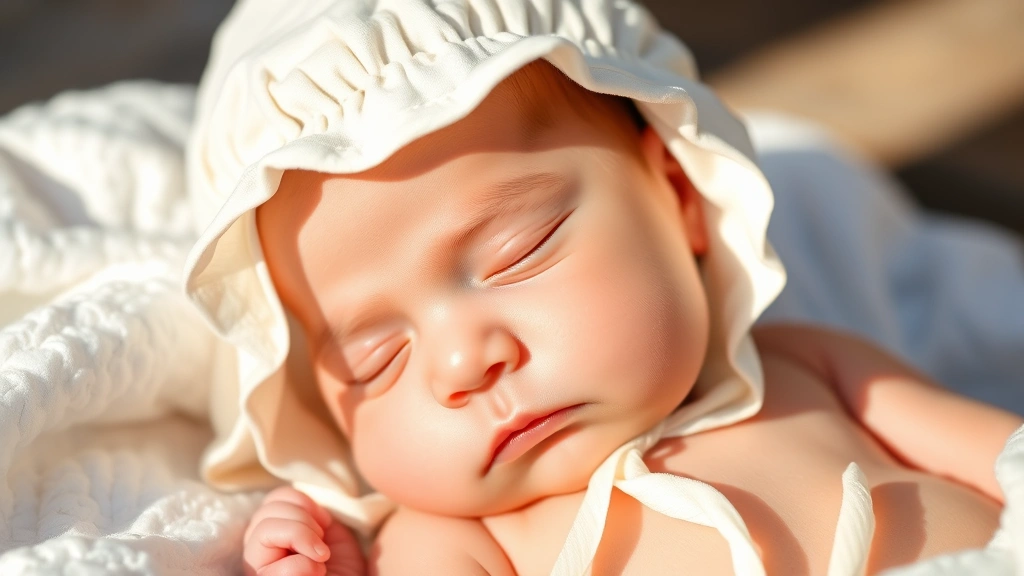
A baby bonnet is a soft, typically rounded head covering that ties under the chin with ribbons or fabric straps. Unlike standard baby hats that sit on top of the head, bonnets feature a distinctive brim or ruffle that frames the face and provides shade. The defining characteristic is the chin tie—a practical element that keeps the bonnet secure while allowing it to be easily removed without fumbling with elastic bands.
The structure of a bonnet traditionally includes several key components: a gathered or pleated crown that sits on the head, a curved brim or frill that extends forward, and adjustable ties that fasten beneath the chin. This design has remained relatively consistent for centuries, which speaks to its functionality and enduring appeal.
What distinguishes bonnets from other head coverings is their decorative yet practical nature. They offer genuine sun protection while maintaining an aesthetic appeal that coordinates beautifully with both casual and formal baby attire. Modern bonnets blend this heritage design with contemporary materials and construction methods, making them suitable for various climates and occasions.
Popular Bonnet Styles and Designs
The bonnet world is surprisingly diverse, with styles ranging from minimalist modern designs to elaborately embellished vintage-inspired pieces. Understanding the different categories helps you select options that match your personal style and your baby’s needs.
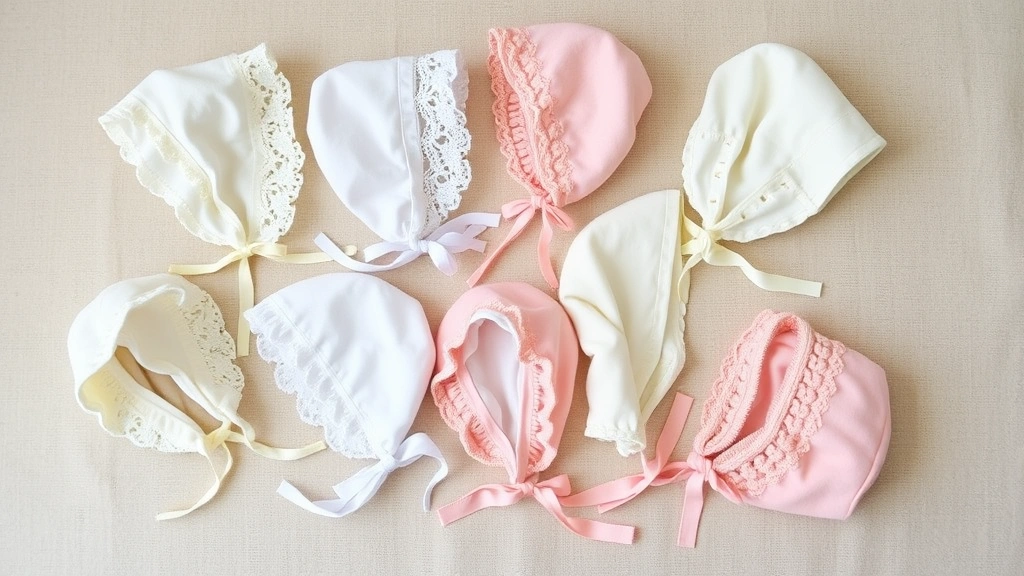
Classic Cotton Bonnets represent the most versatile category. These simple, understated designs typically feature a plain or gently patterned cotton exterior with a soft lining. They work equally well for everyday wear and special occasions, making them the go-to choice for parents seeking functionality without fuss.
Heirloom Bonnets are the showstoppers—elaborate creations featuring lace, embroidery, smocking, and delicate ribbons. Often handmade or artisan-crafted, these bonnets are typically reserved for milestone events like christenings, formal family photos, or special celebrations. Many families preserve heirloom bonnets as keepsakes, sometimes passing them down through generations.
Sun Protection Bonnets prioritize coverage and functionality, typically featuring wider brims and UPF-rated fabrics. These are ideal for beach days, outdoor activities, and sunny climates. They often come in playful prints and vibrant colors that appeal to active families.
Seasonal Bonnets adapt to weather conditions. Winter versions feature fleece linings and warmer materials, while summer bonnets utilize lightweight, breathable fabrics. Baby winter clothes collections often include bonnet options specifically designed for cold weather protection.
Coordinated Sets pair bonnets with matching clothing items. You might find bonnet-and-dress sets or bonnet-and-romper combinations that simplify outfit coordination for special occasions.

Materials and Fabric Choices
The material composition of a bonnet significantly impacts its comfort, durability, and suitability for different situations. Understanding fabric options helps you select bonnets that work well with your baby’s skin sensitivity and your climate.
Cotton remains the most popular choice for everyday bonnets. It’s breathable, soft against delicate skin, and typically hypoallergenic. Cotton bonnets work well across seasons and are generally easy to care for. Look for organic cotton options if you’re concerned about pesticide exposure.
Linen offers excellent breathability and temperature regulation, making it ideal for warm climates. Linen bonnets have a slightly more textured appearance and develop a lovely patina with age, adding to their charm. They’re particularly popular in summer bonnet designs.
Silk and Silk Blends provide a luxurious feel and are gentle on baby’s skin. Silk bonnets are often chosen for formal occasions and special photography sessions. They’re more delicate and require careful washing, but many parents consider the investment worthwhile for the elegance they bring to milestone photos.
Fleece and Thermal Fabrics appear in winter bonnets, providing warmth without excessive bulk. These materials are practical for cold weather while remaining soft and comfortable against a baby’s face.
Lace and Embellished Fabrics feature in heirloom-style bonnets. These materials are typically reserved for special occasions since they require more careful handling. Lace overlays add visual interest while maintaining breathability.
The lining material deserves equal consideration. Cotton sateen, muslin, or soft jersey linings enhance comfort and prevent irritation. Some bonnets feature contrasting linings in complementary colors or patterns, adding visual appeal when the bonnet is removed.
Practical Benefits Beyond Aesthetics
While bonnets undoubtedly look adorable, they serve several genuinely practical purposes that make them more than just fashion accessories.
Sun Protection is perhaps the most significant practical benefit. The brim and ruffle of a bonnet shield your baby’s face, ears, and neck from direct sun exposure. According to the American Academy of Pediatrics, protecting infants from excessive sun exposure is crucial for preventing skin damage and reducing long-term health risks.
Temperature Regulation matters more than many parents realize. Babies lose heat through their heads, so bonnets help retain warmth in cool weather. Conversely, lightweight bonnets in summer protect from sun while allowing air circulation, helping prevent overheating.
Safety and Security come into play during outdoor activities. The chin tie keeps the bonnet securely in place, preventing it from being pulled off or lost during movement. This is particularly valuable when traveling or in busy environments.
Ear Protection is especially important during the newborn period. The bonnet’s design naturally covers and protects delicate ears from wind, cold air, and direct sun exposure.
Skin Protection extends beyond sun exposure. Bonnets protect sensitive newborn skin from wind, irritating fabric tags from other clothing, and environmental irritants. Babies with eczema or sensitive skin often tolerate bonnets well since they prevent rubbing against other fabrics.
Styling Baby Bonnets for Different Occasions
The versatility of bonnets makes them suitable for countless occasions, from casual outings to formal celebrations. Here’s how to style bonnets appropriately for different situations.
Everyday Casual Looks pair simple cotton bonnets with basic baby girl clothes like rompers, simple dresses, or coordinated sets. A neutral bonnet in white, cream, or soft pastels works with virtually any outfit. This is your daily go-to option for park visits, outdoor playtime, and neighborhood strolls.
Photography Sessions offer opportunities to showcase more elaborate bonnets. Professional photographers often recommend heirloom-style bonnets for newborn and milestone photography. Ensure the bonnet coordinates with the overall aesthetic—vintage-inspired bonnets work beautifully in neutral palettes, while more modern designs complement contemporary styling.
Special Occasions and Celebrations call for your finest bonnets. Christenings, formal family photos, and special celebrations are perfect moments for embellished designs featuring lace, embroidery, or delicate ribbons. These bonnets often coordinate with formal dresses or dressy outfits, creating cohesive, memorable looks.
Gender-Neutral Options make bonnets work for any baby. While traditionally associated with girls, modern bonnet designs come in styles that work beautifully for any gender. Neutral colors, minimalist designs, and contemporary aesthetics appeal to parents seeking gender-inclusive baby fashion.
Seasonal Styling adapts your bonnet choices to weather. In summer, pair lightweight linen or cotton bonnets with short sleeves and light fabrics. Winter styling incorporates warmer bonnets with fleece or thermal linings, coordinating with baby winter clothes for cohesive warmth.
Accessory Coordination enhances bonnet styling. Consider how the bonnet’s ribbons, colors, and details coordinate with other accessories like mittens, booties, or blankets. Matching or complementary colors create polished, intentional looks.
Care and Maintenance Tips
Proper care extends the life of your bonnets, particularly important for investment pieces or heirloom designs intended to last through multiple children or serve as keepsakes.
Regular Cleaning keeps bonnets fresh and hygienic. Most cotton bonnets tolerate gentle machine washing in cool water with mild detergent. Delicate or embellished bonnets benefit from hand washing to preserve details. Always check care labels before washing, as some bonnets have specific requirements.
Drying Methods matter for maintaining shape and preventing shrinkage. Air drying is ideal—lay bonnets flat on a clean towel or hang them gently. Avoid direct heat from dryers, which can damage delicate fabrics and cause shrinkage. If ironing is necessary, use low heat and iron from the inside to protect any embellishments.
Storage Solutions prevent damage during periods of non-use. Store clean, dry bonnets in a cool, dry location away from direct sunlight. Acid-free tissue paper helps preserve heirloom pieces. Some families use cedar blocks or lavender sachets to prevent moth damage, though ensure these don’t come into direct contact with the bonnet.
Stain Treatment requires prompt attention. For food or spit-up stains, rinse with cool water immediately and treat with gentle stain remover before washing. Avoid hot water, which can set protein-based stains.
Ribbon and Tie Care deserves special attention since these elements are prone to fraying or damage. Occasionally check that ribbons remain secure and intact. If ribbons become worn, they can often be replaced or refreshed by seamstresses familiar with delicate work.
Preservation of Heirloom Pieces might include professional cleaning and storage services. For bonnets with significant sentimental or monetary value, consulting a textile conservator ensures proper long-term preservation.
Shopping Guide and Price Ranges
The bonnet market spans a wide price range, from budget-friendly basics to luxury designer pieces. Understanding the landscape helps you make purchases aligned with your budget and values.
Budget-Friendly Options ($15-40) typically include simple cotton bonnets from mainstream retailers and online marketplaces. These offer excellent value for everyday wear and are perfect for parents building a collection without significant investment. They’re ideal for babies who might outgrow them quickly.
Mid-Range Selections ($40-100) include quality bonnets from specialty baby boutiques and established children’s brands. These often feature better construction, higher-quality materials, and more thoughtful design. This range is where many parents find their sweet spot—good quality without premium pricing.
Premium and Heirloom Pieces ($100-500+) represent luxury investment pieces. These include artisan-made bonnets, designer pieces, and elaborate heirloom designs. They’re crafted with exceptional attention to detail, feature premium materials, and often become cherished keepsakes.
Where to Shop varies based on your preferences. Online retailers offer convenience and broad selection, though you can’t assess quality in person. Specialty baby boutiques provide expert guidance and curated selections. Vintage and secondhand markets offer unique, often more affordable options. Local craftspeople and Etsy sellers provide artisan-made pieces with personalization options.
What to Look For when shopping includes quality stitching, secure seams, soft linings, and adjustable chin ties. Ensure the bonnet doesn’t have loose threads, rough edges, or inadequate construction. Reading reviews from other parents provides valuable insight into durability and fit.
Sizing Considerations matter since babies grow quickly. Most bonnets are one-size-fits-most, but some brands offer newborn and larger baby sizes. Measure your baby’s head circumference if concerned about fit, and look for adjustable designs that accommodate growth.
Frequently Asked Questions
Are baby bonnets safe for sleeping?
No, bonnets should not be worn during sleep. The American Academy of Pediatrics recommends avoiding soft objects, loose bedding, and head coverings in the sleep environment, as these items increase the risk of suffocation. Remove bonnets before placing your baby down for naps or nighttime sleep. Bonnets are designed for supervised, awake time only.
What age can babies wear bonnets?
Bonnets can be worn from newborn age, though newborns should only wear them during supervised awake time, never while sleeping. Many parents find bonnets particularly useful during the first several months when outdoor protection is important and before babies develop fine motor skills to pull at accessories. As babies grow and become more mobile, some parents transition away from bonnets, though others continue using them for outdoor activities.
How do I choose between bonnets and other baby headbands?
Bonnets and headbands serve different purposes. Bonnets provide superior sun and weather protection through their extended brim and ruffle design, making them ideal for outdoor activities. Headbands are more minimal and decorative, working better for photos, indoor wear, or occasions where you want a delicate accent without full coverage. Consider your primary use when choosing between these options.
Can I use bonnets for both boys and girls?
Absolutely. While bonnets have traditionally been marketed toward girls, many modern designs work beautifully for any baby regardless of gender. Look for neutral colors like cream, white, soft gray, or sage green, and minimalist designs without heavily gendered embellishments. Many contemporary bonnet makers intentionally create gender-neutral options.
How much sun protection do bonnets actually provide?
Bonnets provide meaningful but not complete sun protection. They shade the face, ears, and neck from direct sun exposure, significantly reducing UV exposure to these sensitive areas. However, they work best as part of a comprehensive sun protection strategy that includes protective clothing, shade seeking, and sunscreen on exposed areas. The CDC recommends multiple layers of sun protection for young children.
What’s the difference between a bonnet and a sun hat?
While these terms are sometimes used interchangeably, bonnets typically feature a gathered crown and chin tie, while sun hats might have different construction. Bonnets generally offer more face framing and protection, with the tie keeping them secure. Sun hats might be broader but lack the distinctive bonnet structure. Both serve sun protection purposes; bonnets simply offer a specific aesthetic and functional design.
Are expensive bonnets worth the investment?
This depends on your priorities and budget. Expensive heirloom bonnets are worthwhile if you plan to preserve them as keepsakes or use them for significant milestone photography. They’re crafted with superior materials and construction that often lasts through multiple children. For everyday wear, budget-friendly options provide excellent value. Many parents invest in one special bonnet for photos or occasions while using affordable versions for daily use.
How do I get my baby to keep a bonnet on?
Start young—babies who wear bonnets from early infancy typically accept them more readily. Ensure proper fit so the bonnet isn’t uncomfortable or too tight. The chin tie should be snug but not restrictive. Make bonnet-wearing positive and brief initially, gradually extending wear time as your baby adjusts. Soft, comfortable materials help with acceptance. Some babies simply prefer going without, and that’s okay—you can’t force every accessory on every child.
Can bonnets work with other baby boy clothes styles?
Yes, modern bonnet designs coordinate beautifully with contemporary baby boy clothing. Neutral-toned bonnets pair well with rompers, simple outfits, and casual wear. The key is selecting bonnet styles that align with your overall aesthetic—minimalist bonnets work with modern baby fashion, while vintage-inspired bonnets coordinate with classic, timeless styles.