What Is a Baby Bottle Brush? Expert Guide to Keeping Bottles Spotless
Let’s be honest: washing baby bottles by hand is tedious. Between the narrow necks, the nipple crevices, and the stubborn milk residue that seems to calcify overnight, you’re basically playing a frustrating game of bottle roulette every single day. Enter the baby bottle brush—a surprisingly simple tool that transforms this chore from maddening to manageable.
If you’re wondering whether a baby bottle brush is just another unnecessary baby gadget designed to drain your wallet, think again. This humble cleaning tool is genuinely one of those items that earns its place in your kitchen drawer. Whether you’re exclusively bottle-feeding, supplementing, or just need backup bottles for when you’re out, understanding what makes a good bottle brush can save you time, frustration, and potentially some money.
In this guide, we’ll walk through everything you need to know about baby bottle brushes—from how they work to which features actually matter, plus some practical tips for keeping those bottles pristine and bacteria-free.
What Exactly Is a Baby Bottle Brush?
A baby bottle brush is a specialized cleaning tool designed specifically for washing the interior and exterior of infant feeding bottles. Unlike your standard kitchen brush, it features a long, narrow handle with bristles arranged to reach into bottle necks and crevices where regular sponges simply can’t go.
The typical baby bottle brush consists of a handle (usually plastic or silicone) with bristles at one end. What makes it different from a regular bottle brush is that it’s designed with baby safety in mind—the bristles are usually softer to avoid scratching bottles, and the overall construction prioritizes thorough cleaning without damaging delicate bottle materials or leaving behind bristles.
Think of it as the specialized tool that bridges the gap between your hands and those impossibly narrow bottle interiors. It’s particularly essential if you’re using baby bottles regularly, whether you’re breastfeeding and pumping or formula feeding exclusively.
Why It Actually Matters for Your Baby’s Health
This isn’t just about aesthetics. Proper bottle cleaning directly impacts your baby’s health, and this is where a bottle brush becomes genuinely important rather than just convenient.
Milk residue left inside bottles can harbor bacteria and mold, especially in those hard-to-reach spots. According to the CDC, proper sanitization of feeding equipment is critical for preventing infections in infants. When you can’t effectively clean bottle interiors, you’re creating an environment where bacteria can multiply—something no parent wants to think about.
Babies have developing immune systems, which means they’re more vulnerable to foodborne pathogens and bacteria that older children and adults might shrug off. A bottle brush that thoroughly removes milk residue, formula buildup, and other debris significantly reduces the risk of contamination. It’s one of those preventive measures that feels small but carries real weight.
Additionally, leftover formula or milk can ferment and create an unpleasant smell, which isn’t just gross—it’s a sign that bacteria is thriving. Regular, thorough cleaning with an appropriate brush prevents this entirely.
Types of Baby Bottle Brushes
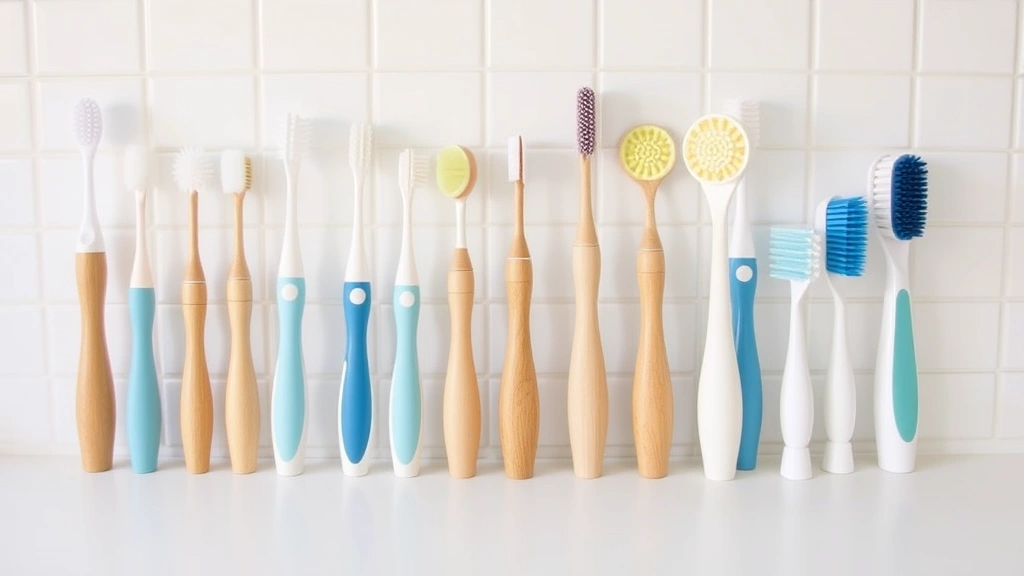
Not all bottle brushes are created equal. Understanding the different types helps you choose what actually works for your situation.
Standard Bottle Brushes
The classic design features a long handle with bristles concentrated at the end. This is your workhorse option—affordable, effective, and versatile enough to handle most bottle shapes. These typically work well with straight-sided bottles and are the most common choice among parents.
Angled or Curved Brushes
Some bottle brushes feature angled heads that help you reach the bottom curves and sides more effectively. If you’re using bottles with particularly wide bottoms or unusual shapes, an angled brush can make the job significantly easier.
Combination Brushes
These clever tools combine a bottle brush with a smaller nipple brush on the other end. Since nipples require separate, more delicate cleaning, having both tools integrated into one item saves counter space and makes the entire process more efficient.
Silicone Brushes
A newer option, silicone bottle brushes use flexible silicone bristles instead of traditional nylon. They’re gentler on bottles, less likely to shed bristles, and many parents appreciate that they’re easier to clean and dry thoroughly.
Electric or Automated Brushes
For parents who want maximum convenience, electric bottle brushes exist and do the scrubbing automatically. While pricier, they can be helpful if you’re dealing with particularly stubborn residue or simply want to minimize hands-on work.
Key Features to Look For
When you’re shopping for a bottle brush, these features actually make a difference in daily use.
Bristle Quality: Look for brushes with densely packed bristles that won’t shed easily. Bristles that fall out end up in your bottles (and potentially in your baby’s mouth), so this matters more than you’d think. Softer bristles are generally better since they clean effectively without scratching bottle materials.
Handle Design: A comfortable, ergonomic handle makes this repetitive task less annoying. Ideally, the handle should be long enough to reach the bottom of your bottles without requiring awkward hand positions. Textured or non-slip handles are bonus features that make gripping easier when wet.
Versatility: If you’re using different bottle types or sizes, you’ll want a brush that adapts well. Some brushes work better with standard bottles, while others excel with wide-mouth bottles or specialty designs.
Durability: A quality brush should last months of daily use without deteriorating. Cheaper brushes often fall apart or shed bristles quickly, which defeats the purpose of buying them.
Easy Storage: Consider how you’ll store it. Some brushes come with suction cup bases that stick to your sink, while others have hanging loops. A brush that stays organized and accessible is more likely to actually get used consistently.
Dishwasher Safe: While you can hand wash your brush, having one that’s dishwasher safe means you can toss it in with your regular load for periodic deep cleaning.

How to Use One Properly
Using a bottle brush correctly ensures you’re actually getting bottles clean rather than just going through the motions.
- Rinse Immediately: Don’t let milk or formula dry inside the bottle. Rinse bottles as soon as your baby finishes feeding while residue is still wet and easier to remove.
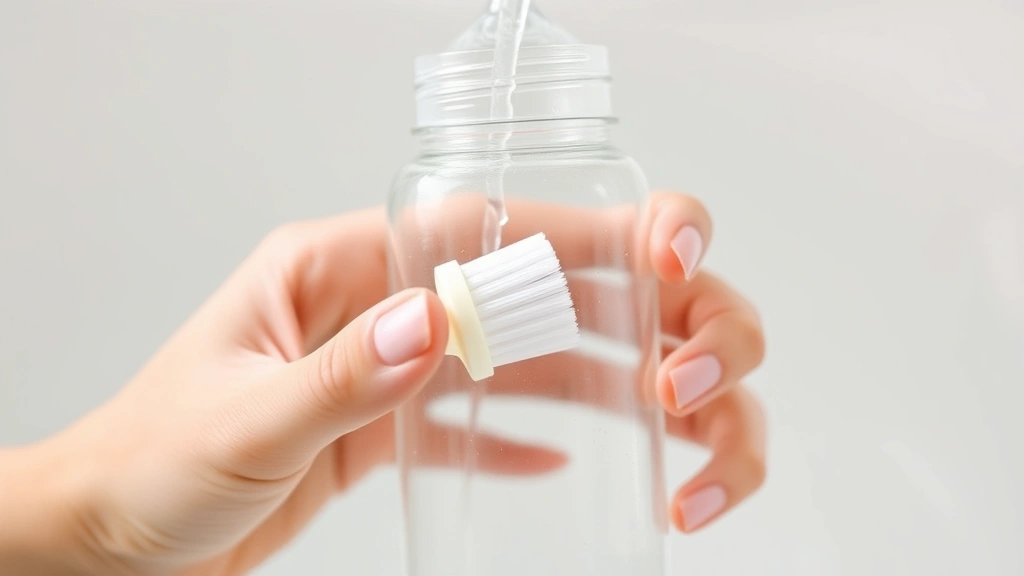
- Fill with Warm Water: Add warm (not hot) water to the bottle. Hot water can damage some bottle materials, and it’s unnecessary for effective cleaning anyway.
- Apply Soap: Use a small amount of baby-safe dish soap. Many parents prefer baby detergent specifically formulated for infant items, though regular dish soap works fine as long as you rinse thoroughly.
- Scrub Thoroughly: Insert the brush and scrub the interior walls with circular motions, paying special attention to the bottom and sides where residue accumulates. Don’t forget the neck area where the nipple connects.
- Clean the Nipple Separately: Use a smaller brush or your finger to clean inside the nipple. The holes where milk flows can trap debris.
- Rinse Completely: Rinse multiple times with clean water until no soap residue remains. Soap left behind can upset your baby’s stomach and affects taste.
- Dry Properly: Place bottles upside down on a clean drying rack. Bottles should air dry completely before storage to prevent mold growth.
For deeper cleaning, many parents periodically sterilize bottles using a sterilizer, boiling method, or dishwasher. A bottle brush is your first line of defense for daily cleaning, but periodic sterilization provides additional security, especially during the first few months.
Maintenance and Care Tips
Your bottle brush itself needs care to remain effective and hygienic.
Clean It Daily: After each use, rinse your brush thoroughly under running water to remove soap residue and milk particles. Let it air dry completely before storing.
Deep Clean Weekly: Once a week, soak your brush in hot water with a small amount of vinegar or baking soda to eliminate any bacteria or mold buildup. This keeps the brush itself fresh and effective.
Replace Regularly: Even quality brushes eventually wear out. If you notice bristles shedding, becoming sparse, or the handle cracking, it’s time for a replacement. A worn brush won’t clean effectively and could potentially leave bristles in bottles.
Store Properly: Keep your brush in a clean, dry location. Moisture trapped in the bristles can promote mold growth. If your brush has a suction cup base, use it—keeping the brush accessible means you’re more likely to use it consistently.
Check for Damage: Periodically inspect your brush for cracks in the handle or bristles coming loose. These issues indicate it’s time for a new one.
When you’re planning your newborn essentials or updating your baby registry must haves, a quality bottle brush absolutely belongs on the list. It’s one of those items that becomes indispensable once you start using it regularly.
For parents looking at best baby shower gifts, a bottle brush set (perhaps combined with other cleaning tools) makes a practical present that new parents will genuinely use and appreciate daily.
Frequently Asked Questions
Is a baby bottle brush really necessary, or is it just marketing?
It’s genuinely necessary if you’re using bottles regularly. While technically you could clean bottles with your hands or a regular sponge, you won’t reach the interior effectively. A bottle brush is designed specifically for this task and makes cleaning faster and more thorough. Given the health implications of improper bottle cleaning, it’s worth considering essential rather than optional.
Can I use a regular bottle brush, or do I need one specifically labeled for babies?
Baby bottle brushes aren’t fundamentally different from regular bottle brushes—they’re just designed with infant safety in mind. A regular bottle brush can work, but baby-specific brushes typically have softer bristles that won’t scratch bottles and are constructed to minimize bristle shedding. Since you’re cleaning items that go directly in your baby’s mouth, choosing one designed for infant use is the safer choice.
How often should I replace my baby bottle brush?
With proper care, a quality brush lasts three to six months of daily use. Replace it sooner if you notice bristles shedding, becoming sparse, or the handle showing signs of damage. A worn brush simply won’t clean as effectively and could potentially leave bristles in bottles.
Should I sterilize my bottle brush?
Yes, periodically. Weekly soaking in hot water with vinegar or baking soda works well. Some brushes are dishwasher safe, which provides a thorough cleaning cycle. If you’re sterilizing your bottles, sterilizing your brush at the same time makes sense.
What’s the best way to dry a bottle brush?
Stand it bristles-up on a clean drying rack or in a cup so air can circulate through the bristles completely. Never store a damp brush in a closed container, as moisture trapped in the bristles can promote mold growth. Complete air drying is essential.
Can I put my bottle brush in the dishwasher?
Many modern bottle brushes are dishwasher safe, but check your specific brush’s instructions. Dishwasher cleaning provides a thorough sanitization cycle. Hand washing works fine too—the key is ensuring it’s completely clean and dry before storage.
Are silicone bottle brushes better than nylon?
Both work well, and the choice often comes down to personal preference. Silicone brushes are gentler on bottles, less likely to shed bristles, and easier to clean thoroughly. Nylon brushes are typically more affordable and also effective. Try one type and switch if you find it doesn’t meet your needs.
What if my bottle has an unusual shape or very narrow opening?
This is where an angled or curved brush becomes particularly helpful. If you’re struggling with your current brush, trying an angled design or even a combination brush with both bottle and nipple cleaning capabilities might solve the problem. Parents Magazine offers guidance on choosing bottles that work well with standard cleaning tools.
Is there a specific brand I should choose?
Quality varies more than brand name. Look for brushes with strong customer reviews, soft bristles that don’t shed, and comfortable handles. Many affordable options work just as well as premium-priced ones. The American Academy of Pediatrics emphasizes proper cleaning over specific brands.