What Is a Baby Centipede? Nature’s Little Mystery
If you’ve ever spotted a tiny, wriggling creature with what seems like an impossible number of legs scurrying across your kitchen floor or garden path, you might be wondering: what exactly am I looking at? The answer is likely a baby centipede, one of nature’s most misunderstood and fascinating creatures. These diminutive arthropods often get confused with their equally creepy cousins, but they’re far more interesting than their reputation suggests. Whether you’re a curious parent trying to identify something your child found, or simply someone who wants to understand the bugs sharing your space, this guide will demystify these peculiar little creatures.
Baby centipedes, or nymphs as they’re scientifically called, are the juvenile stage of centipedes—ancient arthropods that have been crawling around Earth for over 400 million years. Despite their somewhat unsettling appearance, these creatures play an important ecological role and are generally harmless to humans. Understanding what they are, how they develop, and where they come from can transform your perspective from “ew, what is that?” to “huh, that’s actually pretty cool.”
For parents and educators, knowing about baby centipedes opens up wonderful teaching opportunities. Kids naturally gravitate toward the mysterious and unusual, and centipedes offer legitimate biological intrigue without the genuine danger that comes with truly venomous creatures. Let’s explore what makes these creatures tick.
What Is a Baby Centipede?
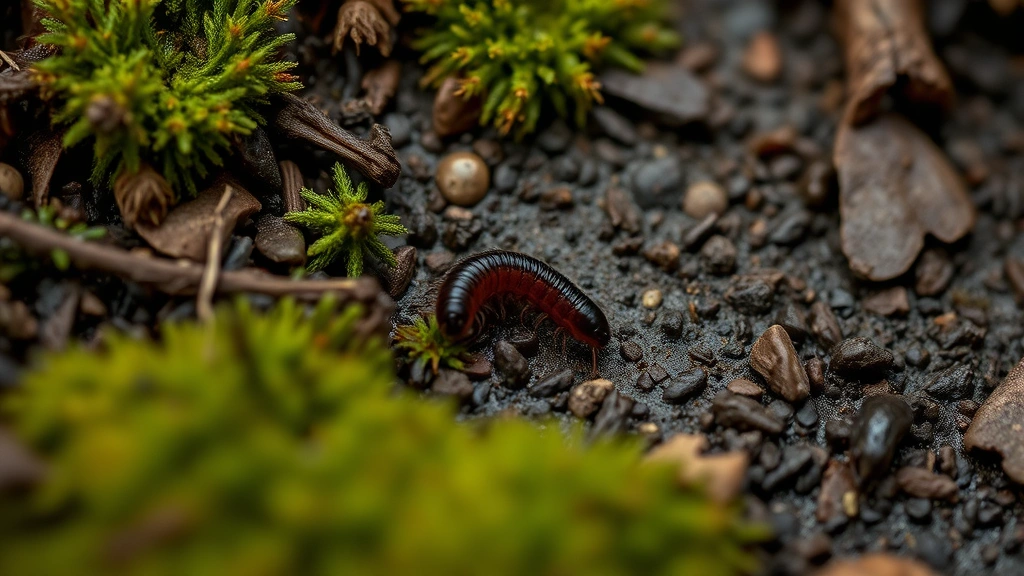
A baby centipede is the juvenile form of a centipede, belonging to the class Chilopoda. The name “centipede” literally means “100 feet,” though most species actually have far fewer legs than this suggests. Baby centipedes are born looking remarkably similar to their adult counterparts, just significantly smaller—sometimes barely visible to the naked eye depending on the species.
The key distinction between a baby centipede and an adult is primarily size and reproductive maturity. Unlike insects that undergo dramatic transformations during metamorphosis, baby centipedes develop gradually, adding more body segments and legs as they grow. This process is called incomplete metamorphosis, and it means what you see is basically what you get—just in miniature form.
Baby centipedes are predatory arthropods, meaning they hunt and consume other small creatures. They’re equipped with venomous fangs called forcipules (modified front legs) that they use to subdue prey. While this sounds intimidating, these fangs are designed for creatures their own size or smaller—like tiny insects and other arthropods—not for defending against humans.
Life Cycle and Development
Understanding the centipede life cycle helps clarify what you’re actually seeing when you encounter a baby centipede. Most centipede species reproduce sexually, with females laying eggs in protected environments like soil, leaf litter, or under logs. Some species lay eggs in clusters and guard them until they hatch, while others simply deposit them and move on.
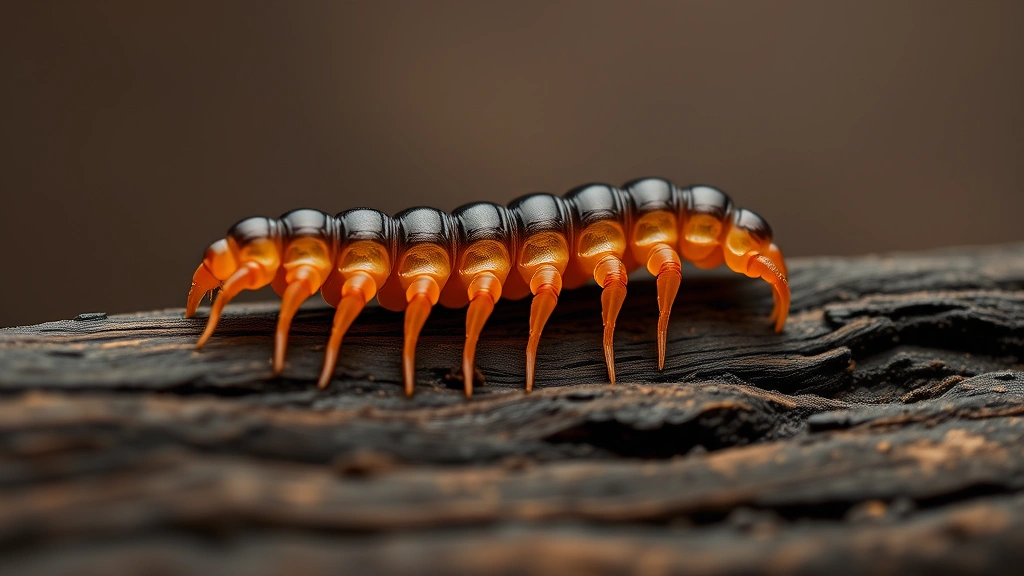
When baby centipedes first emerge from their eggs, they’re incredibly tiny—often just a few millimeters long. At this stage, they’re called first-instar nymphs. They typically have fewer segments and legs than they’ll eventually develop. With each molt, they add more body segments and legs until they reach adulthood. This growth process can take anywhere from one to three years, depending on the species and environmental conditions.
The number of legs a centipede develops is actually fixed by species, not random as many people assume. A particular species might always develop 30 legs, or 42, or 102—but it’s consistent within that species. Baby centipedes are born with fewer legs than they’ll eventually have, adding more with each developmental stage. This is distinctly different from other creatures like baby praying mantis or baby termites, which follow entirely different developmental patterns.
Temperature, humidity, and food availability all influence how quickly a baby centipede develops. In ideal conditions with plentiful prey, they’ll reach adulthood faster. In harsh conditions, development slows considerably. Some species can live for several years once they reach adulthood, making them relatively long-lived compared to many insects.
Appearance and Identification
If you’re trying to identify whether you’ve found a baby centipede, there are several key features to look for. Baby centipedes are elongated, segmented creatures with a flattened body. Their coloration varies by species—some are reddish-brown, others are yellowish, grayish, or even dark brown. Unlike insects, they don’t have wings or antennae in the traditional sense, though they do have long, sensitive antennae at the front of their heads.
The most distinctive feature is, of course, the legs. Each body segment (except the last) bears one pair of legs. Baby centipedes will have fewer legs than adults of their species, but the arrangement is always the same: two legs per segment. This distinguishes them from millipedes, which have two pairs of legs per segment and move much more slowly. If you spot something with lots of legs moving quickly and deliberately, it’s likely a centipede rather than a millipede.
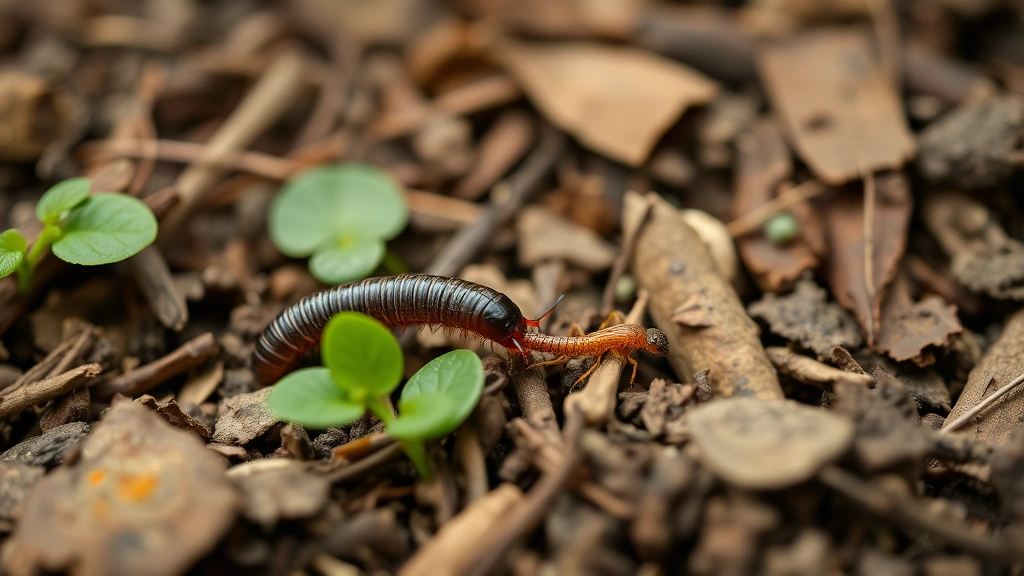
Baby centipedes are also distinguished by their speed and agility. Unlike the lumbering millipede, centipedes are active hunters that move with surprising quickness. They have adapted predatory bodies designed for pursuit and capture. Their flattened shape allows them to slip into tight spaces where prey might hide, giving them a significant hunting advantage.
When comparing baby centipedes to other common household pests, the differences become clearer. Unlike baby roaches or baby cockroach specimens, which are oval and more compact, baby centipedes are distinctly elongated. And unlike baby bed bugs, which are nearly microscopic and require magnification to see clearly, many baby centipedes are visible to the naked eye, especially as they grow.
Habitat and Behavior
Baby centipedes thrive in damp environments where they’re likely to encounter prey. They’re typically found in soil, leaf litter, under logs, in mulch, and in other moist microhabitats. Indoors, they gravitate toward basements, bathrooms, and other areas with higher humidity. They’re nocturnal creatures, so you’re most likely to spot them at night or in dark spaces.
These creatures are solitary hunters. Baby centipedes don’t form colonies or communities; each one is essentially a tiny, independent predator. They spend their time actively searching for small invertebrates to eat. Their diet consists of small insects, spiders, other arthropods, and occasionally smaller centipedes. This makes them actually beneficial to have around, as they help control pest populations naturally.
Baby centipedes are sensitive to environmental conditions. They lose moisture through their skin relatively easily, so they prefer humid environments. This is why you’re more likely to find them after rain or in naturally damp areas. Conversely, dry conditions can be lethal to them. They’re also sensitive to temperature extremes, thriving in moderate climates and struggling in very hot or very cold conditions.
The behavior of baby centipedes is straightforward: hunt, eat, grow, and eventually reproduce. They’re not aggressive toward humans and will typically flee when disturbed. Their primary defense mechanism is speed—they simply run away from threats. They’ll only bite if they feel genuinely threatened and unable to escape, and even then, their venom is calibrated for their natural prey, not for defending against large animals.
Safety Concerns and Myths
One of the most persistent myths about centipedes—both babies and adults—is that they’re dangerous to humans. This reputation is largely undeserved. While centipedes do possess venom and can technically bite, they pose virtually no threat to people. Their venom is designed to quickly subdue tiny invertebrates, not large mammals like us. A baby centipede bite would be comparable to a mosquito bite in terms of danger—which is to say, not dangerous at all.
Baby centipedes are far too small and non-aggressive to bite humans unprovoked. They’re far more interested in escaping than in confrontation. If you accidentally handle one roughly, it might bite defensively, but the bite would be painless or barely noticeable. There’s no medical emergency associated with a centipede bite, and no reason to seek medical attention unless you have a genuine allergy or unusual reaction.
Another myth is that centipedes are insects. They’re not—they’re arthropods, but specifically, they belong to the class Chilopoda, distinct from insects. This distinction matters because it affects how they interact with their environment and how they’re classified scientifically. Similarly, people sometimes confuse centipedes with baby copperhead snake species or other creatures they encounter, but centipedes are unmistakably arthropods with numerous legs.
The reality is that baby centipedes are beneficial creatures. They help control populations of truly problematic pests. In gardens and outdoor spaces, they’re allies in maintaining ecological balance. Indoors, finding an occasional centipede is actually a sign that your home has a healthy ecosystem—it means there’s enough prey for the centipede to survive. If you’re finding many centipedes, it might indicate a larger pest problem that the centipedes are actually helping you manage.
What to Do If You Find One
If you or your child discovers a baby centipede, there’s no need to panic or immediately reach for bug spray. Here are some practical steps to handle the situation appropriately:
- Observe from a distance: Take a moment to look at it. Baby centipedes are genuinely interesting creatures, and observing them can be a teaching moment for children about arthropod diversity.
- Don’t handle it unnecessarily: While they’re not dangerous, there’s no reason to grab it. If you need to move it, use a piece of paper or cardboard to gently guide it into a cup or container.
- Release it outside: The best approach is to carefully capture it and release it outdoors, preferably in a damp area like near mulch or under a log. This removes it from your home without harming it.
- Understand why it’s there: If you’re finding centipedes indoors regularly, it might indicate excessive moisture or a large population of other insects. Addressing humidity levels and removing other pest sources can naturally reduce centipede presence.
- Avoid pesticides: There’s no practical reason to use pesticides against centipedes. They’re not causing damage, they’re not disease vectors, and they’re actually helpful. Pesticides are unnecessary and could harm other beneficial creatures.
- Teach children appropriately: Use the encounter as an educational opportunity. Explain what centipedes are, what they eat, and why they’re actually helpful rather than harmful.
If you absolutely must remove centipedes from your home, focus on environmental controls rather than chemical ones. Reducing moisture through proper ventilation, fixing leaks, and using dehumidifiers makes your home less attractive to centipedes and their prey. Sealing cracks and gaps prevents them from entering. These approaches address the root cause rather than just treating symptoms.
Frequently Asked Questions
How many legs does a baby centipede have?
The number of legs varies by species and the centipede’s developmental stage. Baby centipedes have fewer legs than adults, with one pair of legs per body segment. As they molt and grow, they add more segments and legs until reaching their species-specific adult leg count. Some species have around 30 legs, while others have over 100.
Are baby centipedes venomous?
Yes, baby centipedes possess venom in their modified front legs (forcipules), but this venom is designed for subduing small prey, not for harming humans. Their venom is harmless to people, and baby centipedes are far too small and non-aggressive to pose any threat.
How do I tell a baby centipede from a millipede?
The easiest distinction is the number of legs per segment. Centipedes have one pair of legs per segment and move quickly and deliberately. Millipedes have two pairs of legs per segment and move slowly. Centipedes are also more flattened, while millipedes are more cylindrical. Baby centipedes are active hunters, while millipedes are scavengers.
What do baby centipedes eat?
Baby centipedes are carnivorous predators. They hunt and consume small invertebrates including insects, spiders, and other arthropods. As they grow, they’re capable of taking slightly larger prey, but they remain specialist hunters of small creatures.
Where do baby centipedes come from?
Baby centipedes hatch from eggs laid by adult female centipedes. Females typically lay eggs in protected, moist environments like soil or leaf litter. Some species guard their eggs until they hatch, while others don’t. The eggs develop over several weeks to months depending on temperature and species.
How long do baby centipedes take to grow into adults?
Development time varies significantly by species and environmental conditions. In ideal conditions with plentiful food and appropriate temperature and humidity, baby centipedes might reach adulthood in 1-2 years. In less favorable conditions, it can take 3 years or longer. Once they reach adulthood, they can live for several more years.
Are baby centipedes found in homes?
Yes, baby centipedes can occasionally be found indoors, particularly in basements, bathrooms, and other damp areas. They’re attracted to places with high humidity and abundant prey. Finding an occasional centipede isn’t cause for concern and actually indicates your home has a relatively healthy ecosystem.
Should I kill a baby centipede if I find one?
There’s no practical reason to kill a baby centipede. They’re not harmful, not disease vectors, and actually beneficial as they help control pest populations. The humane and practical approach is to gently capture and release it outdoors in a suitable habitat.